
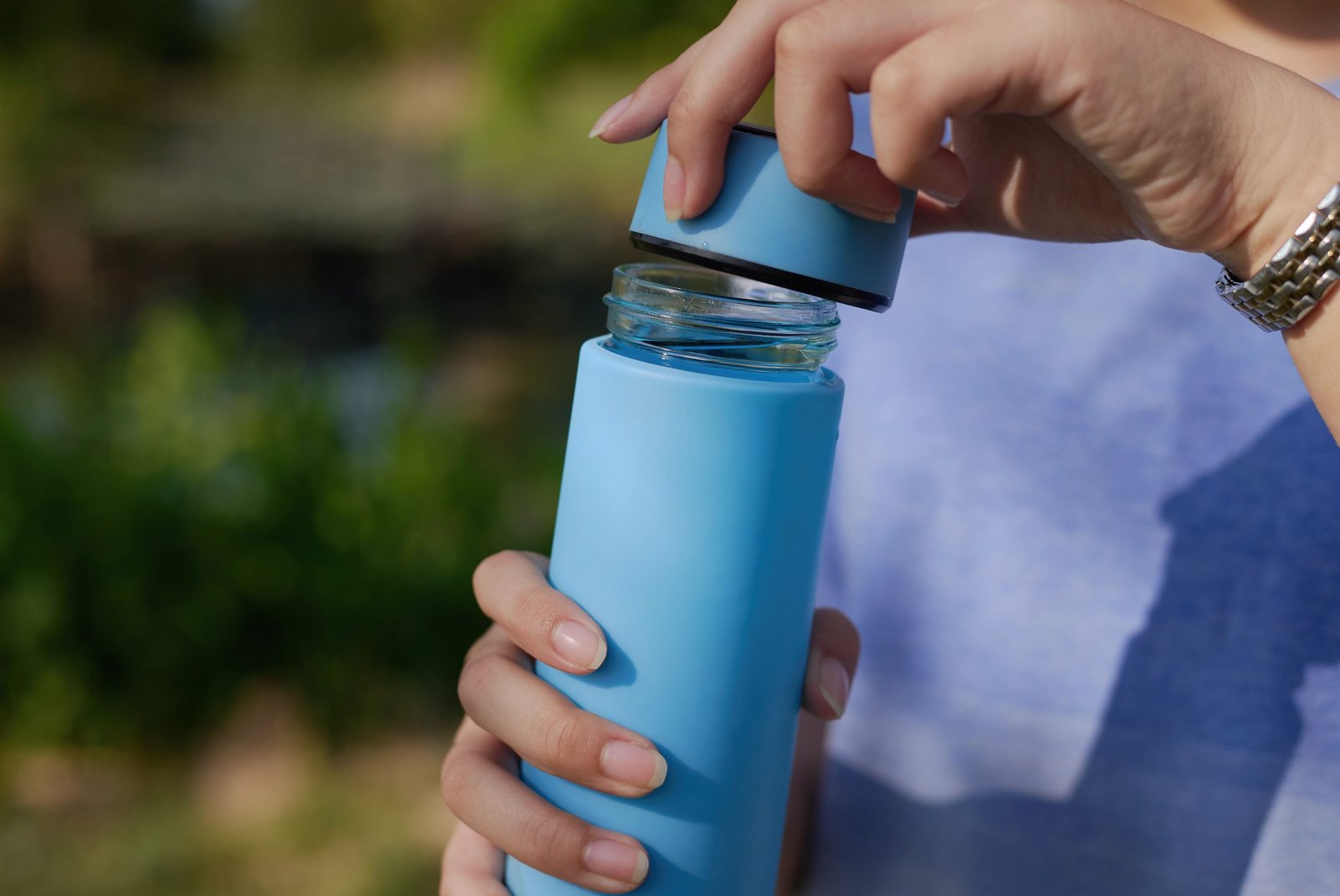
Are you tired of constantly buying plastic water bottles that end up in the trash? Switching to reusable water bottles is easier than you think, and it can make a big difference for your health, your wallet, and the planet.
Imagine having a bottle that stays with you all day, keeps your drinks fresh, and saves you money over time. You’ll discover simple steps to make the switch smoothly and enjoy all the benefits without any hassle. Ready to take control of your hydration and help the environment?
Let’s dive in.

Credit: x.com
Benefits Of Reusable Bottles
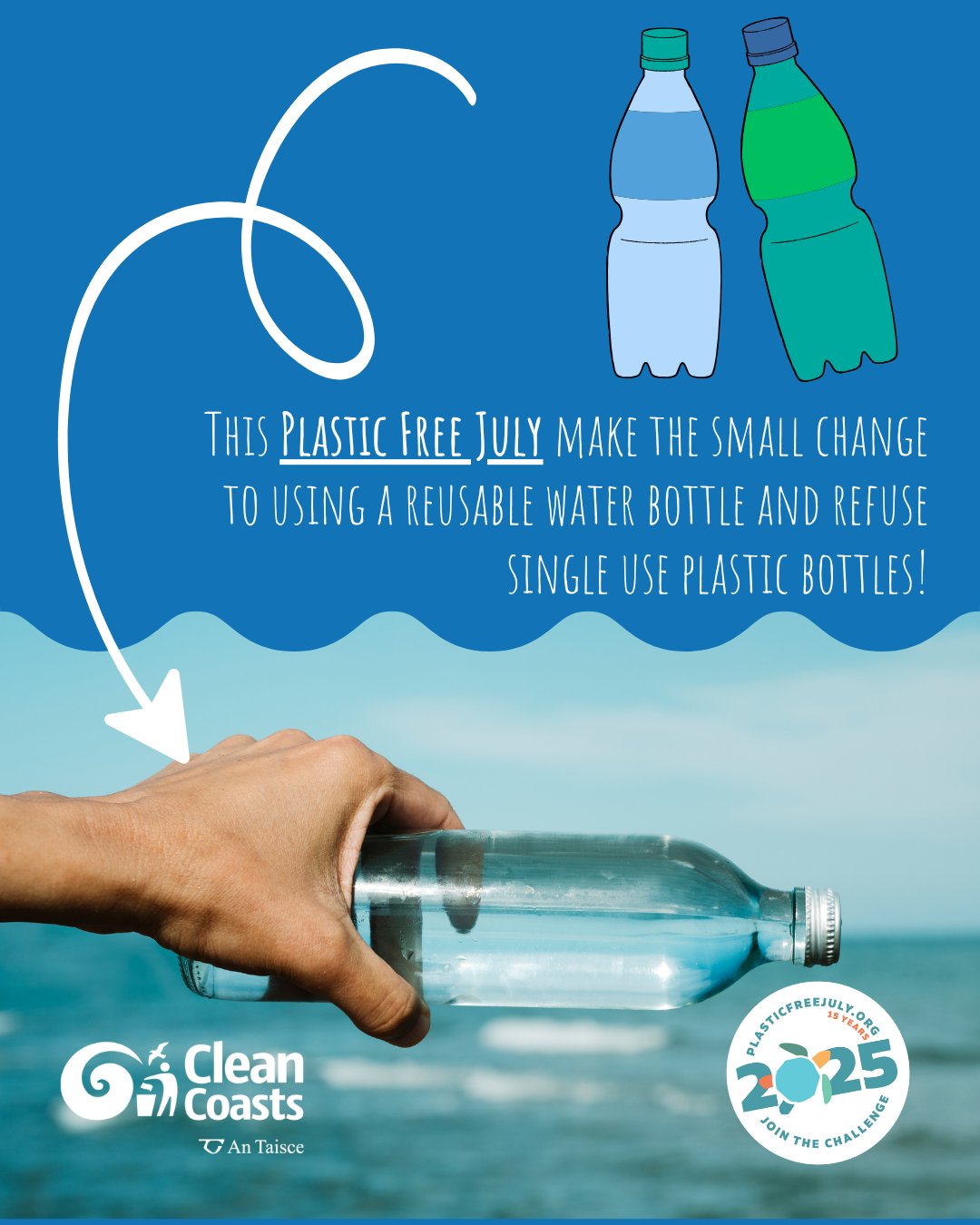
Using reusable water bottles helps reduce waste and saves money. These bottles are better for the planet and your health.
Switching to reusable bottles is a simple change that makes a big difference every day.
Environmental Impact
Reusable bottles lower plastic waste in oceans and landfills. They reduce the need for single-use plastic bottles.
Making fewer plastic bottles also saves energy and cuts pollution.
- Less plastic pollution
- Reduced energy use
- Lower carbon emissions
- Less landfill waste
Health Advantages
Reusable bottles are often made from safer materials. They do not contain harmful chemicals found in some plastics.
Cleaning reusable bottles regularly helps prevent germs and keeps water fresh.
- Safer materials, like stainless steel or BPA-free plastic
- Less exposure to chemicals
- Easy to clean and reuse
Cost Savings
Buying a reusable bottle saves money over time. You avoid buying many single-use bottles.
Refilling a reusable bottle with tap water costs very little compared to bottled water.
- One bottle lasts for years
- Save money by refilling
- Less spending on bottled water
Credit: x.com
Choosing The Right Bottle
Switching to reusable water bottles helps reduce waste and saves money. Picking the right bottle is important for daily use and health.
Consider material, size, and features to find a bottle that fits your lifestyle. This guide will help you choose wisely.
Material Types
Water bottles come in different materials. Each type has benefits and things to watch for.
Common materials include plastic, stainless steel, and glass. Choose one that is safe, durable, and easy to clean.
- Plastic:Lightweight and cheap but check for BPA-free labels.
- Stainless Steel:Strong, keeps drinks cold or hot longer, and lasts for years.
- Glass:Pure taste, easy to clean, but can break if dropped.
Size And Design
Pick a size that fits your daily water needs and is easy to carry. Smaller bottles are good for short trips, large ones keep you hydrated all day.
Design matters for comfort and use. Look for shapes that fit in your hand and cup holders. Consider wide mouths for easy cleaning and adding ice.
- 500 ml to 750 ml is good for daily use.
- 1 liter or more works well for long trips.
- Check if the bottle fits your backpack or bike holder.
- Wide or narrow mouth affects how you drink and clean.
Special Features
Some bottles come with extra features that make them easier to use. Think about what will help you drink more water.
Features like built-in straws, insulation, or filters add convenience. Choose features based on your activities and needs.
- Insulated bottles keep drinks cold or hot longer.
- Straw lids let you sip without tilting the bottle.
- Filters can improve water taste and safety.
- Leak-proof caps prevent spills in bags.
Cleaning And Maintenance Tips
Reusable water bottles help reduce plastic waste. Keeping them clean is key for health and taste. Follow simple cleaning steps daily and deep clean regularly.
Proper care stops bacteria and mold from growing. This guide covers daily cleaning, deep methods, and how to prevent odors.
Daily Cleaning Routine
Rinse your bottle after each use with warm water. Use mild soap and a bottle brush to clean the inside. Wash the cap and mouthpiece well.
- Rinse bottle and cap with warm water.
- Use mild dish soap and a bottle brush.
- Clean the mouthpiece carefully.
- Let all parts air dry completely.
- Wash daily to avoid buildup.
Deep Cleaning Methods
Deep clean your bottle once a week. Use baking soda or vinegar to remove stains and buildup. Soak the bottle for 15 minutes, then scrub and rinse well.
| Cleaning Agent | How to Use | Benefits |
| Baking Soda | Mix 2 tablespoons with water, soak 15 minutes | Removes stains and odors |
| White Vinegar | Fill bottle halfway, let sit 15 minutes | Kills bacteria and mold |
| Dishwasher | Check if bottle is dishwasher safe, place on top rack | Thorough cleaning with heat |
Preventing Odors And Mold
Dry your bottle completely after cleaning. Store it open to let air flow. Avoid leaving water inside for long periods.
- Air dry bottle and cap fully before storing.
- Store bottle with lid off or loose.
- Do not keep water inside overnight.
- Use a bottle brush to clean hard-to-reach places.
Credit: medium.com
Replacing Disposable Bottles
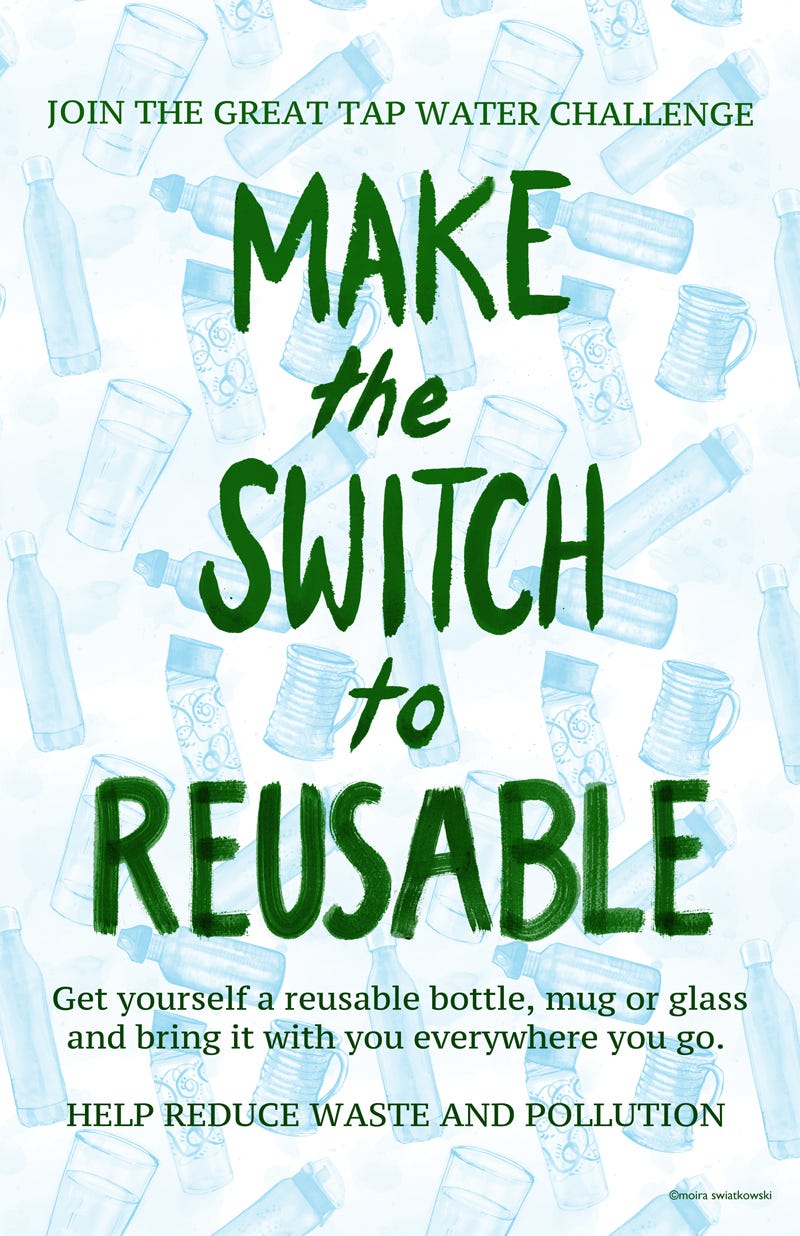
Using reusable water bottles helps reduce plastic waste. Disposable bottles harm the environment and often end up in landfills.
Switching to reusable bottles saves money and keeps you hydrated all day. It is an easy change to make.
Gradual Transition Steps
Start by using a reusable bottle once a day. Replace one disposable bottle at a time.
Slowly increase how often you use the reusable bottle. This makes the change less hard.
- Buy a bottle you like and find easy to carry
- Use it at home or work first
- Carry it on short trips
- Replace all disposable bottles after a week or two
Setting Reminders
Reminders help you remember to use your reusable bottle. Set alerts on your phone or notes in visible places.
Try putting your bottle where you often see it. This will make it easier to grab and use.
- Use phone alarms to drink water regularly
- Place bottles near your desk or car keys
- Write notes on the fridge or mirror
- Ask friends or family to remind you
Carrying Bottles On-the-go
Take your reusable bottle when you leave the house. Carrying it ensures you have water anytime.
Choose bottles that fit your lifestyle. Some fit in bags, others clip to backpacks.
- Use a bottle with a secure lid to avoid leaks
- Pick lightweight bottles for easy carrying
- Use bottle holders or straps if needed
- Keep a bottle in your car or office bag
Involving Family And Friends
Switching to reusable water bottles is easier with support. Family and friends can help you stay motivated. You can share ideas and tips.
Working together makes the change fun. Everyone can learn about saving plastic and protecting nature.
Sharing Benefits
Talk about why reusable bottles matter. Explain how they reduce waste and save money. Show the health benefits of using clean, safe bottles.
- Less plastic trash in the environment
- Save money by not buying bottled water
- Better for health with BPA-free bottles
- Helps protect wildlife and nature
Group Challenges
Create a fun challenge to switch everyone to reusable bottles. Set easy goals and celebrate progress. This keeps everyone excited and involved.
- Set a start date for using reusable bottles
- Track how many plastic bottles you avoid each week
- Share photos or stories about your bottles
- Reward the group when goals are met
Supporting Local Initiatives
Join local groups that promote reusable bottles. Attend events or volunteer. Supporting these causes helps spread the message in your community.
| Activity | How to Participate |
| Clean-up events | Bring your reusable bottle and join the cleanup |
| Workshops | Learn how to maintain and clean bottles |
| Awareness campaigns | Share posters and flyers with friends and neighbors |
Sustainable Habits Beyond Bottles
Switching to reusable water bottles is a great start. It helps reduce plastic waste and protect the environment.
There are other simple habits that can make a big difference. These habits help create a cleaner and healthier planet.
Reducing Single-use Plastics
Single-use plastics cause a lot of pollution. Items like straws, cutlery, and packaging often end up in landfills or oceans.
Try to avoid these plastics by choosing products with less packaging. Use alternatives made from paper, metal, or glass.
- Say no to plastic straws and use metal or bamboo ones
- Bring your own containers for takeout food
- Choose products wrapped in recyclable materials
Using Reusable Bags
Reusable bags cut down the need for plastic bags. They are strong and can be used many times.
Keep reusable bags in your car or near the door. This helps you remember to take them shopping.
- Choose bags made from cloth or recycled materials
- Use bags for groceries, clothes, and other shopping
- Wash bags regularly to keep them clean
Conserving Water And Energy
Saving water and energy helps reduce waste and pollution. Small changes can save resources and lower bills.
Turn off lights when you leave a room. Fix leaks and use water-saving devices at home.
- Take shorter showers to save water
- Unplug devices when not in use
- Use energy-efficient bulbs and appliances
Frequently Asked Questions
Why Switch To Reusable Water Bottles?
Switching to reusable water bottles reduces plastic waste and saves money. Reusable bottles are eco-friendly and promote sustainability. They also often have features like insulation, keeping drinks cold or hot for longer periods. Making this switch is an easy way to contribute positively to the environment.
How Do Reusable Bottles Save Money?
Reusable bottles eliminate the need to buy single-use plastic bottles. Over time, this saves you significant money. Investing in a quality reusable bottle can reduce daily expenses. Many reusable bottles are durable, lasting for years, which adds to the savings.
What Materials Are Best For Reusable Bottles?
Stainless steel and BPA-free plastic are popular materials for reusable bottles. Stainless steel bottles are durable and often insulated. BPA-free plastic bottles are lightweight and affordable. Both materials are safe for drinking and easy to clean, making them excellent choices for everyday use.
Are Reusable Water Bottles Easy To Clean?
Yes, most reusable water bottles are designed for easy cleaning. Many are dishwasher safe, simplifying maintenance. Regular cleaning prevents bacteria buildup and ensures safe drinking. Follow the manufacturer’s instructions for the best cleaning practices to maintain your bottle’s longevity and hygiene.
Conclusion
Switching to reusable water bottles helps protect the environment. It reduces plastic waste and saves money over time. Choose a bottle that fits your lifestyle and needs. Clean it regularly to stay healthy and safe. Small changes make a big difference for the planet.
Start today, and enjoy fresh water wherever you go. Your actions inspire others to care for the Earth too. Simple steps lead to a cleaner, greener future for all.