
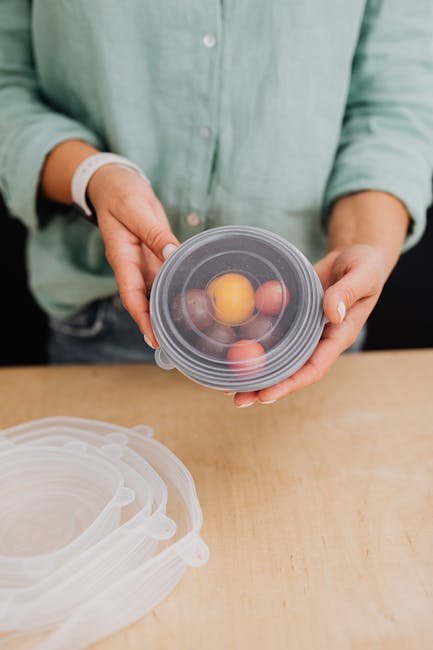
Are you tired of constantly buying and tossing out plastic kitchen tools? Imagine cutting down on waste while making your cooking easier and safer.
Switching to reusable silicone kitchen tools can transform your kitchen routine without any hassle. You’ll discover simple steps to make the change smoothly and why silicone is the smart choice for your health and the planet. Keep reading to find out how you can upgrade your kitchen and feel good about every meal you prepare.
Credit: www.lemon8-app.com
Benefits Of Silicone Tools
Switching to reusable silicone kitchen tools can improve your cooking experience. These tools offer many benefits that make them a great choice for every kitchen.
Silicone tools are known for their durability, safety, and positive environmental impact. Let’s explore these benefits in detail.
Durability And Longevity
Silicone kitchen tools last a long time. They do not crack or break easily. This makes them a smart investment for any home cook.
These tools withstand high temperatures. You can use them safely on hot surfaces without fear of damage.
- Resistant to heat up to 500°F
- Flexible and sturdy
- Non-stick and easy to clean
Safety And Non-toxicity
Silicone tools are safe for cooking. They do not release harmful chemicals. This ensures your food stays pure and healthy.
Unlike plastic, silicone does not melt easily. This makes it safer for use in cooking and baking.
- BPA-free and food-grade material
- Odorless and does not stain
- Safe for all types of cookware
Environmental Impact
Using silicone tools helps reduce waste. These reusable tools lessen the need for disposable plastic items. This makes them eco-friendly.
Silicone is recyclable, adding to its environmental benefits. Choosing silicone supports a greener planet.
- Reduces plastic waste
- Reusable and recyclable
- Supports sustainable living
:max_bytes(150000):strip_icc()/gir-get-it-right--6396ff0a1dc243f89e3c8365456ca633.jpg)
Credit: www.eatingwell.com
Choosing The Right Silicone Tools
Switching to reusable silicone kitchen tools helps reduce waste. Silicone is safe, flexible, and lasts a long time.
Pick the right tools by thinking about what you use most. Also, check quality and price to find the best fit.
Essential Kitchen Items
Start with basic silicone tools everyone needs. These tools make cooking easier and protect your cookware.
- Silicone spatulas for mixing and scraping
- Silicone spoons for stirring hot food
- Baking mats to replace parchment paper
- Silicone tongs for flipping and serving
- Whisks with silicone coating for non-stick use
Quality Indicators
Good silicone tools feel flexible but strong. Check that they do not smell like chemicals.
Look for tools labeled food grade or FDA approved. This means they are safe to use with food.
- Non-toxic, BPA-free material
- Heat resistant up to 450°F (232°C)
- Dishwasher safe for easy cleaning
- Sturdy handles and no weak spots
- Seamless design to avoid dirt buildup
Budget-friendly Options
You can find affordable silicone tools without losing quality. Look for sets to save money.
Check reviews to ensure good performance. Avoid very cheap tools that wear out fast.
- Buy multi-piece sets for variety
- Choose tools with simple designs
- Look for sales or discounts
- Consider local brands with good feedback
- Balance price with durability
Replacing Single-use Items
Many kitchen tools are made for one-time use. These create a lot of waste. Switching to reusable silicone tools helps reduce trash.
Silicone products last longer and can handle heat well. They are easy to clean and safe for food use.
Swapping Plastic Wrap And Bags
Plastic wrap and bags often end up in landfills. Silicone lids and bags can replace these single-use items effectively.
Reusable silicone bags come in many sizes. Silicone stretch lids fit bowls and containers tightly without waste.
- Use silicone stretch lids instead of plastic wrap
- Store food in reusable silicone bags
- Freeze leftovers safely in silicone bags
- Wash and reuse these items many times
Ditching Disposable Utensils
Disposable forks, spoons, and knives create plastic waste. Silicone utensils are strong, flexible, and reusable.
Silicone spatulas, tongs, and spoons are heat resistant. They work well for cooking and serving.
- Replace plastic cutlery with silicone utensils
- Choose utensils that are heat safe and dishwasher friendly
- Keep silicone utensils handy for picnics and outings
- Clean and reuse these tools to save money
Alternatives For Baking And Cooking
Single-use baking items like parchment paper and cupcake liners add waste. Silicone mats and molds are great alternatives.
Silicone baking mats prevent sticking and can be used many times. Silicone molds make baking easy and reduce trash.
- Use silicone baking mats instead of parchment paper
- Choose silicone cupcake molds over paper liners
- Pick silicone brushes for spreading oil or sauce
- Wash and reuse silicone baking tools often

Credit: www.amazon.com
Maintaining And Cleaning Silicone Tools
Reusable silicone kitchen tools are easy to clean and maintain. Proper care helps them last longer and stay safe to use.
Cleaning silicone tools correctly keeps them free from stains and odors. It also prevents damage and maintains their flexibility.
Proper Washing Techniques
Wash silicone tools with warm soapy water after each use. Use a soft sponge or cloth to avoid scratching the surface.
Rinse tools well to remove all soap. Dry them completely before storing to prevent mold and bacteria growth.
- Use mild dish soap
- Clean with a soft sponge or cloth
- Rinse thoroughly with warm water
- Dry with a clean towel or air dry
Avoiding Damage
Do not use sharp or abrasive tools on silicone kitchen items. These can cause cuts or scratches that reduce their lifespan.
Avoid exposing silicone tools to direct heat for long times. High heat can warp or melt them, so keep them away from open flames.
- Do not use knives or sharp objects on silicone
- Keep silicone away from direct flames or hot burners
- Do not use abrasive scrubbers or steel wool
- Avoid cutting food directly on silicone tools
Storage Tips
Store silicone kitchen tools in a dry, cool place. Avoid stacking heavy items on top to keep their shape intact.
Keep tools separate from sharp objects and strong-smelling foods. This helps prevent damage and odor absorption.
- Store in a drawer or utensil holder
- Keep away from sharp kitchen tools
- Do not fold or bend excessively
- Ensure tools are dry before storing
Incorporating Eco Habits
Switching to reusable silicone kitchen tools helps protect the environment. These tools last longer and reduce waste.
Adopting eco habits in the kitchen makes daily life greener. Small changes can lead to big benefits.
Mindful Purchasing
Buy kitchen tools that are durable and safe. Silicone tools resist heat and last for years.
Choose products with minimal packaging. This lowers plastic waste and helps the planet.
- Look for BPA-free silicone
- Pick tools made from food-grade silicone
- Avoid single-use plastic tools
- Buy from brands with eco-friendly practices
Reducing Kitchen Waste
Reusable silicone tools cut down on disposable items like plastic spoons and wraps. This lowers trash in landfills.
Silicone tools are easy to clean and safe for many uses. This means fewer replacements and less waste.
- Use silicone lids instead of plastic wrap
- Replace plastic spatulas with silicone ones
- Store food in reusable silicone bags
- Clean tools with gentle soap to extend life
Encouraging Family Participation
Involve your family in using reusable kitchen tools. Teach kids why eco habits matter.
Make it fun to cook and clean with silicone tools. This helps everyone care for the planet together.
- Show how to use and clean silicone tools
- Let kids pick their favorite reusable tools
- Discuss how these tools help the environment
- Create routines that include eco-friendly habits
Common Challenges And Solutions
Switching to reusable silicone kitchen tools can be a smart choice for your home. It helps reduce waste and lasts a long time. Still, some people face challenges when making the switch.
Understanding these challenges can help you find easy solutions. This guide covers common issues and how to solve them.
Adjusting To New Tools
Silicone kitchen tools feel different from metal or wood tools. You might need time to get used to their flexibility and texture.
Try using your new tools on simple cooking tasks first. This helps you learn how they work without stress.
- Practice stirring and scraping with silicone spatulas
- Use silicone tongs gently to avoid bending
- Wash tools before first use to soften their feel
Managing Initial Costs
Silicone tools can cost more upfront than plastic or metal ones. This may stop some from buying them at first.
Remember that these tools last longer and do not need frequent replacement. You save money over time.
- Buy only essential tools to start
- Look for sets that offer better prices
- Compare prices from different sellers
- Check for sales or discounts
Finding Reliable Brands
Not all silicone kitchen tools are the same quality. Some may have harmful chemicals or wear out fast.
Choose brands that test for safety and use food-grade silicone. Reading reviews can help find trusted options.
- Look for food-grade silicone labels
- Check if products are BPA-free
- Read customer reviews for durability
- Choose brands with clear safety information
Frequently Asked Questions
What Are Reusable Silicone Kitchen Tools?
Reusable silicone kitchen tools are durable, flexible utensils made from food-grade silicone. They replace single-use plastic tools, reducing waste. These tools are heat-resistant, easy to clean, and safe for cooking. They last long and are eco-friendly, making kitchens more sustainable.
How Do I Clean Silicone Kitchen Tools?
To clean silicone kitchen tools, wash them with warm soapy water. They are dishwasher safe, which adds convenience. Avoid harsh abrasives to maintain the surface. Regular cleaning prevents odors and buildup, keeping tools hygienic and ready for reuse.
Are Silicone Kitchen Tools Safe For Cooking?
Yes, silicone kitchen tools are safe for cooking. They are heat-resistant up to 450°F (232°C) and non-toxic. Food-grade silicone does not leach chemicals into food. These tools are BPA-free and comply with health safety standards.
Can Silicone Tools Replace All Plastic Utensils?
Silicone tools can replace most plastic utensils like spatulas, brushes, and spoons. They are flexible, durable, and safe for non-stick cookware. However, very rigid tools may require metal or wood alternatives. Silicone is a versatile and eco-friendly option.
Conclusion
Switching to reusable silicone kitchen tools helps the planet. They last long and save money over time. Cleaning them is simple and quick. Silicone tools resist heat and won’t melt easily. They keep your kitchen safer and cleaner. Small changes like these make a big difference.
Start with one tool and add more later. Enjoy cooking with tools that are easy and eco-friendly. Your kitchen, your choice, your impact.