
Have you ever tossed a plastic bag after just one use and felt a little guilty? What if you could cut down on waste, save money, and keep your food fresher—all at the same time?
Switching to reusable silicone bags is easier than you think, and it can make a big difference in your daily life. You’ll discover simple steps to make the switch smoothly and why these bags might just become your new favorite kitchen essential.
Keep reading to find out how you can take control and make a positive change starting today.

Credit: shop.natissy.eu
Benefits Of Reusable Silicone Bags
Reusable silicone bags are great for storing food and other items. They help reduce waste and are good for the environment.
Switching to silicone bags can save money over time. They are safe and easy to use for families.
Environmental Impact
Silicone bags reduce the need for plastic bags. This cuts down on plastic waste in landfills.
They can be used many times and last a long time. This means less trash is created.
- Less plastic waste
- Durable and long-lasting
- Helps keep the planet clean
Cost Savings Over Time
Silicone bags can be used many times. This saves money as you buy fewer bags.
They are strong and do not break easily. This means you don’t have to replace them often.
| Initial Cost | Reusable Silicone Bags |
| Long-term Savings | Yes |
| Durability | High |
Health And Safety Advantages
Silicone bags are safe for food storage. They do not contain harmful chemicals like some plastics.
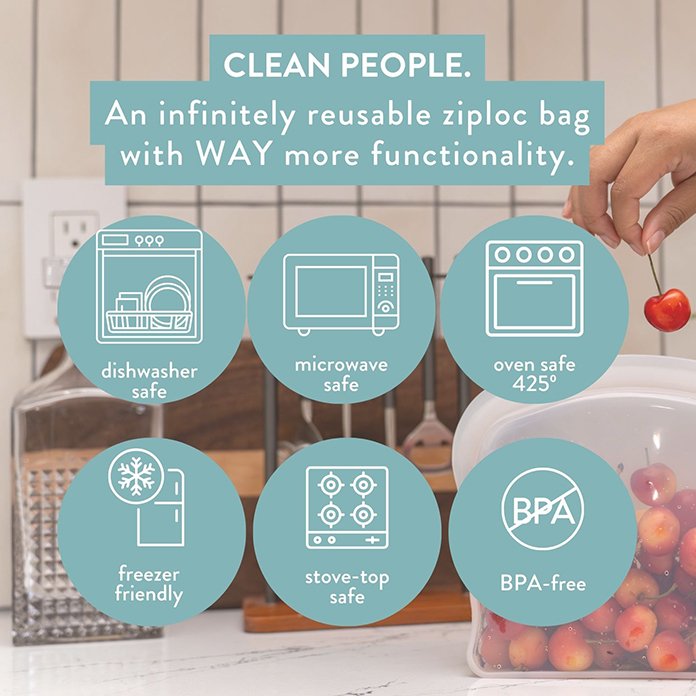
They can be cleaned easily and are often dishwasher safe. This keeps your food storage clean and hygienic.
- Non-toxic materials
- Easy to clean
- Safe for food storage
Choosing The Right Silicone Bags
Switching to reusable silicone bags helps reduce plastic waste. Picking the right bags makes the change easier.
Consider size, material quality, and trusted brands before buying silicone bags.
Size And Capacity Options
Silicone bags come in many sizes for different needs. Choose sizes that fit your food storage habits.
Small bags work well for snacks. Larger bags hold sandwiches or leftovers.
- Mini bags: great for nuts and small snacks
- Medium bags: good for sandwiches and fruits
- Large bags: perfect for bulk storage or meals
- Extra-large bags: suitable for big items or freezer storage
Material Quality And Certifications
High-quality silicone bags last longer and stay safe with food. Look for bags made from food-grade silicone.
Certifications show the bags meet safety rules. Common certifications include FDA and LFGB approvals.
- Food-grade silicone is non-toxic and BPA-free
- FDA approval ensures safety for food contact
- LFGB certification means compliance with German food safety laws
- Check for heat resistance to use in microwaves and ovens
Brands To Consider
Choose brands known for quality and safety. Trusted brands offer durable silicone bags with good reviews.
Look for brands that provide detailed product information and clear certifications.
- Brands with positive customer feedback on durability
- Companies that use certified food-grade silicone
- Brands offering a variety of sizes and styles
- Brands with warranty or return policies
How To Use Silicone Bags Effectively
Silicone bags are a smart way to store food safely and reduce waste. They are reusable and easy to clean.
Using silicone bags properly helps keep your food fresh and makes cooking easier. Here are some tips to get the most out of them.
Storing Food Safely
Use silicone bags to store dry and wet foods. They keep air out and protect food from spills.
Always seal the bags tightly to stop leaks and keep food fresh longer. Label the bags with dates to track freshness.
- Store fruits, vegetables, nuts, and snacks
- Keep soups or sauces sealed well to avoid spills
- Use different bags for raw and cooked food
Freezing And Cooking Tips
Silicone bags are safe for freezing and cooking. They handle heat and cold without damage.
Freeze food in flat layers for easy stacking and faster thawing. You can boil or microwave food in these bags too.
- Do not overfill bags before freezing
- Leave space for food to expand when frozen
- Use microwave or boiling water for cooking, but avoid direct flame
Cleaning And Maintenance
Wash silicone bags after each use with warm soapy water. Clean inside corners well to remove food residue.
You can also clean them in the dishwasher. Let bags dry fully before storing to avoid odors.
- Use a bottle brush for hard-to-reach spots
- Air dry bags upside down for best results
- Check bags for tears or damage regularly
Replacing Single-use Plastics Gradually
Switching to reusable silicone bags helps reduce plastic waste. Doing it step by step makes the change easier.
Start by finding plastic items you use often. Then replace them with silicone bags over time.
Identifying Plastic Usage In Your Home
Look around your kitchen and other rooms. Find all the plastic bags and wraps you use daily.
Check for single-use plastics like sandwich bags, produce bags, and storage wraps. Note where you use them most.
- Plastic sandwich bags
- Plastic produce bags
- Plastic wrap for leftovers
- Plastic freezer bags
- Other single-use plastic packaging
Simple Swaps For Everyday Items
Replace single-use plastic bags with reusable silicone bags. These bags are durable and easy to clean.
Use silicone bags for snacks, storing leftovers, and packing lunches. You can also freeze food in them safely.
- Swap plastic sandwich bags with silicone sandwich bags
- Replace produce bags with silicone reusable bags
- Use silicone bags instead of plastic wrap
- Freeze meat or vegetables in silicone freezer bags
Tracking Your Progress
Keep a list of the plastic items you replaced each week. This helps you see your progress clearly.
Set small goals like replacing one plastic item every few days. Celebrate your wins to stay motivated.
- Write down plastic items you used before
- Mark items replaced with silicone bags
- Note any changes in your plastic waste
- Set goals for next replacements
Overcoming Common Challenges
Switching to reusable silicone bags can be a smart choice for the environment. Some challenges may come up when you start using them. These challenges can be solved with simple ideas and patience.
This guide will help you face common problems and keep using reusable bags easily.
Dealing With Initial Costs
Reusable silicone bags may cost more at first than single-use plastic bags. This can make some people hesitate to buy them. Think of this as an investment that saves money over time.
To reduce the impact of the cost, try buying bags in sets or waiting for sales. You can also start with a few bags and add more later.
- Buy sets for better value
- Look for discounts or sales
- Start with a small number of bags
- Compare cost with buying plastic bags over time
Handling Resistance From Family Members
Some family members may not want to change their habits. They might think reusable bags are hard to use or clean. Talk to them about the benefits and show how easy it can be.
Try using the bags together. Let everyone pick their favorite colors or sizes. This can make the change more fun and less stressful.
- Explain why reusable bags help the environment
- Demonstrate how to use and clean the bags
- Let family members choose their own bags
- Use bags together to build new habits
Maintaining Hygiene
Keeping reusable silicone bags clean is important for food safety. Wash them after each use with warm, soapy water. You can also use a dishwasher if the bags are dishwasher-safe.
Dry the bags completely before storing them. This helps stop mold and bad smells from forming inside the bags.
- Wash bags with warm, soapy water after use
- Use dishwasher if bags allow it
- Dry bags fully before storing
- Inspect bags regularly for damage or smells

Credit: www.oxo.com
Incorporating Silicone Bags Into Eco Living
Switching to reusable silicone bags helps reduce plastic waste. These bags last longer and are safer for the environment.
Using silicone bags is a simple change that fits well with an eco-friendly lifestyle. It lowers single-use plastic use in daily life.
Complementary Sustainable Practices
Using silicone bags works best with other green habits. These habits help reduce waste and save resources.
Try these habits to support your switch to silicone bags:
- Use reusable water bottles and coffee cups
- Shop with cloth or mesh produce bags
- Compost food scraps to reduce landfill waste
- Choose products with minimal or no packaging
- Recycle properly and reduce overall trash
Supporting Eco-friendly Brands
Buy silicone bags from brands that care about the planet. These brands use safe materials and fair processes.
Look for brands that:
- Use non-toxic, food-grade silicone
- Focus on durability and reuse
- Have transparent production methods
- Give back to environmental causes
- Offer recycling or take-back programs
Encouraging Community Adoption
Share your experience with silicone bags to inspire others. Small changes add up when many people join in.
Try these ways to spread the word:
- Talk about benefits with friends and family
- Host a local swap or eco-living event
- Share tips on social media or blogs
- Invite neighbors to try reusable bags
- Support community clean-up projects

Credit: creators.yahoo.com
Frequently Asked Questions
What Are Reusable Silicone Bags?
Reusable silicone bags are eco-friendly storage alternatives. They replace single-use plastic bags. Made from durable silicone, they are safe, washable, and long-lasting. They help reduce plastic waste and save money over time.
How To Clean Reusable Silicone Bags?
To clean reusable silicone bags, use warm soapy water. Scrub gently with a sponge or brush. They are also dishwasher safe, making cleaning easy and hygienic. Proper cleaning prevents odors and maintains durability.
Are Silicone Bags Safe For Food Storage?
Yes, silicone bags are food-safe. They are BPA-free, non-toxic, and FDA-approved. Silicone does not leach harmful chemicals into food. These bags can store hot or cold items safely without risk.
Can Reusable Silicone Bags Be Used In The Freezer?
Absolutely, silicone bags are freezer-friendly. They withstand low temperatures without cracking. Use them to store fruits, vegetables, or leftovers. This helps reduce plastic waste from freezer bags.
Conclusion
Switching to reusable silicone bags helps reduce plastic waste. They last long and save money over time. Cleaning them is quick and easy. Carry them everywhere for snacks, storage, or travel. Small changes like this make a big difference. Start today and feel good about your choices.
Your efforts protect the planet for future generations. Simple steps add up to a cleaner world.