
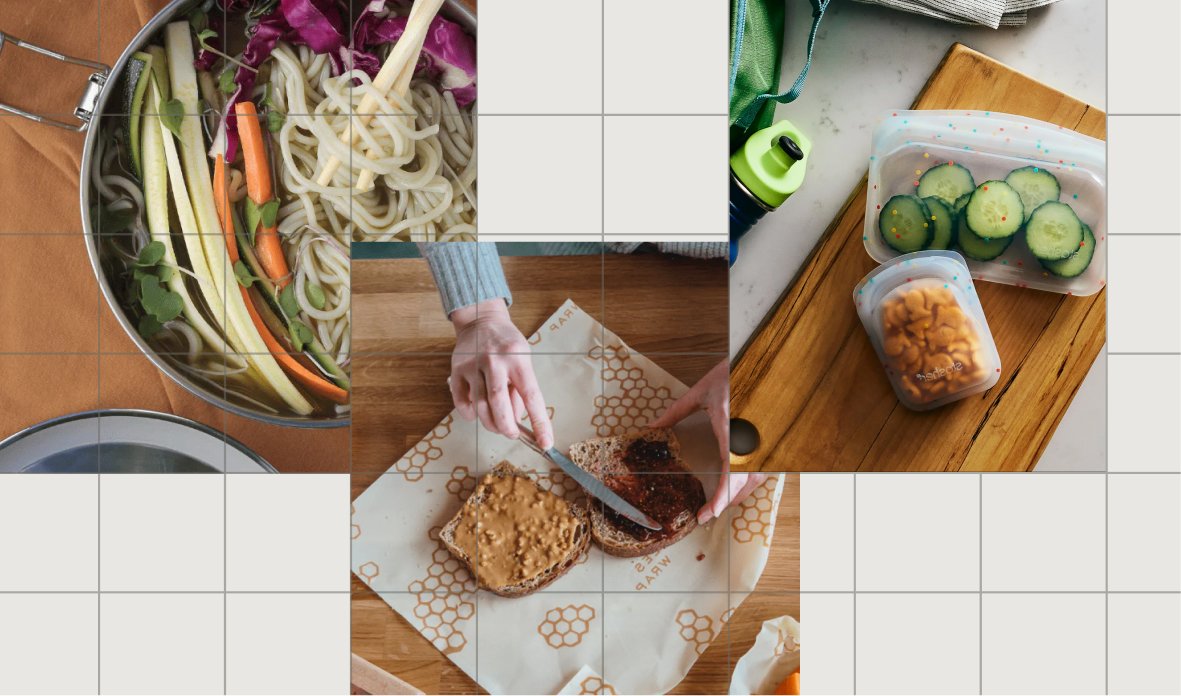
Are you tired of constantly buying plastic wrap that ends up in the trash after one use? Switching to reusable food wraps is easier than you think—and it can make a big difference for your kitchen and the planet.
Imagine keeping your food fresh without the waste, saving money, and feeling good about every meal you pack. You’ll discover simple steps to make the switch quickly and effortlessly. Ready to change the way you store food forever? Keep reading to find out how!
Benefits Of Reusable Food Wraps
Reusable food wraps are a smart choice for storing food. They help keep food fresh without using single-use plastic.
These wraps come in many materials like beeswax and silicone. They offer many benefits for you and the planet.
Reducing Plastic Waste
Reusable wraps cut down the need for plastic bags and cling film. They reduce the amount of plastic thrown away daily.
Using them lowers pollution and helps protect oceans and wildlife from plastic harm.
- Reusable wraps can be used many times
- They replace single-use plastics
- Less plastic waste means cleaner land and water
Saving Money Over Time
Reusable food wraps save money by lasting a long time. You buy them once and use them many times.
They reduce the need to buy plastic wraps often, cutting your kitchen costs.
- One wrap can last for months
- No need to buy plastic wrap repeatedly
- Less spending on disposable kitchen items
Health And Safety Advantages
Reusable wraps are often made from natural materials that are safe for food contact. They do not contain harmful chemicals found in some plastics.
They help keep food fresh and prevent contamination. You can wash them easily to keep them clean.
- Made from natural, food-safe materials
- Free from toxic chemicals like BPA
- Easy to clean and reuse safely
Types Of Reusable Wraps
Reusable food wraps help reduce waste from plastic bags and cling films. They come in several types, each with unique benefits.
Choosing the right wrap depends on your needs and preferences. Below are common types of reusable wraps you can try.
Beeswax Wraps
Beeswax wraps are cloth sheets coated with beeswax. They are slightly sticky and mold to containers or food.
These wraps are breathable, keeping food fresh longer. They are washable and can be reused many times.
- Made from cotton fabric and beeswax
- Lightly sticky to seal food
- Breathable for fresh fruits and vegetables
- Wash with cool water and mild soap
Silicone Covers
Silicone covers stretch to fit over bowls, cups, and containers. They create an airtight seal to keep food fresh.
These covers are flexible, durable, and dishwasher safe. They come in different sizes and shapes for various uses.
- Made of food-grade silicone
- Stretchable and reusable
- Easy to clean in dishwasher
- Ideal for bowls and containers
Fabric Wraps With Waterproof Layers
Fabric wraps with waterproof layers are cloth wraps with a thin plastic or wax lining. They protect food from moisture.
These wraps are soft and flexible. They are great for sandwiches, snacks, and covering plates.
- Made from cotton with waterproof lining
- Protects food from moisture and spills
- Washable and reusable
- Good for sandwiches and snacks
Choosing The Right Wraps
Reusable food wraps help cut waste and keep food fresh. Choosing the right wraps makes using them easy and effective.
Think about what you need before buying. This guide covers key points to help you pick the best wraps.
Material Considerations
Reusable wraps come in different materials. Each has pros and cons for use and care.
- Beeswax wraps:Natural and breathable, good for dry foods.
- Silicone wraps:Flexible and waterproof, great for liquids and leftovers.
- Cotton wraps with wax:Soft and easy to fold, suitable for sandwiches and snacks.
- Plant-based wraps:Eco-friendly and compostable, but may need special care.
Size And Shape Options
Wraps come in many sizes and shapes. Pick ones that fit your common food storage needs.
- Small wraps: Perfect for snacks and sandwiches.
- Medium wraps: Good for bowls and half-cut fruits.
- Large wraps: Fit big plates, cheese blocks, or bread loaves.
- Square or round shapes: Choose based on the containers or food shapes you use.
Durability And Maintenance
Durability depends on material and care. Knowing how to clean and store wraps helps them last longer.
- Beeswax wraps need gentle hand washing and air drying.
- Silicone wraps can often be washed in the dishwasher.
- Keep wraps away from heat sources to avoid damage.
- Inspect wraps regularly for wear and replace when needed.

Credit: www.amesfarm.com
Step-by-step Switching Process
Switching to reusable food wraps is easy and helps the environment. Follow these steps to make the change smooth and simple.
By planning and taking small steps, you can replace single-use wraps with eco-friendly options.
Assessing Current Usage
Check what types of wraps you use the most. Make a list of items you wrap often, like sandwiches or leftovers.
Notice how much wrap you use weekly. This helps you know how many reusable wraps to buy.
- Sandwiches for lunch
- Covering bowls
- Wrapping fruits and veggies
Gradual Replacement Strategy
Start replacing one type of wrap at a time. Buy a few reusable wraps and try them out.
Replace wraps slowly as you run out of the old ones. This approach is budget-friendly and less overwhelming.
- Begin with daily lunch wraps
- Switch to reusable bowl covers next
- Expand to all kitchen needs
Proper Cleaning And Care
Reusable wraps need proper care to last long. Wash them with mild soap and cold water.
Let them air dry before storing. Avoid using hot water or harsh chemicals, as they can damage the wraps.
- Rinse with cold water
- Use mild soap
- Air dry thoroughly
Tips For Using Reusable Wraps Effectively
Reusable food wraps are a great way to reduce waste. Using them well helps keep your food fresh longer.
These tips will help you use reusable wraps correctly. You will learn how to wrap, store, and care for them.
Wrapping Different Food Types
Some foods need a tight wrap, while others need air to stay fresh. Use wraps according to food type.
Wrap fruits and vegetables gently to avoid bruises. Wrap cheese and bread tightly to keep moisture in.
- Soft fruits: wrap loosely to prevent damage
- Cheese: wrap tightly to keep from drying out
- Bread: wrap to keep air out and freshness in
- Cut vegetables: wrap tightly to maintain crispness
Storing Wrapped Items
Store wrapped foods in the fridge or pantry depending on the type. Keep wraps clean and dry before use.
Use airtight containers if you want extra protection. Reusable wraps work well with many storage options.
- Fruits and vegetables: store in fridge or on counter
- Leftovers: keep in fridge wrapped tightly
- Dry foods: store in pantry wrapped or in containers
Extending Wrap Lifespan
Clean wraps after each use with cool water and mild soap. Avoid hot water or scrubbing hard.
Dry wraps completely before storing. Keep them away from heat and sharp objects to avoid damage.
- Wash with cool water and mild soap
- Air dry fully before storing
- Store in a cool, dry place
- Avoid sharp knives or rough surfaces

Credit: www.naturebeewraps.ca
Common Challenges And Solutions
Switching to reusable food wraps is a great step for the environment. Many people face some challenges when they start using them. Knowing these problems and how to fix them helps you keep using wraps easily.
This guide covers common issues like odors, stains, wear, and convenience. You will find simple ways to solve these problems.
Dealing With Odors And Stains
Reusable wraps can keep smells from strong foods. Sometimes, they also get stained by sauces or spices. This can make the wraps look or smell bad.
To stop odors and stains, clean wraps quickly after use. Use cool water and gentle soap. Avoid hot water because it can damage the wrap.
- Rinse wraps soon after use
- Use mild soap and cool water
- Air dry completely before storing
- Rub lemon juice to reduce odors
- Use baking soda paste on stains
Handling Wrap Wear And Tear
Reusable wraps can wear out after many uses. Edges may peel or the wax coating can thin. This makes wraps less sticky and less useful.
To make wraps last longer, avoid folding them tightly. Store them flat or loosely rolled. Do not use wraps on hot dishes or in microwaves.
- Fold wraps gently, do not crease hard
- Keep wraps away from heat sources
- Store in a dry, cool place
- Replace wraps if coating peels or cracks
Overcoming Convenience Barriers
Some people find reusable wraps less easy to use than plastic wrap. They may take more time or need special care. This can make switching feel hard.
Make reusable wraps part of your routine by planning ahead. Cut wraps to size before meals. Keep them near your kitchen tools for quick use.
- Prepare wraps in advance for meals
- Store wraps near where you pack food
- Practice folding and sealing wraps
- Use wraps for foods eaten soon to avoid extra cleaning
Incorporating Reusable Wraps Into Daily Life
Reusable food wraps help reduce waste in your kitchen. They are easy to use and clean.
Using these wraps daily saves money and protects the environment. Here are ways to add them to your routine.
Packing Lunches And Snacks
Reusable wraps keep sandwiches, fruits, and snacks fresh without plastic bags. They are flexible and fit different shapes.
You can fold or wrap your food quickly. Wash the wraps after use and they are ready for the next day.
- Wrap sandwiches or wraps tightly
- Cover cut fruits or vegetables
- Use small wraps for nuts or trail mix
- Keep snacks fresh and easy to carry
Using Wraps For Leftovers
Wrap leftovers directly with reusable wraps to keep food fresh. They work well for bowls and plates without lids.
These wraps cling to surfaces and create a seal. Store wrapped food in the fridge or freezer safely.
- Cover bowls or plates with wraps
- Wrap cut cheese or bread slices
- Seal fruits or vegetables after cutting
- Save leftovers without plastic wrap
Gifting And Sharing Ideas
Reusable wraps make thoughtful gifts for friends and family. They show care for the planet and health.
You can also share wraps during picnics or gatherings. This helps others try an eco-friendly option.
- Wrap homemade food gifts
- Include wraps in eco-friendly gift sets
- Give wraps to someone who loves cooking
- Share wraps at potlucks or picnics

Credit: ekvee.in
Frequently Asked Questions
What Are Reusable Food Wraps Made Of?
Reusable food wraps are typically made from organic cotton coated with beeswax, jojoba oil, and tree resin. These materials make the wraps flexible, breathable, and naturally antibacterial, preserving food freshness without plastic waste.
How Do Reusable Food Wraps Help The Environment?
They reduce single-use plastic waste by replacing cling films and plastic bags. Reusable wraps are biodegradable and compostable, lowering landfill contributions and minimizing pollution, which supports sustainable living.
Can Reusable Food Wraps Keep Food Fresh Longer?
Yes, beeswax wraps create a breathable seal that maintains moisture and prevents spoilage. They help keep fruits, vegetables, cheese, and bread fresh for several days compared to plastic wraps.
How Do You Clean Reusable Food Wraps Properly?
Clean wraps with cool water and mild soap. Avoid hot water or dishwashers to preserve wax coating. Let them air dry before reuse to maintain effectiveness and longevity.
Conclusion
Switching to reusable food wraps helps reduce waste every day. These wraps keep food fresh without harming the planet. They save money over time by lasting longer than plastic. Using them is simple and fits any lifestyle. Small changes like this add up to big benefits.
Start with one or two wraps and see the difference. Your kitchen and the Earth will thank you. Choose reusable wraps for a cleaner, greener future.