
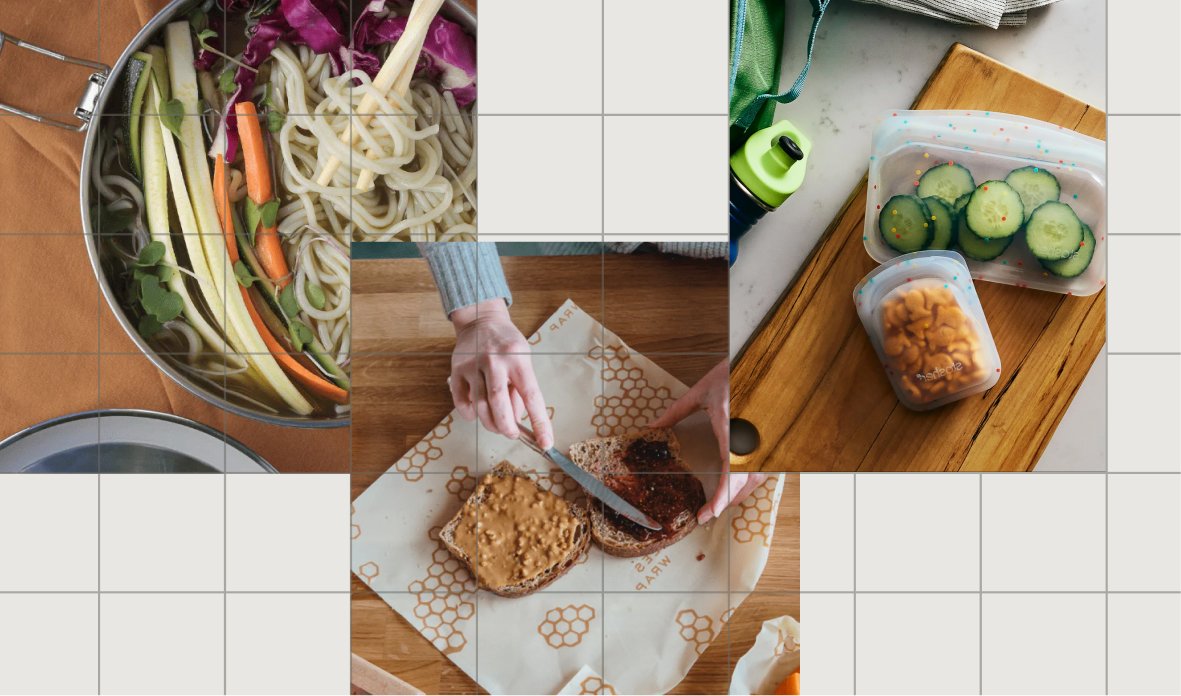
Are you tired of constantly throwing away plastic wrap that ends up in the trash? Switching to reusable food wraps is easier than you think, and it’s a simple change that can make a big difference for your wallet and the planet.
Imagine saving money, keeping your food fresh, and cutting down on waste—all with one small swap. You’ll discover practical tips to make the switch smoothly, how to care for your new wraps, and why this choice matters. Ready to take control of your kitchen and help the environment?
Let’s get started!

Credit: www.amesfarm.com
Benefits Of Reusable Wraps
Reusable food wraps are a smart choice. They are eco-friendly and practical for everyday use.
Switching to these wraps can bring many benefits to your life and the planet.
Environmental Impact
Reusable wraps help reduce waste. They replace single-use plastics, which take years to break down.
They are often made from natural materials like beeswax and cotton. This means less plastic ends up in oceans and landfills.
- Less plastic waste
- Biodegradable materials
- Cleaner oceans and landfills
Cost Savings
Using reusable wraps saves money over time. You buy them once, and they last for months.
This reduces the need to buy plastic wrap often. It is a smart investment for your kitchen.
- Long-lasting use
- Fewer purchases of plastic wraps
- Budget-friendly option
Health Advantages
Reusable wraps are safe for your food. They do not contain harmful chemicals like some plastics do.
They help keep your food fresh and free from contamination. This is important for your family’s health.
- No harmful chemicals
- Keeps food fresh
- Safe for daily use
Types Of Reusable Wraps
Reusable food wraps help reduce plastic waste. They come in different materials and styles.
Choosing the right wrap depends on your needs and preferences. Here are some common types.
Beeswax Wraps
Beeswax wraps are made from cotton coated with beeswax. They are natural and biodegradable.
These wraps stick slightly when warmed by your hands. They keep food fresh and allow breathing.
- Good for covering bowls and wrapping sandwiches
- Reusable for about a year with proper care
- Should be hand washed with cold water only
Silicone Wraps
Silicone wraps are flexible sheets made from food-grade silicone. They create airtight seals.
They are heat resistant and dishwasher safe. Silicone wraps are durable and easy to clean.
- Ideal for covering containers and wrapping fruits
- Can be used in the microwave and freezer
- Available in various sizes and shapes
Fabric Covers
Fabric covers are cloth wraps often lined with waterproof materials. They fit over bowls and jars.
These covers are washable and reusable. They come with elastic edges or drawstrings for a snug fit.
- Made from cotton, linen, or bamboo fabrics
- Can be machine washed and dried
- Good for storing leftovers and covering dishes
Choosing The Right Wrap
Switching to reusable food wraps helps reduce waste. Picking the right wrap makes it easier to use daily.
Consider the material, size, and cleaning process. These factors affect how well the wrap works for you.
Material Durability
Reusable wraps come in different materials like beeswax, silicone, and cotton. Each has its own strength.
Choose a durable material that lasts long and fits your needs. A strong wrap saves money over time.
- Beeswax wraps are flexible but need gentle care.
- Silicone wraps are tough and heat resistant.
- Cotton wraps are soft but less water-resistant.
Size And Shape Options
Food wraps come in many sizes and shapes. Pick sizes that fit your common food storage needs.
Having various shapes helps wrap different items easily. Look for wraps that cover small and large foods.
- Small wraps are good for snacks and sandwiches.
- Medium wraps fit bowls and containers.
- Large wraps cover big plates or trays.
- Square, rectangular, and round shapes offer more options.
Ease Of Cleaning
Cleaning reusable wraps is important to keep them safe and fresh. Some materials clean easier than others.
Choose wraps that match your cleaning habits. Some can be washed with soap and water, others need special care.
- Silicone wraps usually wash easily in warm soapy water.
- Beeswax wraps need gentle hand washing and air drying.
- Cotton wraps may be machine washable but dry slowly.

Credit: www.naturebeewraps.ca
Tips For Switching
Switching to reusable food wraps helps reduce plastic waste. It takes time to build new habits.
Use these tips to make the change easier and more effective.
Start Small
Begin with one or two reusable wraps. Use them for snacks or sandwiches first.
Practice cleaning and storing wraps properly. This helps you get used to their care.
Replace Single-use Plastics Gradually
Switch one type of plastic wrap at a time. For example, replace cling film before plastic bags.
- Use reusable wraps for lunch boxes
- Wrap fruits and vegetables in reusable wraps
- Cover bowls and containers with wraps instead of plastic lids
Slow changes help you avoid feeling overwhelmed. You will build good habits step by step.
Involve Family And Friends
Talk about reusable wraps with people you live with. Share why you want to switch.
- Show them how to use and clean wraps
- Encourage them to try wraps for their food
- Exchange tips and ideas for reducing plastic use
Working together makes it easier to keep new habits. It also helps spread good habits to others.
Using And Caring For Wraps
Reusable food wraps are a smart way to reduce waste. They help keep your food fresh without plastic.
To use them well, you need to know how to clean and store them. Proper care makes wraps last longer.
Cleaning Techniques
Clean wraps gently with cool water and mild soap. Avoid hot water to protect the wax or coating.
Use a soft cloth or sponge to remove food bits. Do not scrub hard or use strong cleaners.
- Rinse with cool water after washing
- Air dry completely before storing
- Do not put wraps in the dishwasher
Storage Tips
Store wraps in a cool, dry place away from sunlight. Heat can melt or damage the wrap coating.
Keep them flat or rolled loosely to avoid creases. Use a cloth bag or box for storage.
- Avoid folding wraps tightly
- Do not store near heat sources
- Keep away from sharp objects
Extending Lifespan
Use wraps for dry or semi-moist foods to keep them in good shape. Avoid wrapping raw meat or hot items.
Refresh wraps by warming slightly in your hands before use. This helps the wrap stick better.
- Do not use wraps with hot food
- Keep them clean and dry
- Handle wraps with care to prevent cracks

Credit: www.thereducereport.com
Common Challenges And Solutions
Switching to reusable food wraps can be a great way to reduce waste. Some challenges may come up with their use and care.
This guide covers common problems and easy fixes to help you use reusable wraps well.
Dealing With Stains And Odors
Reusable wraps can hold smells or get stained by strong foods. This may make them less fresh over time.
Cleaning wraps quickly after use stops stains and smells from settling in.
- Wash wraps with cold water and mild soap by hand.
- Air dry them fully before storing to avoid odors.
- Use lemon juice or vinegar to remove tough smells.
- Avoid strong detergents that can damage the wrap material.
Wraps Not Sealing Properly
Sometimes wraps may not stick or seal well around food. This can cause spills or less freshness.
Check the wrap’s edges and make sure you warm them slightly with your hands to help seal.
- Use clean, dry wraps for best stickiness.
- Press edges firmly to create a tight seal.
- Warm wraps with your hands to activate the natural seal.
- Replace wraps that lose their stickiness over time.
Handling Temperature Sensitivity
Reusable wraps can be sensitive to heat or cold. Using them outside their limits may cause damage.
Avoid using wraps in ovens or microwaves. They work best for room temperature or cold storage.
- Do not heat wraps over 110°F (43°C).
- Store food wrapped in them in the fridge or at room temperature.
- Do not use wraps to cover hot or steaming food directly.
- Check the product instructions for temperature limits.
Inspiring Eco-friendly Habits
Switching to reusable food wraps helps reduce waste and protect the planet. These wraps replace single-use plastic wrap and keep food fresh in a safe way.
Using reusable wraps is a simple step anyone can take to live greener. It encourages habits that help the environment every day.
Combining With Other Zero-waste Practices
Reusable food wraps work well with other zero-waste actions. Together, they reduce trash and save resources.
Try these ideas to build a zero-waste routine:
- Use cloth bags for shopping instead of plastic
- Bring a reusable water bottle to avoid disposable cups
- Buy food in bulk to cut down on packaging
- Compost food scraps to reduce landfill waste
Supporting Sustainable Brands
Choose reusable wraps from brands that care about the planet. Sustainable companies use eco-friendly materials and fair work practices.
Look for wraps made from organic cotton and beeswax or plant-based wax. These materials break down safely and last a long time.
- Check if the brand uses recycled or natural packaging
- Find out if workers are treated fairly
- Support local or small businesses when possible
Sharing Your Journey
Sharing your switch to reusable wraps inspires others. Talk about your experience with friends, family, or online.
Show how easy it is to use and care for these wraps. Your story can motivate others to try eco-friendly habits too.
- Post photos of your wrapped food and zero-waste tips
- Join local groups focused on sustainability
- Organize small events to share ideas and products
Frequently Asked Questions
What Are Reusable Food Wraps Made Of?
Reusable food wraps are typically made from organic cotton coated with beeswax, jojoba oil, and tree resin. These natural materials create a flexible, breathable, and washable wrap. They are eco-friendly alternatives to plastic wraps, helping reduce single-use plastic waste in kitchens.
How Do I Clean Reusable Food Wraps?
To clean reusable food wraps, gently wash them with cool water and mild soap. Avoid hot water as it can melt the wax coating. After washing, air dry the wraps completely before storing them to maintain their stickiness and prolong their lifespan.
Can Reusable Food Wraps Keep Food Fresh?
Yes, reusable food wraps help keep food fresh by creating a breathable seal. The beeswax coating allows air circulation, preventing moisture buildup. This helps fruits, vegetables, and sandwiches stay fresh longer compared to plastic wraps, reducing food waste effectively.
Are Reusable Food Wraps Safe For All Foods?
Reusable food wraps are safe for most foods like fruits, vegetables, bread, and cheese. However, they should not be used with raw meat or fish to avoid contamination. Always follow manufacturer guidelines for safe use and proper hygiene.
Conclusion
Switching to reusable food wraps helps reduce plastic waste. These wraps keep food fresh and save money. They are easy to clean and use again. Small changes lead to big environmental benefits. Choose wraps made from natural materials for safety.
Start with a few pieces and try them daily. Soon, using reusable wraps will feel natural. Help protect the planet, one wrap at a time. Simple steps create a cleaner, greener future for all.