

Are you tired of high energy bills and want to make your kitchen more efficient? Switching to energy-saving stovetops can be a simple change that saves you money and helps the environment.
Imagine cooking your favorite meals faster while using less power. This guide will show you how to make the switch easily and what benefits you can expect. Keep reading to discover practical tips that will transform your cooking experience and reduce your energy use.
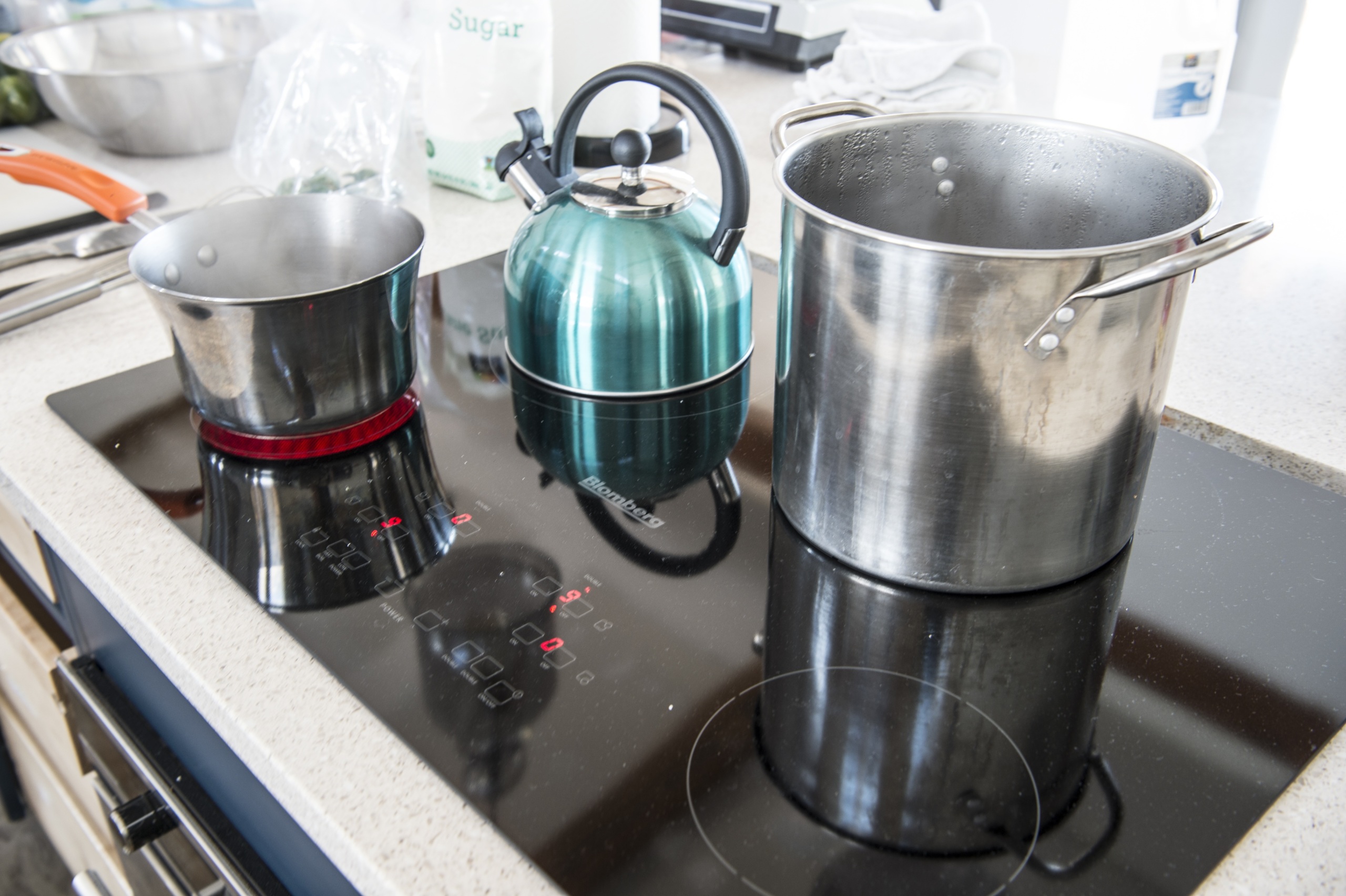
Credit: environmentamerica.org
Benefits Of Energy-saving Stovetops
Switching to energy-saving stovetops can save you money and help the planet. They are designed to use less energy and cook food efficiently.
These stovetops come with many benefits, making them a smart choice for your kitchen.
Lower Utility Bills
Energy-saving stovetops use less electricity or gas. This means your monthly bills will be lower. You can save a lot of money over time with these efficient appliances.
By reducing your energy consumption, you will notice a difference in your utility costs. The savings can add up quickly, leaving more money in your pocket.
Environmental Impact
Energy-saving stovetops are better for the environment. They use less energy, which reduces greenhouse gas emissions. This helps to fight climate change.
Choosing energy-efficient appliances helps protect our planet. It reduces your carbon footprint and conserves natural resources.
Improved Cooking Efficiency
These stovetops cook food faster and more evenly. They help you prepare meals quicker, saving you time in the kitchen.
With improved heat distribution, you can enjoy better cooking results. Your dishes will be cooked to perfection every time.
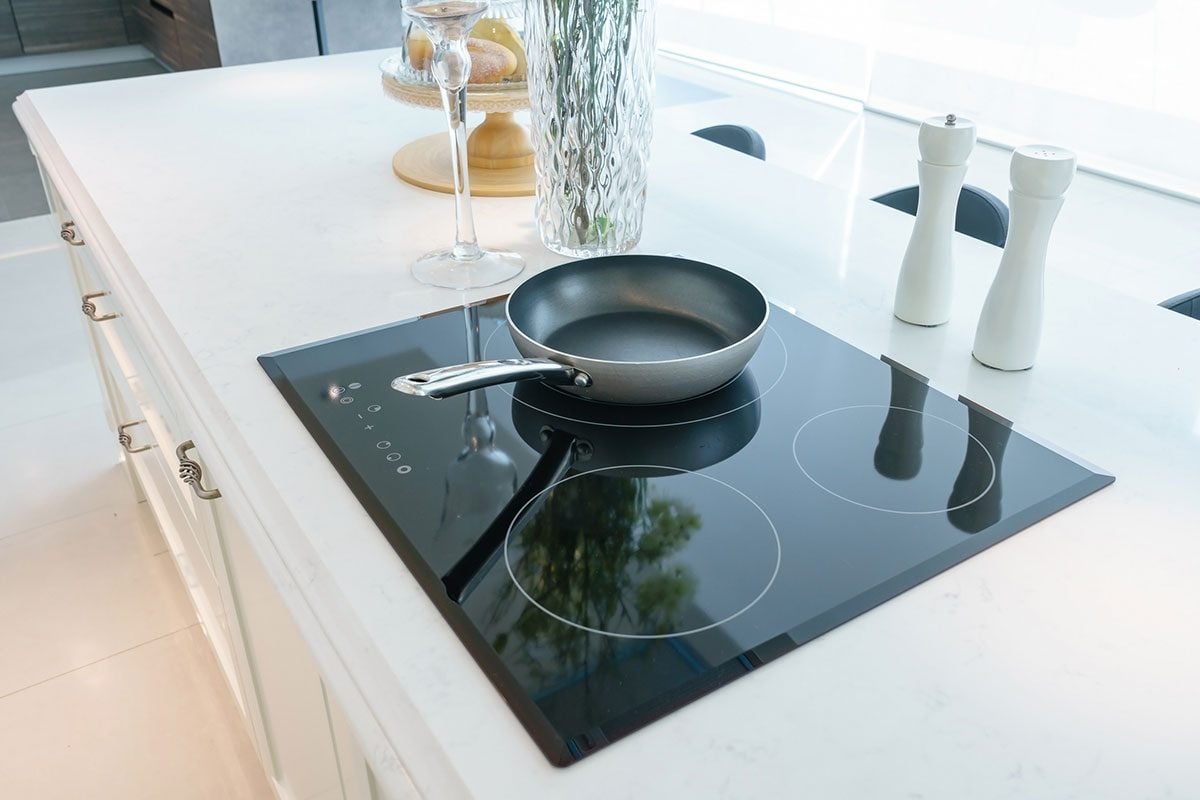
Credit: www.familyhandyman.com
Types Of Energy-saving Stovetops
Saving energy in the kitchen helps reduce electricity bills and protect the environment. Choosing the right stovetop can make a big difference. There are several types of energy-saving stovetops available today.
This guide explains three common types: induction cooktops, ceramic glass stoves, and gas stovetops with efficiency features. Each type uses energy differently to cook food more efficiently.
Induction Cooktops
Induction cooktops use magnetic fields to heat pots and pans directly. They heat food faster than traditional stoves. This reduces wasted heat and saves energy.
These cooktops only work with cookware made of magnetic materials. They keep the cooking surface cool, which adds safety and reduces heat loss.
- Heat transfers directly to the pot
- Surface stays cooler and safer
- Fast heating saves time and energy
- Requires magnetic cookware
Ceramic Glass Stoves
Ceramic glass stoves have smooth tops made from heat-resistant glass. They use electric heating elements under the glass to cook food. These stoves provide even heat distribution.
They are easier to clean because of the flat surface. Ceramic glass stoves use less energy than coil electric stoves, but more than induction cooktops.
- Sleek and easy to clean surface
- Even heat spreads across cookware
- Uses less energy than coil stoves
- Slower to heat than induction
Gas Stovetops With Efficiency Features
Gas stovetops use natural gas or propane for cooking. Some newer models have features to save energy. These features include better burners and flame control.
Efficient gas stovetops reduce wasted heat by directing flames under pots. They also allow precise temperature adjustment for cooking.
- Improved burner design for less heat loss
- Precise flame control for better cooking
- Works with all types of cookware
- Uses natural gas or propane fuel
Choosing The Right Energy-saving Stove
Switching to an energy-saving stovetop can lower your energy bills. It also helps reduce your home’s carbon footprint.
Picking the right stove means thinking about your cooking style and budget. This guide will help you choose the best option.
Assessing Your Cooking Needs
Look at how you cook daily. Do you use many burners or just one? Do you cook fast meals or slow stews?
Some stoves heat faster and use less energy. Others give more control for different cooking types.
- Count the burners you use most
- Think about the types of dishes you cook
- Decide if you need quick heating or steady heat
Comparing Energy Ratings
Energy ratings show how efficient a stove is. Look for models with high ratings to save more power.
Check labels that show yearly energy use. Lower numbers mean less electricity or gas use.
| Energy Rating | Energy Use | Cost Impact |
|---|---|---|
| A++ | Very low | Lowest bills |
| A+ | Low | Low bills |
| B | Moderate | Average bills |
| C or below | High | Higher bills |
Budget Considerations
Energy-saving stoves can cost more upfront. Think about how much you can spend now and later.
Cheaper models may use more energy over time. Spending more now may save money later.
- Set a price range before shopping
- Compare long-term energy savings
- Look for warranty and service options
Installation And Setup Tips
Switching to energy-saving stovetops can lower your energy bills. It also helps protect the environment.
Proper installation and setup make sure your new stovetop works well and stays safe.
Professional Vs. Diy Installation
Professional installation means hiring experts to set up your stovetop. They have tools and training.
DIY installation lets you do the work yourself. It can save money but needs careful attention.
- Professionals ensure correct wiring and gas connections
- DIY saves cost but risks mistakes without experience
- Check local laws for required professional work
- Follow the stovetop manual closely if doing DIY
Optimizing Kitchen Layout
Place your stovetop in a spot with enough space around it. This helps cooking and safety.
Keep counters clear nearby to hold pots and utensils. Make sure the stovetop is easy to reach.
- Leave at least 12 inches free space on each side
- Keep flammable items away from the stovetop
- Ensure good lighting above the cooking area
- Plan for ventilation to remove cooking fumes
Safety Precautions
Follow safety rules to avoid accidents with your new stovetop. Check for gas leaks or electrical issues.
Turn off power and gas before installation. Use proper tools and protective gear during setup.
- Test for gas leaks after connecting
- Keep children away during installation
- Do not block stovetop vents
- Use correct circuit breakers for electric stovetops
Maximizing Savings With Your New Stovetop
Switching to an energy-saving stovetop can lower your electricity bills. You can save more by using your new stovetop smartly.
Learning how to cook efficiently, care for your stovetop, and use the right cookware helps reduce energy waste.
Cooking Techniques For Efficiency
Use cooking methods that save energy and time. Cover pots with lids to keep heat inside.
Start cooking with hot water instead of cold. Use the right heat level for each dish.
- Cook multiple items together to save time
- Use pressure cookers for fast cooking
- Turn off the stove early and let food finish cooking
- Match pot size to burner size to avoid heat loss
Maintenance And Care
Keep your stovetop clean to keep it working well. Dirt and spills reduce energy efficiency.
Check your stovetop regularly for damage. Fix small problems quickly to avoid bigger issues.
- Clean spills right after cooking
- Use soft cloths and mild cleaners
- Inspect burners and heating elements monthly
- Replace worn parts as needed
Using Compatible Cookware
Choose pots and pans that work well with your stovetop. This helps heat transfer better and saves energy.
Flat-bottomed cookware fits the burner better. Materials like stainless steel or cast iron hold heat well.
- Use cookware that matches burner size
- Avoid warped or damaged pans
- Choose materials with good heat conduction
- Use lids to keep heat inside
Common Challenges And Solutions
Switching to energy-saving stovetops can save energy and reduce bills. Some challenges may appear during this change.
Knowing the common issues helps you solve them quickly. This guide covers key challenges and easy solutions.
Adjusting To New Cooking Styles
Energy-saving stovetops may cook differently than old ones. You might need to change how you cook your meals.
Learning how to use different heat levels and cookware helps. It takes time but improves your cooking results.
- Use flat-bottom pans for better heat contact
- Lower heat settings to avoid burning food
- Try different cooking times for each dish
- Be patient when food cooks slower at first
Troubleshooting Performance Issues
New stovetops may have performance issues like uneven heating or slow response. Check common causes to fix them.
Proper cleaning and correct cookware improve performance. If problems continue, read the manual or ask for help.
- Clean stovetop surface regularly
- Use cookware that fits the stove size
- Avoid using damaged or warped pans
- Check power connection and settings
- Restart the stove if it becomes unresponsive
Handling Initial Costs
Energy-saving stovetops can cost more at first. This may stop some people from buying them.
Think about long-term savings on energy bills. Some programs offer discounts or rebates to lower costs.
- Compare prices before buying
- Look for energy rebates or discounts
- Calculate savings on energy bills over time
- Consider financing options if available
Additional Tips To Reduce Kitchen Energy Use
Saving energy in the kitchen helps lower bills and protect the environment. Small changes can make a big difference over time.
Using energy-saving stovetops is a good start. You can also adopt habits and tools that cut down on energy use.
Using Timers And Smart Controls
Timers help you cook food without wasting power. You can set them to turn off your stovetop after cooking.
Smart controls connect your stovetop to apps or voice devices. This way, you control cooking times easily and avoid overuse.
- Set timers to avoid leaving the stove on too long
- Use smart plugs to monitor energy use
- Control stovetop heat remotely for better management
Complementary Appliances
Choose appliances that work well with your energy-saving stovetop. Some tools use less power and help cook faster.
Using microwave ovens or slow cookers can reduce stovetop use. These appliances often use less energy for some meals.
- Microwaves heat food quickly and use less power
- Slow cookers use low energy over longer times
- Pressure cookers reduce cooking time and save energy
Energy-saving Habits
Simple habits help lower kitchen energy use. These do not cost money but save energy every day.
Examples include cooking with lids on pots and turning off heat early. These small actions keep food warm and save power.
- Use lids to trap heat and cook faster
- Turn off stovetop a few minutes before food is done
- Cook larger meals to reheat and save energy later
- Match pot size to burner size for better heat use

Credit: karinearappliances.com
Frequently Asked Questions
What Are The Benefits Of Energy-saving Stovetops?
Energy-saving stovetops reduce electricity use and lower utility bills. They cook food faster and maintain consistent heat. These stovetops also produce less heat, keeping kitchens cooler and safer. Using them supports environmental sustainability by reducing carbon footprints.
How Do I Choose The Best Energy-efficient Stovetop?
Look for stovetops with Energy Star certification for efficiency. Consider induction models, as they use less energy. Check for features like precise temperature control and quick heating. Read reviews and compare energy consumption before purchasing.
Can I Switch To Energy-saving Stovetops In Any Kitchen?
Yes, most kitchens can accommodate energy-saving stovetops. Ensure your kitchen wiring supports the model’s power needs. Induction stovetops require compatible cookware. Consulting a professional can help ensure a smooth installation.
Are Induction Stovetops More Energy-efficient Than Gas?
Induction stovetops are generally more energy-efficient than gas. They heat cookware directly, minimizing heat loss. Gas stovetops waste energy by heating surrounding air. Induction models also offer precise temperature control and faster cooking times.
Conclusion
Switching to energy-saving stovetops helps save money and energy. It also reduces your home’s carbon footprint. Choosing the right stovetop is simple with a little research. Small changes in the kitchen create big differences over time. Start with easy steps and enjoy cooking more efficiently.
Your wallet and the planet will thank you. Making smart choices today leads to a greener tomorrow. Why wait? Begin your energy-saving journey now.