
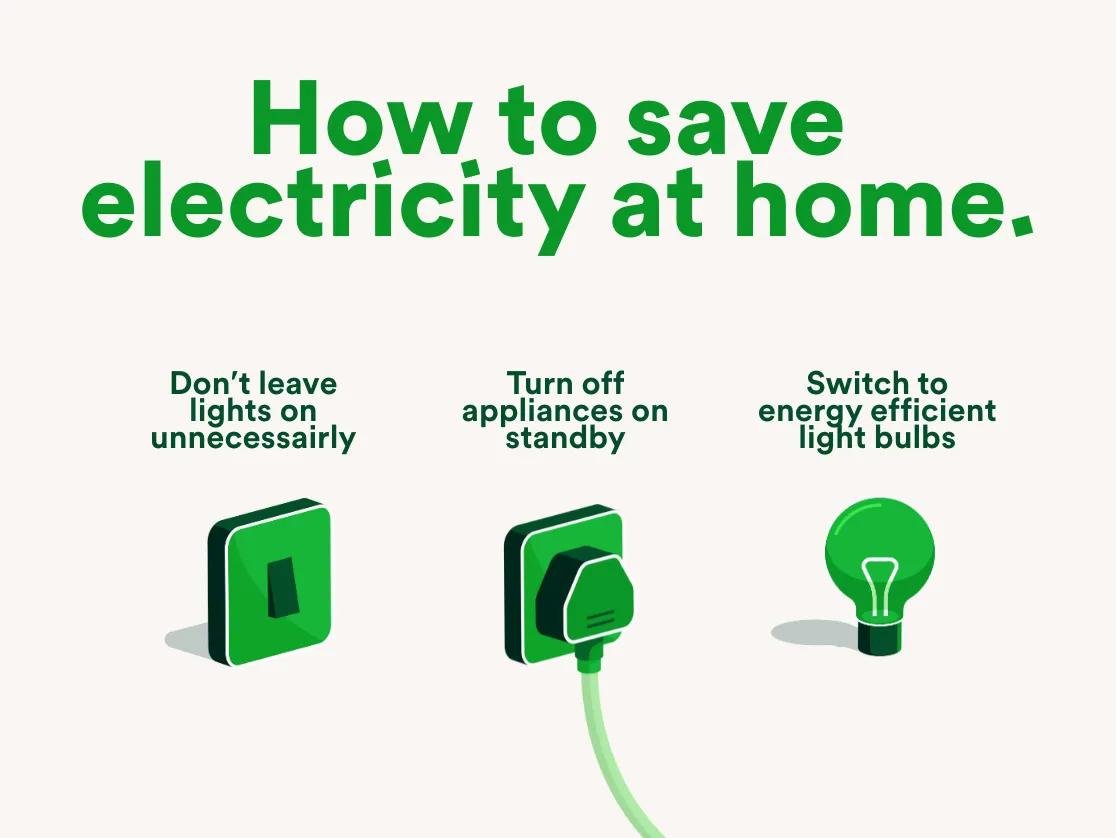
Are you tired of high electricity bills and want to make a simple change that saves you money? Switching to energy-saving appliances can be the key.
These devices use less power, help protect the environment, and keep your home running efficiently. But where do you start? This guide will show you exactly how to choose and switch to energy-saving appliances without any hassle. Keep reading to discover easy steps that put you in control of your energy use and your savings.
Benefits Of Energy-saving Appliances
Switching to energy-saving appliances can make a big difference in your home. They help you save money and protect the planet.
These appliances use less energy, making your home more comfortable and efficient.
Lower Energy Bills
Energy-saving appliances use less electricity than older models. This means you spend less money on your energy bills each month.
By reducing energy use, these appliances help you keep more money in your pocket.
- Use less power
- Decrease monthly bills
- Save money over time
Reduced Environmental Impact
Energy-saving appliances help reduce the amount of pollution in the air. They use less electricity, so power plants burn fewer fossil fuels.
This leads to cleaner air and a healthier planet for everyone.
| Less energy consumption |
| Fewer greenhouse gases |
| Cleaner environment |
Improved Home Comfort
Modern energy-saving appliances often work better than older ones. They keep your home at the right temperature and make less noise.
This makes your home more comfortable and enjoyable to live in.
Credit: kenson.co.tt
Choosing The Right Appliances
Switching to energy-saving appliances helps reduce your electricity bills. It also lowers your home’s environmental impact.
Choosing the right appliance is important. You want one that saves energy and fits your needs.
Check Energy Efficiency Ratings
Energy efficiency ratings show how much power an appliance uses. Look for appliances with high ratings to save energy.
Labels like ENERGY STAR help identify efficient products. These appliances use less electricity than standard models.
- Look for ENERGY STAR or similar labels
- Check the EnergyGuide label for estimated yearly energy use
- Choose models with lower energy consumption
Compare Features And Costs
Compare the features of different appliances before buying. Make sure the appliance meets your needs without extra costs.
Sometimes, cheaper models cost more to run. Look at both the price and energy use to find the best option.
- Check size and capacity to match your needs
- Compare energy use and purchase price
- Consider long-term savings, not just upfront cost
Look For Rebates And Incentives
Many local programs offer rebates for buying energy-saving appliances. These can lower your purchase price.
Check with your utility company or government websites. Find programs that support energy-efficient choices.
- Search for rebates from utility providers
- Look for tax credits or government incentives
- Apply early as some programs have limits
Replacing Old Appliances
Old appliances use more energy than new ones. Replacing them helps save electricity.
Choosing energy-saving appliances lowers bills and protects the environment.
Identify High-energy Users
Some appliances use more energy than others. Find out which ones cost the most.
Check devices like refrigerators, water heaters, and air conditioners first.
- Look at energy labels on appliances
- Use an energy monitor to track usage
- Consider replacing old, inefficient devices
Proper Disposal And Recycling
Throwing old appliances in the trash harms the environment. Dispose of them properly.
Many places offer recycling programs for old appliances. Use these services to recycle parts.
- Find local recycling centers
- Schedule pickup for large appliances
- Donate working appliances to charity
Timing Your Upgrades
Replace appliances when they break or become costly to fix. Don’t wait too long.
Upgrade during sales or energy rebate periods to save money.
- Plan upgrades during off-season sales
- Check for energy rebates and discounts
- Replace multiple appliances together for efficiency
Credit: greenly.earth
Maintaining Energy Efficiency
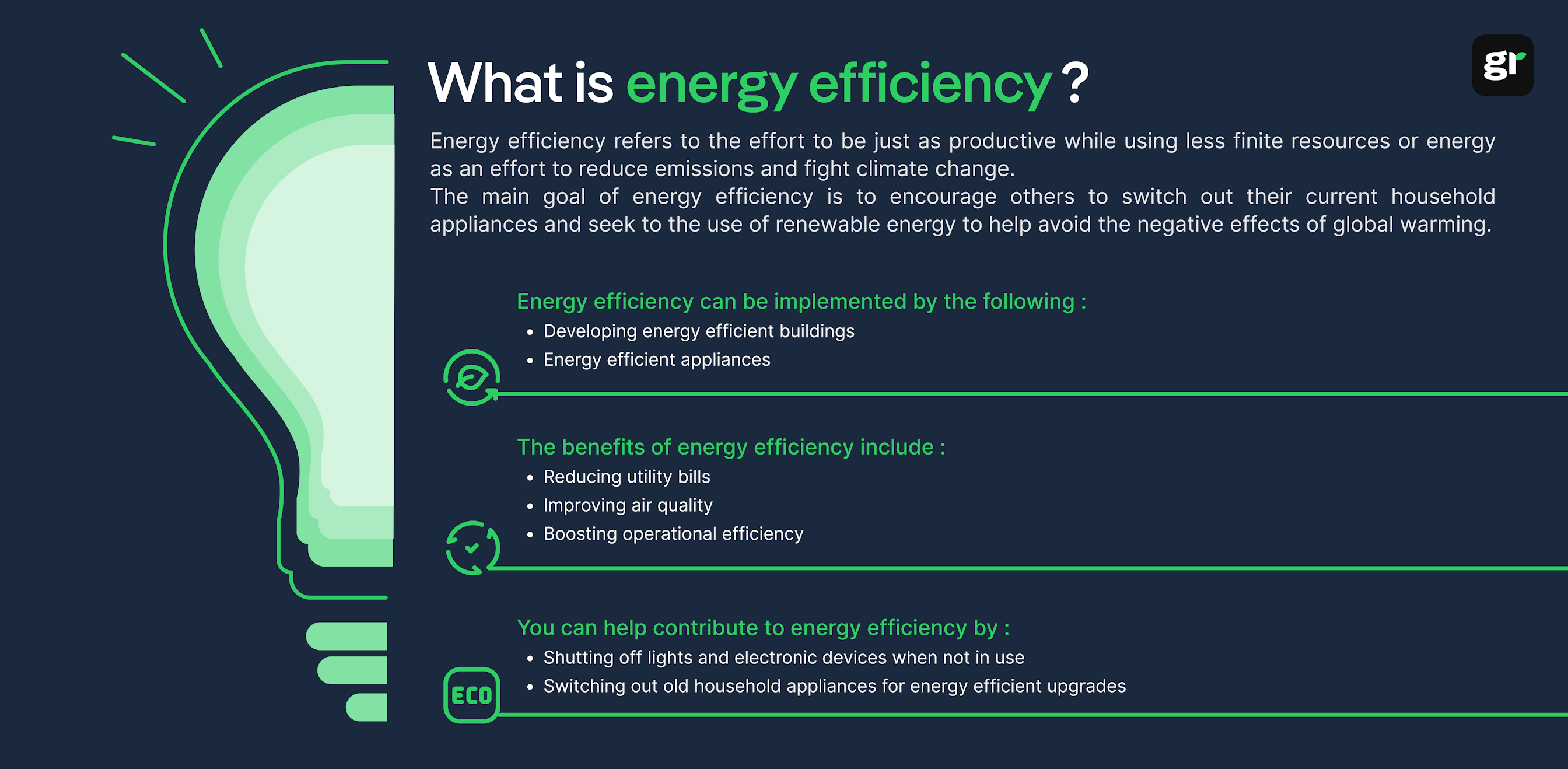
Switching to energy-saving appliances helps lower electricity use. Keeping these appliances efficient saves more energy over time.
Simple habits and regular care keep your appliances working well. This reduces waste and cuts energy bills.
Regular Cleaning And Servicing
Clean appliances work better and use less power. Dust and dirt can block parts and make machines work harder.
Check filters, vents, and coils often. Schedule service for repairs and tune-ups to keep appliances efficient.
- Clean refrigerator coils every 6 months
- Clear dryer vents to improve airflow
- Replace or clean air filters monthly
- Service heating and cooling systems yearly
Smart Usage Habits
Use appliances only when needed. Avoid running full loads in washers and dishwashers.
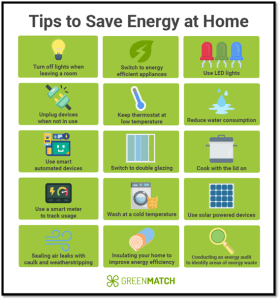
Turn off devices when not in use. Unplug chargers and electronics to stop phantom energy use.
- Run washing machines with full loads
- Use energy-saving modes if available
- Switch off lights and appliances after use
- Unplug devices that are not in use
Upgrading Settings And Controls
Adjust appliance settings for lower energy use. Many devices have eco-friendly or energy-saving modes.
Use timers and smart plugs to control appliance run times. This prevents unnecessary power use.
- Set refrigerators to 35-38°F (2-3°C)
- Use eco or energy-saving modes
- Install timers on water heaters and lights
- Use smart plugs to schedule device use
Additional Tips To Save Energy
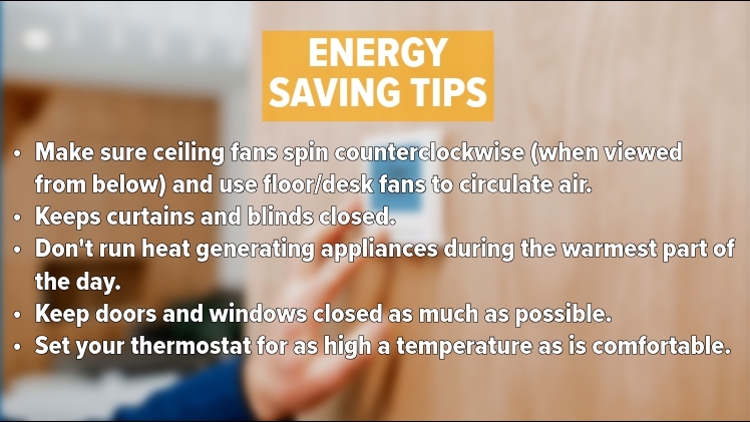
Switching to energy-saving appliances helps reduce electricity use. You can save even more energy with simple actions.
Small changes in how you use appliances make a big difference. Try these extra tips to save energy at home.
Use Power Strips
Many devices use power even when turned off. Plugging them into power strips can stop this waste.
Turn off the whole power strip to cut power completely. This saves energy and lowers your bills.
- Group devices like TVs and chargers on one strip
- Switch off strips when devices are not in use
- Use smart power strips for automatic control
Optimize Appliance Placement
Where you place appliances affects how hard they work. Keep them away from heat sources to save energy.
Good airflow around appliances helps them run efficiently. Avoid placing refrigerators or air conditioners in direct sunlight.
- Leave space behind refrigerators for ventilation
- Place air conditioners where cool air circulates well
- Keep appliances away from ovens or heaters
Combine Energy-saving Technologies
Use appliances that work well with energy-saving tools. Combining these helps cut energy use even more.
For example, pair LED bulbs with smart timers. This stops lights from being on when not needed.
- Use smart thermostats with energy-efficient heaters
- Pair solar panels with energy-saving appliances
- Install motion sensors to control lighting automatically
Credit: www.rocketcitynow.com
Frequently Asked Questions
What Are Energy-saving Appliances?
Energy-saving appliances use less electricity than standard models. They reduce your utility bills and environmental impact. Look for the ENERGY STAR label when buying these efficient devices.
How Do I Start Switching To Energy-saving Appliances?
Begin by assessing your current appliances’ energy use. Replace the oldest, least efficient ones first. Prioritize high-energy devices like refrigerators, washers, and air conditioners.
Are Energy-saving Appliances More Expensive Initially?
Yes, they often cost more upfront but save money long-term. Lower energy bills and possible rebates offset the initial price difference over time.
Can Energy-saving Appliances Improve Home Comfort?
Absolutely. They operate more efficiently, producing less heat and noise. This creates a more comfortable living environment while lowering energy costs.
Conclusion
Switching to energy-saving appliances saves money and helps the environment. Choose products with good energy ratings and use them wisely. Small changes add up to big savings over time. Enjoy lower bills and a cleaner planet. Start today and feel the difference in your home.
Energy-saving habits become easy with practice. Make the switch and see the benefits soon.