
Are you tired of high electricity bills and a fridge that just doesn’t keep up? Switching to an energy-efficient refrigerator can save you money and help the environment at the same time.
But how do you make the switch without getting overwhelmed? This guide will walk you through simple, practical steps to find the perfect fridge for your home. By the end, you’ll feel confident about making a smart choice that benefits both your wallet and the planet.
Keep reading to discover how easy it is to upgrade your kitchen and start saving today.
Credit: www.tataneu.com
Benefits Of Energy-efficient Refrigerators
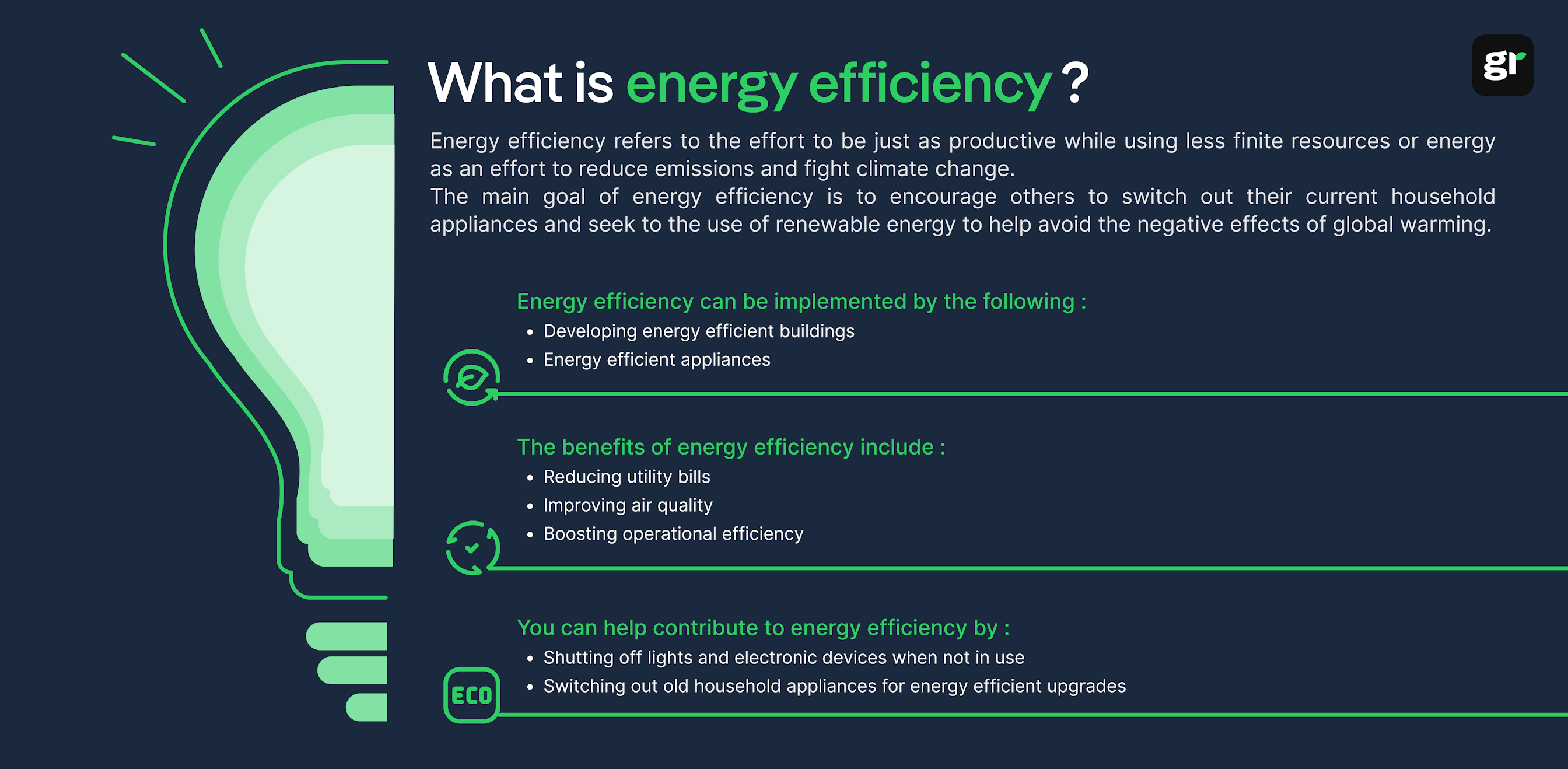
Switching to energy-efficient refrigerators can save money and help the planet. These modern appliances offer many benefits for households.
Learn how lower energy bills and improved features can make a difference. Discover why energy-efficient models are a smart choice.
Lower Energy Bills
Energy-efficient refrigerators use less electricity than older models. This results in lower monthly utility bills.
Families can save a lot of money each year with energy-efficient appliances. These savings make them a wise investment.
Reduced Environmental Impact
These refrigerators produce fewer greenhouse gases. They help reduce the carbon footprint of households.
Using less energy also means that fewer natural resources are needed. This helps protect the environment for future generations.
Improved Performance And Features
Energy-efficient refrigerators often come with modern features. These include better cooling technology and more storage options.
Many models have smart technology, like touch screens or alerts. These features make life easier and more convenient.
- Adjustable shelves for flexible storage
- LED lighting for better visibility
- Quiet operation for a peaceful home
Credit: greenly.earth
Key Features To Look For
Choosing an energy-efficient refrigerator saves money and helps the environment. Look for features that reduce energy use without losing performance.
This guide explains three key features to check when switching to an energy-efficient fridge.
Energy Star Certification
Energy Star certification means the refrigerator meets strict energy-saving rules. It uses less electricity than regular models.
These fridges help lower your electric bill and reduce greenhouse gas emissions.
- Consumes less power
- Meets government energy standards
- Often lasts longer due to better design
Inverter Technology
Inverter technology adjusts the compressor speed to save energy. It runs only as fast as needed to keep the fridge cold.
This makes the fridge quieter and uses less electricity than standard compressors.
- Reduces power consumption
- Maintains stable temperature
- Extends compressor life
Smart Temperature Control
Smart temperature control keeps the fridge at the right coolness. Sensors adjust the temperature based on food inside and door openings.
This feature prevents energy waste and keeps food fresh longer.
- Automatically adjusts cooling levels
- Reduces energy use during low activity
- Improves food preservation
Choosing The Right Size And Style
Switching to an energy-efficient refrigerator saves power and reduces bills. Picking the right size and style helps you get the most benefits.
Consider your household needs and kitchen space carefully before buying. This guide covers key points for smart choices.
Matching Capacity To Household Needs
Choose a refrigerator size that fits your family size. Bigger families need larger capacity to store more food.
Smaller households can save energy with compact models. Avoid buying too large a fridge to reduce waste.
- 1-2 people: 4-8 cubic feet
- 3-4 people: 10-16 cubic feet
- 5+ people: 18-25+ cubic feet
Top Freezer Vs. Bottom Freezer Vs. Side-by-side
Top freezer models are common and use less energy. They offer easy access to frozen foods.
Bottom freezers keep fresh food at eye level. These models may use more energy but are easier to organize.
Side-by-side refrigerators split freezer and fridge vertically. They fit narrow spaces but can use more power.
- Top freezer:Energy-efficient, affordable, classic design
- Bottom freezer:Easy fresh food access, may use more energy
- Side-by-side:Space-saving width, higher energy use
Considerations For Kitchen Space
Measure your kitchen area before choosing a fridge. Make sure doors can open fully without blocking pathways.
Check if there is enough clearance for ventilation. Proper airflow helps refrigerators run efficiently.
- Allow 1-2 inches space on sides and back
- Make sure door swings fit your kitchen layout
- Consider placement near heat sources to save energy
Cost And Savings Breakdown
Switching to energy-efficient refrigerators helps save money over time. It reduces electricity bills and benefits the environment.
Understanding the costs and savings can guide your choice. We explain key points to consider before buying.
Initial Purchase Price Vs. Long-term Savings
Energy-efficient refrigerators often cost more upfront. This higher price covers better technology and materials.
Lower energy use means you pay less on electricity bills each month. Savings add up over the years.
- Standard models cost less but use more electricity
- Energy-efficient models cost more but save energy
- Savings depend on your electricity rates and fridge use
Government Rebates And Incentives
Many governments offer rebates for buying energy-efficient appliances. These lower the initial purchase cost.
Check local programs to see available incentives. They can include cash back or tax credits.
- Rebates reduce the price you pay
- Some areas offer special financing options
- Incentives encourage energy saving
Calculating Payback Period
The payback period shows how long to recover extra costs. It compares extra price with yearly energy savings.
Shorter payback periods mean quicker savings. Use this formula to estimate it:
| Formula | Explanation |
|---|---|
| Payback Period = Extra Cost ÷ Annual Savings | Extra Cost is the price difference between models |
| Annual Savings is the money saved on electricity each year |
Installation And Maintenance Tips
Switching to an energy-efficient refrigerator can save electricity and reduce bills. Proper installation and care keep it working well for a long time.
Simple steps like placing it right, cleaning often, and fixing small problems help the fridge stay efficient and last longer.
Proper Placement For Efficiency
Put your refrigerator in a cool, dry place away from heat sources. This helps it use less energy to stay cold.
Leave some space around the fridge for air to flow. Good airflow stops overheating and keeps the motor working well.
- Keep it away from ovens, heaters, and direct sunlight
- Allow at least 2 inches of space on the sides and back
- Place it on a flat, stable surface
- Do not block the vents or coils
Regular Cleaning And Upkeep
Clean the fridge inside and out to keep it fresh and efficient. Dirt and dust can make it work harder and waste energy.
Check and clean the coils and door seals every few months. This helps the fridge keep cold air inside.
- Wipe spills and crumbs inside the fridge
- Vacuum or brush dust from coils at the back or underneath
- Clean door seals with warm, soapy water
- Defrost the freezer if ice builds up
Troubleshooting Common Issues
If the fridge is not cooling well, check the temperature settings first. The ideal temperature is between 37°F and 40°F.
Listen for strange noises or look for leaks. These signs may need a technician’s help or simple fixes you can do yourself.
- Adjust thermostat if too warm or too cold
- Make sure the door closes tightly and seals well
- Clear blocked vents inside the fridge
- Clean the drip pan to avoid odors and leaks
Recycling And Disposal Of Old Refrigerators
Switching to an energy-efficient refrigerator helps save energy and money. It also means you need to handle your old refrigerator carefully. Proper recycling and disposal protect the environment and keep harmful materials out of landfills.
Old refrigerators contain parts that can be dangerous if not disposed of correctly. This includes refrigerants and metals. Learning safe ways to get rid of your old fridge is important for health and safety.
Safe Disposal Methods
Old refrigerators must be disposed of safely to avoid harming people and nature. Many places have rules about how to throw away appliances with refrigerants. Use authorized services to remove and recycle your fridge.
Never throw your old refrigerator in the trash. The refrigerants inside can damage the ozone layer. Instead, contact local waste management or recycling centers that follow safety rules.
- Use certified appliance recyclers
- Schedule a pick-up with local waste services
- Remove all food and clean the fridge before disposal
- Make sure refrigerants are safely extracted
Trade-in Programs
Many stores and manufacturers offer trade-in programs for old refrigerators. These programs help you get a discount on a new energy-efficient model. They also ensure your old fridge is recycled properly.
Trade-in programs are easy and convenient. You bring your old fridge to the store or arrange for a pick-up. The company then handles the safe disposal or recycling of your old appliance.
- Check if your retailer offers trade-in discounts
- Ask about pick-up or drop-off options
- Confirm that the old fridge will be recycled
- Use trade-in programs to reduce waste
Environmental Considerations
Old refrigerators have chemicals that can harm the air and water. Proper recycling keeps these chemicals from leaking. It also allows valuable metals and parts to be reused.
By recycling your old fridge, you help reduce pollution and save natural resources. Energy-efficient refrigerators use less power, which lowers greenhouse gas emissions. This helps protect the planet for future generations.
- Prevent release of harmful refrigerants
- Recycle metals and plastics from old fridges
- Reduce energy use with new, efficient models
- Support programs that follow environmental laws
Credit: www.tataneu.com
Frequently Asked Questions
What Are Energy-efficient Refrigerators?
Energy-efficient refrigerators use advanced technology to reduce electricity consumption. They help save money and minimize environmental impact. Look for ENERGY STAR labels when choosing one.
How Much Can I Save With Energy-efficient Refrigerators?
Energy-efficient models can save up to 30-50% on electricity bills. Savings vary based on usage and local energy rates. Investing in these appliances reduces long-term energy costs.
What Features Make Refrigerators Energy-efficient?
Key features include improved insulation, efficient compressors, LED lighting, and smart temperature controls. These enhance cooling while using less power, ensuring optimal energy use.
Are Energy-efficient Refrigerators More Expensive Upfront?
They may cost more initially but offer significant savings over time. Lower energy bills and longer lifespan offset higher purchase prices, making them cost-effective investments.
Conclusion
Switching to an energy-efficient refrigerator saves money and helps the planet. It uses less electricity but keeps your food fresh. Choose a model with good energy ratings and the right size. Check features that suit your needs and budget. Proper installation and maintenance improve efficiency too.
Small changes make a big difference over time. Start your switch today for a greener home and lower bills. Simple steps lead to better energy use and comfort.