
Are you ready to save money and cook smarter? Switching to an energy-efficient oven can cut your electricity bills and help the environment—all while making your kitchen more modern and convenient.
But where do you start? This guide will walk you through simple steps to choose the right oven for your needs and make the switch easy and stress-free. Keep reading to discover how you can enjoy better cooking results and lower energy costs, starting today.
Benefits Of Energy-efficient Ovens
Energy-efficient ovens are a smart choice for your kitchen. They save energy and offer better cooking results.
Switching to these ovens brings multiple benefits. Let’s explore them.
Lower Energy Bills
Energy-efficient ovens use less power. This reduces your monthly electricity bills.
Even small savings add up over time. They make a big difference in your budget.
- Uses less electricity
- Decreases monthly bills
- Long-term savings
Reduced Environmental Impact
These ovens are better for the planet. They lower carbon emissions, which helps the environment.
Choosing an energy-efficient oven is a step toward a greener lifestyle.
- Less carbon footprint
- Supports eco-friendly living
- Contributes to a healthier planet
Improved Cooking Performance
Energy-efficient ovens cook food evenly. They maintain the right temperature, which improves food quality.
Foods taste better and cook faster with these modern ovens.
- Even cooking results
- Enhanced food quality
- Faster cooking times

Credit: www.familyhandyman.com
Types Of Energy-efficient Ovens
Energy-efficient ovens use less power to cook food well. They help save money on electricity bills.
Different types of ovens offer unique ways to cook while saving energy. Knowing these types helps you choose the right one.
Convection Ovens
Convection ovens have fans that circulate hot air. This helps cook food faster and more evenly.
Because they cook faster, convection ovens use less energy than traditional ovens. They are good for baking and roasting.
Microwave Ovens
Microwave ovens use waves to heat food quickly. They use less energy because cooking times are short.
Microwaves are best for reheating and cooking small meals. They save energy by avoiding long preheating times.
Induction Ovens
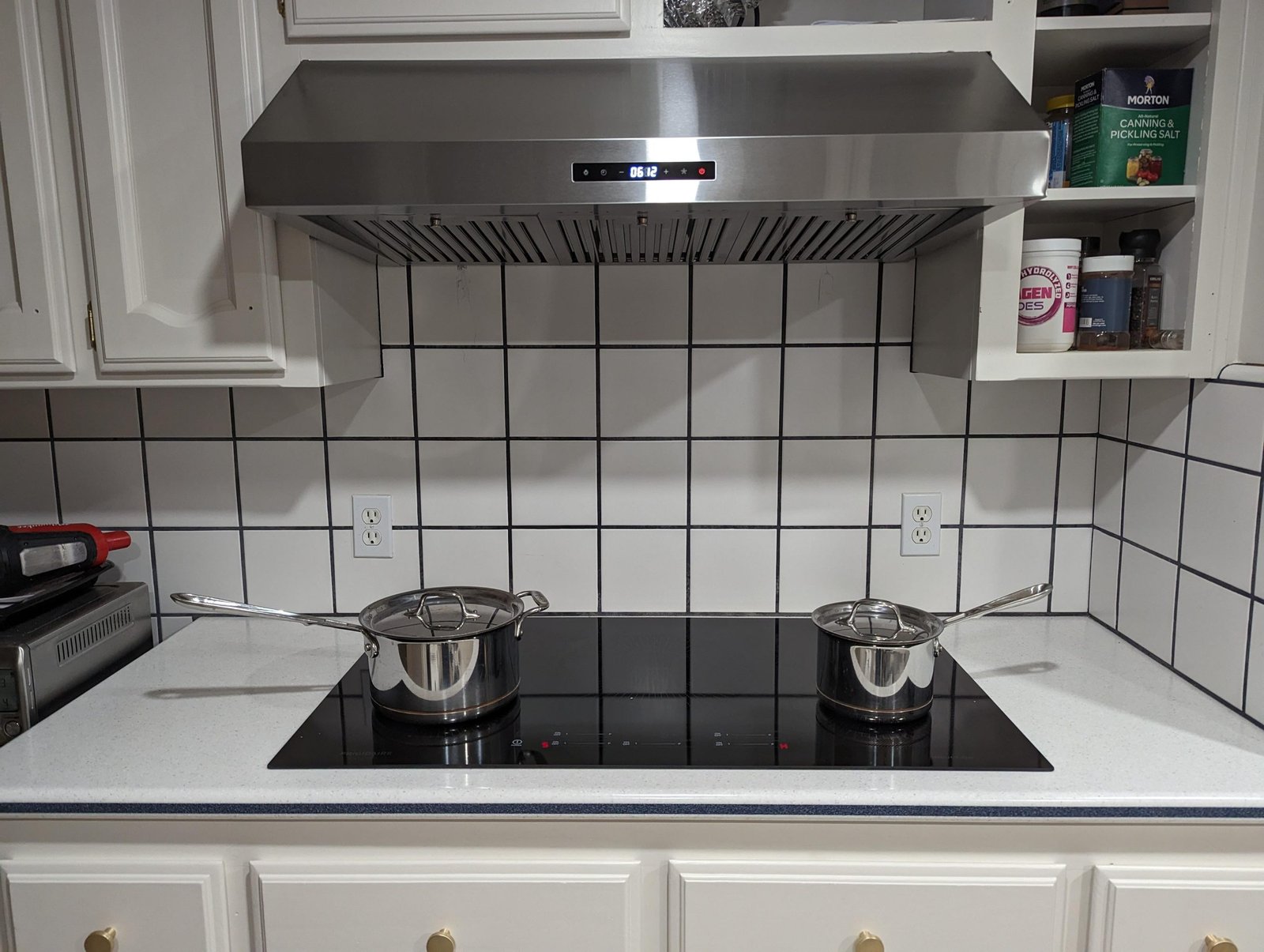
Induction ovens use magnetic fields to heat pots and pans directly. This method is very energy efficient.
They heat food quickly and keep temperatures steady. Induction ovens reduce wasted heat and energy.
Smart Ovens
Smart ovens have digital controls and sensors. They adjust cooking time and temperature automatically.
These ovens use energy efficiently by cooking food just right. They also let you control them remotely.
Key Features To Look For
Switching to an energy-efficient oven helps save electricity and reduce bills. It also supports a greener environment.
Knowing the key features can guide you to pick the best energy-efficient oven for your kitchen.
Energy Star Ratings
Energy Star ratings show how much electricity an oven uses. A higher rating means better energy savings.
Look for ovens with the Energy Star label to ensure efficiency and lower energy costs.
Insulation And Sealing
Good insulation keeps heat inside the oven. It reduces energy loss while cooking.
Tight door seals prevent warm air from escaping. Check seals for durability and fit.
Programmable Settings
Programmable ovens let you set cooking times and temperatures. This helps avoid wasting energy.
Look for features like timers and automatic shut-off for better control.
- Delay start options
- Preheat notifications
- Auto shut-off after cooking
Size And Capacity
Choose an oven size that fits your cooking needs. Larger ovens use more energy to heat.
Pick a capacity that matches your typical meal size to save energy and avoid waste.
Steps To Switch Your Oven
Switching to an energy-efficient oven helps save energy and reduce bills. It also lowers your home’s carbon footprint.
Follow these simple steps to choose and install a new oven that uses less energy.
Assess Current Oven Efficiency
Check how much energy your current oven uses. Look for the energy label or manual. Note its age and condition.
Older ovens usually waste more energy and cost more to run. This helps you know what to improve.
Set A Budget
Decide how much money you want to spend on a new oven. Consider both the price and long-term savings.
Include costs for the oven, delivery, and installation to plan your budget well.
Research And Compare Models
Look for ovens with good energy ratings and features you need. Check reviews and compare prices.
- Look for energy star or similar certification
- Compare power usage and cooking modes
- Read user reviews for reliability and ease
- Check size and style to fit your kitchen
Purchase And Installation Tips
Buy from a trusted store with a good return policy. Ask about warranties and customer support.
Hire a qualified technician to install the oven safely. Follow the manual for proper use and care.
Maximizing Energy Savings
Switching to energy-efficient ovens helps reduce electricity use. Saving energy also lowers your utility bills.
Using your oven the right way can improve energy savings. Small changes in use and care make a big difference.
Proper Oven Usage
Preheat the oven only when the recipe needs it. Avoid opening the oven door too often.
Cook multiple dishes together to use heat efficiently. Use the right temperature to avoid wasting energy.
- Preheat only for 5-10 minutes
- Keep the door closed while cooking
- Cook several dishes at once
- Follow recommended cooking temperatures
Regular Maintenance
Keep your oven clean to help it work better. Check door seals and replace them if worn out.
Inspect heating elements regularly. Fix any problems to avoid energy waste.
- Clean spills and grease inside the oven
- Check and replace door seals if needed
- Test heating elements for proper function
- Schedule repairs quickly when issues arise
Using Accessories Wisely
Use oven-safe cookware that holds heat well. Avoid using oversized pans that block air flow.
Use lids or foil to keep heat inside. Baking stones and trays can help keep oven temperature stable.
- Choose oven-safe, heat-retaining cookware
- Avoid pans that block oven air flow
- Cover food with lids or foil
- Use baking stones or trays for even heat

Credit: www.whirlpool.com
Financial Incentives And Rebates
Switching to energy-efficient ovens can save money on energy bills. Many programs help lower the upfront cost.
Financial incentives and rebates make buying efficient ovens more affordable for homes and businesses.
Government Programs
Governments often offer rebates or tax credits for energy-efficient appliances. These programs encourage using less energy.
Check local and federal programs for available offers before buying an oven. Some programs have income limits or require specific models.
- Federal tax credits reduce the amount of tax owed
- State rebates give cash back on purchase
- Local grants support home energy upgrades
Utility Company Offers
Utility companies often provide rebates for energy-efficient ovens. They want to reduce overall energy use in their area.
These offers may include discounts or rebates after purchase. Some utilities also provide free home energy audits to help choose the best oven.
- Instant rebates at participating stores
- Mail-in rebate forms after purchase
- Energy-saving tips and advice
Manufacturer Discounts
Manufacturers sometimes lower prices on energy-efficient ovens. These discounts help increase sales of newer models.
Look for seasonal sales and special offers. Some brands bundle ovens with other appliances at a lower total price.
- Limited-time price reductions
- Bundle deals on kitchen appliances
- Promotions during holidays or events
Credit: www.whirlpool.com
Frequently Asked Questions
What Are The Benefits Of Switching To Energy-efficient Ovens?
Energy-efficient ovens reduce electricity bills, lower carbon footprint, and cook food faster. They also maintain consistent temperatures, saving energy and improving cooking results.
How Do I Identify An Energy-efficient Oven?
Look for ovens with Energy Star certification or high energy efficiency ratings. These models use advanced insulation and heating technology to save energy.
Can Energy-efficient Ovens Fit In A Standard Kitchen Setup?
Yes, most energy-efficient ovens are designed to fit standard kitchen spaces. They come in various sizes and styles to suit different kitchen layouts.
Are Energy-efficient Ovens More Expensive Upfront?
Typically, energy-efficient ovens have a higher initial cost but save money long-term through reduced energy bills. Their durability also adds value over time.
Conclusion
Switching to an energy-efficient oven saves money on bills. It helps protect the environment by using less electricity. Choose models with good energy ratings for best results. Small changes in cooking habits also cut energy use. Enjoy cooking with a cleaner, smarter kitchen appliance.
Start your switch today and see the benefits quickly. Energy efficiency makes a real difference every day.