

Are you ready to save money and help the planet with a simple kitchen upgrade? Switching to an energy-efficient blender can cut down your electricity bills and reduce your carbon footprint.
But with so many options out there, how do you choose the right one for your needs? You’ll discover easy steps to find the perfect energy-saving blender that fits your lifestyle. Keep reading to learn how this small change can make a big difference for you and the environment.
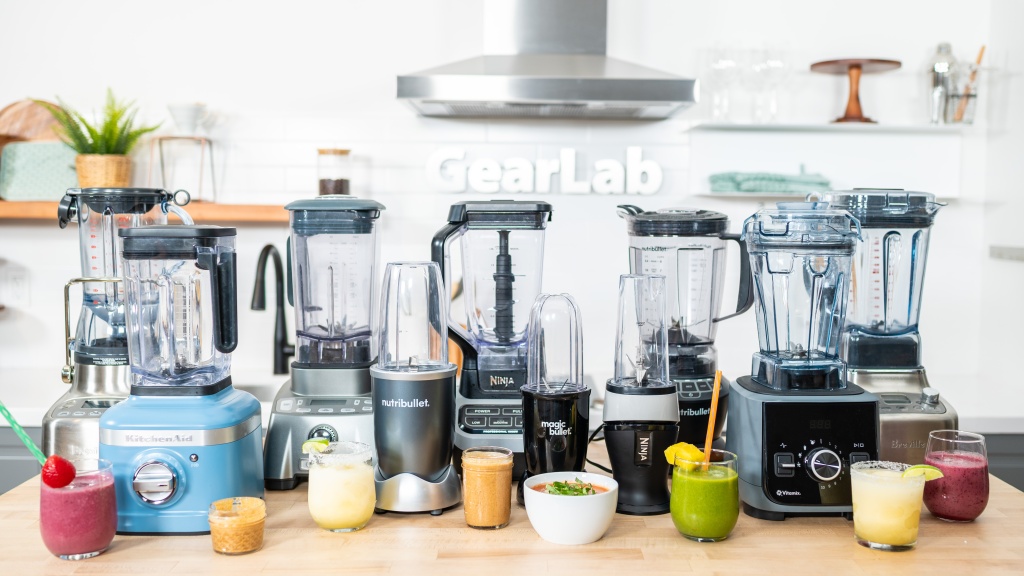
Credit: www.techgearlab.com
Benefits Of Energy-efficient Blenders
Energy-efficient blenders save power and help the environment. They are designed to work better while using less electricity.
Switching to these blenders can be a smart choice for your kitchen. Let’s explore the benefits.
Lower Electricity Bills
Energy-efficient blenders use less electricity than regular blenders. This means you pay less for power each month.
They are designed to blend quickly and smoothly, using less energy.
- Use up to 30% less electricity
- Quick blending reduces usage time
- Lower energy costs over time
Environmental Impact
Using less energy helps reduce pollution. Energy-efficient blenders are better for the planet.
They help decrease the carbon footprint of your home.
- Less energy consumption reduces greenhouse gases
- Supports sustainable living
- Contributes to cleaner air
Enhanced Performance
Energy-efficient blenders often have better motors. They blend foods faster and more smoothly.
This means you get the same results with less effort.
- Better motor efficiency
- Smoother blending results
- Quieter operation

Credit: www.jackery.com
Choosing The Right Energy-efficient Blender
Switching to an energy-efficient blender helps save power and reduces your bills. It also supports a greener lifestyle.
Choosing the right blender means looking at features, brands, and costs. This guide will help you pick the best one.
Key Features To Look For
Look for blenders with low power use but good performance. Check the motor wattage and energy ratings.
Other features include speed settings, blade quality, and noise levels. These affect how well the blender works.
- Power consumption (lower watts save energy)
- Multiple speed options for different tasks
- Durable, sharp blades for efficient blending
- Quiet operation to reduce noise pollution
- Easy to clean parts to save time and water
Comparing Brands And Models
Compare well-known brands and their energy-efficient models. Look for customer reviews and reliability.
Some brands focus more on energy savings, while others offer extra features. Choose what fits your needs.
- Brand A: Known for low power use and durability
- Brand B: Offers smart speed controls and timers
- Brand C: Balances price and energy efficiency
- Brand D: Focuses on quiet and fast blending
Price Vs. Long-term Savings
Energy-efficient blenders may cost more upfront. Think about how much energy they save over time.
Lower electricity bills add up and make the blender cheaper in the long run.
| Cost Aspect | Details |
|---|---|
| Initial Price | Higher than standard blenders |
| Energy Savings | Uses less power per use |
| Maintenance | Durable parts reduce repair costs |
| Overall Savings | Lower electric bills add up over years |
How To Transition Smoothly
Switching to an energy-efficient blender can save power and money. It also helps the environment.
Plan your switch carefully to avoid wasting your current blender or buying the wrong one.
Evaluating Your Current Blender Usage
Check how often you use your blender and what for. This helps pick the right energy-efficient model.
Look at your blender’s power rating and how long you use it each time. This shows your energy needs.
- Daily or weekly use
- Types of foods you blend
- Blender power and speed settings
- Any problems with your current blender
Setting A Budget
Decide how much money you want to spend before buying a new blender. Energy-efficient models may cost more.
Think about long-term savings on electricity bills. A higher price now can mean lower costs later.
- Maximum price you can pay
- Potential savings on energy bills
- Warranty and durability of the blender
- Extra features you want
Where To Buy Energy-efficient Blenders
Look for energy-efficient blenders at appliance stores, online shops, or eco-friendly retailers.
Compare prices and read reviews to find good quality and value. Check for energy rating labels.
- Local appliance or kitchen stores
- Online marketplaces like Amazon or eBay
- Specialty eco-friendly stores
- Manufacturer websites
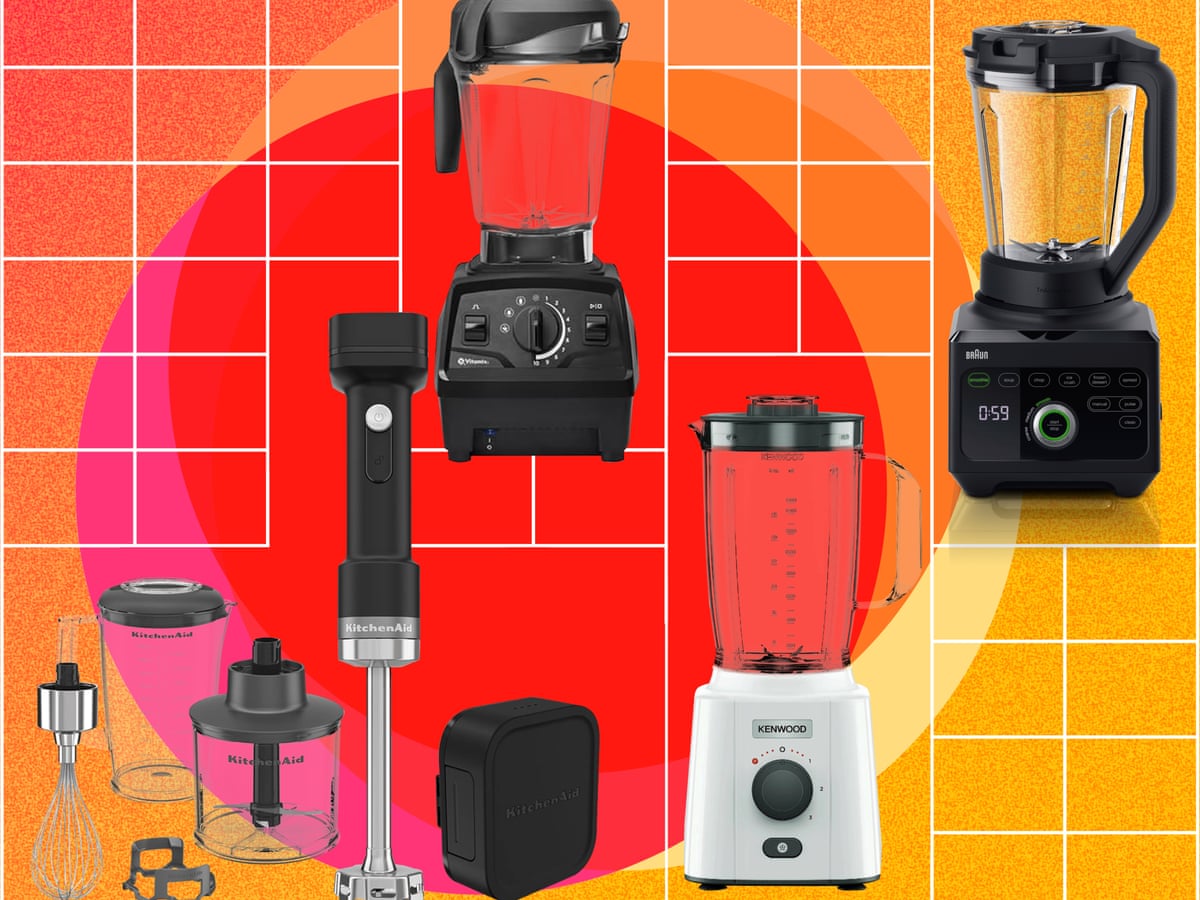
Credit: www.theguardian.com
Maximizing Blender Efficiency
Switching to energy-efficient blenders helps save electricity and reduces costs. Using your blender the right way keeps it working well for a long time.
This guide shares tips on using, caring for, and adding accessories to get the best from your blender.
Proper Usage Tips
Use your blender at the right speed for each task. High speeds use more energy but do not always blend better.
Fill the blender jar properly. Too little or too much can waste power or cause strain.
- Start blending at low speed, then increase if needed.
- Cut ingredients into small pieces for faster blending.
- Avoid running the blender longer than necessary.
- Use pulse mode for short bursts instead of continuous blending.
Maintenance And Care
Keep the blender clean to avoid blockages and motor strain. Clean blades and jars after each use.
Check for worn parts and replace them on time. Well-maintained blenders use less energy and last longer.
- Unplug the blender before cleaning.
- Use warm soapy water and a soft brush for blades.
- Inspect seals and gaskets regularly for damage.
- Do not overload the motor to prevent overheating.
Energy-saving Accessories
Some accessories help reduce energy use by improving blending speed and efficiency. Choose items that fit your blender model.
Using lids and jars designed for your blender keeps ingredients inside and reduces blending time.
- Use airtight lids to prevent spills and keep speed steady.
- Choose jars with built-in measuring marks to avoid extra steps.
- Use tamper tools to push ingredients down safely, speeding blending.
- Consider energy-efficient blade attachments made for your blender.
Real-life Savings And Impact
Switching to energy-efficient blenders can lower your electricity bills. These blenders use less power while still blending well.
Energy-efficient blenders also help reduce environmental impact. Saving energy means fewer greenhouse gases released.
Case Studies
A small café replaced old blenders with energy-efficient models. They saw a 20% drop in their monthly energy costs.
A family of four switched to an energy-saving blender. Their electricity bill dropped by $8 each month.
- Café saved $50 per month on energy
- Family saved $96 per year
- Both reduced their carbon footprint
User Testimonials
Jane says her new blender uses less energy but works just as well. She notices smaller bills each month.
Mark shares that his restaurant runs smoothly with the energy-efficient blenders. They blend quickly and cost less to run.
- Jane: “My bills are lower, and the blender is quiet.”
- Mark: “Energy savings help our business expenses.”
- Users report easy cleanup and good performance
Calculating Your Savings
To find savings, compare power use of your current blender with an efficient model. Check the wattage on labels.
Multiply the watt difference by your daily use hours. Then multiply by your electricity cost per kWh.
| Step | Example |
|---|---|
| Old blender wattage | 500 W |
| New blender wattage | 300 W |
| Difference (500 – 300) | 200 W |
| Daily use (hours) | 0.5 hours |
| Energy saved daily (kWh) | 0.1 kWh |
| Electricity cost per kWh | $0.12 |
| Daily savings | $0.012 |
| Monthly savings | $0.012 × 30 = $0.36 |
Frequently Asked Questions
What Are The Benefits Of Energy-efficient Blenders?
Energy-efficient blenders save electricity and lower your utility bills. They operate quietly and reduce environmental impact. These blenders often have longer lifespans and use advanced motor technology for better performance.
How Do I Identify An Energy-efficient Blender?
Look for blenders with Energy Star certification or energy-saving labels. Check for features like variable speed control and efficient motors. Reading product reviews and energy consumption specs helps ensure efficiency.
Can Energy-efficient Blenders Handle Tough Ingredients?
Yes, many energy-efficient blenders come with powerful motors designed for tough ingredients. They blend smoothly while consuming less power. Always check the wattage and blade quality for specific blending needs.
Is Switching To An Energy-efficient Blender Cost-effective?
Switching saves money over time due to lower energy use and durable parts. Initial costs may be higher but are offset by energy savings and fewer replacements. It’s a smart long-term investment for your kitchen.
Conclusion
Switching to an energy-efficient blender saves money and helps the planet. These blenders use less power and work just as well. Choosing one means cutting down on electricity bills. It also reduces your carbon footprint every time you blend. Start by checking labels and comparing energy use.
Small changes can make a big difference. Make your kitchen greener, cleaner, and smarter today. Energy efficiency is easy and worth the effort. Your future self will thank you.