
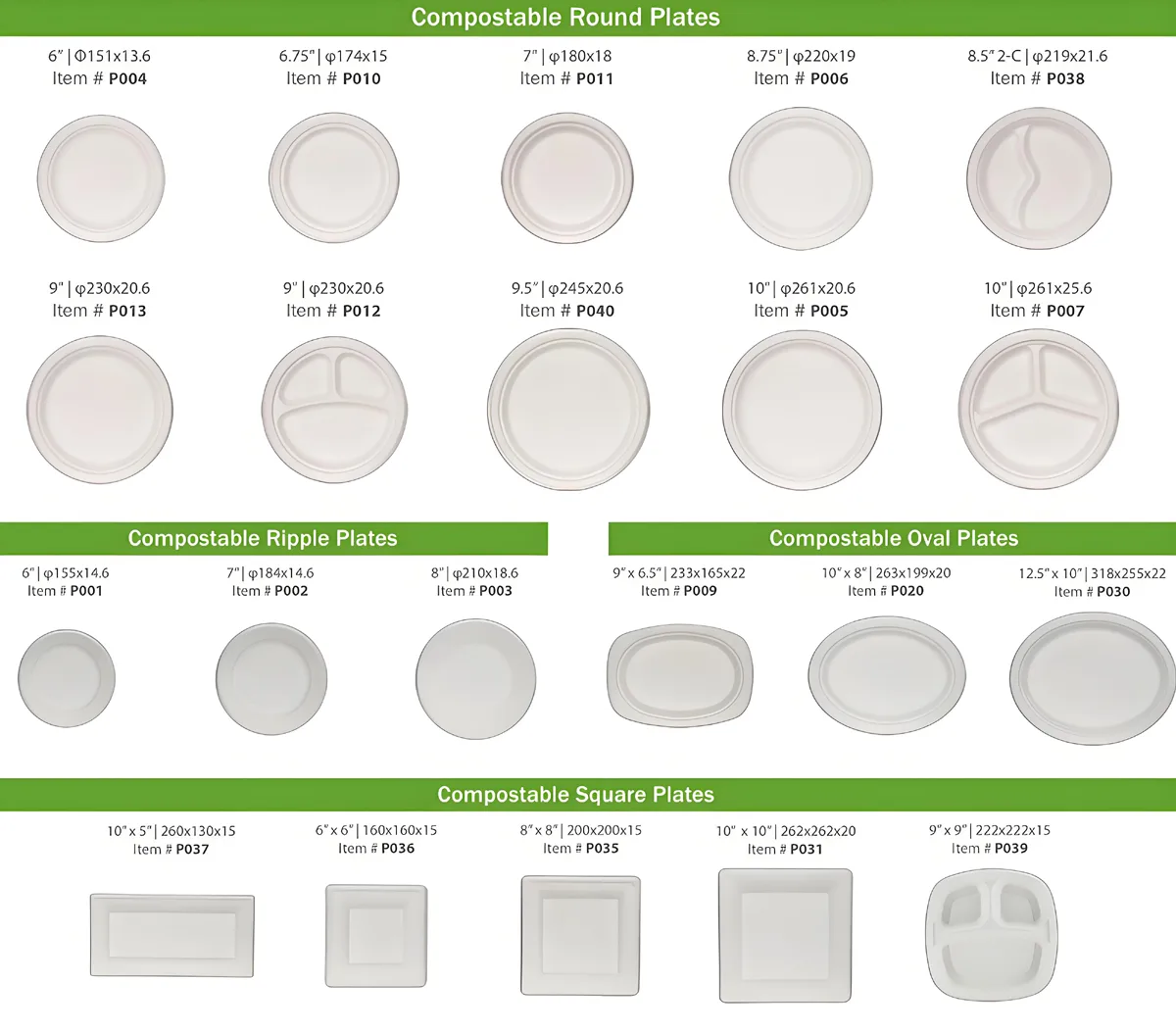
Are you ready to make a simple change that can have a big impact on the planet? Switching to compostable plates is easier than you might think, and it’s a powerful way to reduce waste from your everyday meals.
Imagine enjoying your favorite foods knowing that your plates won’t linger in landfills for years. You’ll discover practical tips and clear steps to help you switch to compostable plates without any hassle. Keep reading to learn how you can make your meals greener and your lifestyle cleaner—starting right now.

Credit: www.yahoo.com
Benefits Of Compostable Plates
Compostable plates offer a natural way to reduce waste. They break down quickly and help the earth.
Using these plates can protect your health and often save money over time. Let’s look at key benefits.
Environmental Impact
Compostable plates decompose faster than plastic or foam. They return nutrients to soil instead of polluting landfills.
- Reduce landfill waste
- Lower carbon emissions
- Support soil health
- Save energy in production
Health Advantages
These plates are made without harmful chemicals. They do not release toxins when heated or composted.
They are safer for food use and reduce risks of allergic reactions or exposure to plastic additives.
Cost Considerations
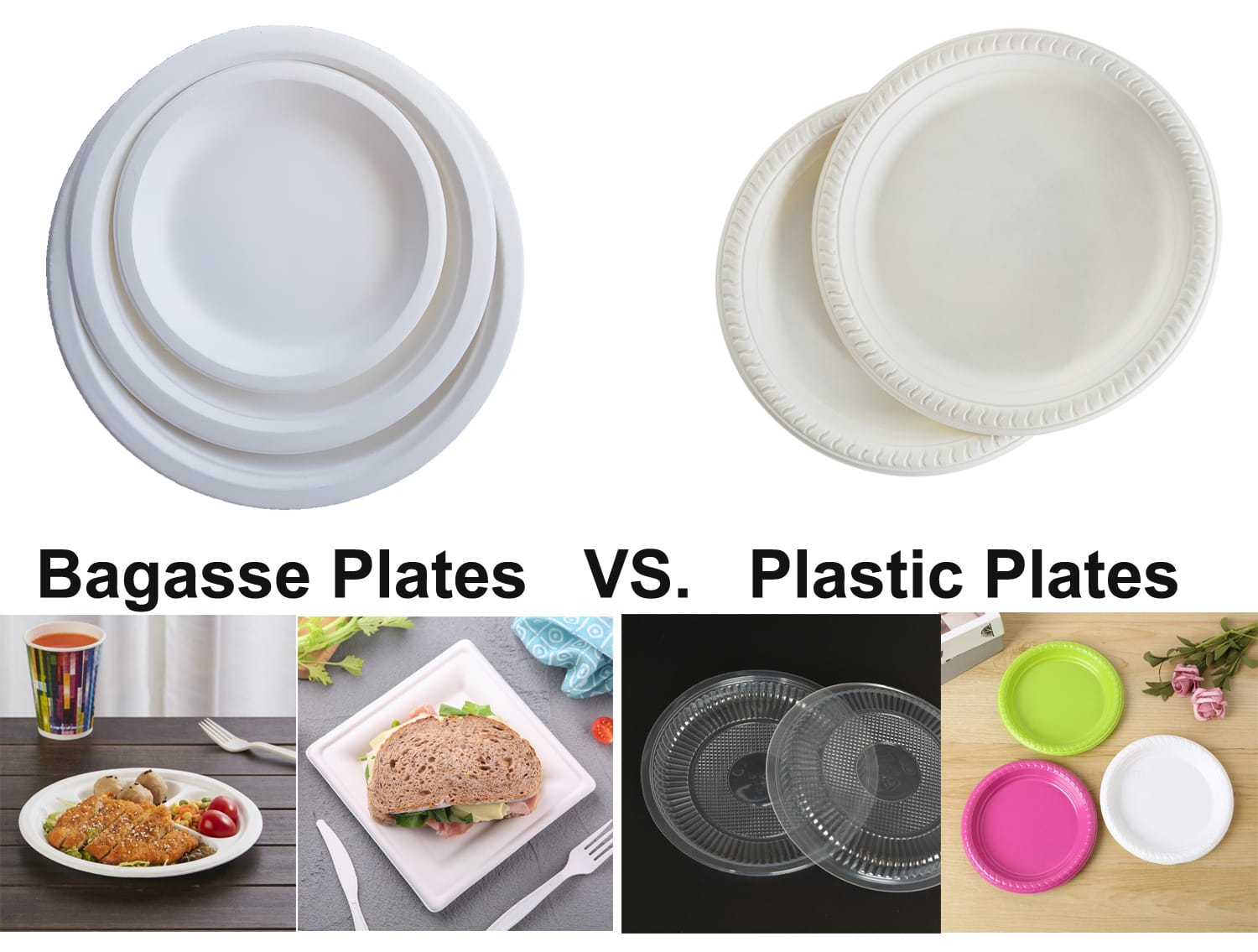
| Cost Factor | Compostable Plates | Plastic Plates |
| Purchase Price | Higher | Lower |
| Disposal Cost | Lower | Higher |
| Environmental Fees | None or Low | Possible Fees |
| Long-term Savings | Yes | No |
While compostable plates cost more upfront, they reduce waste fees and help avoid fines. The total cost may be lower over time.
Credit: www.bioleaderpack.com
Types Of Compostable Plates
Compostable plates offer a green alternative to plastic and paper plates. They break down quickly and reduce waste. Choosing the right type depends on materials, durability, and certifications.
This guide explains key points about compostable plates. Learn what materials are used, how durable they are, and which certifications to trust.
Materials Used
Compostable plates are made from natural materials that decompose easily. Common materials include:
- Bagasse: Made from sugarcane fiber after juice extraction.
- Bamboo: Fast-growing plant that is strong and biodegradable.
- Palm leaves: Fallen leaves pressed into plate shapes.
- Cornstarch: Derived from corn and often mixed with other fibers.
- Wheat bran: A byproduct of wheat milling, shaped into plates.
Durability And Use Cases
Different materials affect how strong and useful compostable plates are. Some are better for hot foods, while others suit cold or dry items.
| Material | Durability | Best Use Cases |
|---|---|---|
| Bagasse | High heat resistance | Hot meals, soups, and greasy foods |
| Bamboo | Strong and flexible | Cold dishes, salads, and snacks |
| Palm leaves | Moderate strength | Buffets, parties, and picnics |
| Cornstarch | Low heat resistance | Dry foods and cold items |
| Wheat bran | Fragile when wet | Dry snacks and appetizers |
Certifications To Look For
Look for trusted certifications to ensure plates are truly compostable. These labels guarantee safe breakdown without harmful residues.
- ASTM D6400: Standard for compostability in the US.
- EN 13432: European standard for compostable packaging.
- OK Compost: Certifies industrial compostability by TÜV Austria.
- Compost Manufacturing Alliance (CMA): Focus on home composting.
- Biodegradable Products Institute (BPI): Verified compostability in North America.
Where To Buy Compostable Plates
Switching to compostable plates helps reduce waste and protect the environment. Finding the right place to buy these plates is easy with many options available.
You can buy compostable plates from local stores, online shops, or in bulk for larger needs. Each option offers different benefits to fit your situation.
Local Stores
Many grocery stores and eco-friendly shops sell compostable plates. Buying locally lets you see the product before you buy it.
Local stores often stock smaller packs, which is good for small households or events. You can also ask staff for advice on the best options.
- Supermarkets with eco sections
- Health food stores
- Specialty kitchenware shops
- Zero waste or green living stores
Online Retailers
Online stores offer a wide variety of compostable plates. You can compare brands, sizes, and prices easily from home.
Many online retailers provide detailed descriptions and customer reviews. This helps you pick plates that meet your needs and quality standards.
- Large e-commerce platforms
- Eco-friendly product websites
- Specialty kitchen and party supply stores
- Subscription services for sustainable products
Bulk Purchasing Options
Buying compostable plates in bulk saves money and reduces packaging waste. This option is good for businesses or big events.
Wholesale suppliers and some online retailers offer bulk packs. Look for deals that fit your quantity and budget.
- Restaurant supply stores
- Wholesale eco product distributors
- Online bulk retailers
- Local co-ops or buying groups
Transitioning Your Kitchen
Switching to compostable plates helps reduce waste in your home. It also supports a cleaner environment.
Making this change involves some planning in your kitchen. You need to pick the right plates and organize your space well.
Replacing Disposable Plates
Start by choosing compostable plates made from materials like bamboo or sugarcane. These break down easily in compost heaps.
- Check the size and strength to match your needs
- Buy in small amounts to test durability
- Look for certified compostable labels
Storage Tips
Keep your compostable plates dry and clean before use. Store them in a cool place to prevent damage.
| Storage Tip | Reason |
| Use airtight containers | Keeps plates fresh and dry |
| Keep away from heat | Prevents warping or melting |
| Store at eye level | Makes it easy to reach |
Training Household Members
Teach everyone how to use and dispose of compostable plates correctly. This helps keep the compost system clean.
- Explain what compostable means
- Show where to put used plates
- Remind not to mix with plastic trash
- Encourage asking questions if unsure
Composting Your Plates
Switching to compostable plates helps reduce waste and supports a cleaner planet.
Proper composting of these plates is key to making the most of their eco-friendly design.
Home Composting Methods
You can compost your plates right in your backyard compost bin if conditions are right.
- Break plates into small pieces to speed up decomposition.
- Mix plates with food scraps and yard waste for balanced compost.
- Keep your compost moist but not too wet.
- Turn the compost regularly to add oxygen and help break down materials.
Community Composting Programs
Many towns offer programs to compost items that home composting can’t handle well.
| Program Type | Accepted Compostable Plates | How to Participate |
| Drop-off Sites | Clean, non-coated plates | Bring plates to local collection points |
| Pickup Services | Plates with food residue allowed | Sign up for curbside compost pickup |
| Community Gardens | Certified compostable plates only | Join garden composting sessions |
Avoiding Contamination
Contamination can ruin compost batches and cause bad odors or pests.
- Do not compost plates with plastic coatings or liners.
- Remove excess food scraps before composting plates.
- Check labels to confirm plates are certified compostable.
- Keep non-compostable trash separate from compost piles.
Common Challenges And Solutions
Switching to compostable plates can be a great choice for the environment. Some challenges come with this change. Knowing these issues helps to handle them better.
This guide looks at common problems and easy fixes. It covers cost, plate performance, and waste sorting.
Cost Management
Compostable plates often cost more than regular plastic or paper plates. This can make budgeting harder for businesses and families.
- Buy plates in bulk to get discounts.
- Choose suppliers with transparent pricing.
- Compare prices between brands to find the best deal.
- Consider long-term savings from waste reduction.
- Track spending regularly to adjust budgets.
Plate Performance
Some compostable plates may feel different or be less sturdy than plastic ones. This can affect user satisfaction and usage.
| Challenge | Solution |
| Plates get soft with hot food | Choose plates made from thicker fibers or with a water-resistant coating. |
| Plates break when heavy | Use plates designed for the type of food served. |
| Plates smell different | Store plates in a dry, cool place to keep freshness. |
Waste Sorting
Sorting waste correctly is important for compostable plates to break down properly. Confusion can cause contamination in compost bins.
- Label bins clearly for compostable waste.
- Educate staff or family about what can go into compost bins.
- Separate compostable plates from plastic and paper waste.
- Check local composting rules to follow proper sorting.
Inspiring Eco-friendly Habits
Switching to compostable plates helps reduce waste and protect the planet. These plates break down naturally and save landfill space.
Using compostable plates is a simple change that makes a big difference. It inspires others to try eco-friendly habits too.
Hosting Sustainable Events
Choose compostable plates for parties and gatherings. They keep events green and reduce plastic waste.
Plan your event with other eco-friendly items like reusable cups and cloth napkins. This creates a strong green message.
- Use compostable plates and utensils
- Offer recycling and compost bins
- Serve local and organic food
- Limit single-use decorations
Encouraging Friends And Family
Talk about the benefits of compostable plates with friends and family. Share how easy and helpful the switch is.
Invite them to try compostable plates at small gatherings. Seeing the change in action can motivate them to join.
- Explain how compostable plates reduce waste
- Show how to compost used plates properly
- Share where to buy affordable compostable plates
- Encourage trying compostable plates at events
Expanding Eco Living Practices
Switching to compostable plates can lead to other green habits. Small changes add up to big results.
Try using compostable bags, bamboo toothbrushes, and energy-saving bulbs. Each step helps the environment.
- Replace plastic plates with compostable ones
- Use reusable shopping bags
- Choose eco-friendly cleaning products
- Save energy by turning off lights

Credit: healthyhouseontheblock.com
Frequently Asked Questions
What Are Compostable Plates?
Compostable plates are made from natural materials like sugarcane and bamboo. They break down easily into organic matter. These plates are eco-friendly, reducing landfill waste. Using them helps the environment by promoting sustainable practices. They are a great alternative to plastic and foam plates.
How To Identify Compostable Plates?
Look for labels like “compostable” or “biodegradable” on the packaging. Check for certifications from organizations like BPI or ASTM. These labels ensure the plates meet compostability standards. It’s important to choose certified products to ensure they break down properly. Always verify product claims to avoid greenwashing.
Are Compostable Plates Microwave-safe?
Yes, many compostable plates are microwave-safe, but it’s best to check the packaging. Manufacturers often provide guidelines on heat resistance. Always follow their instructions to ensure safety. Avoid using them for prolonged heating. This helps in maintaining the integrity of the plate.
Where To Buy Compostable Plates?
Compostable plates are available in supermarkets, online retailers like Amazon, and eco-friendly stores. Many stores offer bulk purchases for events. Look for brands that specialize in sustainable products. Online platforms often provide customer reviews to help make informed choices. Prices may vary based on quality and brand.
Conclusion
Switching to compostable plates helps protect our planet. These plates break down naturally and reduce waste. Making small changes in daily life matters a lot. Choose compostable options for parties, picnics, or meals. It’s easy and good for the environment.
Everyone can join in and make a difference. Start today and watch the positive impact grow. Simple steps lead to a cleaner, greener world. Your choice can inspire others to do the same. Together, we create a healthier future for all.