
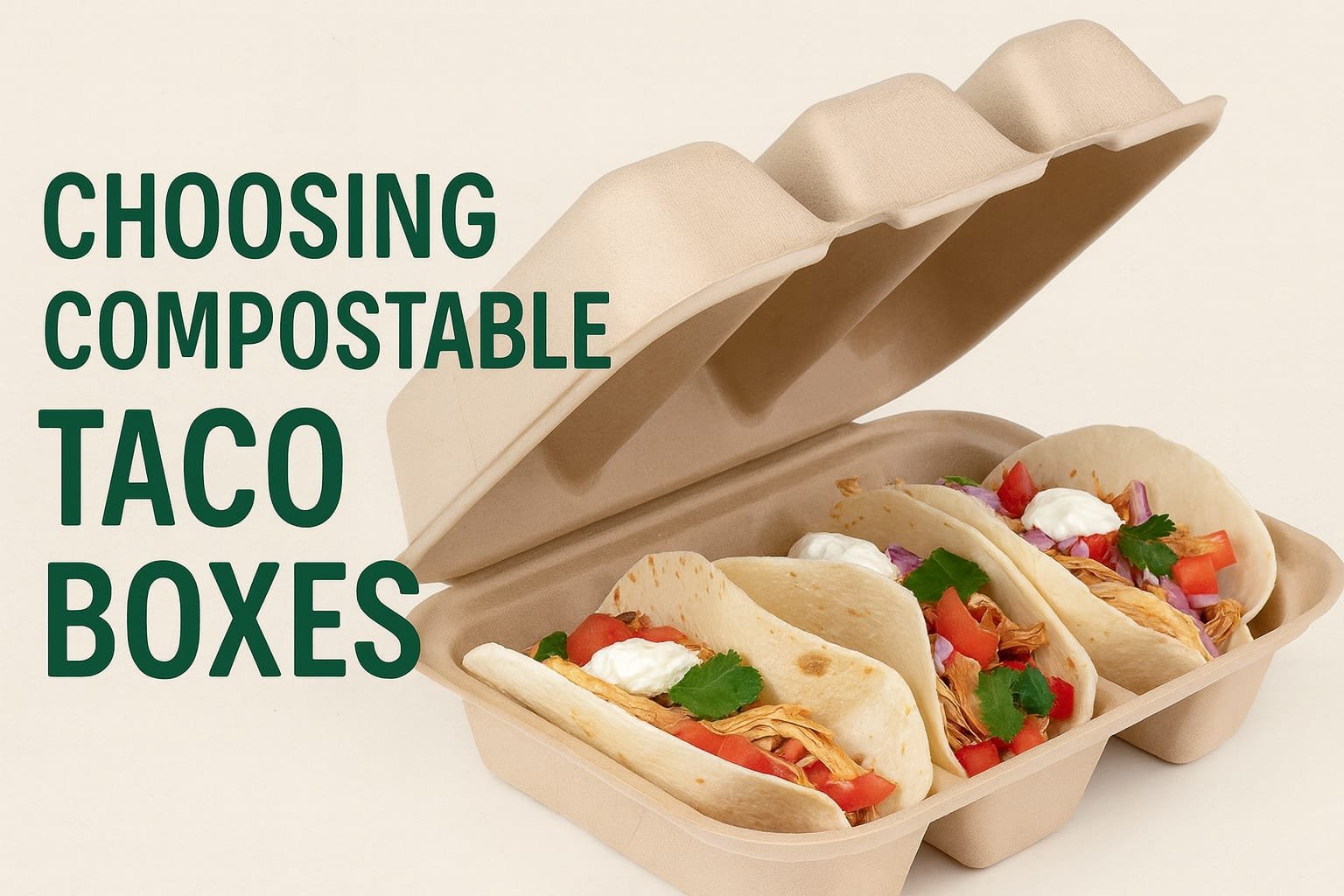
Are you ready to make a simple change that can have a big impact on the planet? Switching to compostable food trays is an easy way to reduce waste and show you care about the environment.
But you might wonder how to start, what options are best, and how this switch fits into your daily routine. You’ll discover clear, practical steps to help you make the move smoothly. By the end, you’ll feel confident that your choice not only benefits your business or home but also supports a healthier, greener future.
Keep reading to find out how you can be part of this positive change today.
Benefits Of Compostable Trays
Switching to compostable food trays helps the environment. These trays are made from natural materials. They break down easily after use.
Using compostable trays reduces waste. They are a better choice than plastic trays. Let’s explore their benefits.
Environmental Impact
Compostable trays help keep our planet clean. They decompose quickly. This reduces landfill waste.
Using these trays lowers pollution. They are made from renewable resources. This helps conserve natural resources.
- Less plastic in landfills
- Decomposition takes weeks, not centuries
- Made from plants like sugarcane and corn
Health And Safety
Compostable trays are safe for food use. They do not contain harmful chemicals. This makes them safer than some plastic trays.
These trays are often free from allergens. They do not leach chemicals into food. This ensures food safety.
- BPA-free and toxin-free
- Safe for hot and cold foods
- Reduces risk of food contamination
Cost Considerations
Compostable trays can be more expensive than plastic. But they offer long-term savings. They reduce waste management costs.
Using them can improve your business image. Many customers prefer eco-friendly options. This can lead to more sales.
| Factor | Compostable Trays | Plastic Trays |
| Initial Cost | Higher | Lower |
| Waste Management | Lower | Higher |
| Customer Preference | High | Low |

Credit: www.bioleaderpack.com
Choosing The Right Compostable Tray
Switching to compostable food trays helps reduce waste. It supports a cleaner environment.
Choosing the right tray ensures it fits your needs and breaks down properly.
Materials To Look For
Compostable trays come from different materials. Each has its own benefits and composting time.
Look for trays made from natural, plant-based materials that break down easily.
- Bagasse: made from sugarcane fiber
- PLA (Polylactic Acid): made from corn starch
- Bamboo: fast-growing grass fiber
- Wood pulp: from sustainably harvested trees
Certifications And Standards
Certifications show if trays meet compostable rules. They prove trays break down safely.
Choose trays with clear certifications for home or industrial composting.
- OK Compost Home: safe for home compost bins
- OK Compost Industrial: for commercial compost facilities
- Compostable ASTM D6400: US standard for compostability
- EN 13432: European standard for compostable packaging
Supplier Options
Find suppliers who offer verified compostable trays. Check their product range and support.
Choose suppliers who provide clear information on materials and certifications.
- Local suppliers reduce shipping emissions
- Large suppliers offer more variety
- Look for suppliers with good reviews
- Ask for samples to test quality
Preparing Your Business For The Switch
Switching to compostable food trays helps reduce waste and protect the environment. Your business needs a plan to make this change smooth and effective.
Prepare your team, update buying habits, and inform customers to ensure success with compostable trays.
Staff Training
Train your staff about the benefits and proper use of compostable trays. They should know how to handle and dispose of these trays correctly.
Clear instructions help avoid confusion and waste. Staff should also explain compostable trays to customers when needed.
- Explain why the switch matters
- Show how to separate compostable trays from other waste
- Practice proper tray handling and storage
- Prepare answers for customer questions
Updating Procurement Processes
Change your buying process to include only compostable trays. Find suppliers that offer certified compostable products.
Review contracts and order sizes to match your needs. Track stock levels carefully to avoid running out of trays.
- Research trusted compostable tray suppliers
- Check product certifications and compostability claims
- Adjust order quantities based on demand
- Set reminders for regular stock reviews
Communicating With Customers
Tell customers about your switch to compostable trays. Use clear and simple messages to explain the benefits.
Help customers understand how to dispose of trays after use. This builds trust and shows your commitment to the environment.
- Use signs or labels on trays
- Include messages on menus or receipts
- Train staff to answer customer questions
- Share your efforts on social media or newsletters
Setting Up Composting Systems
Switching to compostable food trays helps reduce waste. Setting up a composting system is important to handle these trays properly.
A good composting system makes sure compostable trays break down safely and quickly. It also keeps your space clean and organized.
On-site Composting
On-site composting means you turn compostable trays into compost at your location. This saves transportation costs and helps your environment.
You need a compost bin or pile, a dry and shaded area, and regular turning to speed up composting. Keep the compost moist but not wet.
- Use a large bin with a lid to keep pests away
- Turn the compost every few days for air flow
- Keep the compost damp like a wrung-out sponge
- Mix food trays with other compost materials like leaves
Partnering With Compost Facilities
If on-site composting is hard, find a local compost facility. They have machines and space to handle compostable trays.
Contact the facility to learn their rules. They may ask you to separate trays or remove stickers before drop-off.
- Check if the facility accepts compostable trays
- Arrange regular pick-ups or drop-offs
- Follow their sorting and cleaning instructions
- Keep communication open for any changes
Waste Separation Tips
Separating compostable trays from other waste helps composting work better. It also reduces contamination.
Use clear bins labeled for compostable food trays only. Train staff and customers to throw trays in the right bin.
- Place bins near food service areas
- Use signs with pictures to show what goes in
- Empty bins regularly to avoid overflow
- Keep compost bins separate from recycling and trash
Overcoming Common Challenges
Switching to compostable food trays can be a smart choice. Many businesses face challenges during this change. Understanding these issues helps find good solutions.
This guide covers common challenges like cost, durability, and rules. You will learn how to manage these areas well.
Cost Management
Compostable trays often cost more than plastic ones. This can be hard for small businesses. Planning can reduce the impact on budgets.
Buy in bulk and choose trays that fit your needs. This can lower the price per unit.
- Compare prices from different suppliers
- Look for discounts on large orders
- Track your usage to avoid waste
- Consider the long-term savings on waste fees
Durability And Performance
Compostable trays must hold food well and not break easily. Some trays may feel less strong than plastic ones.
Test trays before buying large amounts. Choose trays made for your type of food and service style.
- Check heat resistance for hot foods
- Make sure trays hold liquids without leaking
- Pick trays that stack well for storage
- Train staff to handle trays carefully
Regulatory Compliance
Food trays must meet health and safety rules. Compostable trays need to be approved for food contact.
Check local rules about compostable products. Keep documents to prove your trays meet standards.
- Confirm trays have food safety certifications
- Follow local composting and waste rules
- Stay updated on changing regulations
- Work with suppliers who understand compliance
Credit: www.foodengineeringmag.com
Tracking Impact And Improvements
Switching to compostable food trays helps reduce waste and protect the environment. Tracking the impact shows how well the change works.
Measuring progress helps find ways to improve and make better choices over time.
Measuring Waste Reduction
Track how much waste you reduce by counting old trays versus compostable trays used. Weigh the waste before and after switching.
Compare landfill waste to compostable waste to see the environmental impact.
- Record the number of trays used weekly
- Weigh waste sent to landfill and compost weekly
- Calculate waste reduction percentage
Customer Feedback
Ask customers what they think about the new trays. Their opinions help improve product choices and service.
Use surveys or simple questions to gather feedback on tray quality and ease of use.
- Check if customers notice the change
- Ask if they like the compostable trays
- Note any complaints or suggestions
Continuous Improvement
Review waste data and customer feedback regularly. Use this information to make small changes and improve the process.
Set goals to reduce waste further and increase customer satisfaction over time.
- Update tray suppliers if needed
- Train staff on best waste practices
- Share progress with customers and team

Credit: www.bioleaderpack.com
Frequently Asked Questions
What Are Compostable Food Trays Made Of?
Compostable food trays are made from natural materials like sugarcane bagasse, cornstarch, or bamboo. These materials break down easily in composting conditions, reducing landfill waste and environmental impact.
How To Identify Compostable Food Trays?
Look for certification logos like ASTM D6400 or EN 13432. These indicate the tray meets compostable standards and breaks down safely in industrial composting facilities.
Are Compostable Trays Safe For Hot Food?
Yes, compostable trays are designed to withstand heat from hot food. They maintain structural integrity without releasing harmful chemicals, making them safe and eco-friendly for serving warm meals.
Can I Compost Food Trays At Home?
Most compostable trays require industrial composting facilities for complete breakdown. Home composting might not reach necessary temperatures, so check local composting guidelines before disposal.
Conclusion
Switching to compostable food trays helps protect our planet. These trays break down naturally, reducing waste and pollution. They are easy to use and fit most food needs. Making this small change supports a cleaner environment. Everyone can join in and make a difference today.
Choose compostable trays for a healthier future. Simple steps lead to big results. Act now, and help keep Earth green.