
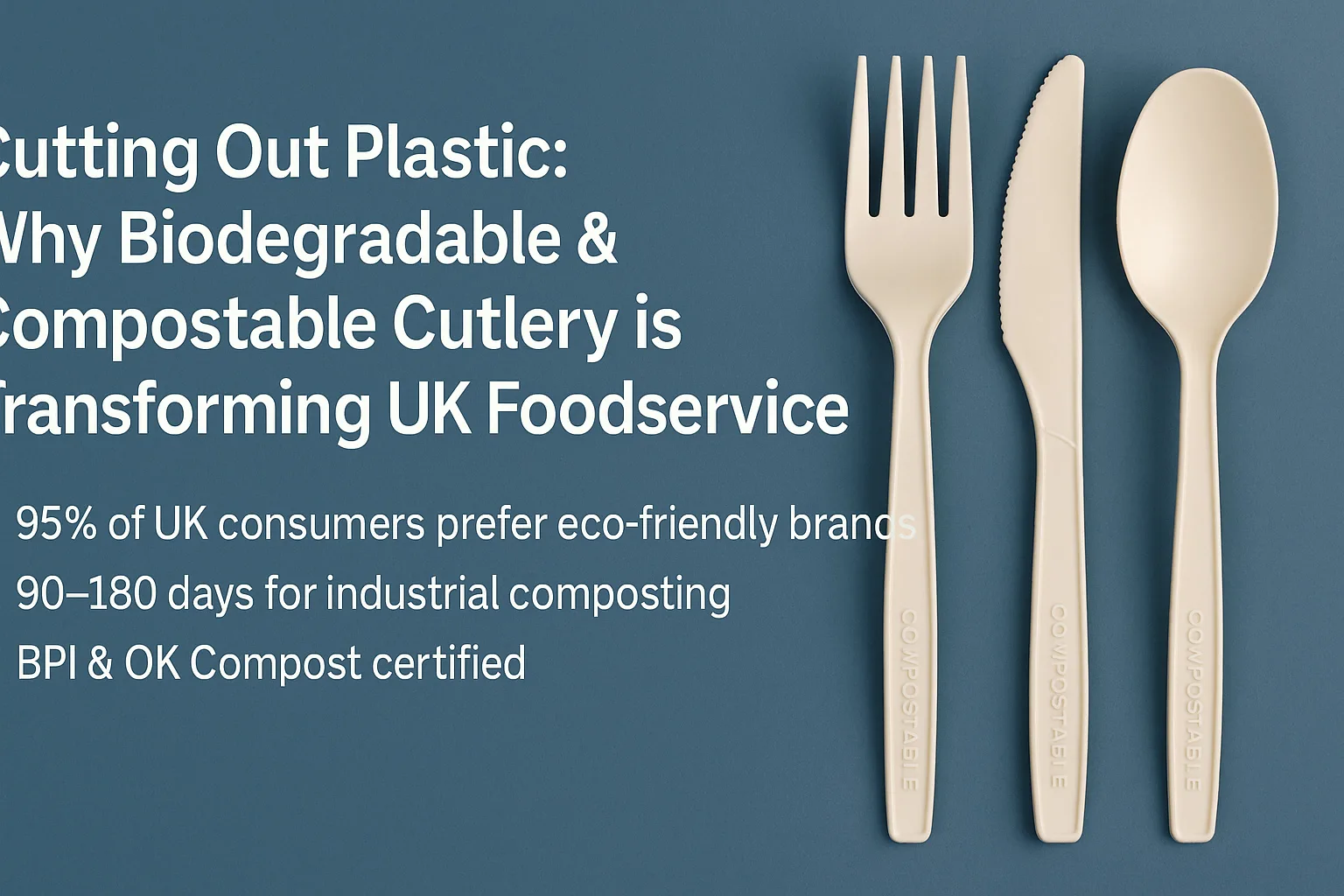
Are you ready to make a simple change that can have a big impact on the planet? Switching to biodegradable utensils is an easy way to reduce your plastic waste and protect the environment.
Imagine using utensils that break down naturally, leaving no harmful traces behind. You’ll discover practical tips to make the switch smoothly and feel good about every meal. Keep reading to find out how you can start this eco-friendly habit today and inspire others to join you.
Why Choose Biodegradable Utensils
Switching to biodegradable utensils is a smart choice for many reasons. These utensils help protect the environment and can be healthier for us.
Understanding why biodegradable utensils are better can help you make informed decisions. Let’s explore their benefits.
Environmental Impact
Biodegradable utensils break down naturally over time. This reduces waste in landfills and helps the planet.
Traditional plastic utensils can take hundreds of years to decompose. They often end up polluting oceans and harming wildlife.
- Reduce landfill waste
- Decrease pollution in oceans
- Protect wildlife from plastic harm
Health Benefits
Biodegradable utensils are often made from natural materials. They do not contain harmful chemicals found in some plastics.
Using these utensils can reduce your exposure to toxins. This is especially important when they come into contact with hot food.
- Free from harmful chemicals
- Safer for hot food use
- Less risk of toxins entering your food
Cost Considerations
Biodegradable utensils may cost more than plastic ones. But they offer long-term savings through environmental benefits.
Investing in these utensils can also improve a business’s eco-friendly image. This can attract customers who care about the environment.
- Higher initial cost
- Long-term environmental savings
- Attract eco-conscious customers
Credit: www.bioleaderpack.com
Types Of Biodegradable Utensils
Biodegradable utensils are a good choice for the environment. They break down naturally without causing harm.
There are many types of biodegradable utensils. Each type uses different materials and offers unique benefits.
Materials Used
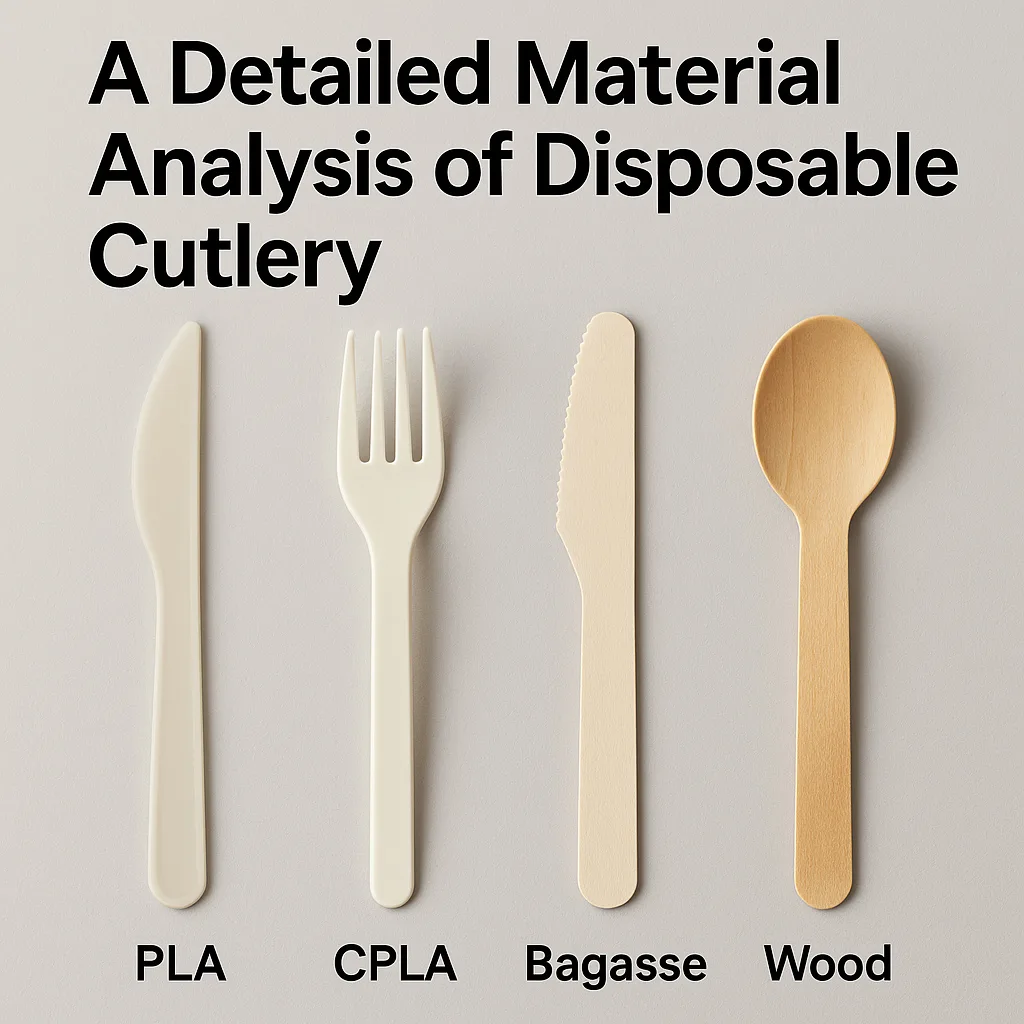
Biodegradable utensils are made from natural or plant-based materials. These materials decompose faster than plastic.
- Bagasse: Made from sugarcane fibers
- Bamboo: Strong, natural wood fibers
- PLA (Polylactic Acid): Made from corn starch
- Wood: Usually birch or other softwoods
- Rice husk: Byproduct of rice processing
Durability And Performance
Biodegradable utensils can be strong and reliable. Some materials handle heat and moisture well.
Durability varies depending on material. Choose utensils based on your needs for hot or cold foods.
- Bagasse: Good for hot and cold foods, sturdy
- Bamboo: Very strong, reusable in some cases
- PLA: Best for cold foods, melts with heat
- Wood: Strong but may absorb liquids
- Rice husk: Durable and heat resistant
Common Brands
Many brands offer biodegradable utensils. They provide options in different materials and styles.
- Eco-Products: Known for bagasse and PLA utensils
- Greenware: Offers compostable PLA cutlery
- World Centric: Uses plant-based materials
- Repurpose: Focuses on bamboo and wood utensils
- Biotrem: Specializes in wheat bran utensils
Where To Buy Biodegradable Utensils
Switching to biodegradable utensils is a good choice for the environment. You can find these utensils in many places.
It is important to know where to buy them so you get good quality and price.
Online Stores
Online stores offer many types of biodegradable utensils. You can read reviews and compare prices easily.
Shopping online saves time and delivers products to your door.
- Amazon
- Eco-friendly specialty shops
- Major retailers with green product sections
- Dedicated biodegradable product websites
Local Retailers
Many local stores now stock biodegradable utensils. You can check health food shops and supermarkets.
Buying locally lets you see the products before buying. It also supports your community.
- Health food stores
- Organic markets
- Some large grocery stores
- Specialty kitchen shops
Bulk Purchasing Options
Buying biodegradable utensils in bulk lowers the cost per item. This option is good for events or businesses.
Look for wholesalers or direct suppliers who focus on eco-friendly products.
- Wholesale eco-product suppliers
- Bulk sections of online marketplaces
- Restaurant supply stores
- Green product distributors
Credit: www.thetakeout.com
Tips For Transitioning Smoothly
Switching to biodegradable utensils helps protect the environment. It can feel hard at first, but small changes make a big difference.
These tips will help you change your habits easily and keep your daily routine simple.
Start Small
Begin by replacing one type of utensil at a time. For example, start with forks or spoons.
Buy small packs to test how well they work for you. This way, you avoid waste and see if you like the new utensils.
- Try biodegradable forks first
- Use them for picnics or small meals
- Gradually replace all utensils
Educate Family And Friends
Talk to your family and friends about why you choose biodegradable utensils. Share simple facts about how they help the earth.
Encourage them to try these utensils too. When more people join, it becomes easier to keep using eco-friendly products.
- Explain the benefits of less plastic waste
- Show how utensils break down naturally
- Invite them to use biodegradable items at gatherings
Combine With Other Eco-friendly Practices
Use biodegradable utensils along with other green habits. This creates a bigger positive impact on the environment.
Simple actions like recycling and reducing food waste help save resources and reduce pollution.
- Recycle packaging and leftovers
- Use reusable bags and containers
- Choose products with less plastic
- Compost food scraps when possible
Maintaining And Disposing Properly
Switching to biodegradable utensils helps reduce plastic waste. Proper care keeps them useful longer.
Disposing of these utensils correctly supports composting and prevents pollution.
Cleaning Guidelines
Clean biodegradable utensils gently to avoid damage. Use mild soap and warm water only.
Avoid soaking utensils for too long. Dry them completely before storage to prevent mold.
- Use soft sponges or cloths
- Do not use harsh chemicals
- Rinse thoroughly to remove soap
- Air dry in a clean place
Composting Tips
Compost biodegradable utensils in a home or community compost bin. Break large pieces for faster decay.
Check if the utensils are certified compostable. Avoid putting non-compostable materials in the bin.
- Chop utensils into small pieces
- Mix with food scraps and yard waste
- Keep compost moist but not wet
- Turn compost regularly for air flow
Avoiding Contamination
Keep biodegradable utensils separate from plastic and metal waste. Contamination harms compost quality.
Do not throw food wrappers or non-biodegradable items with these utensils. Use clear bins to sort waste.
- Label compost bins clearly
- Educate family or coworkers on sorting
- Rinse utensils before composting
- Report contamination issues to waste managers
Overcoming Common Challenges
Switching to biodegradable utensils helps the environment. Many people face some challenges when making this change.
Knowing how to handle these challenges makes the switch easier. Let’s look at common problems and solutions.
Cost Management
Biodegradable utensils can be more expensive than plastic ones. This higher cost can stop some from switching.
To manage costs, buy in bulk and compare prices from different suppliers. Look for sales and discounts.
- Purchase large quantities to get lower prices
- Check multiple suppliers for best deals
- Use utensils only when needed to reduce waste
Availability Issues
Sometimes biodegradable utensils are hard to find in stores. This can make it tough to use them all the time.
Try online shopping or local eco-friendly stores. Planning ahead helps avoid running out of supplies.
- Buy from online retailers with wide selections
- Visit local shops that focus on green products
- Keep extra utensils on hand for busy times
Changing Habits
People are used to plastic utensils. Changing to biodegradable ones needs new habits and awareness.
Start by educating yourself and others about benefits. Use reminders and set rules to encourage the change.
- Learn why biodegradable utensils matter
- Tell friends and family about your choice
- Place signs or notes near utensil areas
- Replace plastic utensils gradually
Credit: www.bioleaderpack.com
Frequently Asked Questions
What Are Biodegradable Utensils Made From?
Biodegradable utensils are made from natural materials like cornstarch, sugarcane, bamboo, or wheat bran. These materials break down easily without harming the environment. They offer a sustainable alternative to plastic utensils and help reduce landfill waste and pollution.
How To Switch To Biodegradable Utensils At Home?
Start by replacing plastic utensils with biodegradable ones in your kitchen. Buy eco-friendly options from local stores or online. Educate your family about the benefits and encourage consistent use. Dispose of used utensils properly in compost bins or green waste facilities.
Are Biodegradable Utensils Safe For Hot Food?
Yes, most biodegradable utensils are designed to withstand heat and are safe for hot food. They do not release harmful chemicals when exposed to heat. Always check product labels for temperature limits to ensure safe usage.
Where Can I Buy Biodegradable Utensils?
You can buy biodegradable utensils at eco-friendly stores, supermarkets, or online marketplaces. Many brands offer sets made from sustainable materials. Look for certifications like compostable or biodegradable to ensure product authenticity.
Conclusion
Switching to biodegradable utensils helps protect the environment. These utensils break down naturally and reduce waste. They are easy to find in many stores now. Using them supports a cleaner planet for future generations. Small changes in daily life make a big difference.
Start by replacing plastic utensils with biodegradable ones today. Every choice counts toward a healthier Earth. Choose wisely. Act now.