
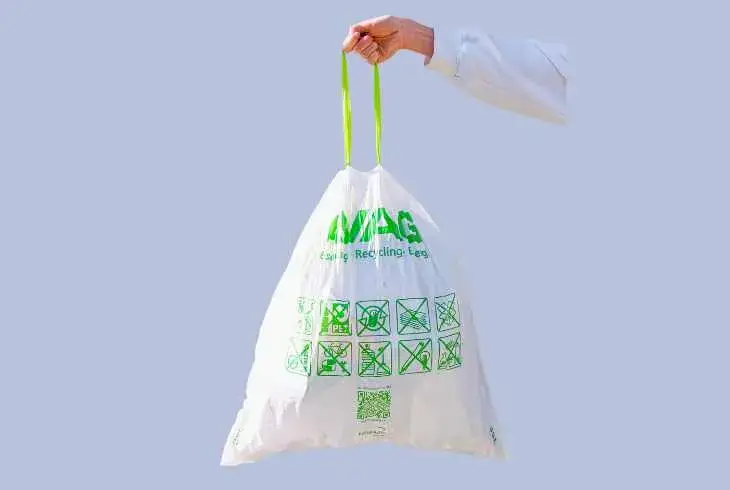
Are you ready to make a simple change that can have a big impact on the environment? Switching to biodegradable garbage bags is easier than you think, and it helps reduce plastic waste that harms our planet.
You’ll discover practical steps to make the switch without any hassle. Imagine knowing that your daily trash routine is now helping protect nature. Keep reading to find out how you can start using biodegradable bags today and join the growing movement toward a cleaner, greener home.

Credit: www.youtube.com
Benefits Of Biodegradable Bags
Switching to biodegradable garbage bags helps the environment. These bags break down naturally. They reduce plastic waste.
Biodegradable bags are safer for health. They offer many advantages over regular plastic bags.
Environmental Impact
Biodegradable bags decompose faster than plastic bags. This reduces landfill waste. It helps protect wildlife and nature.
These bags use less energy to produce. They release fewer greenhouse gases. This helps fight climate change.
Health And Safety Advantages
Biodegradable bags are made from natural materials. They do not release harmful chemicals. This makes them safer for humans and animals.
Using these bags can lead to a healthier home. They help reduce exposure to toxins found in plastic.
Cost Considerations
Biodegradable bags can cost more than plastic bags. However, they offer long-term savings by reducing environmental damage.
Some local governments offer incentives for using eco-friendly products. Check for discounts or rebates in your area.
- Look for bulk purchase options to save money
- Consider the environmental savings as a cost benefit
- Investigate local incentives for using eco-friendly bags
Choosing The Right Biodegradable Bags
Switching to biodegradable garbage bags helps reduce plastic waste. Picking the right bags is important for your needs.
Consider the material, certifications, and size before buying biodegradable bags. This guide will help you choose well.
Material Types
Biodegradable bags can be made from different materials. Each type breaks down in the environment in its own way.
Common materials include plant-based plastics, starch blends, and compostable polymers. They vary in strength and compostability.
- Plant-Based Plastics:Made from corn or sugarcane. They break down faster than regular plastic.
- Starch Blends:Mixed with natural starch to improve biodegradability.
- Compostable Polymers:Certified to break down fully in compost conditions.
Certifications To Look For
Certifications show if bags meet environmental standards. They ensure the bags break down safely and quickly.
Look for labels from trusted organizations. These certificates confirm the bag’s biodegradability or compostability.
- OK Compost:Indicates bags will compost in industrial facilities.
- ASTM D6400:A US standard for compostable plastics.
- EN 13432:A European standard for compostability.
- BPI Certification:Shows bags meet US composting standards.
Bag Sizes And Strength
Choose bag size based on your trash bin. Bags should fit well to avoid spills and tears.
Strength matters for heavy or wet waste. Strong bags prevent leaks and breakage during disposal.
- Small bags for kitchen or office waste.
- Medium bags for regular household trash.
- Large bags for yard waste or heavy loads.
- Check bag thickness and tear resistance for durability.
Where To Buy Biodegradable Bags
Switching to biodegradable garbage bags helps reduce plastic waste. Finding the right place to buy them is important.
Biodegradable bags are available in many stores and online shops. You can also buy in bulk to save money.
Local Stores
Many local stores stock biodegradable garbage bags. Check supermarkets and home goods shops near you.
Eco-friendly shops often carry a good range of biodegradable bags. Staff can help you pick the right size.
- Supermarkets
- Home improvement stores
- Eco-friendly product shops
- Garden centers
Online Options
Online stores offer many biodegradable bag brands. You can compare prices and read reviews before buying.
Websites like general retailers and specialized eco shops sell these bags. Delivery is often fast and convenient.
- Large online retailers
- Eco product websites
- Marketplace platforms
- Manufacturer websites
Bulk Purchasing Tips
Buying biodegradable bags in bulk saves money. It also reduces trips to the store.
Look for wholesale suppliers or online sellers with bulk options. Check the bag sizes and compostability standards.
- Compare prices for large packs
- Check expiration or shelf life
- Confirm environmental certifications
- Consider storage space at home
Tips For Smooth Transition
Switching to biodegradable garbage bags is good for the environment. It helps reduce plastic waste in landfills and oceans.
To make this change easy, follow some simple tips. These will help your household adjust without problems.
Gradual Replacement Strategy
Start by using biodegradable bags for small trash bins first. This helps everyone get used to the new bags.
Slowly replace all regular plastic bags with biodegradable ones. This avoids waste and saves money.
- Use biodegradable bags in the kitchen trash can
- Next, switch bathroom and bedroom bins
- Finally, replace bags for outdoor garbage bins
Educating Household Members
Explain why switching to biodegradable bags is important. Share how it helps protect nature and wildlife.
Teach everyone how to handle these bags carefully. They may break more easily than plastic bags.
- Discuss benefits of biodegradable bags at family meetings
- Show how to place trash to avoid bag tears
- Encourage saving bags for the right trash types
Proper Disposal Methods
Biodegradable bags need correct disposal to break down well. Put them in compost bins if allowed.
Check local rules for biodegradable waste. Some areas may require special pickup or composting.
- Use compost bins for food waste in biodegradable bags
- Avoid mixing with regular plastic trash
- Follow community guidelines for biodegradable waste pickup
Common Challenges And Solutions
Switching to biodegradable garbage bags is good for the environment. Many people face challenges when making this change. Knowing these issues helps find simple solutions.
This guide covers common problems like durability, cost, and availability. It offers easy ideas to fix them and use biodegradable bags with less trouble.
Durability Concerns
Biodegradable bags sometimes tear or break more than plastic bags. This can cause spills or make trash harder to carry. People worry about using bags that are not strong enough.
To avoid this, choose bags made with stronger materials. Use bags that are thick enough for your trash type. Avoid overfilling the bags to prevent tears.
- Pick bags labeled for heavy or wet waste
- Do not put sharp objects directly in bags
- Use double bags for heavy loads
Cost Management
Biodegradable bags often cost more than regular plastic bags. This higher price can stop some people from buying them. Managing costs helps make the switch easier.
Buy bags in bulk to get discounts. Compare prices from different sellers to find the best deals. Use bags only when needed to reduce waste.
- Order large packs to save money
- Look for sales or discounts
- Reuse bags if possible
Availability Issues
Biodegradable bags can be hard to find in some stores. This makes it difficult to buy them regularly. Knowing where to get bags helps keep a steady supply.
Check online shops that sell eco-friendly products. Visit local stores that focus on green or natural goods. Ask sellers to stock biodegradable bags if they do not have them.
- Buy from online eco product stores
- Support local green shops
- Request stores to carry these bags

Credit: www.ecolivingtools.com
Additional Eco-friendly Practices
Switching to biodegradable garbage bags is a good start to help the environment. You can do more to reduce waste and protect nature.
Here are some simple ways to live more eco-friendly and support a healthier planet.
Composting Organic Waste
Composting turns food scraps and garden waste into rich soil. This reduces the trash sent to landfills.
Use a compost bin at home to collect fruit peels, vegetable scraps, and coffee grounds. Avoid meat and dairy in compost.
- Set up a small bin in your kitchen for scraps
- Turn compost regularly to speed up decomposition
- Use compost in your garden to help plants grow
Reducing Overall Waste
Cut down the waste you make every day. Buy only what you need and choose products with less packaging.
Try to reuse items or repair broken things instead of throwing them away. This saves resources and money.
- Bring reusable bags to shops
- Use refillable water bottles and coffee cups
- Fix clothes or electronics instead of replacing them
Supporting Sustainable Brands
Choose brands that care about the environment. They use eco-friendly materials and fair work practices.
Buying from these brands helps reduce pollution and waste in the long run. Look for simple labels like “biodegradable” or “recycled.”
- Check if the brand uses recycled or natural materials
- Support companies with clear eco-friendly policies
- Buy products that last longer to reduce waste

Credit: greenmatterpackaging.weebly.com
Frequently Asked Questions
What Are Biodegradable Garbage Bags Made Of?
Biodegradable garbage bags are made from natural materials like cornstarch or plant-based polymers. They break down faster than plastic, reducing landfill waste and environmental impact.
How Do Biodegradable Bags Decompose?
These bags decompose through natural processes involving microbes, heat, and moisture. This accelerates breakdown, turning the bags into water, carbon dioxide, and biomass within months.
Are Biodegradable Bags As Strong As Plastic Bags?
Yes, many biodegradable bags match plastic bags’ strength. They are designed to hold typical household waste without tearing or leaking.
Can I Use Biodegradable Bags For All Trash Types?
Biodegradable bags work well for most household waste. Avoid using them for heavy or sharp objects to prevent bag damage.
Conclusion
Switching to biodegradable garbage bags helps protect the environment. These bags break down faster and cause less harm. You can find them in many stores today. Using them shows care for nature and future generations. Small changes like this make a big difference.
Start with one pack and see how easy it is. Waste less plastic, save more resources, and feel good. Choosing biodegradable bags supports a cleaner, healthier planet. A simple step, but with lasting impact.