
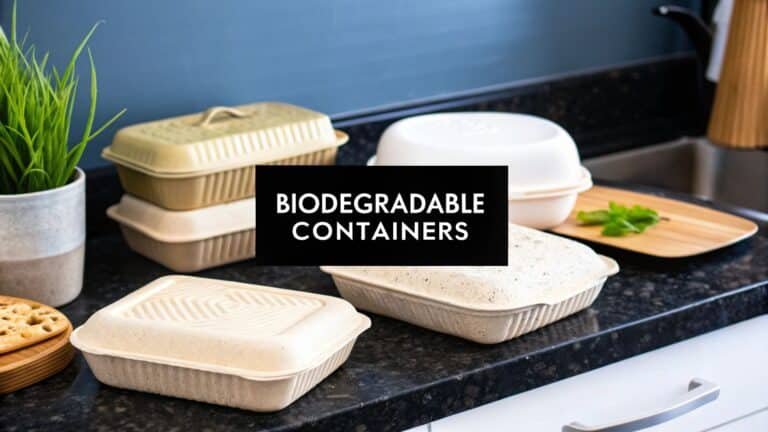
Are you ready to make a simple change that can protect the planet and improve your daily life? Switching to biodegradable containers is easier than you think—and it makes a big difference.
Imagine cutting down on plastic waste, reducing harmful pollution, and still enjoying the convenience you’re used to. You’ll discover practical steps to make the switch smoothly, save money, and feel great about your choices. Keep reading to learn how you can start using biodegradable containers today and be part of a cleaner, healthier future.

Credit: pakoro.com
Benefits Of Biodegradable Containers
Biodegradable containers are made from natural materials. They break down quickly in the environment. Switching to these containers helps the planet and people.
Understanding the benefits of biodegradable containers can guide you in making better choices. Let’s explore their impact on the environment, health, and economy.
Environmental Impact
Biodegradable containers reduce pollution. They decompose without leaving harmful waste. This helps keep our air, soil, and water clean.
Using these containers also lessens the burden on landfills. They break down faster than plastic, freeing up space for other waste.
- Decomposes naturally in a few months
- Lessens plastic waste in oceans
- Reduces carbon footprint
Health Advantages
Biodegradable containers are safer for health. They do not release toxic chemicals when breaking down. This makes them safer for food storage.
These containers also help in reducing exposure to harmful plastics. This can lower health risks linked to plastic use.
- No harmful chemicals during decomposition
- Safe for food and beverages
- Reduces health risks associated with plastics
Economic Savings
Switching to biodegradable containers can save money. Businesses may reduce waste management costs. These containers are often lighter, reducing shipping expenses.
Governments may offer incentives for using eco-friendly products. This can lead to further savings for companies.
- Lower waste management fees
- Reduced shipping costs due to lighter weight
- Possible tax benefits and incentives
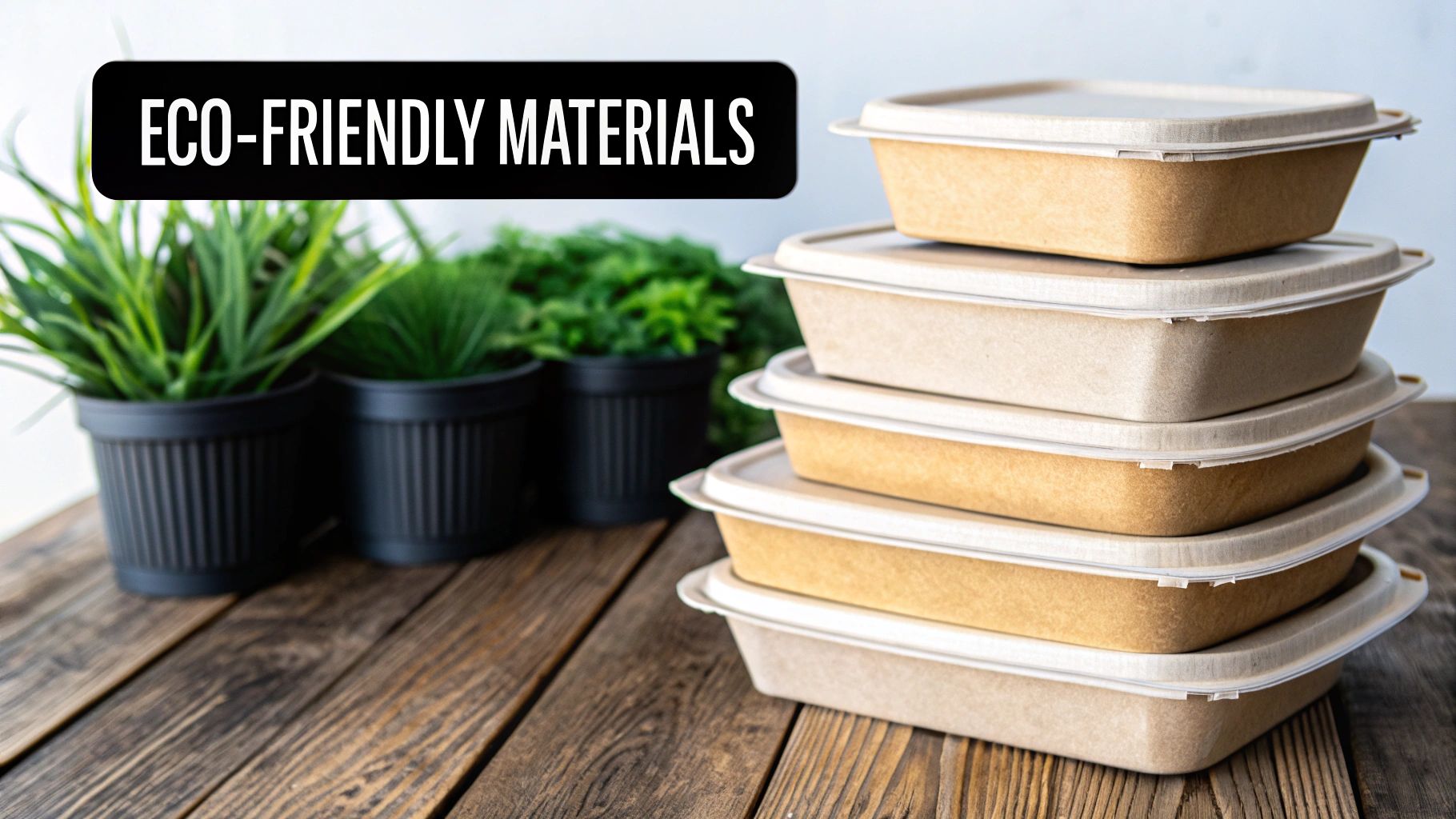
Credit: www.mrtakeoutbags.com
Types Of Biodegradable Containers
Biodegradable containers help reduce waste and protect the environment. They break down naturally after use.
These containers come in different types based on materials and uses. Understanding them helps you make better choices.
Plant-based Materials
Plant-based containers use natural ingredients like corn, sugarcane, and bamboo. These materials are renewable and break down quickly.
They are safe for food and often look like plastic. These containers reduce pollution and save resources.
- Corn starch containers
- Sugarcane bagasse trays
- Bamboo fiber boxes
Compostable Packaging
Compostable packaging breaks down into compost in a short time. It turns into healthy soil after use.
This packaging meets special standards for composting. It is ideal for food waste and garden use.
- Compostable bags made from PLA
- Paper-based containers with compostable lining
- Plant fiber cups and plates
Reusable Alternatives
Reusable containers reduce waste by being used many times. They save money and lower landfill waste.
These containers come in materials like glass, metal, and durable silicone. They are easy to clean and store.
- Glass jars and bottles
- Metal lunch boxes and tins
- Silicone food storage containers
Choosing The Right Biodegradable Container
Switching to biodegradable containers helps reduce plastic waste. Picking the right container matters for your needs and the environment.
Look at material strength, cost, and how you will use the container. These factors guide your choice.
Material Durability
Biodegradable containers come from different materials like plant fibers or starch. Each type has its own strength and lifespan.
Choose a container that holds up during use. It should resist leaks and breakage until disposal.
- Bagasse containers are strong and heat resistant
- PLA containers work well for cold foods
- Paper containers may soften with wet foods
Cost Considerations
Biodegradable containers can cost more than plastic ones. Think about your budget and container price.
Buying in bulk often lowers the cost. Balance price with quality to avoid waste.
- Compare prices from different suppliers
- Check for discounts on large orders
- Consider long-term savings from waste reduction
Usage Suitability
Pick containers that fit your food type and serving style. Some are better for hot meals; others for cold or dry items.
Think about whether the container needs to be microwaved or stacked for transport.
- Use compostable trays for hot and oily foods
- Choose clear PLA containers for salads and desserts
- Pick sturdy boxes for takeout and delivery
Simple Steps To Make The Switch
Switching to biodegradable containers helps reduce waste and protect the environment. Many people want to make this change but do not know where to start.
Following some easy steps can make the switch smooth and effective. This guide explains how to begin and what to consider along the way.
Assess Current Usage
Look at the containers you use now. Check their size, type, and quantity. Knowing this helps you find the right biodegradable options.
Write down what you use most. This shows which containers to replace first and which to keep for now.
- Note container sizes and shapes
- Count how many containers you use weekly
- Identify containers for hot or cold items
- Record how containers are disposed of
Find Reliable Suppliers
Search for suppliers who sell biodegradable containers. Check if their products meet your needs and standards.
Compare prices and delivery options. Good suppliers help you keep a steady supply without delays.
- Look for certified biodegradable products
- Ask for samples before buying large amounts
- Check customer reviews and ratings
- Choose suppliers with good customer service
Test And Transition Gradually
Start by using biodegradable containers in small amounts. Watch how they work for your needs and how customers react.
Slowly replace more containers as you learn what works best. This reduces waste and cost during the change.
- Try biodegradable containers with popular items first
- Get feedback from staff and customers
- Adjust ordering amounts based on use
- Train staff on handling new containers
Maintaining And Disposing Containers Properly
Switching to biodegradable containers helps reduce plastic waste. To get the best results, you must maintain and dispose of them correctly.
Proper care keeps containers useful longer. Proper disposal helps the environment and supports composting efforts.
Cleaning Tips
Clean biodegradable containers gently to protect their material. Use mild soap and water after each use.
Avoid harsh scrubbing or strong chemicals that can damage the container’s surface.
- Rinse containers with warm water first
- Use soft sponges or cloths for washing
- Air dry containers to prevent mold
- Do not use bleach or strong detergents
Composting Guidelines
Not all biodegradable containers break down in home compost. Check if your container is compostable at home or needs industrial composting.
Cut larger containers into smaller pieces to help compost faster. Add them to your compost pile with other organic waste.
- Confirm compostability on the label
- Remove any non-compostable parts
- Cut containers into small pieces
- Mix with food scraps and yard waste
- Keep compost moist and turn regularly
Avoiding Contamination
Contamination can stop biodegradable containers from breaking down properly. Keep containers free from plastic or metal parts.
Do not mix biodegradable containers with regular trash or recycling. This helps maintain a clean compost stream.
- Remove stickers and labels before composting
- Do not throw containers with food residue into recycling
- Separate biodegradable containers from plastics
- Follow local composting rules for disposal
Encouraging Others To Adopt Eco-friendly Containers
Switching to biodegradable containers helps protect the environment. You can inspire others to make this change.
Sharing ideas and actions can build a community that cares for the planet. Small steps make a big difference.
Sharing Knowledge
Teach friends and family about the benefits of eco-friendly containers. Explain how they reduce waste and pollution.
Use simple facts and examples to show the impact of plastic waste. Share tips on where to buy biodegradable options.
- Explain the harm of plastic containers
- Show how biodegradable containers break down
- Suggest easy ways to switch
- Share trusted brands and stores
Community Initiatives
Start local groups that promote eco-friendly containers. Organize events to raise awareness in your area.
Work with schools, shops, and restaurants to encourage using biodegradable containers. Create a stronger eco-friendly network.
- Host workshops on eco-friendly living
- Partner with local businesses for discounts
- Set up container swap or recycling programs
- Share stories of successful switches
Incentives And Rewards
Offer small rewards to people who choose biodegradable containers. Rewards motivate others to try eco-friendly options.
Recognize efforts in your community with certificates or public praise. Celebrate each step toward a cleaner environment.
- Give discounts or coupons for eco-friendly containers
- Organize contests with eco-friendly prizes
- Highlight people who make green choices
- Share progress updates to keep motivation high

Credit: pakoro.com
Frequently Asked Questions
What Are Biodegradable Containers Made Of?
Biodegradable containers are made from natural materials like cornstarch, sugarcane, bamboo, or plant fibers. These materials break down easily and reduce environmental impact.
How To Identify Biodegradable Containers?
Look for labels stating “biodegradable” or certifications like ASTM D6400. These indicate the container will decompose safely in composting conditions.
Are Biodegradable Containers Safe For Food Use?
Yes, biodegradable containers are food-safe and free from harmful chemicals. They preserve food freshness while being eco-friendly.
Can I Compost Biodegradable Containers At Home?
Some biodegradable containers can be composted at home, but many require industrial composting facilities. Check product instructions for proper disposal methods.
Conclusion
Switching to biodegradable containers helps protect our planet. These containers break down naturally and reduce waste. Choosing them supports a cleaner environment for future generations. Small changes in daily habits make a big difference. Start with one type of container and expand slowly.
Soon, eco-friendly choices become a normal part of life. Together, we create a healthier world for all.