
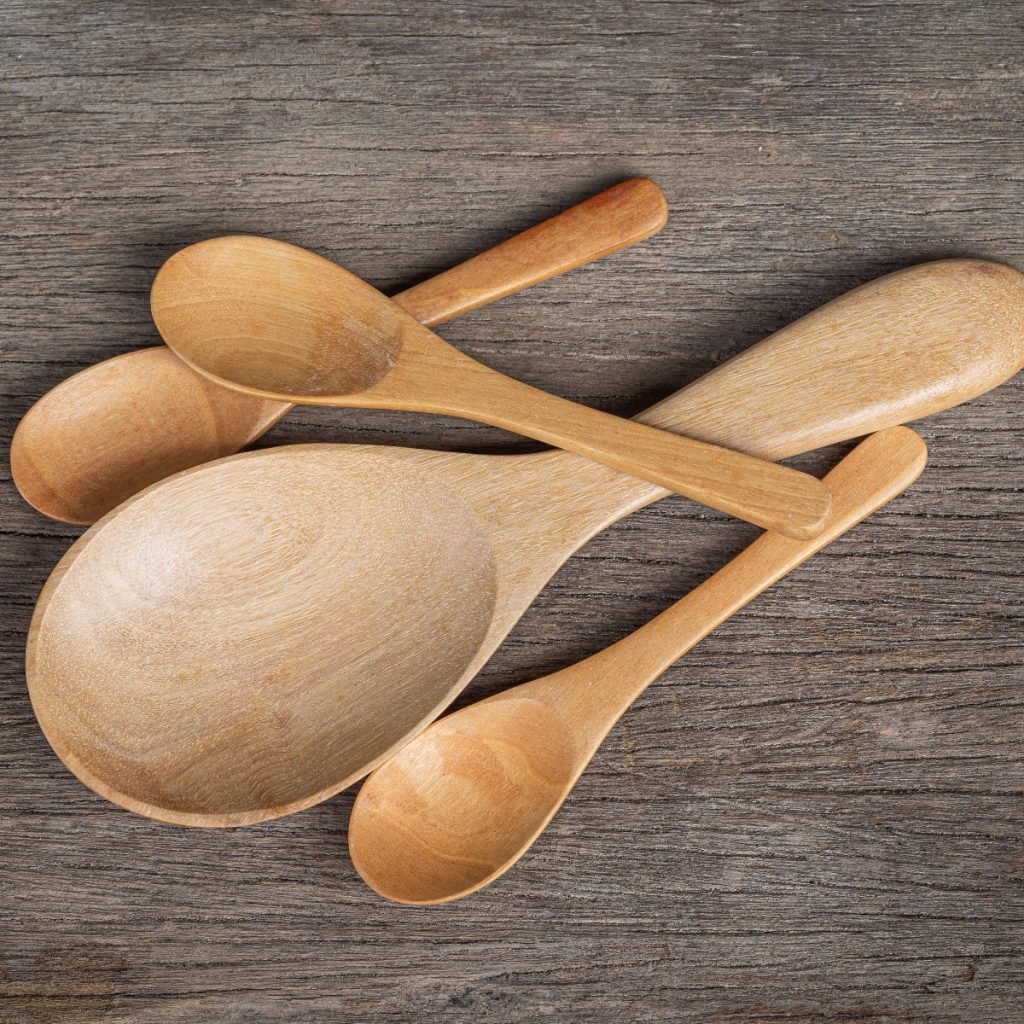
Are you ready to make a simple change that can improve your kitchen and help the planet? Switching to bamboo or wooden utensils is easier than you think—and the benefits go beyond just looks.
Imagine cooking with tools that are gentle on your cookware, safe for your health, and kind to the environment. You’ll discover practical tips to make the switch smoothly, so your kitchen feels fresh and eco-friendly. Keep reading, and you’ll learn how small changes in your daily routine can create a big impact.

Credit: www.amazon.com
Benefits Of Bamboo And Wooden Utensils
Switching to bamboo or wooden utensils is a wise choice. They offer many benefits for your kitchen and the planet.
These utensils are not just practical, they are also safe and stylish. Let’s explore their advantages.
Eco-friendly Advantages
Bamboo and wooden utensils are great for the environment. They are biodegradable and come from renewable resources.
Using these materials helps reduce plastic waste and pollution. They are a natural choice for a greener lifestyle.
- Bamboo grows quickly and needs little water
- Wooden utensils decompose naturally
- Less energy is used in their production
Health And Safety Benefits
Bamboo and wooden utensils are safe for cooking. They do not leach harmful chemicals into food.
They are gentle on non-stick pans, preventing scratches. This keeps your cookware in good condition longer.
- No risk of toxins in your meals
- Safe for all types of cookware
- They do not conduct heat, preventing burns
Aesthetic And Durability
These utensils add a natural look to your kitchen. Their simple design suits any decor style.
Bamboo and wooden utensils are strong and long-lasting. They withstand daily use without breaking easily.
- Elegant and timeless appearance
- Durable enough for everyday cooking
- They age beautifully, gaining character
Credit: www.amazon.com
Choosing The Right Utensils
Switching to bamboo or wooden utensils is a great step for your kitchen. These utensils are eco-friendly and safe for cooking.
It is important to choose the right utensils that fit your needs. This guide will help you understand the options.
Types Of Bamboo Utensils
Bamboo utensils come in many shapes and sizes. They are light and strong, perfect for daily use.
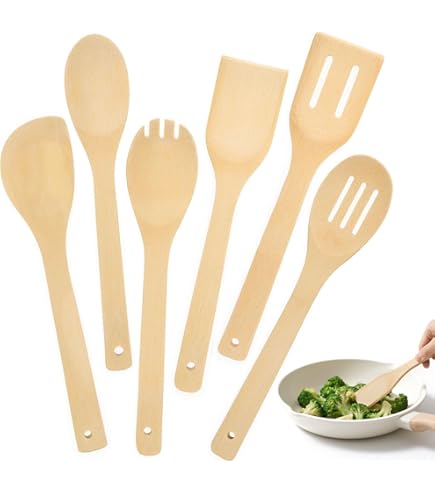
Common bamboo utensils include spoons, spatulas, forks, and chopsticks. Each serves a special purpose in cooking.
- Bamboo spoons for stirring and serving
- Bamboo spatulas for flipping and frying
- Bamboo forks for salads and meals
- Bamboo chopsticks for Asian dishes
Types Of Wooden Utensils
Wooden utensils come from different types of wood. Each type has its look and feel.
You can find wooden spoons, ladles, forks, and tongs. They are sturdy and last a long time.
- Hardwood spoons for stirring thick foods
- Ladles for serving soups and stews
- Wooden forks for salads and grilling
- Tongs for handling hot food safely
Quality And Certification Tips
Check the quality of bamboo or wooden utensils before buying. Good quality means safe and long-lasting use.
Look for certifications that show the utensils are made without harmful chemicals. This helps keep your food safe.
- Choose utensils with smooth, splinter-free surfaces
- Look for food-safe and non-toxic certifications
- Avoid utensils treated with harmful chemicals
- Pick brands that use sustainable materials
Where To Buy Eco-friendly Utensils
Switching to bamboo or wooden utensils helps reduce plastic waste. Choosing the right place to buy them is important for quality and sustainability.
There are many options for buying eco-friendly utensils. You can find them in local stores, online shops, or even second-hand markets.
Local Stores And Markets
Many local stores now carry bamboo and wooden utensils. Check out health food stores, eco-friendly shops, and farmers markets near you.
Visiting local markets lets you see and feel the utensils before buying. You can also ask sellers about how the products are made.
- Health food stores
- Eco-friendly shops
- Farmers markets
- Craft fairs
Online Eco-shops
Online stores offer a wide variety of bamboo and wooden utensils. You can compare prices and read reviews easily before buying.
Look for shops that focus on sustainable products. Check if they provide information about the source of their utensils.
- Eco-friendly product websites
- Specialty kitchenware stores
- Marketplaces for handmade goods
Second-hand And Upcycled Options
You can find used wooden utensils at thrift stores or flea markets. Some artisans also create new utensils from reclaimed wood.
Buying second-hand reduces waste and gives old utensils a new life. Look for items that are still in good condition.
- Thrift shops
- Flea markets
- Upcycled craft stores
- Online second-hand marketplaces

Credit: www.amazon.com
Transitioning Your Kitchen
Switching to bamboo or wooden utensils is a great way to make your kitchen eco-friendly. These utensils are safe, durable, and add a natural look to your cooking space.
Changing your kitchen tools takes time. You can plan the switch carefully to avoid waste and keep your kitchen organized.
Gradual Replacement Strategy
Start by replacing a few plastic or metal utensils each week. This helps you get used to the feel and care of wooden tools.
Focus on utensils you use most. It could be spoons, spatulas, or salad tossers. This way, you replace items step by step.
- Buy one or two wooden utensils each shopping trip
- Try them in your daily cooking
- Remove old utensils as you add new ones
- Replace worn-out utensils first
Storing And Organizing
Bamboo and wooden utensils need dry storage to last longer. Avoid leaving them wet in the sink or closed drawers.
Use utensil holders or hangers to keep them aired and easy to reach. This also shows off their natural look in your kitchen.
- Keep utensils dry before storing
- Use open containers or holders
- Hang utensils with hooks if possible
- Separate wooden tools from metal to avoid damage
Combining With Existing Utensils
You do not need to replace all utensils at once. Bamboo and wooden tools can work well with your current kitchen items.
Mix them in different tasks. Use wooden spoons for stirring and metal ones for cutting. This helps you adjust smoothly.
- Use wooden utensils for non-stick pans
- Keep metal tools for heavy-duty tasks
- Mix materials to find what works best
- Replace old utensils as needed
Caring For Bamboo And Wooden Utensils
Bamboo and wooden utensils are eco-friendly and last long with proper care. Treat them gently to keep their natural beauty and function.
Cleaning and maintaining these utensils correctly prevents cracks, stains, and odors. This guide covers simple care tips for your kitchen tools.
Cleaning Techniques
Wash bamboo and wooden utensils by hand using warm water and mild soap. Avoid soaking them in water for a long time to stop warping.
Rinse well and dry immediately with a clean towel. Do not put wooden utensils in the dishwasher, as heat and water damage them.
- Use a soft sponge or cloth for cleaning
- Do not use harsh chemicals or bleach
- Dry utensils fully before storing
Maintenance And Oiling
Oiling wooden and bamboo utensils keeps them strong and prevents drying out. Use food-safe mineral oil or beeswax oil for best results.
Apply oil evenly with a soft cloth. Let the oil soak in for a few hours or overnight, then wipe off any extra oil before use.
- Oil utensils once a month or when dry
- Use oils safe for food contact only
- Keep utensils away from heat while oiling
Avoiding Common Damage
Avoid putting bamboo and wooden utensils in the dishwasher or microwave. These can cause cracks and warping.
Do not leave utensils in water or near heat sources. Store them in a dry, well-ventilated place to prevent mold and mildew.
- Keep utensils dry and clean after use
- Do not use metal scrubbers or harsh brushes
- Replace utensils if deep cracks or splits appear
Sustainable Lifestyle Tips
Switching to bamboo or wooden utensils helps protect the environment. These materials are natural and break down easily.
Using eco-friendly utensils reduces waste and supports a healthier planet. Small changes can make a big difference.
Reducing Plastic Use
Plastic utensils harm oceans and wildlife. Choosing bamboo or wooden ones lowers plastic waste in landfills.
These natural utensils can be reused and composted after use. They last longer and do not release toxins.
- Bamboo and wood are biodegradable materials
- Reusable utensils reduce single-use plastic
- Natural materials avoid harmful chemicals
Supporting Eco-friendly Brands
Buy utensils from brands that care about the environment. Look for companies using sustainable sources and fair labor.
Support helps eco-friendly businesses grow. It encourages others to adopt green practices.
- Check if products are certified sustainable
- Choose brands with transparent practices
- Prefer locally made utensils to reduce shipping
Educating Family And Friends
Share why bamboo and wooden utensils matter. Explain how they help reduce pollution and save resources.
Encourage others to try these utensils. Small group efforts can lead to bigger change in communities.
- Talk about the benefits of natural materials
- Show how to care for wooden and bamboo utensils
- Organize small events to raise awareness
Frequently Asked Questions
What Are The Benefits Of Bamboo And Wooden Utensils?
Bamboo and wooden utensils are eco-friendly and biodegradable. They do not release harmful chemicals. These utensils are durable, lightweight, and gentle on cookware surfaces, promoting sustainable living and reducing plastic waste.
How To Clean Bamboo And Wooden Utensils Properly?
Clean bamboo and wooden utensils with mild soap and warm water. Avoid soaking them for long periods. Dry immediately to prevent cracking or warping. Regular oiling keeps them smooth and extends their lifespan.
Are Bamboo And Wooden Utensils Safe For Cooking?
Yes, bamboo and wooden utensils are safe for cooking. They do not react with acidic foods or leach toxins. Their natural material resists bacteria growth when cleaned and maintained properly.
Can Bamboo And Wooden Utensils Replace Plastic Ones?
Absolutely. Bamboo and wooden utensils are strong, reusable, and eco-friendly alternatives to plastic. They reduce plastic pollution and are suitable for various cooking tasks, making them ideal replacements.
Conclusion
Switching to bamboo or wooden utensils helps protect the environment. These utensils last long and feel nice to use. They do not harm your health like some plastics can. Cleaning them is simple and fast. Choosing natural materials supports a healthier lifestyle.
Small changes like this make a big difference over time. Try swapping just one utensil first. See how easy and rewarding it can be. Your kitchen and the planet will thank you.