
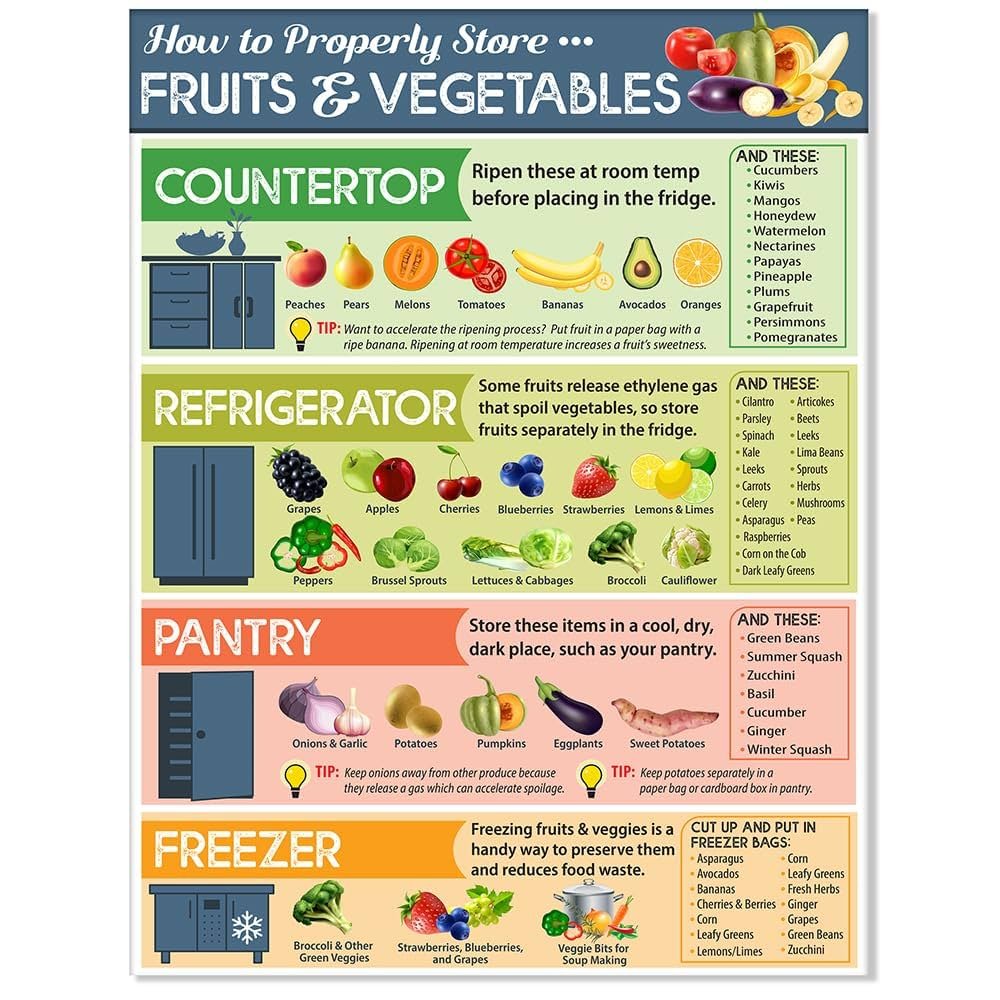
Are you tired of your fresh vegetables going bad too quickly? Properly storing your veggies can save you money, reduce waste, and keep your meals tasty and nutritious.
You’ll discover simple, effective tips to keep your vegetables fresh for longer. Whether you have a full fridge or just a small kitchen space, these easy steps will help you make the most of your produce. Keep reading, and you’ll never have to throw away spoiled veggies again!
Credit: ific.org
Choosing The Right Storage Location
Storing vegetables properly helps keep them fresh and tasty. The right location depends on the type of vegetable.
Choosing between refrigeration and room temperature and understanding humidity can extend the life of your vegetables.
Refrigeration Vs. Room Temperature
Some vegetables need cool temperatures to stay fresh, while others do better at room temperature. Knowing where to store them keeps vegetables crisp and flavorful.
- Refrigerate leafy greens like spinach and lettuce to keep them crisp.
- Root vegetables like carrots and beets last longer in the fridge.
- Tomatoes and potatoes do better stored at room temperature.
- Onions and garlic keep well in a cool, dry place outside the fridge.
- Use the fridge for broccoli and cauliflower to keep them fresh.
Understanding Humidity Levels
| Vegetable | Preferred Humidity | Storage Tip |
| Leafy Greens | High (85-95%) | Use a crisper drawer with a damp cloth |
| Carrots | High | Keep in perforated plastic bags |
| Onions | Low (50-60%) | Store in a cool, dry, dark place |
| Tomatoes | Low | Keep at room temperature away from sunlight |
| Potatoes | Low | Store in a paper bag in a dark place |
Optimal Storage Containers
Using the right containers helps keep vegetables fresh longer. Proper storage stops spoilage and saves money.
Choosing containers depends on your needs and the type of vegetables. Let’s explore common options.
Plastic Vs. Glass Containers
Plastic containers are light and inexpensive. They often have tight lids to seal freshness.
Glass containers are heavier but do not stain or hold odors. They are good for long storage.
| Feature | Plastic Containers | Glass Containers |
|---|---|---|
| Weight | Light | Heavy |
| Durability | Can crack or warp | Strong and long-lasting |
| Stain & Odor | May retain odors | Resistant to stains and odors |
| Microwave Safe | Depends on type | Usually safe |
| Cost | Lower | Higher |
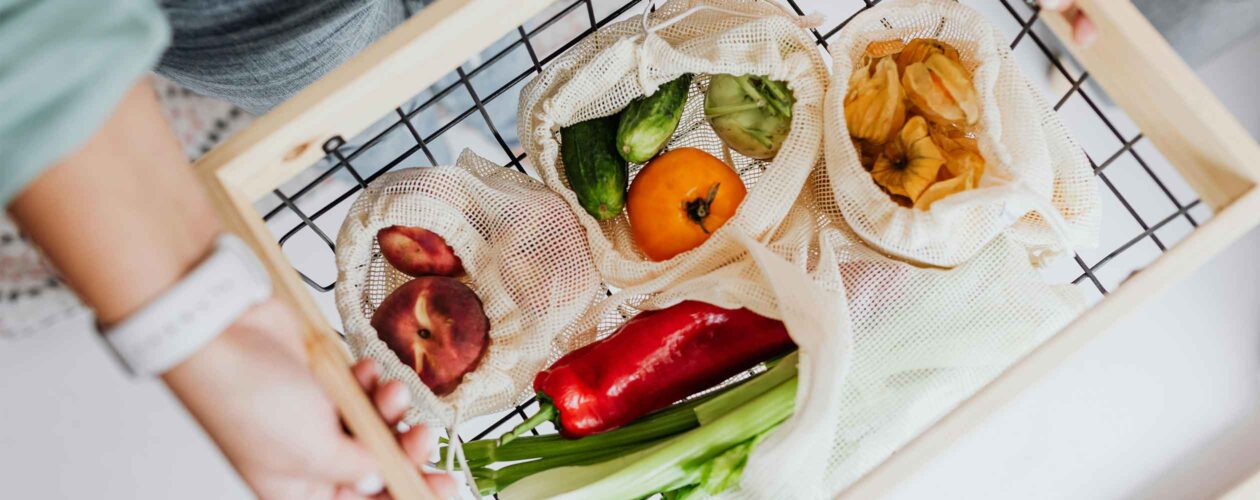
Using Reusable Bags
Reusable bags are flexible and save space. They allow air circulation to keep vegetables fresh.
- Choose bags made of breathable materials like cotton or mesh
- Keep vegetables dry before storing in bags
- Wash bags regularly to prevent bacteria buildup
- Label bags to track how long vegetables are stored
Storing Leafy Greens
Leafy greens like spinach, kale, and lettuce spoil quickly if not stored well. Proper storage keeps them fresh and crisp longer.
Learn simple ways to wash, dry, and keep moisture balanced for your greens.
Washing And Drying Techniques
Wash leafy greens under cold running water to remove dirt and bugs. Avoid soaking them too long to keep nutrients intact.
- Fill a large bowl with cold water
- Submerge leaves and gently swish to loosen dirt
- Lift leaves out to avoid dirt settling back
- Rinse under running water for extra cleaning
- Dry thoroughly with a salad spinner or clean towel
Maintaining Moisture Balance
Too much moisture causes leaves to rot, while too little makes them wilt. Keep the right moisture level to stay fresh.
| Storage Method | Tips |
| Paper Towel Wrap | Wrap washed leaves in paper towels to absorb excess water |
| Plastic Bag with Holes | Use perforated bags for air circulation and moisture control |
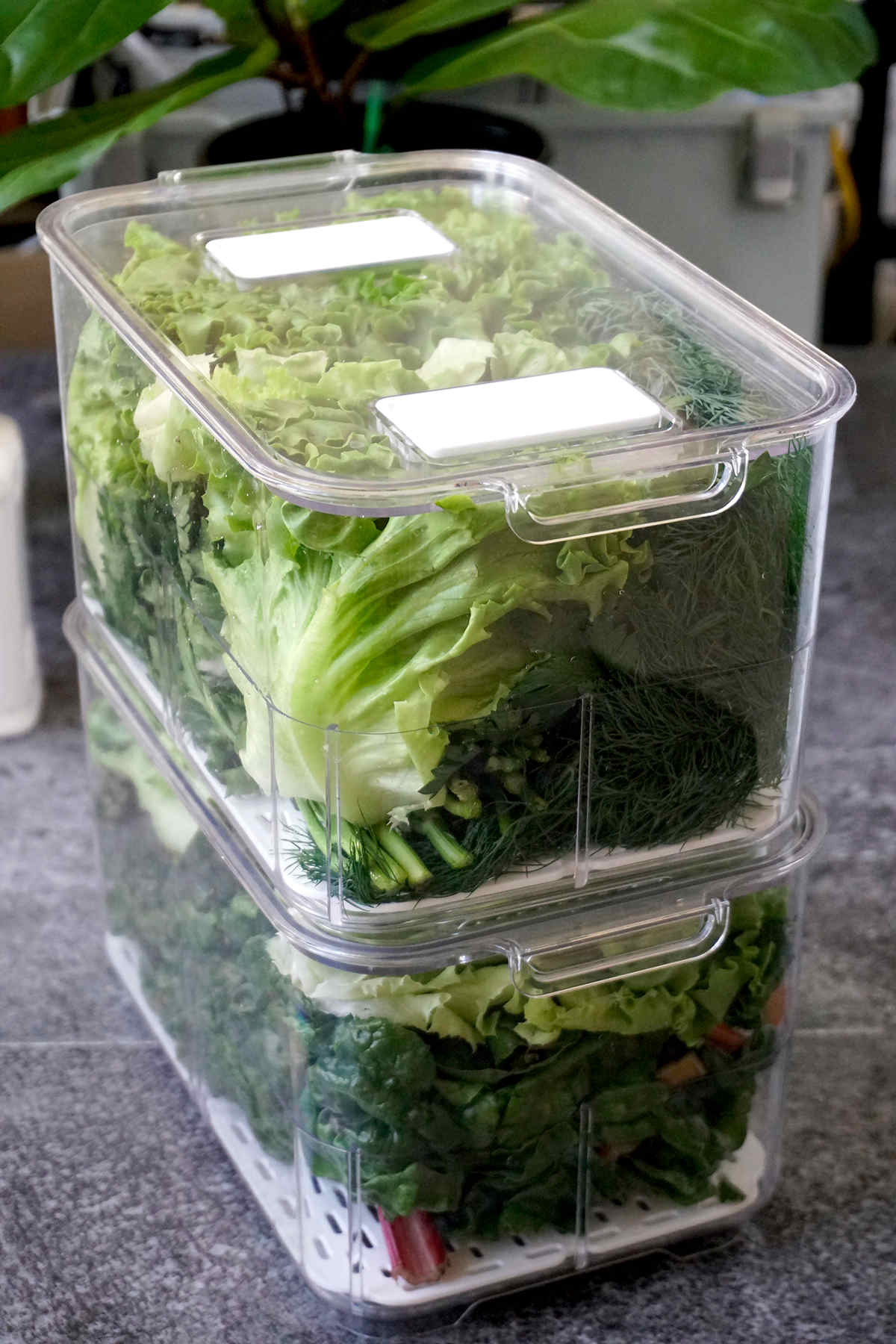
| Reusable Produce Bags | Store dry greens inside mesh bags for breathability |
| Container with Lid | Place paper towels inside container to prevent sogginess |
Credit: healthytasteoflife.com
Root Vegetables Preservation
Storing root vegetables the right way keeps them fresh longer. These vegetables need special care to stay crisp and tasty.
Proper storage slows down spoilage and prevents waste. Focus on the right environment and moisture control for best results.
Cool And Dark Environments
Root vegetables last longer in cool, dark places. Heat and light cause sprouting and softening. Ideal storage is between 32°F and 40°F.
- Use a cellar, basement, or refrigerator drawer.
- Keep vegetables away from sunlight.
- Store in paper bags or perforated plastic to allow air flow.
- Check regularly for spoilage or sprouting.
Avoiding Moisture Exposure
Moisture causes root vegetables to rot quickly. Too much water leads to mold and decay. Keep roots dry but not shriveled.
| Vegetable | Storage Tip | Ideal Condition |
|---|---|---|
| Carrots | Wrap in paper towels before storing | Cool, dark, and slightly humid |
| Potatoes | Store loose, not sealed in plastic | Cool, dark, dry |
| Beets | Remove tops, store in perforated bags | Cool, dark, moist but not wet |
| Turnips | Keep in breathable containers | Cool, dark, humid |
Herbs And Aromatics
Storing herbs and aromatics properly keeps their flavor and freshness longer. These plants can be delicate and need special care.
Choosing the right method helps reduce waste and saves money. Learn how to store them fresh or frozen for best results.
Freezing Vs. Fresh Storage
Freezing herbs locks in their flavor for months. Fresh storage keeps herbs crisp but only lasts a few days.
- Freezing:Wash, dry, chop, and place in airtight containers or ice cube trays with water or oil.
- Fresh Storage:Store herbs in a glass of water or wrap in a damp cloth inside the fridge.
- Best for Freezing:Basil, parsley, chives, dill, and cilantro.
- Best for Fresh Storage:Mint, thyme, rosemary, oregano, and tarragon.
Using Damp Paper Towels
Damp paper towels create a moist environment that keeps herbs fresh longer. This method prevents wilting and drying.
| Herb | Storage Tip | Duration |
| Basil | Wrap in damp paper towel, keep at room temperature | 3-5 days |
| Parsley | Wrap in damp paper towel, store in fridge | 5-7 days |
| Cilantro | Wrap in damp paper towel, place in sealed bag in fridge | 5-7 days |
| Mint | Wrap in damp paper towel, store in fridge | 7-10 days |
Fruits And Vegetables Separation
Storing fruits and vegetables properly can keep them fresh longer. One key factor is keeping them apart.
Different fruits and vegetables release gases that affect each other’s freshness. Knowing how to separate them helps reduce spoilage.
Ethylene Gas Impact
Some fruits release ethylene gas, which speeds up ripening. This gas can make nearby vegetables spoil faster.
- Fruits that release ethylene: apples, bananas, avocados, pears, and tomatoes.
- Vegetables sensitive to ethylene: lettuce, carrots, broccoli, and cucumbers.
- Store ethylene-producing fruits separately from sensitive vegetables.
Avoiding Cross-contamination
Cross-contamination happens when bacteria from one food spread to another. Keeping fruits and vegetables separate lowers this risk.
| Tips to Avoid Cross-Contamination |
| Use separate storage containers for fruits and vegetables. |
| Wash hands before handling fresh produce. |
| Clean cutting boards and knives after each use. |
| Store raw vegetables away from fruits that might drip juices. |
Identifying Signs Of Spoilage
Knowing when vegetables spoil helps you avoid eating bad food. Spoiled vegetables can taste bad and cause stomach problems.
Look for signs of spoilage before cooking or eating. These signs include how vegetables look, feel, and smell.
Visual And Tactile Indicators
Check vegetables for changes in color or texture. Dark spots, mold, or slimy surfaces show spoilage.
Feel the vegetables for softness or mushiness. Fresh vegetables are firm and crisp, while spoiled ones are soft or slimy.
- Discoloration such as dark or dull spots
- Mold growth on the surface
- Soft, mushy, or slimy texture
- Wrinkled or shriveled skin
Smell As A Spoilage Detector
Smell vegetables before use. A fresh vegetable has a mild, earthy scent.
A strong, sour, or rotten smell means the vegetable is spoiled. Trust your nose to spot bad produce.
- Fresh vegetables smell mild and clean
- Sour or fermented odors indicate spoilage
- Rotten or foul smells mean the vegetable is bad
Tips For Prolonging Freshness
Storing vegetables properly helps keep them fresh for longer. This reduces waste and saves money.
Simple steps in storage can maintain the quality and taste of your vegetables.
Regular Inventory Checks
Check your vegetables often to spot any that are spoiling. Remove bad ones quickly to protect others.
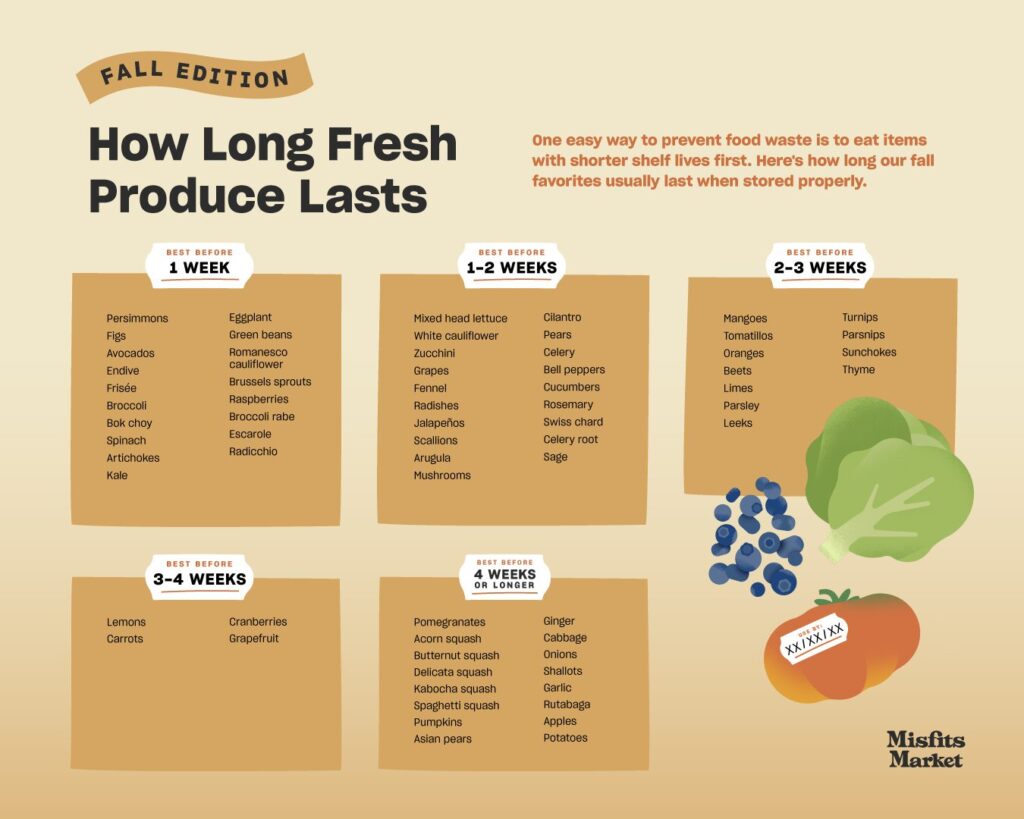
Organize your storage so older vegetables are used first. This keeps your supplies fresh and reduces waste.
- Look for soft spots or mold
- Use a first-in, first-out system
- Store vegetables in clear containers
- Keep a list of what you have
Using Preservative Methods
Some simple ways can slow down vegetable spoilage. Keep vegetables dry and cool to help them last.
Use paper towels or cloth to absorb moisture. Avoid washing vegetables before storing unless needed.
- Wrap leafy greens in paper towels
- Store root vegetables in a dark, cool place
- Use perforated bags for air flow
- Keep ethylene-producing fruits separate from vegetables
Credit: blog.misfitsmarket.com
Frequently Asked Questions
How Do I Keep Vegetables Fresh Longer?
Store vegetables in a cool, dry place or refrigerator. Use perforated bags to allow airflow. Avoid washing before storing to prevent moisture buildup and mold growth.
Which Vegetables Should Not Be Refrigerated?
Avoid refrigerating potatoes, onions, and tomatoes. Keep them in a cool, dark, and dry place. Refrigeration can alter their texture and flavor negatively.
Can I Freeze Vegetables For Long-term Storage?
Yes, blanch vegetables before freezing to preserve nutrients and texture. Use airtight containers or freezer bags. Label with date for easy tracking.
How Do I Store Leafy Greens Properly?
Wrap leafy greens in a damp paper towel. Place them in a plastic bag or container. Store in the refrigerator’s crisper drawer for best freshness.
Conclusion
Proper vegetable storage keeps them fresh and tasty longer. Store each type in the right place. Use breathable bags or containers to avoid moisture. Keep your fridge clean and organized. Check vegetables often for signs of spoilage. Toss any that look bad quickly.
This simple care saves money and reduces waste. Enjoy fresh vegetables in your meals every day. Small habits make a big difference in food quality. Start storing your vegetables properly today for better health.