

Are you sure you’re storing your raw meat the right way? Improper storage can lead to spoiled food, wasted money, and even serious health risks.
You might think keeping meat in the fridge is enough, but there’s more to it than just that. You’ll discover simple, practical tips to keep your raw meat fresh and safe. By learning these easy steps, you’ll protect your family from harmful bacteria and enjoy your meals without worry.
Keep reading to find out how you can store raw meat safely every time.
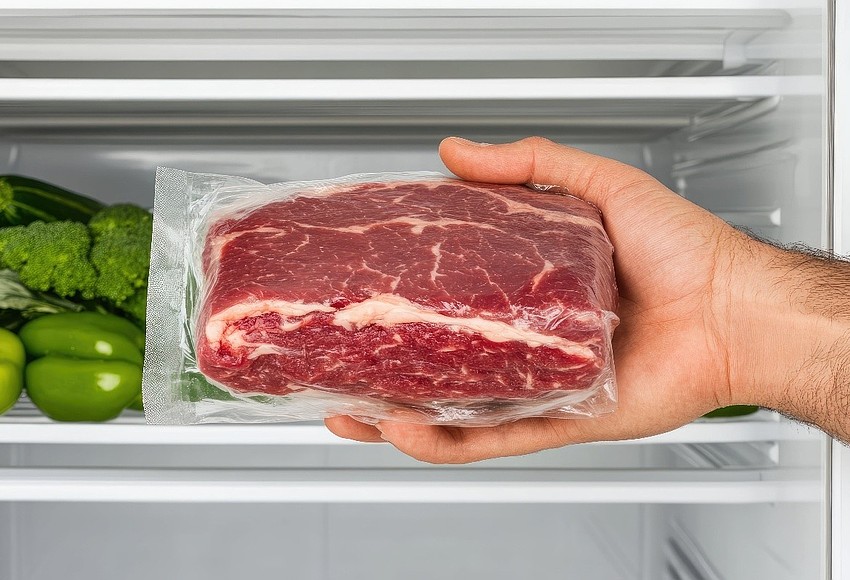
Credit: northpennnow.com
Choosing The Right Storage Containers
Storing raw meat safely is important for health. Containers help keep meat fresh and prevent bacteria.
Choose containers that are clean and strong. They should seal well to keep air out.
Benefits Of Airtight Containers
Airtight containers keep meat fresh longer. They stop air from getting in and causing spoilage.
These containers are reusable and help avoid freezer burn. They are a great choice for your kitchen.
- Prevents odors from spreading
- Reduces the risk of contamination
- Keeps meat juicy and tasty
Using Freezer Bags Effectively
Freezer bags are good for storing meat. They are easy to use and take up less space.
Label each bag with the date and type of meat. This helps you track freshness and use meat before it spoils.
| Step | Description |
| 1 | Place meat in the bag |
| 2 | Squeeze out extra air |
| 3 | Seal tightly |
| 4 | Label with date |

Credit: aaes.uada.edu
Proper Refrigeration Techniques
Storing raw meat safely is very important to stop bacteria growth. Proper refrigeration helps keep meat fresh and safe to eat.
Using the right fridge settings and organizing meat correctly can reduce the risk of contamination and spoilage.
Ideal Temperature Settings
Keep your refrigerator at or below 40°F (4°C) to slow bacteria growth. Use a fridge thermometer to check the temperature.
Do not freeze and thaw meat repeatedly. Keep frozen meat at 0°F (-18°C) or lower to preserve quality and safety.
- Fridge temperature: 32°F to 40°F (0°C to 4°C)
- Freezer temperature: 0°F (-18°C) or lower
- Check temperature often with a thermometer
- Adjust settings if the fridge is too warm
Organizing Meat In The Fridge
Store raw meat on the lowest shelf to stop juices from dripping onto other foods. Use sealed containers or plastic wrap.
Keep different types of meat separate to avoid cross-contamination. Label packages with the date to track freshness.
- Place raw meat on bottom shelves only
- Use containers or sealed bags to hold meat
- Keep meat away from ready-to-eat foods
- Label and date packages before storing
Freezing Raw Meat Correctly
Freezing raw meat keeps it fresh for a long time. It stops bacteria from growing and slows down spoilage.
Proper freezing helps keep the meat’s taste and texture. You need to wrap and store it carefully.
Wrapping Methods To Prevent Freezer Burn
Freezer burn happens when air reaches the meat surface. It dries out the meat and changes its flavor.
Use tight wrapping to keep air away. This stops freezer burn and keeps the meat fresh longer.
- Wrap meat in plastic wrap or aluminum foil tightly.
- Use freezer paper with the plastic side touching the meat.
- Place wrapped meat in a sealed freezer bag and push out all air.
- Vacuum seal the meat if you have the right equipment.
Labeling And Dating Meat Packages
Labeling meat helps you know what it is without opening the package. It also shows when you froze it.
Use clear labels and write the date you froze the meat. This helps you use older meat first.
- Write the type of meat on the label.
- Add the date you put it in the freezer.
- Use a permanent marker that won’t fade.
- Place the label on the outside of the package.

Credit: argentineasado.com
Safe Thawing Practices
Thawing raw meat safely is important to stop bacteria growth. Unsafe thawing can cause foodborne illness.
Use proper thawing methods to keep meat fresh and safe to cook.
Thawing In The Refrigerator
Thaw meat in the fridge to keep it at a safe temperature. This method takes time but is very safe.
Place meat on a plate or tray to catch any drips. Keep it on the bottom shelf to avoid contaminating other foods.
- Plan ahead as this can take several hours to days
- Keep fridge temperature at or below 40°F (4°C)
- Cook meat soon after thawing
Using Cold Water Thawing
Cold water thawing is faster than the fridge but needs more attention. Use cold water to keep meat safe.
Keep meat in a sealed plastic bag to stop water from touching it. Change water every 30 minutes to keep it cold.
- Use cold tap water only
- Change water every 30 minutes
- Cook meat immediately after thawing
- Do not use warm or hot water
Avoiding Room Temperature Thawing
Never thaw meat on the counter or at room temperature. This allows bacteria to grow quickly.
Room temperature thawing can cause meat to be unsafe to eat, even after cooking.
- Do not leave meat out for more than 2 hours
- Use fridge or cold water methods instead
- Keep meat covered and away from other foods
Handling And Hygiene Tips
Storing raw meat safely is very important to keep food fresh. Good handling and hygiene help stop germs from spreading.
Following simple rules can protect your family from food illness. Clean hands and tools are key.
Preventing Cross-contamination
Cross-contamination happens when raw meat touches other foods or surfaces. This spreads bacteria and causes sickness.
Always keep raw meat separate from cooked foods and fresh produce. Use different cutting boards and knives for meat.
- Wash hands before and after handling raw meat
- Use separate containers for raw meat in the fridge
- Do not reuse marinades used on raw meat without cooking them
- Clean all surfaces that touch raw meat with hot, soapy water
Cleaning Storage Areas Regularly
Keep your fridge and storage areas clean to stop bacteria growth. Clean spills and crumbs quickly.
Check your fridge often and remove old or expired meat. Clean shelves and drawers with warm water and soap.
- Use a mild disinfectant safe for food areas
- Dry shelves before putting food back
- Clean fridge seals and handles regularly
- Keep raw meat in sealed containers to avoid leaks
Signs Of Spoiled Meat
Knowing how to spot spoiled meat helps keep your family safe. Raw meat can go bad even in the fridge.
Look for clear signs before cooking or eating meat. These signs show if the meat is no longer safe.
Visual Indicators
Fresh meat has a bright, natural color. Spoiled meat changes color and looks different.
Watch for these color changes as signs of spoilage.
- Gray or green spots on the surface
- Darkening or dull color instead of bright red or pink
- Sticky or slimy coating on the meat
- Presence of mold or unusual patches
Smell And Texture Changes
Good meat has a mild, fresh smell. Spoiled meat smells sour, ammonia-like, or rotten.
Texture also changes when meat goes bad. It may feel slimy, sticky, or overly soft.
- A strong, unpleasant odor
- Slippery or sticky surface when touched
- Meat feels mushy or falls apart easily
Frequently Asked Questions
How Long Can Raw Meat Be Stored Safely?
Raw meat can be stored safely in the refrigerator for 1-2 days. In the freezer, it lasts 3-12 months depending on the meat type. Always check the use-by date and keep meat properly sealed to avoid contamination.
What Temperature Should Raw Meat Be Stored At?
Raw meat should be stored at or below 40°F (4°C) in the refrigerator. Freezing requires 0°F (-18°C) or lower to keep meat safe for longer periods and prevent bacterial growth.
How Should Raw Meat Be Packaged For Storage?
Raw meat should be tightly wrapped in plastic wrap, foil, or airtight containers. Vacuum sealing is best to prevent freezer burn and contamination. Label packages with dates for easy tracking.
Can Raw Meat Be Stored With Other Foods?
Raw meat should be stored separately from ready-to-eat foods. Use sealed containers and place meat on lower shelves to prevent juices from dripping onto other foods and causing cross-contamination.
Conclusion
Storing raw meat safely keeps your food fresh and healthy. Always keep meat cold and use clean containers. Avoid leaving meat out for long periods. Separate raw meat from other foods to stop germs. Label packages with dates to track freshness.
Following these steps helps prevent sickness and waste. Safe storage is simple and protects your family. Keep these tips in mind every time you shop. Your careful handling makes a big difference.