
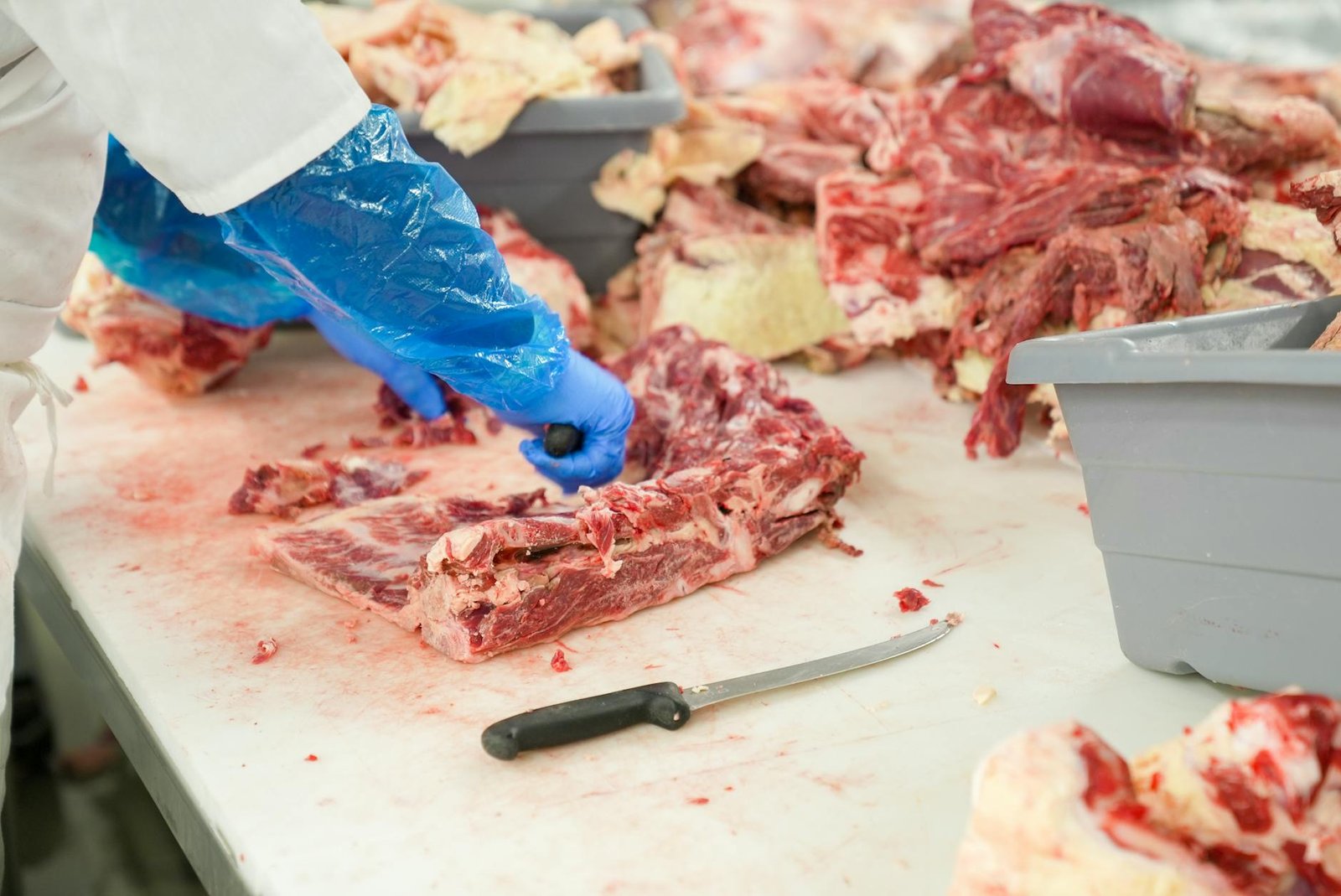
Are you sure you’re storing raw meat the right way? Handling raw meat without proper care can lead to bacteria growth, bad smells, and even food poisoning.
But don’t worry—keeping your meat fresh and safe doesn’t have to be complicated. You’ll discover simple, practical steps to store raw meat hygienically. By the end, you’ll feel confident that your meat stays fresh longer and your family stays healthy.
Keep reading to protect your food and your loved ones!

Credit: www.souleskitchen.com
Choosing The Right Storage Containers
Storing raw meat safely is important to stop germs from spreading. The right containers keep meat fresh and clean.
Using good containers helps prevent leaks and bad smells. It also stops meat from touching other foods.
Types Of Containers
There are many containers to choose from. Each type has its own use for storing raw meat.
- Plastic containers:Lightweight and easy to clean. Look for BPA-free options.
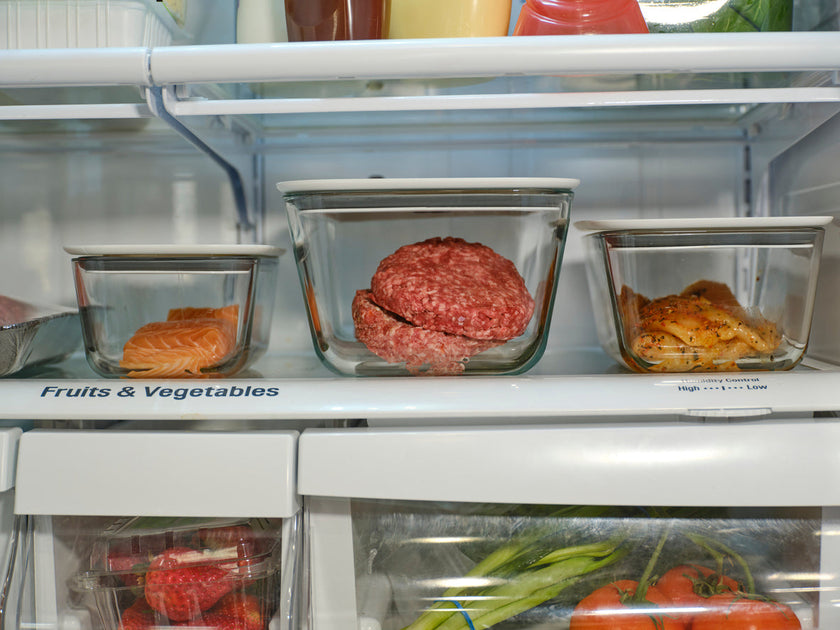
- Glass containers:Non-porous and do not hold odors. They are safe for freezer use.
- Stainless steel containers:Durable and resist stains. Good for short-term storage.
- Vacuum-sealed bags:Remove air to keep meat fresh longer.
Benefits Of Airtight Seals
Airtight seals block air and moisture from entering containers. This helps keep raw meat safe and fresh.
Sealed containers stop bacteria growth and reduce freezer burn. They also prevent strong smells from spreading.
- Keep meat fresh for longer
- Stop cross-contamination
- Prevent leaks and spills
- Maintain meat quality and texture

Credit: www.youtube.com
Optimal Refrigerator Settings
Storing raw meat safely helps stop germs from growing. The right refrigerator settings keep meat fresh longer.
Check your fridge temperature and shelf placement. These keep raw meat safe and prevent cross-contamination.
Temperature Guidelines
Keep your fridge cold enough to slow bacteria growth. Raw meat should be stored below 40°F (4°C).
Use a fridge thermometer to monitor the exact temperature. Adjust the settings if it is too warm or too cold.
- Ideal fridge temperature: 32°F to 40°F (0°C to 4°C)
- Freezer should be 0°F (-18°C) or lower
- Check temperature weekly for safety
Proper Shelf Placement
Place raw meat on the lowest shelf. This stops juices from dripping onto other foods and causing contamination.
Keep raw meat in a sealed container or plastic bag. This adds extra protection and keeps your fridge clean.
- Bottom shelf prevents drip contamination
- Use trays or containers to catch leaks
- Separate raw meat from ready-to-eat foods
- Do not overcrowd the fridge to allow air flow
Freezer Storage Techniques
Storing raw meat in the freezer keeps it fresh for longer. Proper techniques protect the meat’s quality and safety.
Using the right methods helps avoid waste and saves money. It also stops harmful bacteria from growing.
Long-term Freezing Tips
Freeze raw meat as soon as possible after buying. This keeps it fresh and safe for months.
Divide large pieces into smaller portions. This makes thawing faster and reduces waste.
- Use airtight containers or freezer bags
- Remove excess air to prevent freezer burn
- Label packages with date and type of meat
- Set freezer temperature below 0°F (-18°C)
Preventing Freezer Burn
Freezer burn happens when meat loses moisture. It causes dry spots and bad taste.
To stop freezer burn, wrap meat tightly. Use plastic wrap, foil, or vacuum sealers.
- Double wrap meat for extra protection
- Avoid leaving air pockets inside packaging
- Do not keep meat in the freezer too long
- Keep freezer door closed to maintain temperature
Labeling And Date Tracking
Storing raw meat safely is very important. Labeling and tracking dates help keep meat fresh and safe to eat.
Clear labels show what type of meat is inside. Date tracking tells you when the meat was stored or should be used.
Importance Of Date Stamps
Date stamps tell you the exact day the meat was packed or frozen. This helps you use the oldest meat first.
Using date stamps reduces waste. It also lowers the risk of eating spoiled meat that can cause illness.
- Date stamps help track meat freshness easily.
- They prevent confusion about how long meat has been stored.
- Date stamps support safe food handling rules.
- They make cleaning out the freezer or fridge simpler.
Using Color-coded Labels
Color-coded labels make it quick to identify meat types or storage dates. Each color can mean something different.
For example, red labels can show fresh meat. Blue labels might mark meat frozen for longer storage.
- Red: Fresh meat, use soon.
- Yellow: Meat ready to cook.
- Blue: Frozen meat, store longer.
- Green: Meat that is marinated or prepared.
Separating Meat From Other Foods
Storing raw meat properly keeps your kitchen safe. It helps stop germs from spreading to other foods.
Separating meat from other foods is important. This lowers the risk of food poisoning.
Avoiding Cross-contamination
Cross-contamination happens when germs spread from raw meat to other foods. This can cause illness.
Keep raw meat away from ready-to-eat foods. Use different containers and utensils to stop germs from moving.
- Use separate cutting boards for meat and vegetables
- Wash hands after handling raw meat
- Clean surfaces and tools with hot, soapy water
- Keep meat sealed in leak-proof bags or containers
Designating Specific Areas
Set aside special spots in your fridge and kitchen for raw meat. This stops it from touching other foods.
Store raw meat on the bottom shelves. This stops juices from dripping onto other food below.
- Use labeled containers for raw meat
- Keep meat away from fruits and vegetables
- Clean the designated area regularly
- Use separate fridge drawers if possible
Hygienic Handling Practices
Storing raw meat safely helps prevent illness. Clean handling stops harmful germs from spreading.
Follow simple rules to keep meat fresh and safe at home. This protects your family’s health.
Safe Meat Handling
Always wash your hands before and after touching raw meat. Use separate cutting boards for meat and other foods.
Keep raw meat in sealed containers to avoid contact with other foods. Store it in the coldest part of your fridge.
- Wash hands with soap for 20 seconds
- Use dedicated knives and boards for meat
- Keep raw meat wrapped or in sealed containers
- Store meat at or below 40°F (4°C)
Cleaning Tools And Surfaces
After handling raw meat, clean all tools and surfaces well. Use hot water and soap to kill bacteria.
Sanitize cutting boards, knives, and counters regularly. Dry items completely to prevent germs from growing.
- Wash cutting boards and knives with hot, soapy water
- Sanitize surfaces with a mild bleach solution
- Use separate cloths for meat areas
- Air dry cleaned tools and surfaces
Signs Of Spoilage
Storing raw meat safely is very important. Spoiled meat can cause sickness.
Look for signs that show meat is no longer good to eat. These signs help keep food safe.
Visual And Smell Indicators
Check the meat’s color and texture. Fresh meat looks bright and moist. Spoiled meat may look dull or slimy.
- Color change to gray, green, or brown means spoilage.
- Sticky or slimy surface shows bacteria growth.
- Strong, sour, or rotten smell signals bad meat.
- Fresh meat has a mild, clean smell.
Always trust your nose and eyes before cooking raw meat.
Understanding Expiration Dates
Expiration dates guide you on how long meat stays fresh. Use or freeze meat before the date ends.
Different dates may appear on packages. Know what they mean to stay safe.
- Use-By Date:The last day meat is safe to eat.
- Sell-By Date:Stores use this to manage stock, not safety.
- Best-Before Date:Quality may drop after this, but meat can be safe.
Eco-friendly Storage Options
Storing raw meat safely is important to avoid germs and spoilage. Using eco-friendly options helps protect the planet too.
Choosing reusable and low-waste storage methods keeps your food fresh and reduces plastic trash.
Reusable Storage Solutions
Reusable containers like glass jars and stainless steel boxes keep meat fresh without waste. They are easy to clean and last long.
Beeswax wraps can cover meat tightly. They are natural, washable, and biodegradable.
- Glass containers with tight lids prevent leaks
- Stainless steel boxes are durable and odor-free
- Beeswax wraps replace single-use plastic wrap
- Silicone bags are flexible and reusable
Minimizing Plastic Use
Plastic bags and wraps pollute the environment. Reducing their use lowers plastic waste in landfills and oceans.
Use cloth bags or paper wraps for short-term storage. These materials break down naturally and are safer for nature.
- Avoid single-use plastic whenever possible
- Choose compostable paper or cloth for wrapping
- Recycle or reuse plastic containers if you must use them
- Freeze meat in eco-friendly containers to prevent spoilage
Credit: grassrootscoop.com
Frequently Asked Questions
How Long Can Raw Meat Be Stored Safely?
Raw meat can be stored safely in the refrigerator for 1-2 days. For longer storage, freeze it at 0°F (-18°C) or below. Always use airtight containers or sealed bags to prevent contamination and freezer burn.
What Is The Best Temperature To Store Raw Meat?
Raw meat should be stored at or below 40°F (4°C) in the refrigerator. Freezing requires 0°F (-18°C) or lower. Keeping meat at these temperatures slows bacterial growth and maintains freshness.
Should Raw Meat Be Stored Separately From Other Foods?
Yes, store raw meat separately from ready-to-eat foods. Use sealed containers or plastic bags to avoid cross-contamination. Keep raw meat on the lowest refrigerator shelf to prevent drips onto other foods.
Can Raw Meat Be Stored In The Freezer Without Packaging?
No, raw meat should always be wrapped tightly before freezing. Use freezer-safe bags, vacuum sealers, or airtight containers. Proper packaging prevents freezer burn and preserves quality.
Conclusion
Storing raw meat safely keeps your food fresh and healthy. Always use clean containers and wrap meat properly. Keep meat cold in the fridge or freezer. Avoid cross-contamination by separating raw meat from other foods. Check storage times and never use spoiled meat.
These simple steps protect your family from foodborne illness. Safe storage is easy and worth the effort. Remember, good habits make your kitchen safer every day.