
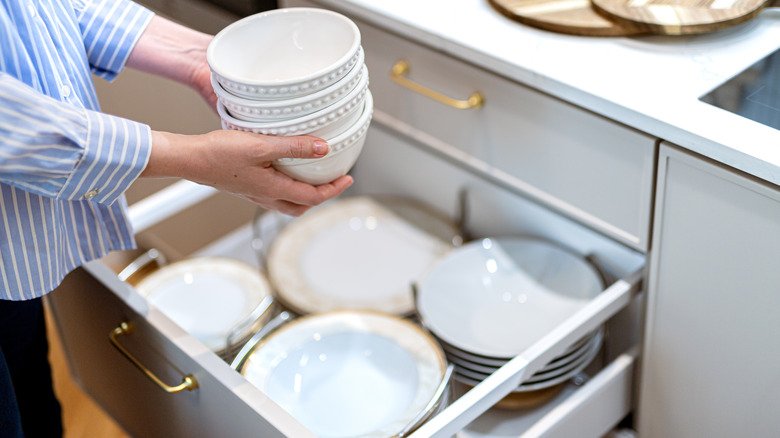
Are your kitchen cabinets overflowing with plates and bowls, making it hard to find what you need? You’re not alone.
Storing these everyday essentials efficiently can save you time, reduce clutter, and even protect your dishes from damage. Imagine opening your cupboard and instantly spotting the right plate or bowl without digging through a mess. You’ll discover simple, practical tips that make your storage smarter and your kitchen more enjoyable.
Ready to transform your space and bring order to your kitchen? Let’s dive in!
Choosing The Right Storage
Storing plates and bowls efficiently saves space and keeps your kitchen tidy. Choosing the right storage is important for keeping your dishes safe and accessible.
Consider the size and shape of your plates and bowls. This helps in selecting the best storage solutions that fit your needs.
Stacking Techniques
Stacking is a common way to store plates and bowls. It helps save space in cabinets and on shelves.
Stack similar-sized plates together. For bowls, nest them inside each other to maximize space.
- Stack heavier items at the bottom
- Use plate dividers for safety
- Avoid stacking too high to prevent tipping
Using Vertical Space
Using vertical space is a smart way to store dishes. This method helps free up counter space and reduces clutter.
Install shelves or racks on walls. Place plates and bowls vertically to save more space.
- Use wall-mounted racks for easy access
- Consider adjustable shelves for flexibility
- Place seldom-used items on higher shelves
Selecting Suitable Containers
Containers protect your plates and bowls. They are useful for organizing and keeping dishes clean and dust-free.
Choose containers that fit your cabinet space. Transparent ones help you see what is inside easily.
- Pick stackable containers for more space
- Ensure containers are durable and easy to clean
- Label containers for quick identification
Organizing Plates
Keeping plates and bowls organized saves space and time. It also protects your dishes from damage.
Using the right techniques makes your kitchen neat and easy to use. Here are tips to organize plates well.
Sorting By Size And Type
Sort plates by their size to stack them safely. Keep large plates separate from small ones.
Group plates by type like dinner plates, salad plates, and bowls. This helps you find what you need fast.
- Stack dinner plates together
- Place salad plates in a separate stack
- Keep bowls in their own group
- Use dividers to separate types if needed
Using Plate Racks
Plate racks hold plates vertically to save space. They also prevent plates from rubbing against each other.
Choose racks that fit your cabinet size. Adjustable racks work well for different plate sizes.
- Place racks inside cabinets or on countertops
- Use vertical racks for easy access
- Adjust rack slots to fit plate thickness
- Keep heavy plates at the bottom
Protecting Fragile Plates
Fragile plates need extra care to avoid chips and cracks. Use padding between plates for safety.
Soft liners or cloth napkins work well to cushion plates. Avoid stacking fragile plates too high.
- Use felt or foam liners between plates
- Do not overload stacks
- Store fragile plates in a separate space
- Handle plates gently when stacking and unstacking
Arranging Bowls
Storing plates and bowls properly saves space and keeps your kitchen neat. Bowls often take up more room than plates. Organizing them well makes your kitchen more functional.
There are smart ways to arrange bowls to use space efficiently. This guide focuses on easy ideas for storing bowls.
Nesting Bowls Efficiently
Nesting means placing smaller bowls inside bigger ones. This reduces the space bowls take in cabinets or drawers. Make sure bowls fit well without scratching.
Sort bowls by size and shape. Stack similar bowls together. Avoid mixing heavy and light bowls to keep stacks stable.
- Place largest bowls at the bottom
- Put smaller bowls inside bigger ones
- Keep bowls with similar shapes together
- Check for chips or cracks before stacking
Utilizing Cabinet Doors
Cabinet doors can hold extra storage racks or hooks. Use this space to hang small bowls or lids. This frees up shelf space inside cabinets.
Attach racks with strong adhesive or screws. Make sure the racks fit your bowls and open smoothly without hitting other items.
- Install small racks on cabinet doors
- Hang small or lightweight bowls
- Use hooks for bowl handles or lids
- Check door clearance before installing
Incorporating Drawer Dividers
Drawer dividers keep bowls separated and organized. They prevent bowls from moving and clashing while opening drawers. This helps avoid chips and breaks.
Use adjustable dividers to fit different bowl sizes. Soft padding or liners can add extra protection. Keep frequently used bowls near the front.
- Place dividers to create separate sections
- Use padding to protect delicate bowls
- Store bowls by size or use
- Keep heavy bowls at the back or bottom
Credit: styledegree.sg
Maximizing Kitchen Cabinets
Storing plates and bowls in kitchen cabinets can be tricky. Using space well keeps your kitchen neat.
Good storage helps you find what you need fast. It also protects your dishes from damage.
Adjustable Shelves
Adjustable shelves let you change shelf height. This fits plates and bowls of different sizes.
You can stack plates vertically or place bowls safely. Adjust shelves to avoid wasted space.
- Move shelves to fit tall or short items
- Create separate spots for plates and bowls
- Use shelf liners to prevent slipping
Pull-out Drawers
Pull-out drawers make it easy to reach dishes at the back. You can see everything without moving items.
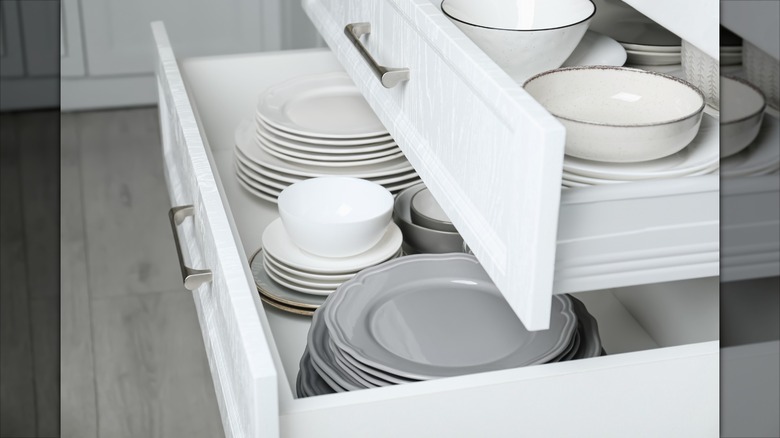
Drawers help organize plates and bowls by size or type. Use dividers to keep dishes from shifting.
- Install soft-close drawers to protect dishes
- Use dividers for stacking plates safely
- Label drawers for quick finding
Corner Cabinet Solutions
Corner cabinets often waste space. Special solutions help you store dishes in these tricky spots.
Lazy Susans or pull-out trays make plates and bowls easy to reach. These tools use all the space well.
- Lazy Susans spin to show all dishes
- Pull-out trays slide out for full access
- Use stackable organizers to save room
Creative Storage Ideas
Storing plates and bowls can be tricky in small kitchens. Using smart ideas can save space and keep your kitchen tidy.
Try different storage solutions to make your dishware easy to reach and well organized.
Using Wall-mounted Racks
Wall-mounted racks free up cabinet space by using vertical areas. They keep plates and bowls visible and easy to grab.
You can install racks near your dining or cooking area for quick access. Metal or wooden racks fit many kitchen styles.
- Install plate racks with slots to hold plates upright
- Use hooks or shelves for bowls and small plates
- Place racks at a reachable height for safety
Repurposing Everyday Items
Look around your home for items that can store dishes. This saves money and adds a unique look to your kitchen.
Items like magazine holders, wooden crates, or wine racks can hold plates and bowls neatly.
- Use magazine holders to keep plates upright inside cabinets
- Turn wooden crates on their sides for open shelves
- Stack wine racks horizontally for bowl storage
Portable Storage Options
Portable storage helps if you often move dishes between rooms. It keeps plates and bowls safe during transport.
Use carts or trays with raised edges to hold your dishes firmly. Choose lightweight but sturdy materials for easy handling.
- Rolling carts with shelves hold many dishes at once
- Serving trays with grips prevent slipping
- Stackable containers protect bowls and plates
Credit: www.mashed.com
Maintaining Organized Storage
Keeping plates and bowls stored well saves space. It also makes your kitchen look neat.
Organized storage helps you find items fast. It avoids clutter and keeps things safe.
Regular Decluttering
Check your plates and bowls often. Remove any broken or unused items.
Decluttering frees up space. It also stops your storage from getting crowded.
- Sort items by use and size
- Donate or recycle extra dishes
- Keep only what you need daily
Labeling Systems
Label your shelves or containers. This helps you find plates and bowls quickly.
Use simple tags or stickers. Make sure labels are clear and easy to read.
- Label by size, type, or use
- Use waterproof labels for durability
- Update labels when you change storage
Routine Cleaning Tips
Clean your plates and bowls before storing them. Dirt can cause stains or damage.
Wipe shelves and storage areas often. This keeps dust and grime away.
- Wash dishes with mild soap
- Dry items completely before storing
- Use liners to protect shelves
Credit: www.thetakeout.com
Frequently Asked Questions
How Can I Prevent Plates From Chipping During Storage?
Use soft liners between plates to cushion them. Stack plates carefully to avoid pressure. Store heavier plates at the bottom to prevent damage.
What Is The Best Way To Stack Bowls Efficiently?
Nest bowls inside each other by size. Place a soft cloth or liner between to avoid scratches. Keep frequently used bowls on top.
Are Vertical Racks Good For Storing Plates?
Yes, vertical racks save space and keep plates accessible. They prevent stacking pressure and reduce the risk of chipping or cracking.
How Can I Maximize Cabinet Space For Plates And Bowls?
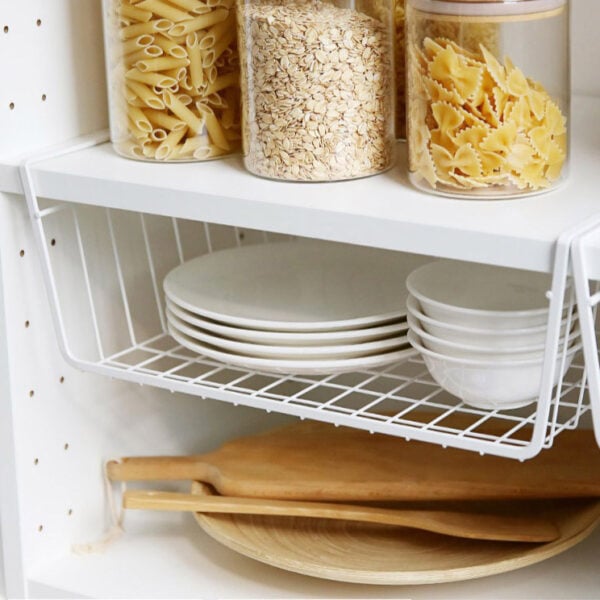
Use adjustable shelves or stackable organizers. Store plates vertically or nest bowls efficiently. Utilize door-mounted racks or under-shelf baskets for extra storage.
Conclusion
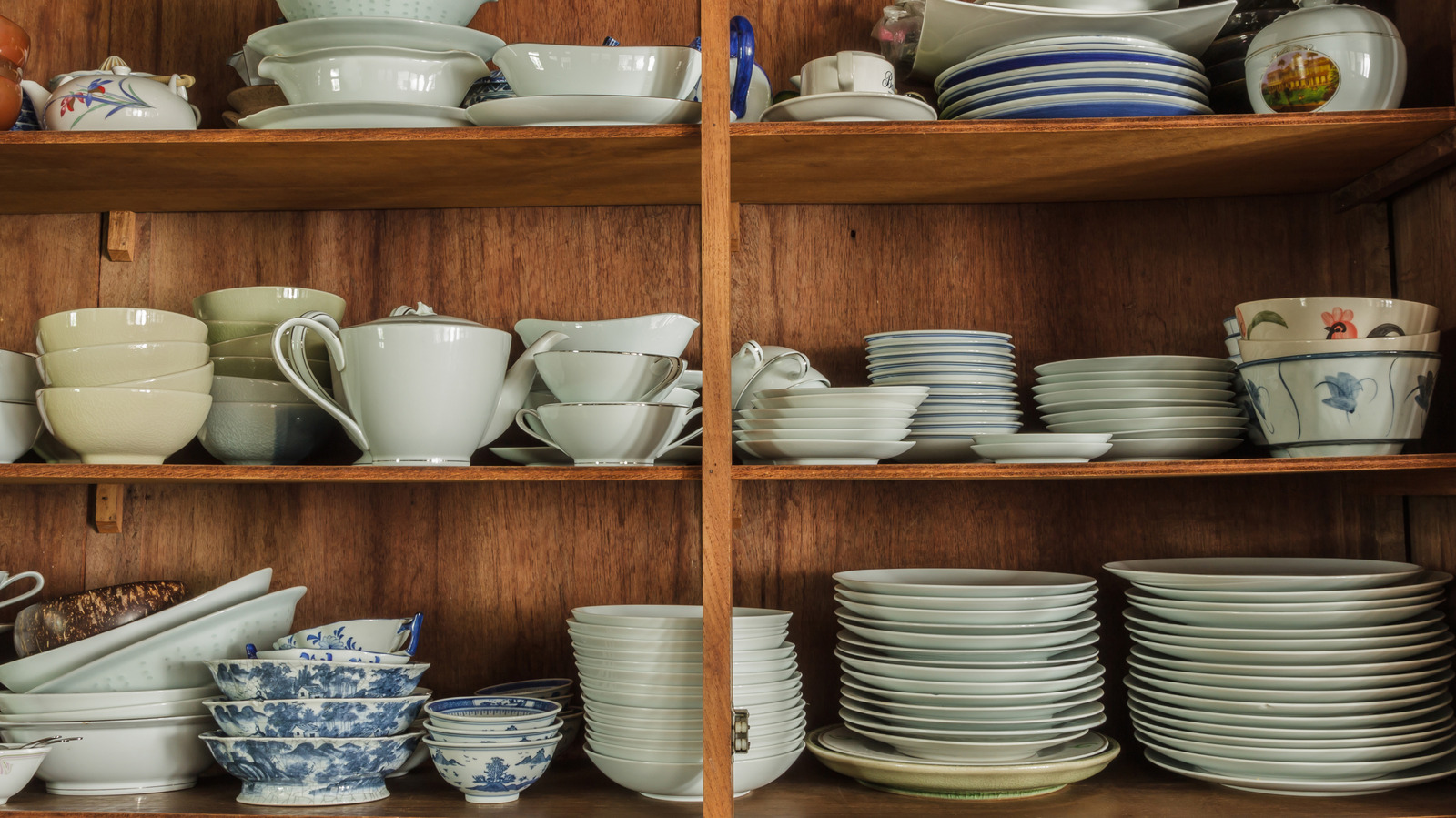
Storing plates and bowls well saves space and keeps your kitchen tidy. Stack items by size to avoid clutter. Use shelves, racks, or organizers to keep things neat. Make sure heavier plates go at the bottom for safety. Clear labels help find what you need fast.
Regularly check and clean your storage areas. Small changes bring big results. A simple, organized kitchen feels calm and ready for cooking. Try these tips to keep your dishes in order every day.