
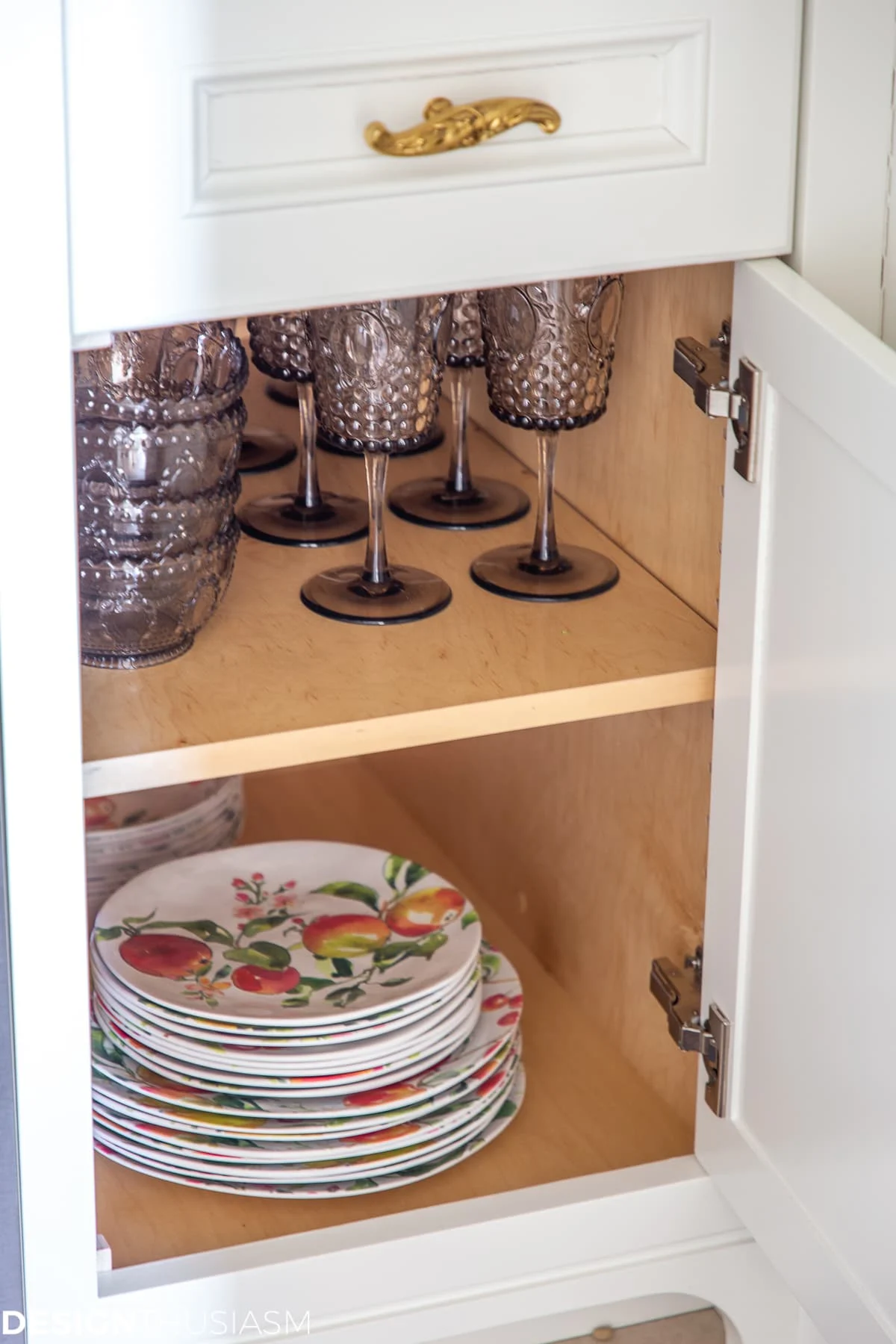
Are your plates and bowls cluttering your kitchen cabinets or taking up too much space? Finding the right way to store them can make a big difference in keeping your kitchen neat and your dishes safe.
Imagine opening your cupboard and instantly seeing every plate and bowl exactly where you want them—easy to grab, perfectly organized, and protected from chips or cracks. You’ll discover simple, practical tips that will transform how you store your dishes. By the end, you’ll have a clear plan to maximize your space and keep your plates and bowls in great shape.
Ready to make your kitchen more organized and stress-free? Let’s dive in!
Choosing The Right Storage Spot
Storing plates and bowls efficiently is important in every kitchen. Selecting the right spot helps keep your kitchen organized.
Consider space, accessibility, and vertical options to find the best place for your dishes.
Assessing Kitchen Space
First, evaluate the available space in your kitchen. Look for areas that can hold plates and bowls without overcrowding.
Check cabinets and shelves to ensure they fit your dishes well. Avoid spots near heat or moisture to protect your items.
Considering Accessibility
Make sure your dishes are easy to reach. Store plates and bowls at eye level or below for easy access.
Think about who uses the kitchen. Place dishes where everyone can reach them safely.
- Store everyday items at eye level
- Place heavy items on lower shelves
- Keep delicate items away from edges
Using Vertical Space
Vertical space can help maximize storage in small kitchens. Use stackable shelves or racks to organize plates and bowls.
Consider wall-mounted shelves to free up counter space. This keeps your kitchen looking tidy and spacious.
| Type of Storage | Benefits |
| Stackable Racks | Increases shelf space |
| Wall-mounted Shelves | Frees counter space |
| Cupboard Organizers | Keeps items sorted |

Credit: www.reddit.com
Stacking Plates Efficiently
Storing plates and bowls properly saves space and keeps them safe. Efficient stacking helps prevent breaks and scratches. It also makes it easier to find what you need.
Organizing your dishes by size and type can make stacking easier. Using the right tools and protection keeps your plates and bowls in good condition.
Sorting By Size And Type
Sort plates and bowls before stacking. Group similar sizes together to keep stacks stable. Separate large dinner plates from small side plates and bowls.
Sorting by type helps prevent damage. Plates with different shapes or thickness can cause uneven stacks. Keep fragile bowls apart from heavy plates.
- Stack large dinner plates together
- Group small plates in another stack
- Keep bowls in separate piles
- Avoid mixing heavy and light items
Using Plate Racks
Plate racks hold dishes upright to save space. They keep plates separated and easy to grab. Using racks reduces the risk of cracks and chips.
Choose racks that fit your cabinet or shelf size. Some racks have adjustable slots for different plate sizes. You can also use racks for bowls and lids.
- Use vertical racks to save shelf space
- Adjust slots for different plate sizes
- Keep plates separated to avoid damage
- Use racks for both plates and bowls
Protecting Against Scratches
Place soft liners between plates to stop scratches. Felt, foam, or cloth works well. Avoid stacking plates directly on each other without protection.
Use plate protectors for valuable or delicate dishes. These protectors keep plates from rubbing and chipping. Clean plates before stacking to avoid dirt scratches.
- Use felt or foam liners between plates
- Try cloth or paper for extra protection
- Clean plates before stacking
- Use plate protectors for fragile dishes
Organizing Bowls Neatly
Keeping plates and bowls organized saves space and protects your dishes. Bowls can take up a lot of room if not stored well.
Neat organization helps you find what you need quickly. It also keeps your kitchen tidy and safe.
Nesting Bowls Safely
Nesting bowls means stacking them inside each other. This saves space but can cause scratches if not done right.
Place a soft cloth or paper towel between each bowl. This stops the bowls from rubbing and breaking.
- Use felt pads or soft liners for protection
- Stack bowls from largest to smallest
- Keep the stack stable to avoid tipping
Using Dividers Or Inserts
Dividers or inserts create separate spaces for each bowl. This keeps bowls from touching and reduces damage risk.
You can use foam inserts, wooden dividers, or adjustable racks. These help keep bowls organized and easy to grab.
- Place dividers inside cabinets or drawers
- Choose inserts that fit your bowl sizes
- Label sections for quick access
Storing Frequently Used Bowls
Keep bowls you use every day within easy reach. Store them where you can grab them fast without clutter.
Use open shelves or low cabinets for these bowls. This way, you save time and keep your kitchen neat.
- Place everyday bowls at the front of shelves
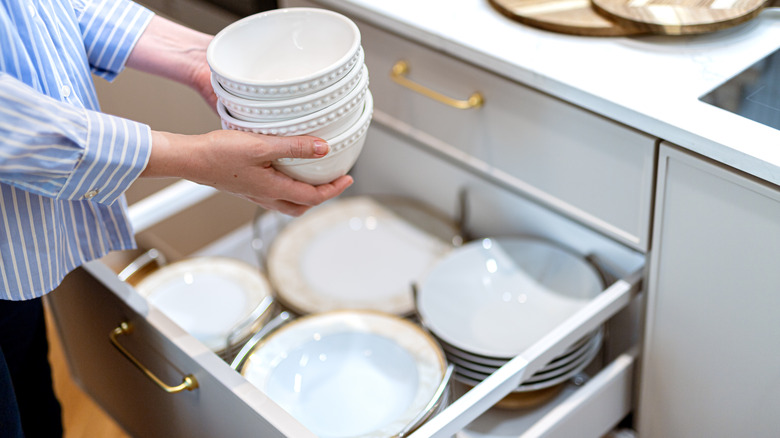
- Use pull-out drawers for easy access
- Keep similar bowls grouped together
Maximizing Cabinet And Drawer Space
Storing plates and bowls can take up a lot of space in your kitchen. Using smart storage ideas helps keep your cabinets neat and easy to use.
Organizing your kitchen items well saves time and makes cooking more enjoyable. Here are some ways to get the most out of your cabinet and drawer space.
Installing Pull-out Shelves
Pull-out shelves let you reach plates and bowls without bending or moving other items. They slide out smoothly, giving full access to the back of the cabinet.
These shelves make it easy to organize items by size or type. You can stack plates neatly and keep bowls in one spot.
- Use sturdy materials for heavy dishes
- Install soft-close sliders for quiet use
- Label shelves for easy identification
Adding Adjustable Shelving
Adjustable shelves let you change the height between shelves. This flexibility helps fit different plate and bowl sizes in one cabinet.
You can create more space by adjusting shelves to fit tall bowls or stacking plates close together. This saves room for other kitchen tools.
- Measure your dishes before adjusting
- Place frequently used items at easy reach
- Use shelf liners to protect plates and bowls
Utilizing Cabinet Doors
Cabinet doors can hold extra storage racks or hooks. These spaces are perfect for small plates, lids, or shallow bowls.
Using cabinet doors frees up shelf space and keeps items organized. It also makes use of areas that often stay empty.
- Attach racks for spices or small plates
- Use hooks for hanging measuring cups or lids
- Choose slim storage to avoid door closure issues
Creative Storage Solutions
Storing plates and bowls can take up a lot of space in the kitchen. Creative storage solutions help keep your kitchen tidy and organized.
Using smart ideas can make your kitchen look neat and save room for other items. Here are some creative ways to store your dishes.
Wall-mounted Racks And Hooks
Wall-mounted racks and hooks free up cabinet space by using your kitchen walls. You can hang plates or bowls to keep them easy to reach.
These racks come in many styles and sizes. Choose one that fits your kitchen design and the size of your dishes.
- Install hooks to hang plates by their edges
- Use racks with slots to stack plates vertically
- Choose sturdy materials like metal or wood for durability
- Place hooks near the dining area for quick access
Using Open Shelving
Open shelves let you display your plates and bowls while keeping them organized. They make your kitchen look spacious and bright.
Group dishes by size or color to create a neat look. Use shelf dividers to keep stacks stable and prevent tipping.
- Place frequently used dishes at eye level
- Stack bowls and plates separately for easy access
- Use clear containers for small items on shelves
- Add decorative pieces to make shelves attractive
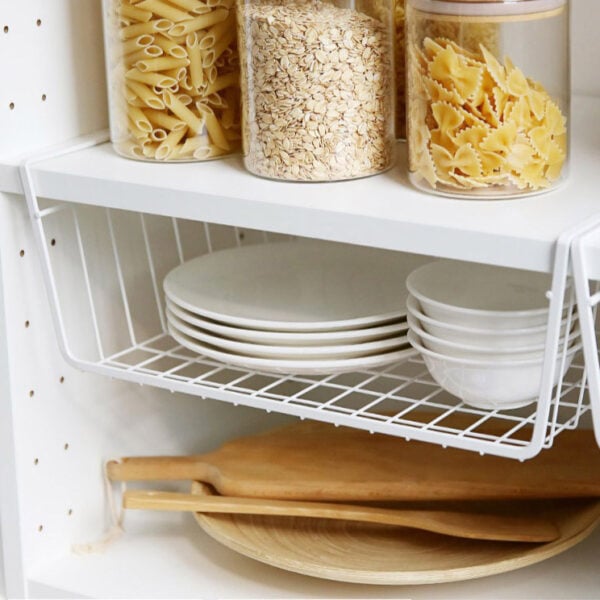
Repurposing Other Kitchen Items
You can store plates and bowls by reusing items meant for other kitchen tasks. This saves money and adds a unique touch to your kitchen.
Look around for trays, baskets, or racks that can hold your dishes in new ways. This keeps your plates and bowls organized and easy to find.
- Use a dish drying rack to hold plates vertically
- Place bowls inside large baskets for easy storage
- Turn an old wine rack into a plate holder
- Stack trays on shelves to create flat storage layers
Credit: styledegree.sg
Maintaining Clutter-free Areas
Keeping plates and bowls stored neatly helps your kitchen stay clean and organized. A clutter-free space makes cooking and cleaning easier. Proper storage also protects your dishes from damage.
Simple habits can keep your dish storage tidy. This guide covers ways to store plates and bowls while maintaining order in your kitchen.
Regular Decluttering
Check your plates and bowls often to remove items you no longer use. Extra dishes take up space and add clutter. Keep only what fits your daily needs.
Sort your dishes by size and type. This makes it easy to find what you need and keeps shelves neat.
- Remove chipped or damaged dishes
- Donate extra sets you don’t use
- Keep your favorite plates and bowls accessible
- Organize by frequency of use
Cleaning And Care Tips
Clean your plates and bowls before storing them. Dirt or moisture can cause stains or odors. Dry dishes fully to avoid mold.
Use gentle cleaning methods to keep your dishes in good shape. Avoid stacking heavy items on delicate bowls.
- Wash with mild soap and warm water
- Dry dishes completely before storing
- Use soft cloths or sponges to avoid scratches
- Store heavy plates at the bottom to prevent breakage
Adapting Storage Over Time
Your dish storage needs may change. Adjust your system to fit new dishes or different kitchen layouts. Flexibility keeps storage efficient.
Try different storage options like shelves, racks, or containers. This helps you use space well and keeps your dishes safe.
- Use stackable racks to save space
- Store rarely used dishes in higher cabinets
- Change storage spots if your kitchen layout changes
- Add organizers or dividers for better separation
Credit: www.thetakeout.com
Frequently Asked Questions
How Can I Store Plates Safely Without Damage?
Store plates vertically with separators or use padded racks. Avoid stacking too high to prevent chipping or cracking.
What Is The Best Way To Organize Bowls Efficiently?
Nest bowls by size inside one another. Use shelf risers or bins for easy access and space-saving.
Should Plates And Bowls Be Stored Together Or Separately?
Store plates and bowls separately to avoid scratches. Use different shelves or dividers to keep them organized.
How Do I Prevent Dust On Stored Plates And Bowls?
Cover stored items with cloth or plastic wrap. Store in closed cabinets or containers to minimize dust buildup.
Conclusion
Storing plates and bowls properly saves space and protects them. Use shelves, racks, or cabinets to keep them organized. Stack plates carefully to avoid scratches or chips. Bowls can nest inside each other to save room. Keep frequently used items within easy reach.
Clear storage helps find what you need quickly. Clean and dry dishes before storing to prevent damage. Small changes in storage can make your kitchen tidier. Simple steps create a neat and safe dish storage system. Enjoy a clutter-free kitchen with smart plate and bowl storage.