
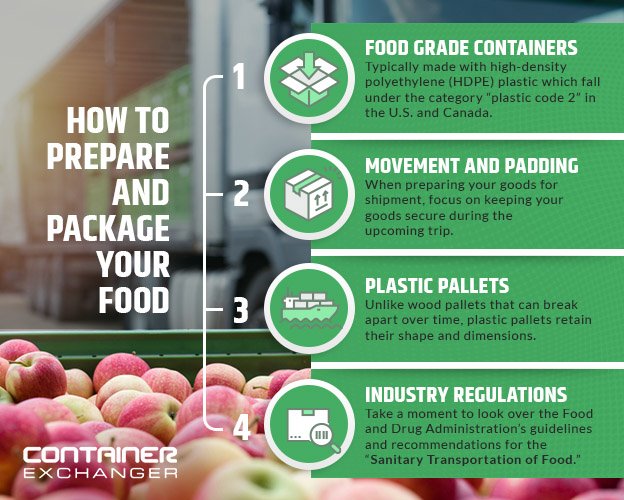
Are you tired of throwing away spoiled food and wasting money? Knowing how to store perishable foods safely can save you time, money, and even keep your family healthy.
When you get it right, your groceries stay fresh longer, and you avoid the stress of unexpected food spoilage. You’ll discover simple, practical tips that anyone can follow to keep your fruits, vegetables, dairy, and meats fresh and safe. Keep reading to learn easy ways to protect your food—and your wallet.
Choosing The Right Storage Containers
Storing perishable foods safely is important to keep them fresh. Choosing the right containers helps prevent spoilage and waste.
Let’s look at the best materials, options for airtight and breathable containers, and efficient container sizes.
Materials That Preserve Freshness
Different materials keep food fresh for longer. Glass and stainless steel are good choices. They do not absorb odors or stains.
Plastic is lightweight and affordable. Use BPA-free plastic to avoid chemicals.
- Glass: Durable and microwave-safe
- Stainless steel: Long-lasting and easy to clean
- BPA-free plastic: Economical and versatile
Airtight Vs Breathable Options
Airtight containers keep air out, which helps food stay fresh. Use them for leftovers and cut fruits.
Breathable containers let air flow. They are ideal for fresh produce like fruits and vegetables.
- Airtight: Prevents moisture and air exposure
- Breathable: Allows for air circulation
Container Sizes For Efficiency
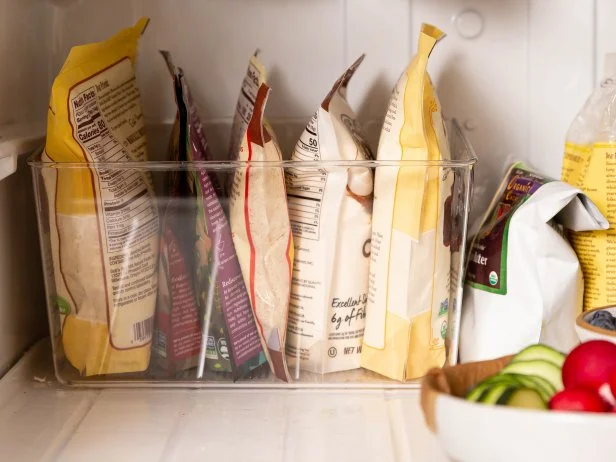
Choose the right size to fit your fridge and prevent overcrowding. Small containers are good for snacks and small portions.
Large containers are useful for big meals and bulk storage. Stackable designs save space and make organizing easy.
| Small | Snacks and single portions |
| Medium | Leftovers and meal prep |
| Large | Bulk and family-sized meals |
Credit: www.hgtv.com
Temperature Control Tips
Storing perishable foods safely keeps them fresh and prevents illness. Temperature control is key to preserving food quality.
Keeping your refrigerator and freezer at the right temperatures slows bacteria growth. This helps food last longer and stay safe.
Ideal Refrigerator Settings
Set your refrigerator temperature to 40°F (4°C) or below. This keeps most foods fresh and safe to eat.
A temperature above 40°F can allow bacteria to grow quickly. Avoid frequent door openings to keep the temperature steady.
- Keep fridge temperature at or below 40°F (4°C)
- Check settings regularly with a thermometer
- Do not overload the fridge to allow air circulation
- Close doors tightly after use
Freezer Organization Hacks
Organize your freezer to maintain a steady cold temperature. Proper storage helps freeze food evenly and prevents waste.
Place older items in front and label packages with dates. This helps you use foods before they spoil.
- Keep freezer at 0°F (-18°C) or lower
- Use clear containers or bags for easy identification
- Label foods with freezing dates
- Avoid overpacking to allow cold air flow
Using Thermometers To Monitor
Use reliable thermometers to check fridge and freezer temperatures. This ensures your food stays in a safe zone.
Place thermometers in the middle of the fridge and freezer for accurate readings. Check temperatures daily to catch problems early.
- Use appliance thermometers designed for fridges and freezers
- Place thermometer away from walls and vents
- Check and record temperatures daily
- Adjust appliance settings if temperatures rise above safe limits
Proper Food Preparation
Proper food preparation helps keep perishable foods safe to eat. It lowers the chance of germs growing.
Cleaning, drying, and handling food right can stop foodborne illness. Follow simple steps for safety.
Cleaning And Drying Techniques
Wash fruits and vegetables under cold running water before use. This removes dirt and germs.
Dry foods with a clean cloth or paper towel. Drying helps stop bacteria from growing.
- Use a vegetable brush for firm produce
- Do not use soap or bleach on food
- Dry leafy greens gently to avoid bruising
Portioning For Quick Use
Cut food into smaller portions before storing. Smaller pieces cool down faster and stay fresh.
Use airtight containers to keep portions safe. Label containers with dates to use food on time.
- Divide large batches into meal-sized portions
- Store portions in shallow containers for quick cooling
- Freeze portions if you won’t use them soon
Avoiding Cross-contamination
Keep raw and cooked foods separate during preparation and storage. This stops germs from spreading.
Use different cutting boards and utensils for meat and vegetables. Wash hands often while handling food.
- Clean surfaces with hot, soapy water after use
- Store raw meat below cooked foods in the fridge
- Replace sponges and towels frequently
Storing Specific Perishables
Storing perishable foods properly keeps them fresh and safe to eat. Different foods need different storage methods.
Knowing how to store each type of perishable helps prevent spoilage and waste.
Fruits And Vegetables
Keep fruits and vegetables cool and dry. Some do best in the fridge, others at room temperature.
Store fruits and vegetables separately to avoid speeding up ripening or spoiling.
- Leafy greens stay fresh wrapped in paper towels inside a plastic bag in the fridge.
- Tomatoes keep flavor better outside the fridge but use quickly.
- Apples last longer in the fridge away from strong-smelling foods.
- Keep bananas at room temperature until ripe, then refrigerate to slow spoilage.
Dairy Products
Dairy products need cold temperatures to stay safe. Store them in the main fridge area, not the door.
Keep dairy sealed tightly to prevent odors and bacteria from entering.
- Milk and cream last longest in the coldest part of the fridge.
- Cheese should be wrapped in wax or parchment paper, then placed in a container.
- Yogurt stays fresh in its original container with the lid closed.
Meat, Poultry, And Seafood
Store raw meat, poultry, and seafood on the bottom shelf of the fridge. This stops drips from contaminating other foods.
Keep these items in their original packaging or tightly wrapped to prevent air contact.
- Use or freeze meat within two days of purchase.
- Keep seafood cold and use it within one to two days.
- Cook poultry fully and store leftovers in shallow containers.
Baked Goods
Store baked goods in airtight containers at room temperature to keep them fresh.
Some baked goods can be frozen to extend shelf life.
- Keep bread in a bread box or paper bag to avoid mold.
- Cookies stay crunchy in airtight containers but soften if sealed with moist items.
- Cakes with frosting should be refrigerated or covered tightly.
Extending Shelf Life Naturally
Perishable foods spoil quickly without proper care. Extending shelf life helps reduce waste.
Natural methods keep food fresh longer without chemicals or preservatives.
Using Vinegar And Lemon
Vinegar and lemon juice are natural acids that slow bacteria growth. They help preserve fruits and vegetables.
Rinsing produce with diluted vinegar or lemon juice reduces mold and spoilage.
- Mix one part vinegar with three parts water for washing.
- Use lemon juice to keep cut fruits from browning.
- Do not soak delicate items too long to avoid damage.
Wrapping And Covering Tips
Proper wrapping stops air and moisture from spoiling food. Use breathable covers for some items.
Plastic wrap works well, but paper towels or cloth can help absorb extra moisture.
- Wrap leafy greens in damp paper towels inside a plastic bag.
- Cover cut fruits with plastic wrap to keep air out.
- Use beeswax wraps for an eco-friendly option.
Humidity Control Tricks
Humidity affects how fast food spoils. Some foods like high humidity, others prefer dry air.
Use your fridge’s humidity drawers to store food in the right conditions.
- Keep leafy vegetables in high humidity drawers to stay crisp.
- Store fruits in low humidity areas to prevent mold.
- Place a paper towel in produce containers to absorb extra moisture.
Credit: www.pubs.ext.vt.edu
Signs Of Spoilage To Watch For
Storing perishable foods safely helps keep them fresh longer. It is important to know when food starts to spoil.
Recognizing signs of spoilage can prevent foodborne illness. Always check your food before eating or cooking.
Visual Indicators
Look for changes in color and appearance. Mold, discoloration, or slimy surfaces show spoilage.
Food that looks different from when you bought it is unsafe to eat. Check for unusual spots or fuzz.
- Mold growth in green, white, or black patches
- Discoloration like browning or dark spots
- Slime or sticky film on meat, fish, or vegetables
- Wrinkled or shriveled skin on fruits and vegetables
Smell And Texture Changes
Smell is a strong sign of spoilage. Sour, rotten, or off odors mean the food is bad.
Texture changes like softness or mushiness show decay. Fresh food usually feels firm and normal.
- Unpleasant or sour smell
- Sticky or slimy texture
- Soft spots or mushy areas
- Dry or tough texture in fresh foods
When To Discard
Throw away food if you see or smell signs of spoilage. Eating spoiled food can cause sickness.
If you are unsure about the safety, it is safer to discard. Never taste food to check if it is spoiled.
- Discard moldy or slimy foods immediately
- Throw away food with bad or sour smell
- Do not eat food with color changes or soft texture
- Discard leftovers kept too long in the fridge
Organizing Your Storage Space
Keeping perishable foods safe starts with good organization. A tidy storage area helps prevent food spoilage.
Organizing food properly makes it easier to find and use before it goes bad.
Fifo Method For Freshness
Use the FIFO method to keep food fresh. FIFO means “first in, first out.”
Put new items behind older ones. Use the older items first to reduce waste.
- Place new food at the back of the shelf
- Move older food to the front
- Check dates regularly to use older items first
Labeling And Dating
Label your food to keep track of what it is and when you stored it. This helps you use food safely.
Write the date on containers or bags. This stops you from guessing if food is still good.
- Use waterproof markers or labels
- Include the date of storage
- Note the type of food inside
Avoiding Overcrowding
Do not overcrowd your storage space. Air needs to flow around food to keep it cold and fresh.
Too much food in one place can cause uneven cooling and faster spoilage.
- Leave space between items for air circulation
- Use shelves to separate different foods
- Do not stack items too high
Credit: mountainhouse.com
Emergency Storage Solutions
Storing perishable foods safely during emergencies is very important. Power outages and other problems can spoil food quickly.
This guide helps you keep food fresh using easy and fast storage solutions. These tips work well in short-term situations.
Short-term Cooling Options
Short-term cooling keeps food safe when the main fridge stops working. Use cool places like basements or shaded outdoor areas.
Keep food in sealed containers to avoid contamination. Check food often to make sure it stays cold.
Using Ice Packs And Coolers
Ice packs and coolers are good for keeping food cold without electricity. They work well for a few hours to a day.
Fill coolers with ice packs before an emergency. Pack food tightly to keep cold air inside.
- Use ice packs instead of loose ice to avoid water damage
- Keep the cooler in a cool, shaded spot
- Open the cooler only when needed
Power Outage Food Safety
During power outages, keep fridge and freezer doors closed. Cold air stays inside longer this way.
Use a thermometer to check food temperature. Throw away food if it stays above 40°F (4°C) for more than two hours.
- Group foods together to keep them cold longer
- Use dry or block ice in the freezer to extend cold time
- Plan meals to use perishable foods first
Frequently Asked Questions
How Long Can Perishable Foods Be Stored Safely?
Perishable foods should be stored in the refrigerator for 1-7 days, depending on the item. Always check expiration dates and use within recommended times to prevent spoilage and foodborne illnesses.
What Temperature Is Best For Storing Perishable Foods?
Keep your refrigerator at or below 40°F (4°C) to slow bacterial growth. Freezers should be at 0°F (-18°C) or lower to maintain food safety and quality.
How Should Perishable Foods Be Wrapped Or Packaged?
Use airtight containers or tightly wrap foods in plastic wrap or foil. This prevents exposure to air, moisture, and contaminants, extending freshness and reducing the risk of spoilage.
Can Perishable Foods Be Safely Thawed At Room Temperature?
No, thaw perishable foods in the refrigerator, cold water, or microwave. Thawing at room temperature encourages bacterial growth and increases foodborne illness risks.
Conclusion
Storing perishable foods safely keeps them fresh longer. Always check expiration dates and keep foods cold. Use clean containers and avoid overcrowding the fridge. Separate raw and cooked foods to stop germs spreading. Regularly clean your storage areas to stay safe.
Small steps protect your health and reduce waste. Safe food storage saves money and time. Start practicing these tips today for better food safety.