
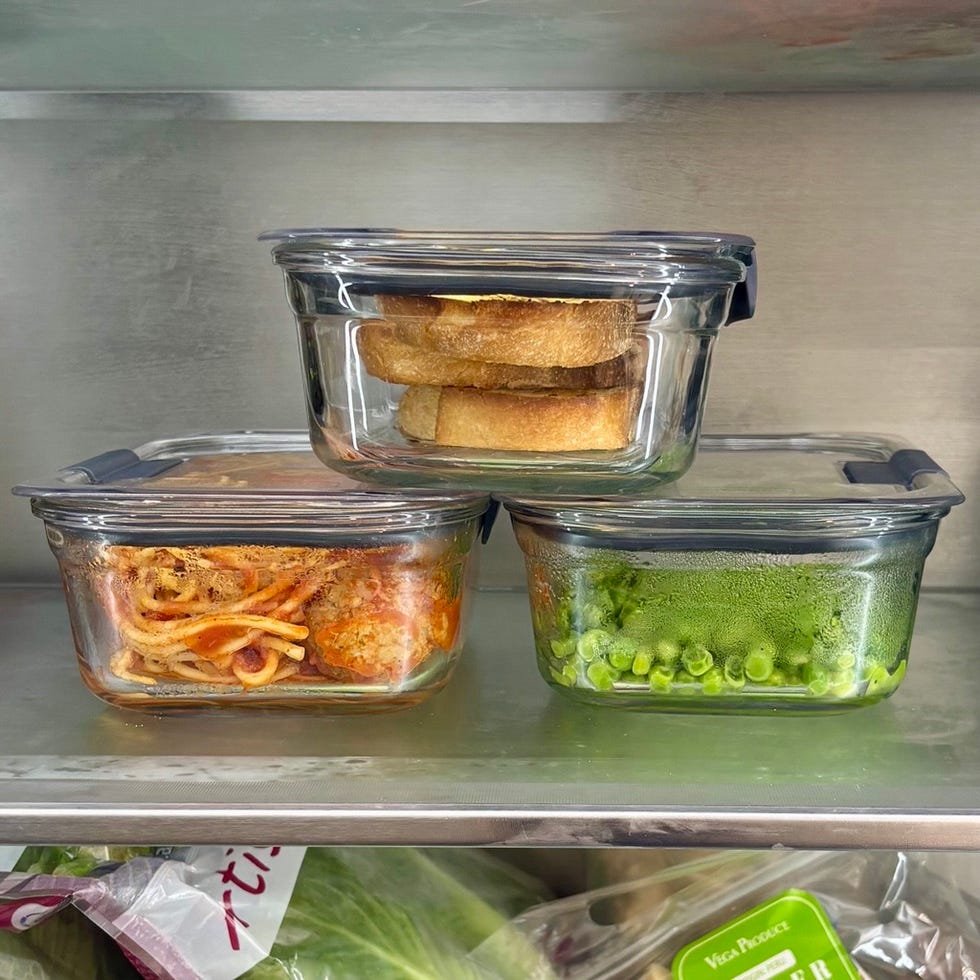
Have you ever wondered if the way you store your leftovers could be putting your health at risk? You’re not alone.
Many people don’t realize that improper storage can lead to food spoilage or even food poisoning. But don’t worry—by learning a few simple, safe habits, you can keep your leftovers fresh longer and protect your family from harmful bacteria. Ready to discover the easy steps that will save your food and your peace of mind?
Keep reading to find out how to store your leftovers safely every time.

Credit: www.goodhousekeeping.com
Choosing The Right Containers
Storing leftovers safely starts with picking the right containers. The container material affects food freshness and safety.
Good containers keep food fresh longer and stop spills in the fridge or freezer.
Glass Vs. Plastic Options
Glass containers last longer and do not stain or smell. They are safe for reheating in the microwave.
Plastic containers are lighter and often cheaper. Some plastics can absorb odors or stains and may not be microwave safe.
- Glass is durable and easy to clean
- Plastic is lightweight and convenient
- Glass can be used in ovens and microwaves
- Check if plastic is BPA-free for safety
Airtight Seals And Their Importance
Airtight seals stop air from entering the container. This helps keep food fresh and prevents bacteria growth.
Containers with tight lids reduce spills and keep smells from spreading in the fridge.
- Look for lids that snap or screw on firmly
- Silicone seals improve airtight protection
- Test the lid to make sure it fits well
- Good seals save food and reduce waste
Proper Cooling Techniques
Storing leftovers safely helps prevent foodborne illness. Proper cooling slows bacteria growth.
Use the right cooling methods to keep food fresh and safe to eat later.
Optimal Cooling Time
Cool leftovers quickly to stop bacteria from growing. Food should cool to 70°F in two hours.
After that, place food in the fridge to cool below 40°F within four hours.
- Divide large portions into smaller containers
- Use shallow containers for faster cooling
- Stir hot soups or stews while cooling
- Do not leave food out at room temperature for over two hours
Avoiding Cross-contamination
Keep cooked leftovers separate from raw foods. This stops germs from spreading.
Clean containers and utensils well before use. Store leftovers in sealed containers.
- Use different cutting boards for raw and cooked foods
- Wash hands before handling leftovers
- Label containers with food and date stored
- Keep leftovers on the top shelf of the fridge
Refrigeration Best Practices
Storing leftovers safely helps keep food fresh and prevents illness. Proper refrigeration is key to safe food storage.
Use simple habits to keep your fridge clean and organized. This helps your leftovers stay safe longer.
Ideal Fridge Temperature
Keep your fridge temperature at or below 40°F (4°C). This slows bacteria growth on your food.
Use a fridge thermometer to check the temperature. Adjust the settings if it is too warm or too cold.
- Set temperature between 35°F and 40°F (1.7°C to 4°C)
- Check temperature often with a reliable thermometer
- Do not overload the fridge to keep temperature stable
- Keep fridge door closed as much as possible
Organizing For Better Air Circulation
Good air circulation keeps the fridge temperature even. This helps all leftovers stay cold and fresh.
Do not pack food too tightly. Leave space between containers to let cold air flow.
- Place leftovers in clear, airtight containers
- Arrange items with space around each container
- Store raw meat on the bottom shelf to avoid drips
- Keep frequently used items near the front for easy access
- Clean spills quickly to keep air vents clear

Credit: www.yahoo.com
Freezing Leftovers Correctly
Freezing leftovers helps keep food fresh for a long time. It stops bacteria from growing and prevents waste.
To freeze food safely, you need to prepare and store it the right way. This keeps taste and texture good.
Suitable Foods For Freezing
Not all leftovers freeze well. Some foods change texture or taste after freezing. Choose foods that keep quality.
Foods with high water content may become mushy. Dry or cooked foods usually freeze better than raw ones.
- Cooked meats like chicken, beef, and pork freeze well
- Soups and stews keep flavor after freezing
- Cooked vegetables freeze better than raw ones
- Baked goods like bread, muffins, and cookies freeze well
- Rice and pasta freeze fine if cooked first
- Fruits like berries and sliced apples freeze well
Labeling And Dating For Efficiency
Labeling leftovers helps you find food quickly. It also reminds you when to eat it before it spoils.
Write the food name and the date you froze it on the container. Use freezer-safe markers or labels.
- Include the food type (e.g., chicken curry)
- Add the freezing date (e.g., 06/15/2024)
- Use clear containers or bags for easy reading
- Rotate older items to the front to use them first
Reheating Safely
Reheating leftovers is a common way to reduce food waste. It is important to heat food safely to avoid illness.
Use proper methods to make sure your food is hot all the way through. This keeps harmful bacteria from growing.
Microwave Vs. Oven Methods
The microwave heats food quickly but can be uneven. The oven takes longer but heats food more evenly.
Microwaves work well for small portions. Ovens are better for larger or dense foods like casseroles.
- Microwave heats food fast, saves time
- Oven gives even, slow heating
- Microwave can leave cold spots
- Oven helps keep food texture better
Ensuring Even Heating
Stir food often to spread heat evenly. Cut large pieces into smaller parts before reheating.
Cover food with a lid or wrap to keep moisture. Use a food thermometer to check if food reaches 165°F (74°C).
- Stir or rotate food halfway through heating
- Cut big pieces into smaller ones
- Cover food to keep moisture
- Check temperature with a food thermometer
Avoiding Common Mistakes
Storing leftovers safely helps prevent food waste and illness. Many people make simple mistakes that reduce food quality.
Learning what to avoid can keep your leftovers fresh and safe to eat longer.
Overpacking Containers
Filling containers too full stops air from circulating. This slows cooling and can cause bacteria to grow.
Leave some space at the top to help food cool faster and stay safe.
- Use smaller containers for smaller amounts.
- Do not stack hot food in deep piles.
- Allow steam to escape before sealing.
Ignoring Expiry Dates
Leftovers have a safe time limit. Eating food past this time can cause stomach problems.
Check expiry dates on packaging and label your leftovers with the date you stored them.
- Use leftovers within 3 to 4 days.
- Throw away food that smells or looks bad.
- Keep track of when you stored each item.
Signs Of Spoiled Food
Storing leftovers safely helps prevent foodborne illness. It is important to know how to spot spoiled food before eating.
Look for clear signs that show food is no longer safe. These signs often include changes in appearance and smell.
Visual And Smell Indicators
Bad food often looks different from fresh food. It may have mold, discoloration, or slimy texture. The smell may also change and become unpleasant.
- Mold spots or fuzzy growth on the surface
- Colors that are dull or faded
- Slime or sticky coating on meats and vegetables
- Sour, rotten, or off-putting smell
- Gas bubbles or swollen containers
If you see or smell any of these signs, throw the food away. Do not taste food to check if it is spoiled.
Understanding Shelf Life
Every type of food has a safe time to eat after cooking or opening. This time is called shelf life. Knowing shelf life helps avoid eating spoiled food.
Use these general shelf life guidelines for leftovers stored in the fridge:
- Cooked meat and poultry: 3 to 4 days
- Cooked vegetables: 3 to 4 days
- Soups and stews: 3 to 4 days
- Cooked pasta and rice: 3 to 5 days
- Dairy products: Check the expiration date on the package
When in doubt, throw leftovers out. It is safer than risking sickness.
:max_bytes(150000):strip_icc()/ar-leftoversinfridge-2x1-3920f402eff0424db9de89b418b9f8bb.jpg)
Credit: www.allrecipes.com
Frequently Asked Questions
How Long Can Leftovers Be Safely Stored?
Leftovers can be safely stored for 3 to 4 days in the refrigerator. For longer storage, freeze them within two hours of cooking. Always check for signs of spoilage before consumption to ensure food safety.
What Is The Best Container For Storing Leftovers?
Use airtight containers made of glass or BPA-free plastic. These containers prevent moisture loss and contamination. Proper sealing keeps leftovers fresh longer and maintains their flavor and texture.
Should Leftovers Be Cooled Before Refrigerating?
Yes, allow leftovers to cool slightly at room temperature for 20-30 minutes. Avoid leaving food out over two hours to prevent bacterial growth. Then, promptly refrigerate to maintain safety and quality.
Can Leftovers Be Safely Reheated Multiple Times?
Reheating leftovers more than once is not recommended. Each reheat increases the risk of bacterial growth and foodborne illness. Reheat only the portion you plan to eat immediately.
Conclusion
Storing leftovers safely keeps your food fresh and healthy. Use clean containers and cover food well. Cool leftovers quickly before placing them in the fridge. Label containers with the date to track freshness. Eat leftovers within a few days to avoid waste.
Reheat food properly to kill bacteria. Safe storage saves money and reduces food waste. Follow these simple steps for tasty, safe meals later. Your health and taste buds will thank you!