
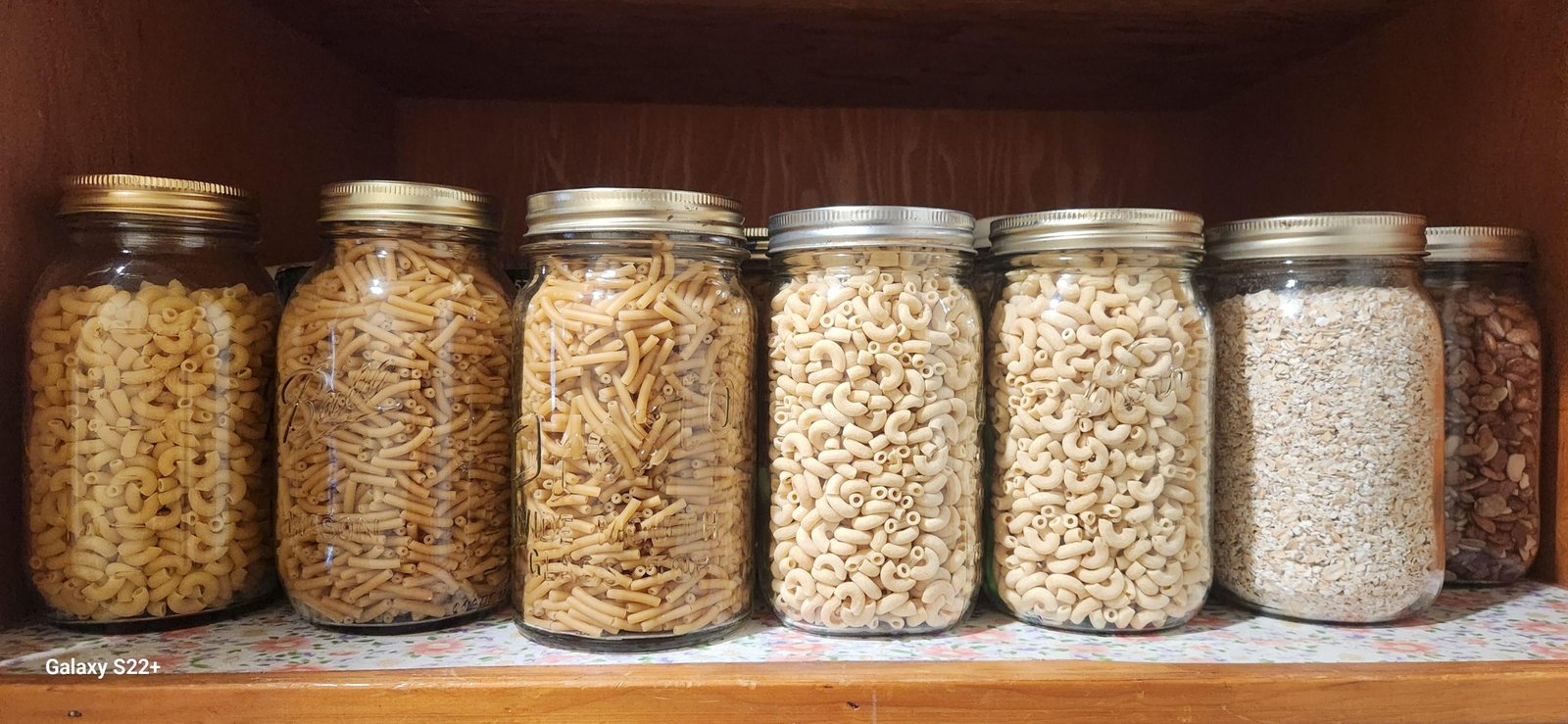
Are you tired of dry goods going stale or attracting pests in your kitchen? Proper storage can save your food, money, and time.
When you learn how to store dry goods safely, you protect your pantry and keep your ingredients fresh longer. Imagine opening your cupboard and finding every item perfectly preserved, ready for your next meal. This guide will show you simple, effective tips that anyone can use to keep dry goods safe and fresh.
Keep reading to discover how small changes can make a big difference in your kitchen.
Credit: savefryoil.com
Choosing The Right Containers
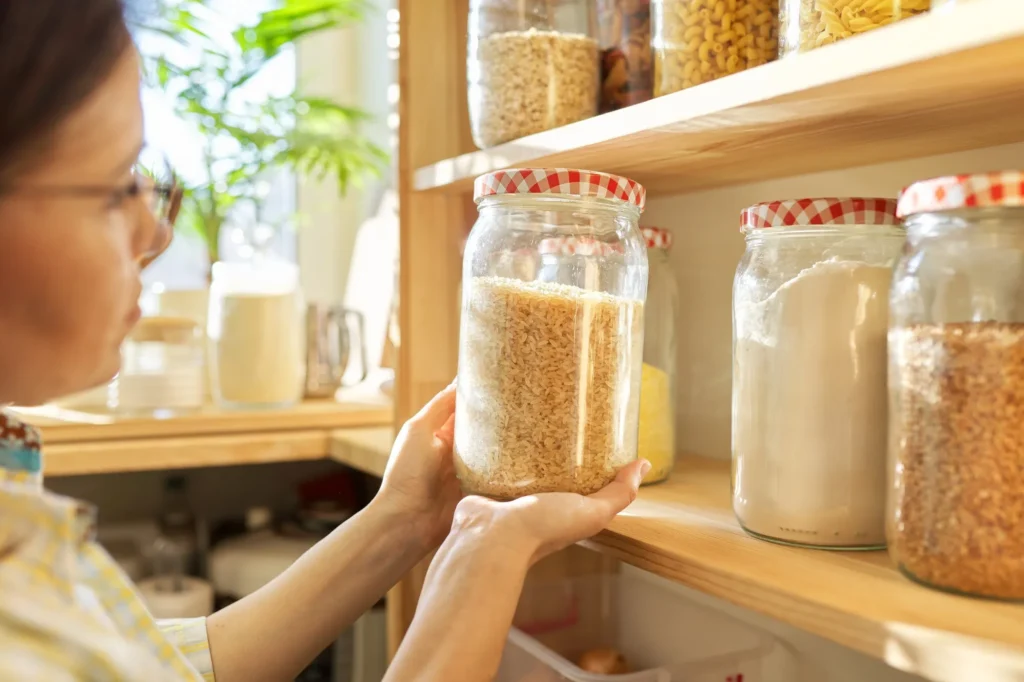
Storing dry goods properly is important for maintaining freshness. The right containers can help keep your food safe and tasty.
Consider different factors when choosing containers for your dry goods. It’s not just about looks; it’s about keeping your food fresh and safe.
Materials That Preserve Freshness
Containers come in various materials like glass, plastic, and metal. Each material has benefits for preserving freshness.
Glass is sturdy and doesn’t absorb odors. Plastic is lightweight and often cheaper. Metal containers are durable and block light.
- Glass: Best for long-term storage
- Plastic: Good for everyday use
- Metal: Ideal for light-sensitive foods
Airtight Vs. Non-airtight Options
Airtight containers keep air out. This helps maintain freshness longer. Non-airtight containers are easier to open but may not keep food fresh as long.
Use airtight containers for nuts, grains, and spices. Non-airtight containers can be used for foods you use frequently.
- Airtight: Best for long-term storage
- Non-Airtight: Great for quick access
Size And Shape Considerations
The size and shape of your container matter too. They should fit your pantry space and the amount of food you need to store.
Choose smaller containers for spices and larger ones for grains. Stackable shapes save space and keep your pantry organized.
- Small: Ideal for spices
- Large: Suitable for bulk grains
- Stackable: Saves space

Credit: www.goodhousekeeping.com
Ideal Storage Conditions
Storing dry goods properly helps keep them fresh and safe. The right conditions stop spoilage and pests.
Focus on temperature, humidity, and light to protect your dry goods. These factors affect quality and shelf life.
Temperature Control
Keep dry goods in a cool place. High temperatures speed up spoilage and cause loss of flavor.
Ideal storage temperature is between 50°F and 70°F (10°C to 21°C). Avoid areas near ovens or heaters.
- Store away from heat sources
- Use air-conditioned rooms if possible
- Check temperature regularly
Humidity Levels
Dry goods need low humidity to stay safe. Moisture can cause mold and spoilage.
Keep humidity under 60%. Use airtight containers to block moisture from air.
- Use silica gel packs in containers
- Store in dry, well-ventilated rooms
- Check humidity with a hygrometer
Light Exposure
Light can damage dry goods by breaking down nutrients and color. Avoid direct sunlight.
Store dry goods in dark places or use opaque containers to block light.
- Keep items in cupboards or pantries
- Use dark-colored or opaque jars
- Cover storage containers if needed
Organizing Your Pantry
Keeping dry goods safe starts with a clean and organized pantry. A well-organized pantry helps you find items easily and reduces waste.
Proper storage protects your food from pests and moisture. This guide will help you keep your dry goods fresh and safe.
Labeling And Dating
Label each container with the name of the item. Add the date when you stored it to track freshness.
Clear labels help you use older items first and avoid keeping food past its prime.
- Write the item name clearly on each container
- Use waterproof labels or markers
- Include the packing or purchase date
- Update labels if you transfer food to a new container
First In, First Out System
Use the oldest items before newer ones. This system reduces waste and keeps your pantry fresh.
Place new products behind older ones on the shelves. This way, you always grab the oldest stock first.
- Store new items at the back of shelves
- Move older items to the front
- Check expiration dates regularly
- Throw away expired or spoiled goods promptly
Avoiding Cross-contamination
Keep dry goods separate to prevent contamination. Use airtight containers to protect food from moisture and pests.
Store strong-smelling items away from mild ones to avoid flavor transfer. Clean your pantry regularly to keep it safe.
- Use sealed containers for all dry goods
- Separate raw ingredients from cooked or ready-to-eat foods
- Keep allergen-containing foods isolated
- Clean shelves and containers often
Common Dry Goods Storage Tips
Storing dry goods properly keeps food fresh and safe. Good storage helps stop pests and moisture damage.
Use airtight containers and keep items in a cool, dry place. Label containers with dates to track freshness.
Storing Grains And Rice
Grains and rice last longer when stored in sealed containers. Use containers that block air and moisture.
Keep them in a cool, dry spot away from sunlight. This stops mold and bugs from growing.
- Use airtight jars or heavy-duty plastic containers
- Store in a dark cupboard or pantry
- Check for signs of pests before storing
- Label containers with purchase or expiry dates
Preserving Flour And Baking Supplies
Flour and baking supplies absorb moisture easily. Store them in cool, dry places to avoid clumps and spoilage.
Use airtight containers to keep out air and bugs. Keep whole wheat flour refrigerated if you store it long.
- Use plastic or glass containers with tight lids
- Keep baking powder and soda in sealed containers
- Store whole grain flours in the fridge or freezer
- Label containers and use older supplies first
Keeping Nuts And Seeds Fresh
Nuts and seeds can go bad quickly if not stored well. Oxygen and heat cause them to turn rancid.
Keep nuts and seeds in airtight containers in the fridge or freezer. This keeps oils fresh longer.
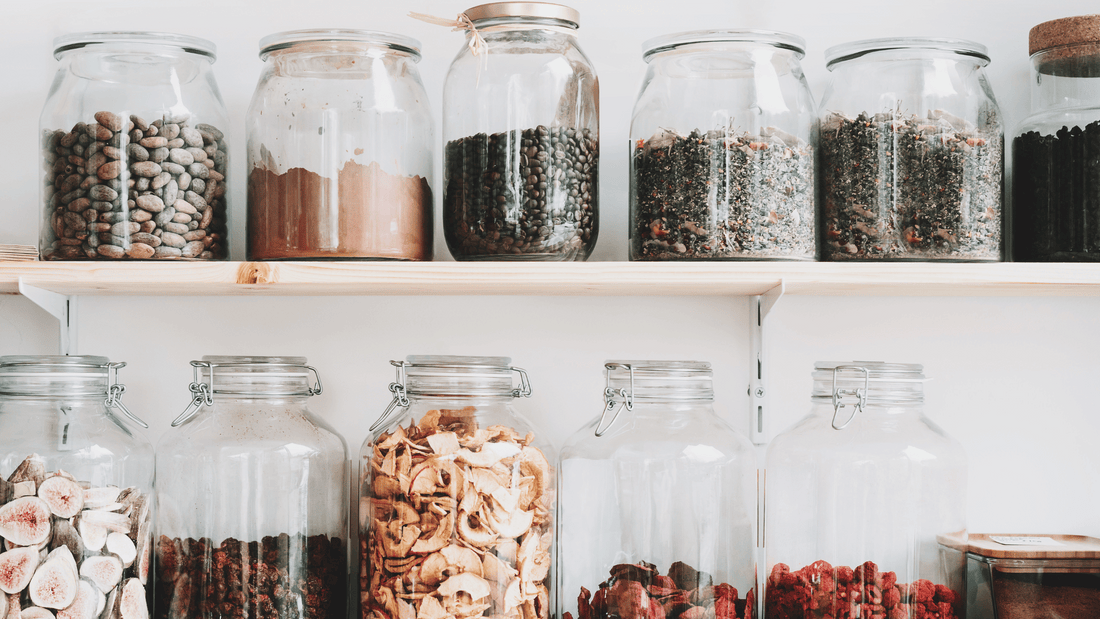
- Use glass jars or sealed plastic bags
- Store in the refrigerator for longer freshness
- Keep them away from strong odors
- Use within a few months for best taste
Pest Prevention Strategies
Storing dry goods safely helps keep pests away. Pests can spoil food and cause health risks.
Using good pest prevention strategies protects your dry goods. This keeps your pantry clean and safe.
Sealing Entry Points
Seal cracks and holes where pests can enter your storage area. Use caulk or weather stripping to close gaps.
Check doors, windows, and vents. Make sure screens are intact and fit tightly.
- Fill cracks in walls and floors
- Seal gaps around pipes and wires
- Use door sweeps to block under doors
- Repair damaged window screens
Using Natural Repellents
Natural repellents keep pests away without chemicals. They are safe and easy to use in your pantry.
Common natural repellents include herbs and essential oils. These smells pests dislike help protect dry goods.
- Bay leaves placed inside containers
- Cloves or cinnamon sticks in storage areas
- Essential oils like peppermint or eucalyptus
- Dry lavender sachets to repel insects
Regular Inspection And Cleaning
Check your dry goods and storage areas often. Look for signs of pests or damage.
Clean shelves and containers regularly. Remove crumbs and spills to stop pests from finding food.
- Inspect packages for holes or tears
- Throw away expired or spoiled items
- Wipe shelves with mild soap and water
- Keep storage areas dry and well-ventilated
Credit: gramsustainable.com.au
Extending Shelf Life
Storing dry goods properly helps keep them fresh longer. It reduces waste and saves money.
Using simple storage methods can stop moisture, air, and pests from spoiling dry foods.
Freezing Dry Goods
Freezing dry goods slows down the growth of bacteria and mold. It helps keep grains, nuts, and seeds fresh.
Make sure to use airtight containers or freezer bags to protect food from moisture and freezer burn.
- Use freezer-safe bags or containers
- Remove excess air before sealing
- Label items with date before freezing
- Use within six months for best quality
Vacuum Sealing Benefits
Vacuum sealing removes air around dry goods. This stops oxygen from causing spoilage.
It also prevents bugs and moisture from reaching your food, which extends shelf life a lot.
- Removes oxygen to slow spoilage
- Keeps food dry and fresh
- Protects from insects and pests
- Makes storage space smaller
Using Oxygen Absorbers
Oxygen absorbers are small packets that remove oxygen inside sealed containers. They help keep dry goods fresh.
They work well with jars, cans, or vacuum-sealed bags to stop mold and insects from growing.
- Place absorber with dry goods before sealing
- Use in airtight containers only
- Do not open absorber packets
- Check absorber size for container volume
Frequently Asked Questions
How Do I Store Dry Goods To Prevent Spoilage?
Store dry goods in airtight containers to block moisture and pests. Keep them in a cool, dark place for longer freshness.
What Containers Are Best For Storing Dry Goods?
Use glass, plastic, or metal containers with tight seals. These prevent air and moisture from entering and protect your goods.
How Long Can Dry Goods Be Safely Stored?
Most dry goods last 6 months to 1 year if stored properly. Check packaging for specific expiration dates to ensure safety.
Can I Store Dry Goods In The Refrigerator?
Refrigeration isn’t necessary for most dry goods and may cause moisture buildup. Store them in a cool, dry pantry instead.
Conclusion
Storing dry goods safely keeps food fresh and prevents waste. Use airtight containers to block moisture and pests. Keep items in a cool, dry place away from sunlight. Label containers with dates to track freshness easily. Regularly check your supplies for any signs of spoilage.
These simple steps help save money and reduce food loss. Safe storage also protects your family’s health. Try these tips to keep your pantry organized and efficient. Good habits today mean better meals tomorrow.