
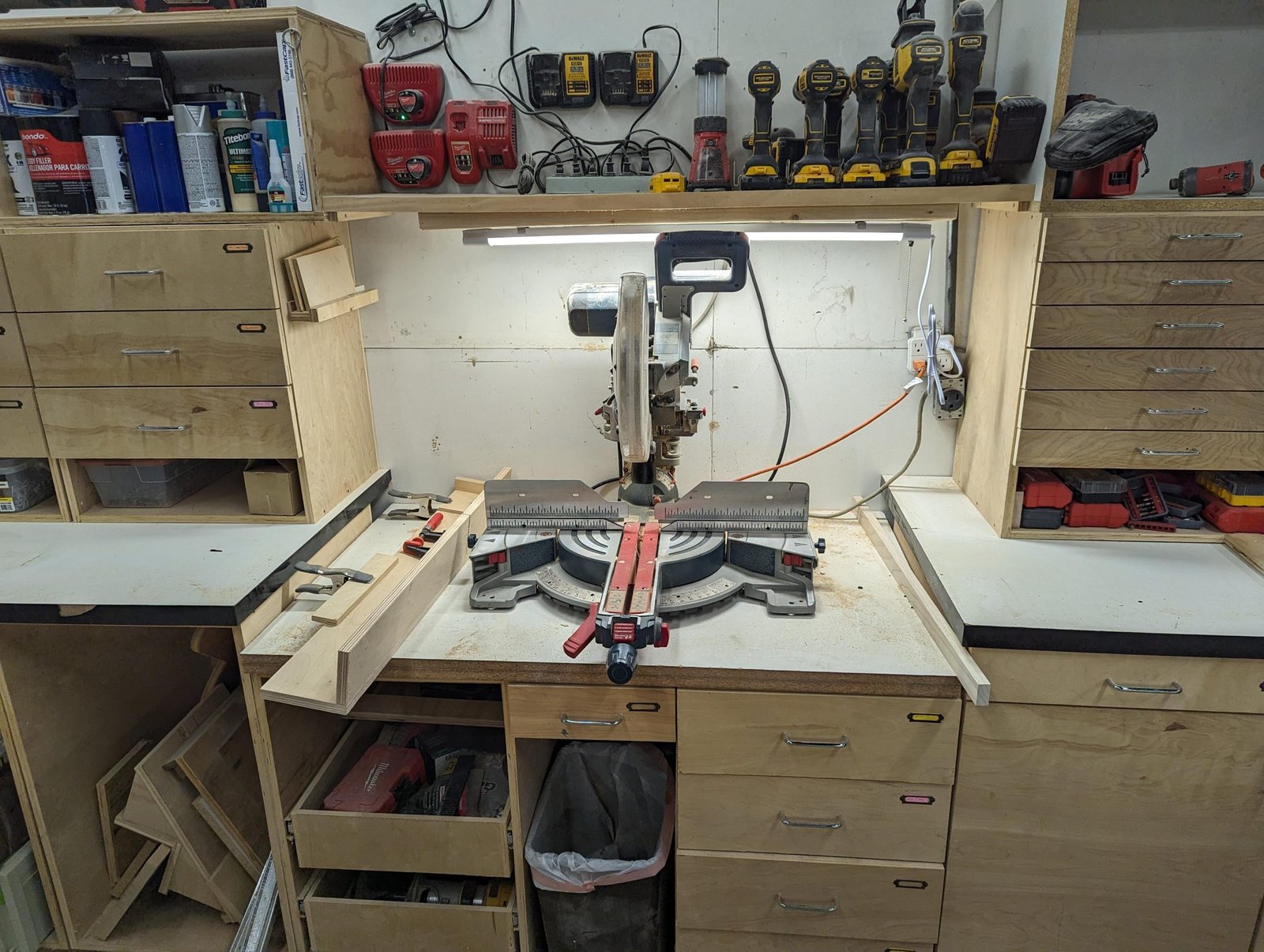
Are you tired of dull, damaged cutting tools that slow down your work and put your safety at risk? How you store your cutting tools can make all the difference in keeping them sharp, safe, and ready to use.
Imagine reaching for your tools and knowing they’re protected from rust, chips, or accidents. You’ll discover simple, effective ways to store your cutting tools safely—so you can work smarter, avoid costly replacements, and protect yourself from injury. Keep reading to unlock the secrets that will change the way you handle your tools forever.
Choosing The Right Storage
Storing cutting tools safely is very important. Proper storage prevents damage and keeps tools organized.
Choosing the right storage option helps maintain tool quality. It also ensures easy access when needed.
Toolboxes And Cabinets
Toolboxes and cabinets are great for keeping tools safe. They provide a secure place to store items away from dust and moisture.
Toolboxes are portable and easy to carry. Cabinets are larger and can store more tools.
- Toolboxes offer mobility
- Cabinets provide more space
- Both keep tools organized
Wall-mounted Racks
Wall-mounted racks save floor space and are easy to access. They keep tools visible, so you can find what you need quickly.
These racks are ideal for garages or workshops. They can hold various tools securely.
- Saves floor space
- Keeps tools visible
- Easy to install
Magnetic Strips
Magnetic strips are perfect for storing metal tools. They hold tools in place and make them easy to grab when needed.
Install these strips on walls or workbenches. They help in keeping tools organized and within reach.
- Holds metal tools securely
- Easy to install
- Tools are always within reach
Custom Storage Solutions
Custom storage solutions fit your specific needs. They can be designed to hold unique tools or match your workspace.
These solutions might include drawers, shelves, or pegboards. They ensure that every tool has a designated spot.
| Drawer Inserts | Keep tools separated |
| Shelves | Store larger items |
| Pegboards | Hang tools for easy access |

Credit: www.reddit.com
Cleaning Tools Before Storage
Keeping cutting tools clean before storing them helps protect their sharp edges. Dirt and moisture can cause rust and damage over time.
Proper cleaning extends the life of your tools and keeps them ready for use. It is important to follow simple steps to clean and dry them well.
Removing Debris
Remove dirt, sawdust, and metal shavings from cutting tools after use. Debris left on tools can cause rust and dull blades.
Use a soft brush or cloth to clean the surfaces and hard-to-reach parts. Avoid using water on tools that can rust easily.
- Brush off loose debris gently
- Wipe with a dry cloth
- Use compressed air for tight spots
- Do not leave sticky residues
Drying Techniques
Dry tools thoroughly to prevent moisture from causing rust. Water left on tools can quickly damage metal parts.
Use a clean, dry cloth to wipe down tools. For tools that get very wet, let them air dry in a warm place before storage.
- Use cloth to remove surface moisture
- Air dry tools in a dry, warm area
- Avoid storing tools while damp
- Use a hair dryer for fast drying if needed
Using Protective Coatings
Apply protective coatings to metal tools to stop rust and corrosion. Oils and waxes create a barrier against moisture.
Choose light oils or specialized tool protectors. Avoid thick coatings that can attract dirt or make tools slippery.
- Use machine oil or light mineral oil
- Apply a thin layer with a soft cloth
- Reapply coatings after each cleaning
- Do not use oils on wooden handles
Organizing Tools Effectively
Storing cutting tools safely keeps them sharp and easy to find. Good organization saves time and prevents accidents.
Effective tool storage also protects your tools from damage. It helps maintain a clean and safe workspace.
Categorizing By Type
Group cutting tools by their type to keep them organized. This makes it easier to pick the right tool quickly.
For example, keep saw blades separate from scissors and knives. This prevents tools from getting mixed up or damaged.
- Saws
- Knives
- Scissors
- Shears
- Utility blades
Labeling Storage Areas
Use clear labels on storage areas to identify tool types. This helps you and others return tools to the right place.
Labels can be simple tags or printed signs. Place them where they are easy to see.
- Label drawers with tool categories
- Mark shelves or bins clearly
- Use color-coded labels for quick ID
Using Dividers And Holders
Dividers and holders keep tools separated and secure. They stop tools from banging together and dulling.
Choose holders that fit the size of each tool. Use drawer dividers or wall-mounted racks to save space.
- Plastic or wooden dividers for drawers
- Magnetic strips for metal tools
- Custom holders for odd-shaped tools
Protecting Tools From Rust And Damage
Cutting tools need proper care to stay sharp and useful. Rust and damage can ruin them quickly.
Safe storage helps keep tools in good shape for a long time. Follow easy steps to protect them.
Controlling Humidity
Moisture in the air causes rust on metal tools. Keep the storage area dry to stop rust.
Use a dehumidifier or silica gel packs to reduce humidity. Good airflow also helps.
- Store tools in a dry place
- Use silica gel packs inside toolboxes
- Keep air moving with fans or vents
- Check humidity levels regularly
Applying Rust Inhibitors
Rust inhibitors protect metal surfaces from rust. Apply them after cleaning your tools.
Use oil, wax, or spray rust protectors. They create a barrier against moisture and air.
- Clean tools before applying inhibitors
- Use light machine oil or mineral oil
- Apply wax coatings for extra protection
- Reapply regularly to keep tools safe
Avoiding Contact Damage
Tools can get damaged if they hit each other. Store them so they do not touch or rub.
Use tool holders, racks, or padded cases. Keep sharp edges covered to prevent dulling.
- Use foam inserts or dividers in storage boxes
- Hang tools on pegboards with hooks
- Store sharp tools individually wrapped
- Check tools often for signs of damage
Regular Maintenance And Inspection
Keeping cutting tools safe starts with regular maintenance and inspection. This helps tools last longer and work better.
Check your tools often to spot problems early. Clean and care for them to keep them sharp and safe.
Sharpening Blades
Dull blades make work harder and increase risks. Sharpen blades regularly to keep them sharp and safe to use.
Use the right tools for sharpening. Always follow safety steps to avoid injury during sharpening.
- Sharpen blades after every few uses
- Use a sharpening stone or electric sharpener
- Wear gloves and eye protection
- Clean blades before and after sharpening
Checking For Wear
Look closely at your cutting tools for signs of wear. Worn tools do not cut well and can be unsafe.
Check edges, handles, and moving parts. If you see cracks, rust, or loose parts, the tool may need repair or replacement.
- Inspect blades for chips or cracks
- Check handles for cracks or loosening
- Look for rust or corrosion
- Test moving parts for smooth action
Replacing Damaged Tools
Damaged tools can cause accidents and poor work. Replace tools that are broken or unsafe to use.
Never try to fix major damage if it risks your safety. Proper disposal and replacement keep your workspace safe.
- Remove tools with bent or broken blades
- Replace tools with cracked or loose handles
- Use only original parts for replacements
- Store new tools properly after replacement

Credit: www.amazon.ca

Credit: www.reddit.com
Frequently Asked Questions
How Do I Prevent Rust On Cutting Tools?
Keep cutting tools dry and clean after each use. Apply a light coating of oil to metal parts. Store tools in a moisture-free environment to avoid rust formation. Regular maintenance extends tool life and performance.
What Is The Best Storage Method For Cutting Tools?
Use dedicated toolboxes or racks with individual slots. Organize tools by size and type to avoid damage. Avoid stacking tools directly on top of each other. Proper storage prevents dulling and accidents.
How Often Should Cutting Tools Be Inspected?
Inspect cutting tools before and after each use. Check for damage, dullness, or rust. Early detection helps maintain efficiency and safety. Regular inspections prevent costly repairs and replacements.
Can I Store Cutting Tools Outdoors Safely?
No, outdoor storage exposes tools to moisture and dirt. This causes rust and damage. Always store cutting tools indoors in a dry, clean place. Use protective cases if transport outside is necessary.
Conclusion
Storing cutting tools safely keeps them sharp and ready to use. Clean tools before storing to prevent rust and damage. Use holders or racks to keep tools organized and easy to find. Always store tools in a dry place away from moisture.
Proper storage protects your tools and ensures they last longer. Small steps make a big difference in tool care. Safe storage also helps avoid accidents. Keep your workspace tidy and tools secure. Good habits today save time and money tomorrow.