
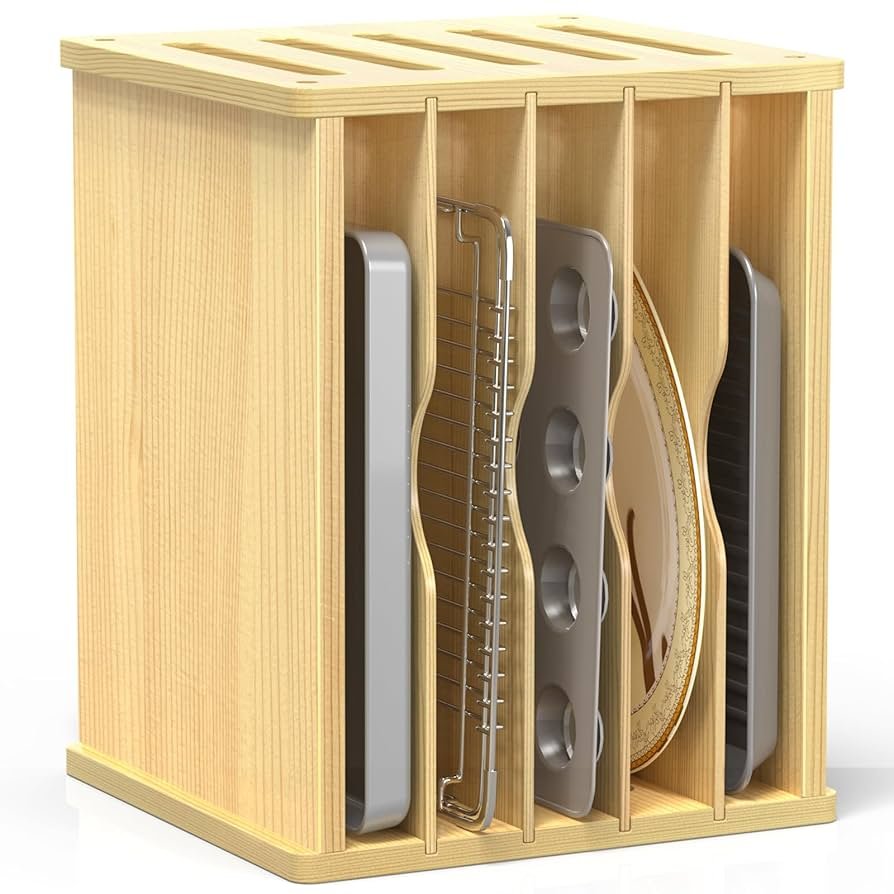
Are you tired of your cutting boards cluttering up your kitchen drawers or taking up too much counter space? Storing cutting boards vertically can be a game-changer for keeping your kitchen organized, clean, and easy to navigate.
But how do you do it right? You’ll discover simple, effective ways to store your cutting boards vertically that save space and keep your boards in great shape. Keep reading, and you’ll learn tips that make your kitchen look neater and work better every day.
Benefits Of Vertical Storage
Storing cutting boards vertically offers many benefits for your kitchen. It helps keep your space organized and your boards in good condition.
Vertical storage is easy to set up and maintain. It ensures your boards are always within reach and ready to use.
Maximizing Kitchen Space
Vertical storage saves valuable counter and cabinet space. It makes your kitchen look tidy and organized.
When you store cutting boards vertically, you can fit more items in your kitchen. This method allows easy access to each board.
Improving Air Circulation
Storing boards upright improves air flow around them. This helps them dry faster and prevents moisture buildup.
Good air circulation keeps boards clean and free of odors. It reduces the risk of mold and bacteria growth.
Preventing Damage And Warping
Vertical storage protects cutting boards from damage. Laying boards flat can cause them to warp over time.
Keeping them upright reduces pressure on the boards. This helps maintain their shape and extends their lifespan.
- Reduces bending and cracking
- Maintains board quality
- Easy to access without scratching
Credit: www.etsy.com
Choosing The Right Spot
Storing cutting boards vertically saves space and keeps them clean. Picking the right spot is important for easy use and good care.
Think about where you use the cutting boards most. Also, choose a place that keeps them dry and safe.
Near The Prep Area
Keep cutting boards close to where you prepare food. This makes cooking faster and easier.
Storing boards near the prep area helps you grab them quickly. It also keeps your kitchen organized.
Accessible But Out Of The Way
Place cutting boards where you can reach them easily. Avoid spots that block movement or clutter counters.
Choose a location that is simple to open and close. This keeps your kitchen tidy and safe.
Dry And Well-ventilated Locations
Cutting boards need to dry fully to avoid mold and damage. Pick a spot with good airflow.
A dry place keeps your boards safe and clean. Avoid storing them near sinks or damp areas.
- Use vertical racks that allow air circulation
- Keep boards away from steam and water splashes
- Choose spots with natural or fan-driven ventilation
Types Of Vertical Storage Solutions
Storing cutting boards vertically saves space and keeps them dry. Vertical storage also helps protect boards from damage.
There are several ways to store cutting boards vertically. Each type fits different kitchen layouts and needs.
Wall-mounted Racks
Wall-mounted racks attach to kitchen walls to hold cutting boards upright. They keep boards within easy reach and free up counter space.
These racks come in various materials like wood, metal, or plastic. Some have slots or hooks to hold boards securely.
- Easy to install on any wall
- Saves counter and cabinet space
- Keeps boards dry and aired out
- Good for small or large cutting boards
Cabinet Organizers
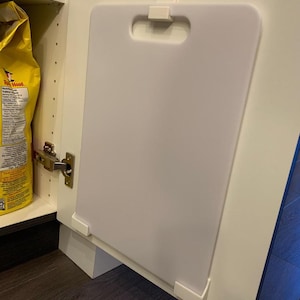
Cabinet organizers fit inside kitchen cabinets to hold cutting boards vertically. They keep boards hidden and tidy.
These organizers often have dividers or slots to keep boards separated. They help reduce clutter inside cabinets.
- Fits inside most cabinets
- Separates boards to avoid scratches
- Keeps cutting boards out of sight
- Helps organize other flat kitchen tools
Freestanding Holders
Freestanding holders sit on countertops or shelves and store cutting boards vertically. They are easy to move and adjust.
These holders come in many styles, such as racks, stands, or bins. They suit kitchens without wall or cabinet space.
- Simple to place anywhere
- Holds multiple cutting boards upright
- Works well for heavy or large boards
- Available in different materials and designs
Diy Vertical Storage Ideas
Storing cutting boards vertically saves space and keeps them easy to reach. Vertical storage helps boards dry faster and stay cleaner.
Try simple DIY ideas to organize your cutting boards. You can use common items to create smart vertical storage solutions.
Using Tension Rods
Tension rods fit inside cabinets or between walls. Place rods vertically to hold cutting boards upright. This keeps boards separated and tidy.
Adjust the rods to fit the size of your boards. You can add more rods for extra support or to store other kitchen tools.
- Measure the space where you want to install rods
- Buy adjustable tension rods
- Place rods vertically or horizontally inside cabinets
- Slide cutting boards between the rods
Repurposing Magazine Holders
Magazine holders work well for cutting boards. They keep boards standing up and separate. Use holders made of metal, plastic, or wood.
Place holders inside cabinets or on countertops. You can paint or decorate them to match your kitchen style.
- Choose sturdy magazine holders
- Place them where boards are easy to reach
- Store cutting boards vertically inside each holder
- Use multiple holders for different board sizes
Custom Wooden Slots
Build wooden slots to fit your cutting boards. Each slot holds one board upright and prevents slipping. This looks neat and organized.
Use scrap wood or buy wood planks. Cut and assemble pieces to create slots the size of your boards. Finish with paint or varnish if you like.
- Measure cutting board thickness and height
- Cut wood pieces for slot dividers and base
- Assemble slots with nails or wood glue
- Sand and finish the wood for a smooth look
- Place boards vertically in each slot
Maintaining Cutting Boards In Vertical Storage
Storing cutting boards vertically helps save space and keeps them dry. Proper care keeps boards safe and clean.
Follow good habits to protect your cutting boards from damage and bacteria.
Cleaning And Drying Tips
Clean cutting boards right after use to stop bacteria growth. Use warm water and mild soap for washing.
Dry boards fully before placing them vertically. Standing boards let air flow and dry faster.
- Wash with warm, soapy water
- Rinse well to remove soap
- Dry with a clean towel
- Stand boards upright to air dry
Regular Oiling And Conditioning
Oiling cutting boards keeps wood from drying out and cracking. Use food-safe mineral oil or board conditioner.
Apply oil regularly to maintain the board’s surface and extend its life.
- Clean board before oiling
- Apply a thin layer of oil
- Let oil soak in for a few hours
- Wipe off extra oil with a cloth
- Repeat monthly or when wood looks dry
Checking For Damage
Inspect boards often for cracks, deep cuts, or warping. Damage can hold bacteria and harm food safety.
Replace or repair boards that show serious damage to keep your kitchen safe.
- Look for cracks or splits
- Check for deep knife marks
- Notice if board warps or bends
- Sand small cuts to smooth surface
- Replace if damage is severe

Credit: www.amazon.com

Credit: www.amazon.com
Frequently Asked Questions
How Do I Store Cutting Boards Vertically Safely?
Store cutting boards vertically using a sturdy rack or divider. Ensure boards are dry to prevent mold and warping. Avoid stacking boards flat to allow air circulation and easy access.
What Materials Work Best For Vertical Cutting Board Storage?
Wooden or metal racks work best for vertical storage. They provide stability and prevent boards from slipping. Choose materials that resist moisture to maintain board hygiene and longevity.
Can Vertical Storage Prevent Cutting Board Damage?
Yes, vertical storage reduces pressure and warping by keeping boards upright. It also minimizes scratches and surface damage caused by stacking boards horizontally.
How To Organize Multiple Cutting Boards Vertically?
Use adjustable racks or dividers to separate boards by size or type. Label each slot for easy identification and quick access. Keep frequently used boards in front for convenience.
Conclusion
Storing cutting boards vertically saves space and keeps them dry. It helps prevent mold and warping over time. Use a sturdy rack or divider to keep boards upright. Make sure there is enough air flow between each board. This simple method keeps your kitchen neat and your boards lasting longer.
Try it today for easier access and better hygiene. Small changes can make a big difference in kitchen care. Keep your cutting boards clean, dry, and well-organized.