
Are your cutting boards cluttering your kitchen counter or taking up too much cabinet space? Finding the right way to store them can save you time, keep your kitchen tidy, and even extend the life of your boards.
Imagine reaching for the perfect cutting board easily, without the hassle of digging through piles or risking damage. You’ll discover simple, practical tips to organize your cutting boards efficiently. Keep reading to transform your kitchen storage and make your cooking routine smoother than ever.

Credit: www.woodcuttingboardstore.com
Choosing The Right Cutting Boards
Cutting boards are essential in every kitchen. Selecting the right ones can enhance your cooking experience. Properly storing them also helps in maintaining hygiene.
Consider the materials and sizes, and choose boards for specific uses. This ensures efficiency and keeps your kitchen organized.
Materials And Sizes
Different materials affect board durability and usability. Common materials include wood, plastic, and bamboo. Each has its own benefits.
Sizes matter too. Small boards are great for quick jobs. Larger boards handle bigger tasks like chopping vegetables or slicing meat.
- Wood: Durable and gentle on knives
- Plastic: Easy to clean and lightweight
- Bamboo: Eco-friendly and hard
- Small size: Best for quick tasks
- Large size: Ideal for big preparations
Boards For Different Uses
Using the right board for each task keeps flavors separate. It also prevents cross-contamination.
Have separate boards for vegetables, meats, and bread. This ensures each type of food has its dedicated space.
- Vegetables: Use a specific board to avoid mixing flavors
- Meats: Separate board reduces bacteria transfer
- Bread: Dedicated board keeps crumbs contained
Credit: www.livingetc.com
Common Storage Challenges
Cutting boards are useful tools in every kitchen. Storing them properly can be tricky.
Many people face problems keeping cutting boards neat and easy to reach. This guide explains common storage issues.
Countertop Clutter
Cutting boards often sit on countertops. This can create clutter and reduce workspace.
Leaving boards out can make the kitchen look messy. It also makes cleaning harder.
- Boards take up space needed for food prep
- Stacks can fall and cause accidents
- Wet boards may damage countertops
Limited Cabinet Space
Kitchen cabinets often have little room for cutting boards. They can be tall and hard to fit.
Boards stored flat use much space. This leaves less room for other kitchen items.
- Stacked boards can be hard to separate
- Flat storage wastes vertical space
- Boards may get scratched or damaged
Vertical Storage Solutions
Storing cutting boards vertically saves space and keeps them easy to reach. It also helps them dry faster and stay clean.
Vertical storage works well in small kitchens. You can use walls or cabinet doors to store your boards neatly.
Wall-mounted Racks
Wall-mounted racks hold cutting boards upright on the wall. This keeps your counters clear and boards organized.
These racks can be made of wood, metal, or plastic. They often have slots or hooks to keep boards separated.
- Save countertop and drawer space
- Keep cutting boards dry and ventilated
- Easy to install on any empty wall
- Works well for boards of all sizes
Inside Cabinet Doors
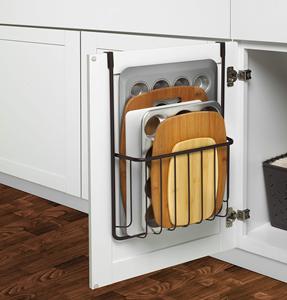
Mounting storage racks inside cabinet doors hides cutting boards out of sight. This keeps your kitchen tidy.
Use slim racks or holders that fit inside the door space. This option makes use of unused areas in your kitchen.
- Keeps cutting boards organized and easy to find
- Maximizes kitchen storage without crowding counters
- Protects boards from dust and damage
- Simple to install with screws or adhesive strips
Credit: www.alibaba.com
Drawer Organization Techniques
Keeping cutting boards in a drawer can save space and keep your kitchen neat. Good organization helps you find boards quickly. It also protects the boards from damage.
This guide explains two ways to store cutting boards well inside drawers. You will learn about using dividers and stacking safely.
Using Dividers
Dividers separate cutting boards in the drawer. They keep boards from sliding and scratching each other. You can use adjustable dividers or simple inserts.
Place dividers vertically to save space. This makes it easy to take out one board without moving others.
- Use wooden or plastic dividers for durability
- Adjust divider width to fit different board sizes
- Label sections if you have many boards
- Keep dividers clean to avoid stains on boards
Stacking Safely
Stack boards flat if you have limited space. Place heavier boards at the bottom. This prevents lighter boards from warping or cracking.
Use soft layers like cloth or paper towels between boards. This stops scratches and keeps boards dry.
- Do not stack too many boards at once
- Clean and dry boards before stacking
- Store boards upright if possible to avoid pressure
- Rotate boards regularly to prevent wear
Creative Space-saving Ideas
Cutting boards are essential in every kitchen. Storing them well keeps your space neat.
Try creative ways to save space and keep boards easy to reach.
Over-the-sink Storage
Use the space above your sink to store cutting boards. It frees up counter space.
You can place a rack or tray over the sink to hold boards upright. This lets water drip off.
- Keeps boards dry and clean
- Saves counter space
- Makes boards easy to grab
Magnetic Strips And Hooks
Magnetic strips hold metal or magnetic cutting boards on the wall. Hooks work for boards with holes.
This keeps boards off counters and visible. It also uses vertical wall space well.
- Save drawer and cabinet space
- Keep boards within easy reach
- Organize boards by size or use
Maintaining Cutting Board Care
Cutting boards need proper care to stay clean and last longer. Storing them correctly helps keep them in good shape.
Good care stops damage and keeps your boards safe for food prep.
Cleaning And Drying Tips
Clean your cutting board right after use. Use warm water and mild soap. Avoid soaking the board in water.
Dry the board fully before storing. Use a clean towel or air dry it upright to stop moisture build-up.
- Wash with warm soapy water after each use
- Do not put wooden boards in the dishwasher
- Air dry boards standing up to let air flow
- Wipe boards dry with a clean cloth if needed
Extending Board Lifespan
Store cutting boards in a dry, cool place. Avoid stacking wet boards to stop warping and cracking.
Oil wooden boards regularly with food-safe oil. This keeps the wood from drying out and cracking.
- Keep boards away from direct sunlight or heat
- Use food-safe mineral oil to oil wooden boards monthly
- Do not store boards flat if they are still damp
- Use separate boards for raw meat and vegetables to avoid damage
Frequently Asked Questions
How Can I Store Cutting Boards To Save Kitchen Space?
Use vertical racks or wall-mounted holders to store cutting boards. This keeps them organized and frees up counter space efficiently.
What Materials Are Best For Cutting Board Storage?
Wood or bamboo racks are ideal for durability and aesthetics. Avoid plastic to prevent slipping and damage to boards.
How Do I Keep Cutting Boards Dry When Stored?
Store cutting boards in a well-ventilated area. Use racks that allow air circulation to prevent moisture buildup and mold growth.
Can I Store Cutting Boards Inside Kitchen Cabinets?
Yes, use adjustable dividers or vertical slots inside cabinets. This method keeps boards upright and easy to access without clutter.
Conclusion
Storing cutting boards well keeps your kitchen tidy and safe. Choose a spot that is dry and easy to reach. Use racks or hooks to save space and keep boards separate. Clean boards before storing to avoid bacteria growth. Regularly check for cracks or damage and replace when needed.
Simple steps make your kitchen more organized and your boards last longer. Small changes can make a big difference every day. Keep your cutting boards ready for use, neat and clean.