
Are your cutting boards cluttering your kitchen and making meal prep frustrating? Finding the right way to store your cutting boards can save you space, keep your kitchen tidy, and even extend the life of your boards.
Imagine opening your cabinet and instantly spotting the perfect board without digging through a messy pile. You’ll discover simple, smart tips to store your cutting boards efficiently—making your cooking routine smoother and your kitchen more organized. Keep reading to transform your kitchen storage today!
Credit: www.alibaba.com
Choosing The Right Storage Spot
Storing cutting boards properly keeps your kitchen organized. It also extends their life. Choose the best spot to store them for easy access and neatness.
Consider where you use your cutting boards most often. This helps decide the most efficient storage location in your kitchen.
Kitchen Cabinets Vs Countertops
Kitchen cabinets and countertops are popular storage options. Each has its benefits and drawbacks.
- Cabinets keep cutting boards hidden and protect them from dust.
- Countertops allow quick access but can lead to clutter.
Utilizing Vertical Spaces
Vertical spaces are often underused in kitchens. They offer a smart way to store cutting boards.
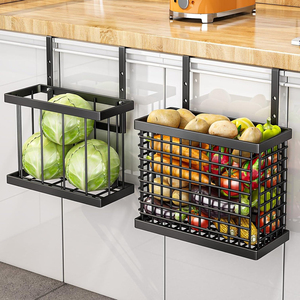
- Use wall-mounted racks to save counter space.
- Install pegboards for flexible storage options.
Near The Sink Or Prep Area
Storing cutting boards near the sink or prep area is practical. It makes food preparation more efficient.
- Keep boards near the sink for easy washing.
- Store them close to where you chop ingredients.
Credit: www.alibaba.com
Types Of Cutting Board Storage
Cutting boards need proper storage to keep your kitchen tidy. Good storage saves space and protects your boards.
There are several ways to store cutting boards. Each type fits different kitchen styles and needs.
Drawer Organizers
Drawer organizers keep cutting boards flat and easy to find. They fit inside kitchen drawers for neat storage.
These organizers have slots or dividers to separate boards. They stop boards from sliding and scratching each other.
- Save counter and cabinet space
- Protect boards from damage
- Keep boards clean and dry
- Easy to access when cooking
Wall-mounted Racks
Wall-mounted racks hold cutting boards vertically on the wall. They use hooks or slots to keep boards safe.
This storage style frees up drawer and counter space. It also helps boards dry faster by standing up.
- Save kitchen space
- Keep boards dry and aired
- Showcase attractive cutting boards
- Easy to clean area around racks
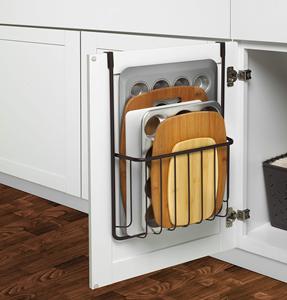
Cabinet Door Holders
Cabinet door holders attach inside cabinet doors. They use racks or hooks to store cutting boards neatly.
This option uses usually unused space. It keeps boards hidden but easy to reach during cooking.
- Use cabinet door space efficiently
- Keep boards out of sight
- Prevent clutter on counters
- Boards stay dry and clean
Space-saving Storage Hacks
Cutting boards can take up a lot of space in kitchens. Keeping them organized saves room and makes your kitchen neat. Use smart storage ideas to keep boards easy to reach.
Try different ways to store your cutting boards. This helps keep them dry and clean. It also stops them from scratching each other.
Stacking And Separating Boards
Stack cutting boards flat to save space. Place thin separators between boards. This stops scratches and lets air flow.
- Use small pieces of wood or silicone pads as separators
- Keep boards dry before stacking
- Stack boards by size for easy access
Using Tension Rods
Tension rods fit well inside cabinets. Place rods vertically or horizontally to hold cutting boards. They keep boards upright and easy to grab.
- Install rods inside cabinet doors or shelves
- Adjust rod length to fit your space
- Separate boards by type or size between rods
Repurposing Magazine Holders
Magazine holders are great for storing boards upright. They keep boards organized and save drawer space. Use plastic or metal holders for easy cleaning.
- Place holders on countertops or inside cabinets
- Label holders for different board types
- Use multiple holders for a larger collection
Maintaining Cutting Board Hygiene
Cutting boards can harbor bacteria if not stored properly. Keeping them clean and dry helps prevent germs. Proper storage supports a safe kitchen environment.
Learn simple ways to keep your cutting boards hygienic. This guide covers drying, cleaning, and avoiding cross-contamination.
Proper Drying Techniques
Drying cutting boards completely stops bacteria growth. Wet boards invite moisture-loving germs. Use good drying habits to keep boards clean.
Air drying on a rack is best. Place boards upright to let both sides dry. Avoid stacking boards while wet to prevent mold.
- Use a drying rack or stand
- Keep boards upright to dry both sides
- Do not stack boards until fully dry
- Wipe off excess water with a clean cloth
Regular Cleaning Tips
Clean cutting boards after every use. This removes food particles and bacteria. Use hot soapy water and rinse well.
For deeper cleaning, use a mild bleach solution or vinegar. Scrub boards gently to avoid damage. Dry immediately after washing.
- Wash with hot water and soap
- Rinse thoroughly to remove soap
- Use vinegar or diluted bleach for disinfecting
- Scrub with a brush or sponge
- Dry boards right after cleaning
Avoiding Cross-contamination
Use separate cutting boards for raw meat and other foods. This stops germs from spreading. Mark boards by food type if possible.
Store boards in different places or use color-coded boards. Clean boards well between uses. This keeps food safe and your kitchen clean.
- Use different boards for meat, vegetables, and fish
- Label or color-code boards for easy ID
- Store boards separately to avoid contact
- Clean boards after each use
Customizing Storage For Different Materials
Cutting boards come in many materials. Each type needs special care for storage.
Storing boards properly keeps them safe and clean. It also helps them last longer.
Wooden Boards
Wooden boards are strong but need air to stay dry. Store them in a dry place.
Keep wooden boards upright to avoid warping. Avoid stacking them when wet.
- Use a vertical rack or slots to stand boards up
- Keep them away from direct sunlight and moisture
- Allow space between boards for air circulation
Plastic Boards
Plastic boards are easy to clean and resist water. They can be stacked safely.
Use shelves or drawers to store plastic boards. Keep them dry to avoid odors.
- Stack plastic boards flat or on shelves
- Separate boards by color to avoid cross-contamination
- Clean and dry boards before storage
Bamboo And Composite Boards
Bamboo and composite boards need gentle care. They can warp if stored improperly.
Store these boards upright or flat in a dry spot. Avoid tight stacking to keep airflow.
- Place boards in a vertical rack or flat on shelves
- Keep away from heat sources and moisture
- Allow air space between boards

Credit: www.woodcuttingboardstore.com
Frequently Asked Questions
How Can I Store Cutting Boards To Save Kitchen Space?
Use vertical racks or wall-mounted holders to keep boards upright. This method saves counter space and keeps boards dry. Avoid stacking boards flat to prevent warping and bacteria growth.
What Is The Best Way To Dry Cutting Boards Before Storage?
Always air dry cutting boards completely before storing. Use a clean towel to remove excess moisture. Proper drying prevents mold, bacteria, and warping.
Can I Store Cutting Boards Inside Kitchen Drawers?
Yes, if drawers have enough ventilation and are clean. Use drawer dividers or organizers to keep boards separated. Avoid overcrowding to maintain airflow and hygiene.
How Often Should I Clean My Cutting Board Storage Area?
Clean the storage area weekly with mild soap and water. Dry thoroughly before placing boards back. This practice reduces bacteria and keeps cutting boards safe.
Conclusion
Storing cutting boards well saves space and keeps kitchens neat. Choose spots that allow air to dry boards quickly. Use racks or hooks to prevent damage and mess. Keep boards separate to stop germs spreading. Clean boards before storing to stay safe.
Small changes help maintain your kitchen’s order. A tidy kitchen makes cooking easier and more fun. Try these tips and enjoy a well-organized space every day.