
Your cutting boards are more than just kitchen tools—they’re the foundation of every meal you prepare. But how you store them can make a big difference in their lifespan and hygiene.
If you’ve ever noticed stains, warping, or unpleasant odors, it’s probably time to rethink your storage method. You’ll discover simple, effective ways to keep your cutting boards in top shape. Ready to protect your investment and keep your kitchen safe?
Let’s dive in.

Credit: www.mosomboo.com
Choosing The Right Storage Spot
Storing cutting boards properly keeps them clean and undamaged. Finding the right spot is key to their longevity.
Choose a location that protects your cutting boards from harm. Proper storage prevents warping and bacteria growth.
Avoiding Moisture And Humidity
Moisture can damage cutting boards over time. Avoid storing them near sinks or dishwashers.
Keep boards dry by storing them vertically. This helps air circulate around them.
- Use a rack to keep boards separate
- Ensure the storage area is well-ventilated
- Check for water leaks nearby
Selecting A Cool, Dry Area
A cool and dry place is ideal for cutting boards. Heat can cause them to warp or crack.
Avoid placing cutting boards near ovens or stoves. Instead, find a spot away from heat sources.
- Store in a pantry or cupboard
- Keep away from direct sunlight
- Ensure the area is not too warm
Credit: www.justwoodencuttingboard.com
Cleaning Before Storage
Keeping cutting boards clean before storage helps stop bacteria growth. Proper cleaning also keeps the board in good shape.
Follow simple cleaning steps to make sure your cutting boards are safe and dry before you put them away.
Proper Washing Techniques
Wash cutting boards right after use to remove food particles. Use warm water and dish soap for best results.
Scrub both sides of the board with a sponge or brush. This removes germs and prevents stains.
- Rinse with warm water
- Use dish soap to clean all surfaces
- Scrub with a sponge or brush
- Rinse off soap completely
Thorough Drying Methods
Dry cutting boards fully before storing them. Moisture can cause bacteria and damage the board.
Air dry boards standing up or use a clean towel to speed up drying. Avoid stacking boards while wet.
- Place boards upright for air drying
- Use a dry towel to wipe off water
- Keep boards separate to dry evenly
- Do not store boards while damp
Storage Methods For Different Materials
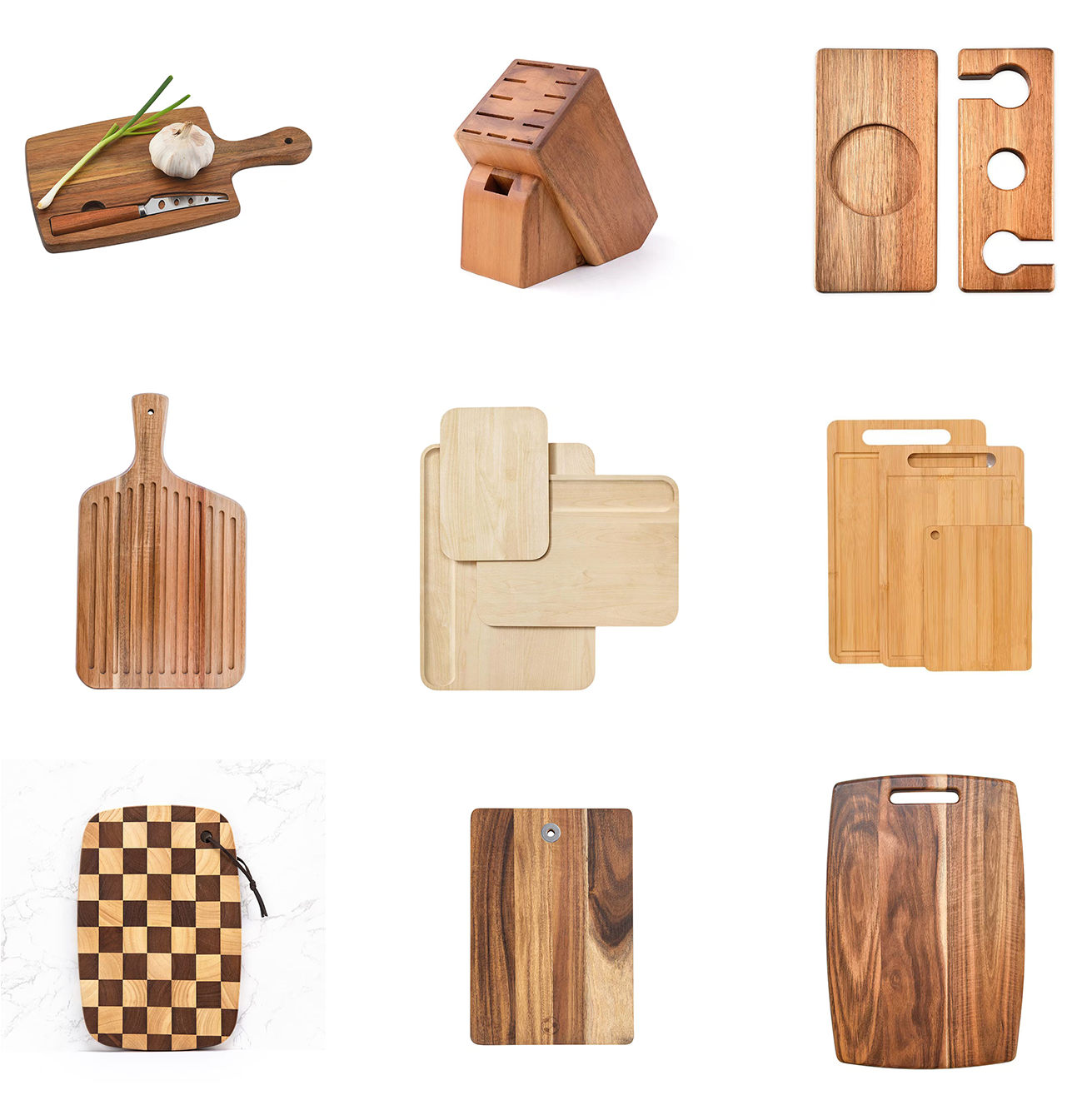
Cutting boards come in many materials. Each type needs a special way to store it. Proper storage keeps boards clean and lasts longer.
Storing boards correctly also stops warping and damage. Learn how to store wooden, plastic, and bamboo boards.
Wooden Cutting Boards
Wooden boards need air to stay dry. Keep them in a dry place with good airflow. Avoid stacking them tightly to stop moisture buildup.
Stand wooden boards on their edges or hang them. This helps prevent warping and keeps the surface smooth.
- Store upright or hang on hooks
- Keep in a dry, ventilated area
- Do not stack heavy items on top
Plastic And Composite Boards
Plastic boards are easier to clean and store. You can stack them flat or store upright. Make sure they are dry before storing.
Use a rack or drawer space to keep plastic boards organized. Avoid bending or folding them to prevent cracks.
- Store flat or upright in racks
- Keep dry before storing
- Do not bend or fold boards
Bamboo Boards
Bamboo boards are strong but need similar care to wood. Store them upright or hang them to keep air flowing. Avoid damp places.
Do not stack heavy objects on bamboo boards. This stops cracks and helps keep their shape and finish.
- Store upright or hang on hooks
- Keep away from moisture
- Do not stack heavy items on top
Using Storage Accessories
Storing cutting boards properly keeps them clean and dry. Using storage accessories helps save space and protect your boards.
There are many accessories designed for cutting board storage. They make it easier to organize and access your boards.
Cutting Board Racks
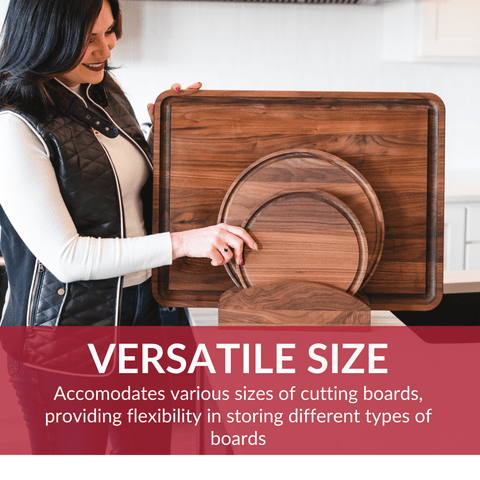
Cutting board racks hold boards upright to prevent warping. They allow air to circulate and dry the boards faster.
Racks come in different sizes and materials like wood or metal. Choose one that fits your kitchen space and board sizes.
Wall Mounts And Hooks
Wall mounts and hooks save counter space by keeping boards off surfaces. They keep boards visible and easy to grab.
Use strong hooks or racks that can hold the board’s weight. Make sure boards dry well when stored this way.
Drawer Organizers
Drawer organizers keep cutting boards flat and separated. This prevents scratches and keeps boards neat.
Use adjustable dividers or trays to fit different board sizes. This type of storage works well in small kitchens.
Maintaining Cutting Board Quality
Proper storage helps keep cutting boards in good shape. It stops damage and keeps them safe to use.
Taking care of your cutting boards extends their life. Good habits prevent cracks and warping over time.
Regular Oil Treatments
Oiling your cutting board keeps the wood from drying out. It also protects the surface from stains and bacteria.
Use food-safe mineral oil or beeswax. Apply oil evenly and let it soak overnight for best results.
- Clean the board before oiling
- Apply a generous coat of oil
- Let the oil soak in for several hours
- Wipe off excess oil with a clean cloth
- Repeat monthly or as needed
Avoiding Warping And Cracks
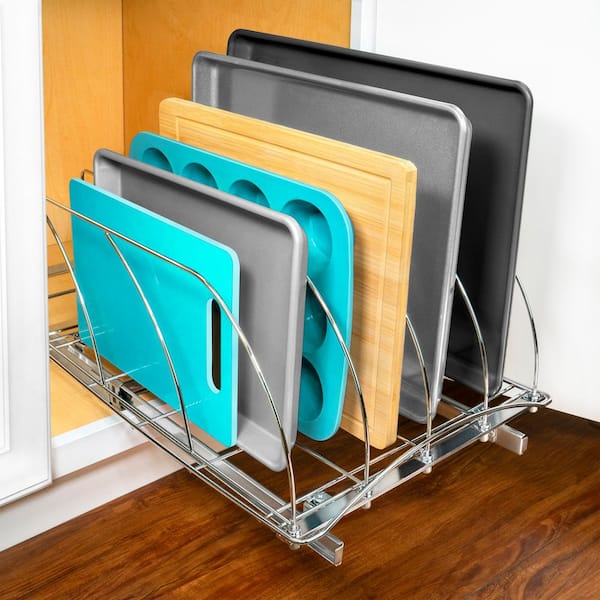
Keep your cutting board dry and store it upright. Standing it on its edge lets air flow around it well.
Avoid leaving the board in water or near heat. These can cause the wood to warp or crack over time.
- Dry the board completely after washing
- Store in a cool, dry place
- Do not soak the board in water
- Keep away from direct sunlight and heat sources
- Use a stand or rack to store upright
Credit: www.homedepot.com
Tips For Travel And Outdoor Storage
Traveling with cutting boards needs careful packing. Outdoor storage can expose boards to dirt and damage.
Keeping your boards clean and safe helps them last longer. Use smart storage ideas for travel and outside use.
Portable Storage Solutions
Choose lightweight containers to carry cutting boards on trips. These cases protect boards from scratches and dirt.
Look for storage that fits your board size. Hard plastic or fabric covers work well for travel.
- Use plastic sleeves or custom cases
- Soft cloth bags prevent surface damage
- Stack boards with separators inside a box
- Choose waterproof containers for wet conditions
Protecting Boards On The Go
Clean your boards before packing to stop smells and stains. Dry them fully to avoid mold or warping.
Keep cutting boards away from sharp tools. Place them in a separate compartment or wrap with a cloth.
- Wipe boards with a damp cloth before storage
- Use beeswax or oil to keep wood boards sealed
- Store boards upright to avoid bending
- Separate boards from knives and other utensils
Frequently Asked Questions
How Should I Store Wooden Cutting Boards?
Store wooden cutting boards in a dry, well-ventilated area. Keep them upright or flat to prevent warping. Avoid direct sunlight or moisture to maintain their quality and longevity.
Can I Store Cutting Boards Inside Kitchen Cabinets?
Yes, store cutting boards inside cabinets to keep them clean and dry. Ensure proper ventilation to avoid moisture buildup and prevent mold growth.
What Is The Best Way To Dry Cutting Boards After Washing?
Dry cutting boards immediately after washing with a clean towel. Stand them upright to air dry fully, preventing moisture retention and bacterial growth.
How Do I Prevent Cutting Boards From Warping?
Avoid soaking cutting boards in water for long periods. Store them upright or flat in a dry place. Regularly oil wooden boards to maintain moisture balance.
Conclusion
Storing cutting boards properly keeps them clean and safe to use. Dry them well before putting them away to stop mold and bacteria. Use racks or hooks to save space and air out boards. Avoid stacking wet boards to prevent damage.
Regular care helps cutting boards last longer and stay fresh. Simple steps make your kitchen more organized and healthy. Taking care of cutting boards is easy and worth it. Your food will taste better, and your tools will look good.
Keep these tips in mind for a neat kitchen space.