
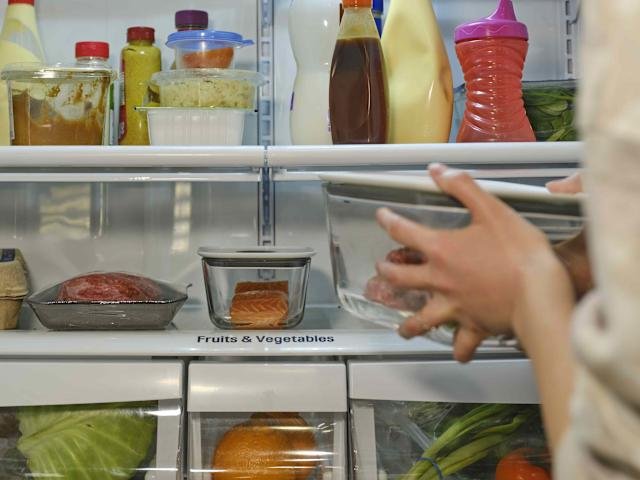
You’ve just finished cooking a delicious meal, but what’s next? Storing your cooked food safely isn’t just about convenience—it’s about protecting your health and keeping your meals fresh and tasty.
If you’re unsure about the best ways to store leftovers or want to avoid food waste and food poisoning, this guide is made for you. Keep reading to discover simple, effective tips that will help you handle your cooked food like a pro and enjoy every bite without worry.
Importance Of Food Storage
Storing cooked food safely helps keep it fresh and tasty. It also stops harmful germs from growing.
Good food storage lowers the risk of food poisoning. It saves money by reducing waste.
Preventing Bacterial Growth
Bacteria grow fast in cooked food left at room temperature. Proper storage slows their growth.
Keep food in clean, airtight containers. Cool food quickly before storing it in the fridge.
- Do not leave cooked food out for more than two hours
- Store food below 40°F (4°C) to keep bacteria slow
- Use shallow containers to cool food faster
Maintaining Food Quality
Proper storage keeps cooked food fresh and tasty. It prevents dryness and bad smells.
Use airtight containers or wrap food tightly. Label containers with the date to track freshness.
- Use plastic wrap, aluminum foil, or sealable bags
- Keep food in portions for easy reheating
- Freeze leftovers if you won’t eat them soon
Reducing Food Waste
Storing food correctly helps you eat leftovers safely. It stops food from spoiling quickly.
Check stored food often. Use older food first to avoid throwing it away.
- Plan meals to use leftovers on time
- Keep your fridge organized for easy access
- Throw away food that smells or looks bad

Credit: www.delish.com
Ideal Storage Temperatures
Storing cooked food at the right temperature keeps it safe to eat. Proper temperatures slow down bacteria growth.
Using the right storage methods helps keep food fresh and reduces waste.
Refrigerator Guidelines
Keep your refrigerator at or below 40°F (4°C). This temperature stops most bacteria from growing.
Store cooked food in clean, sealed containers to avoid contamination. Cool hot food before placing it in the fridge.
- Set fridge temperature to 40°F (4°C) or lower
- Use airtight containers to store cooked food
- Place food on shelves, not the door, for steady temperature
- Cool food quickly before refrigerating
Freezer Best Practices
Keep the freezer at 0°F (-18°C) or lower to keep food safe for longer. This temperature stops bacteria completely.
Wrap cooked food well to prevent freezer burn. Label containers with dates to track storage time.
- Set freezer temperature to 0°F (-18°C) or lower
- Use freezer-safe containers or wraps
- Label food with storage date
- Consume frozen cooked food within 3 to 6 months
Proper Containers For Storage
Storing cooked food safely keeps it fresh and prevents germs. Choosing the right containers is very important.
Good containers protect food from air and moisture. They also keep the food’s taste and texture.
Material Considerations
Pick containers made from safe materials that do not leak chemicals. Glass, food-grade plastic, and stainless steel work well.
Glass containers do not stain or hold smells. They are easy to clean and reuse. Plastic containers are light and handy but check if they are BPA-free.
- Glass: Durable, non-toxic, microwave safe
- Food-grade plastic: Lightweight, affordable, BPA-free recommended
- Stainless steel: Strong, reusable, not microwave safe
Sealing Techniques
Containers should have tight-fitting lids to keep air out. This helps stop bacteria growth and food spoilage.
Use containers with rubber seals or locking clips for a better seal. Cover food with plastic wrap before closing if needed.
- Use lids that fit tightly without gaps
- Choose containers with silicone seals or locking tabs
- Wrap food with plastic wrap for extra protection
- Label containers with date for easy tracking

Credit: www.goodhousekeeping.com
Labeling And Dating
Storing cooked food safely is important to avoid food waste and illness. Labeling and dating help you keep track of your food.
Clear labels make it easy to know what is inside and when it was cooked. This helps you use food before it goes bad.
Effective Labeling Systems
Use labels that are easy to write on and stick well. Write the food name and cooking date clearly on each container.
Choose waterproof labels or use masking tape with a marker. This keeps the label readable even in the fridge or freezer.
- Use permanent markers for clear writing
- Label both the lid and the side of containers
- Include the type of food and cooking date
- Use color-coded labels for different food types
- Replace old or damaged labels regularly
Tracking Expiry Dates
Cooked food should be eaten within a safe time frame. Write the expiry date on the label to avoid eating spoiled food.
Check the storage guidelines for each type of food. Use a calendar or app to remind you when food needs to be used or thrown out.
- Mark the date when food was cooked
- Calculate expiry based on safe storage times
- Use a first-in, first-out system to use older food first
- Regularly check stored food for signs of spoilage
- Throw away food past its expiry date
Preventing Cross-contamination
Storing cooked food safely is important to avoid illness. Cross-contamination happens when harmful germs spread from one food to another.
Keeping cooked food separate and clean helps stop germs. This guide shows easy ways to prevent cross-contamination at home.
Separating Different Foods
Keep cooked food away from raw food. Raw meat and vegetables can carry bacteria that may spread to cooked meals.
Use different containers and storage areas for each type of food. This stops germs from moving from one food to another.
- Store cooked meat on a separate shelf from raw meat
- Use clean containers with tight lids for cooked food
- Do not place cooked food on plates that held raw items
- Label containers to avoid confusion
Cleanliness And Hygiene
Wash your hands before handling food or containers. Germs on hands can easily spread to cooked food.
Clean all surfaces, utensils, and containers well. Use hot water and soap to remove germs and dirt completely.
- Sanitize cutting boards after each use
- Wash storage containers before reuse
- Keep fridge and storage areas clean
- Use separate utensils for raw and cooked food

Credit: www.delish.com
Reheating Safely
Reheating cooked food is common in many homes. It helps reduce waste and saves time.
It is important to reheat food safely to avoid illness. Proper reheating kills harmful bacteria.
Methods For Safe Reheating
Use the right tools to heat food evenly. Microwaves, ovens, and stovetops work well.
Make sure food reaches at least 165°F (74°C). This temperature kills most germs.
- Stir food during reheating to avoid cold spots
- Cover food to keep moisture and heat inside
- Avoid reheating food more than once
- Use a food thermometer to check the temperature
Maintaining Nutritional Value
Reheat food gently to keep its nutrients. High heat can destroy vitamins and minerals.
Use methods that keep moisture, like steaming or using a microwave with a cover.
- Reheat only the portion you will eat
- Avoid overheating to prevent nutrient loss
- Use low or medium heat settings
- Store leftovers properly to keep nutrition intact
Identifying Spoiled Food
Storing cooked food safely helps prevent illness. Knowing how to spot spoiled food keeps you healthy.
Spoiled food can look, smell, or taste different. Pay attention to these signs before eating leftovers.
Signs Of Spoilage
Food changes when it spoils. Look for changes in smell, color, and texture to know if it is bad.
- A strong, sour, or off smell
- Discoloration or dark spots
- Slime or sticky feeling on the surface
- Mold growth in any color
- Bubbles or foam in liquids
- A sour or strange taste (avoid tasting if unsure)
Disposal Tips
Throw away spoiled food quickly. This stops bacteria from spreading and keeps your kitchen safe.
Use sealed bags or containers to avoid smells. Clean the storage area after disposal to prevent pests.
- Seal spoiled food in a plastic bag
- Place the bag in an outdoor trash bin
- Wash your hands after handling spoiled food
- Clean and disinfect containers before reuse
- Check your fridge regularly for old leftovers
Tips For Long-term Storage
Storing cooked food safely helps keep it fresh and tasty. Proper storage stops germs from growing.
Use the right methods to save food for a long time. This lowers waste and saves money.
Batch Cooking And Freezing
Batch cooking means making large amounts of food at once. Freeze portions to eat later.
Cool food quickly before freezing. Store in airtight containers or freezer bags to avoid freezer burn.
- Label containers with date and contents
- Use freezer-safe containers or bags
- Freeze food in small portions for easy thawing
- Keep freezer temperature at 0°F (-18°C) or lower
Vacuum Sealing Benefits
Vacuum sealing removes air from food packages. This slows down spoilage and freezer burn.
Vacuum sealed food lasts longer in the freezer and fridge. It keeps flavors and textures better.
- Prevents freezer burn by removing air
- Extends shelf life of cooked food
- Saves space by compressing packages
- Protects food from moisture and bacteria
Frequently Asked Questions
How Long Can Cooked Food Be Stored Safely?
Cooked food can be safely stored for 3 to 4 days in the refrigerator. Always keep it below 40°F (4°C). For longer storage, freeze the food, which preserves quality for 2 to 6 months depending on the dish.
What Is The Best Container For Storing Cooked Food?
Use airtight containers made of glass or BPA-free plastic. These containers prevent moisture loss and contamination. They also keep food fresh longer and help maintain flavor and texture during storage.
How Quickly Should Cooked Food Be Refrigerated?
Refrigerate cooked food within two hours of cooking. If the room temperature is above 90°F (32°C), refrigerate within one hour. Prompt cooling reduces bacterial growth and keeps food safe to eat.
Can You Store Cooked Food At Room Temperature?
No, storing cooked food at room temperature over two hours increases bacteria risk. Always cool cooked food quickly and refrigerate promptly to prevent foodborne illnesses.
Conclusion
Storing cooked food safely helps keep you and your family healthy. Cool food quickly and use clean containers for storage. Keep leftovers in the fridge within two hours after cooking. Label containers with dates to track freshness easily. Reheat food thoroughly before eating.
Avoid leaving cooked food out for too long. Following these simple steps reduces the risk of foodborne illness. Safe food storage saves money and reduces waste. Remember, safe habits make meals safer and more enjoyable every day.