
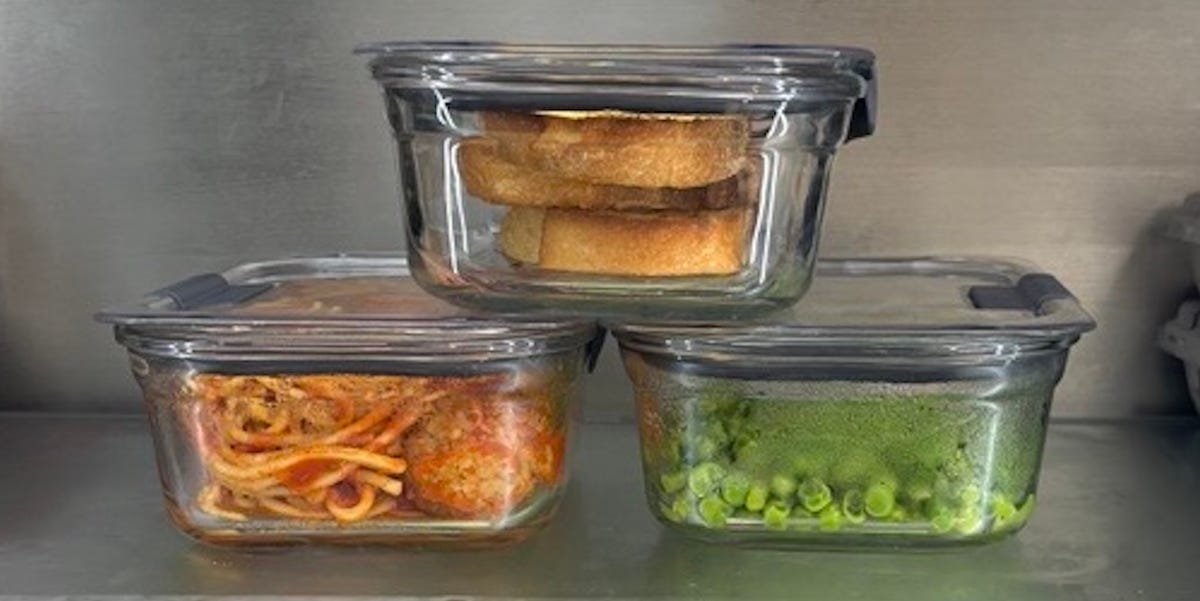
Have you ever worried about whether your leftover meals are safe to eat? Storing cooked food the right way is more important than you might think.
If you don’t handle it properly, harmful bacteria can grow, leading to food poisoning. But don’t worry—this guide will show you simple, effective steps to keep your food fresh and safe. By following these easy tips, you’ll protect your health and enjoy your meals without any stress.
Keep reading to discover how to store cooked food hygienically and make the most of every bite.
Credit: gajalee.org
Choosing Containers
Storing cooked food properly helps keep it fresh and safe to eat. Choosing the right container is important to stop food from spoiling.
Good containers keep out air and moisture. They also prevent smells from mixing in the fridge or freezer.
Materials That Preserve Freshness
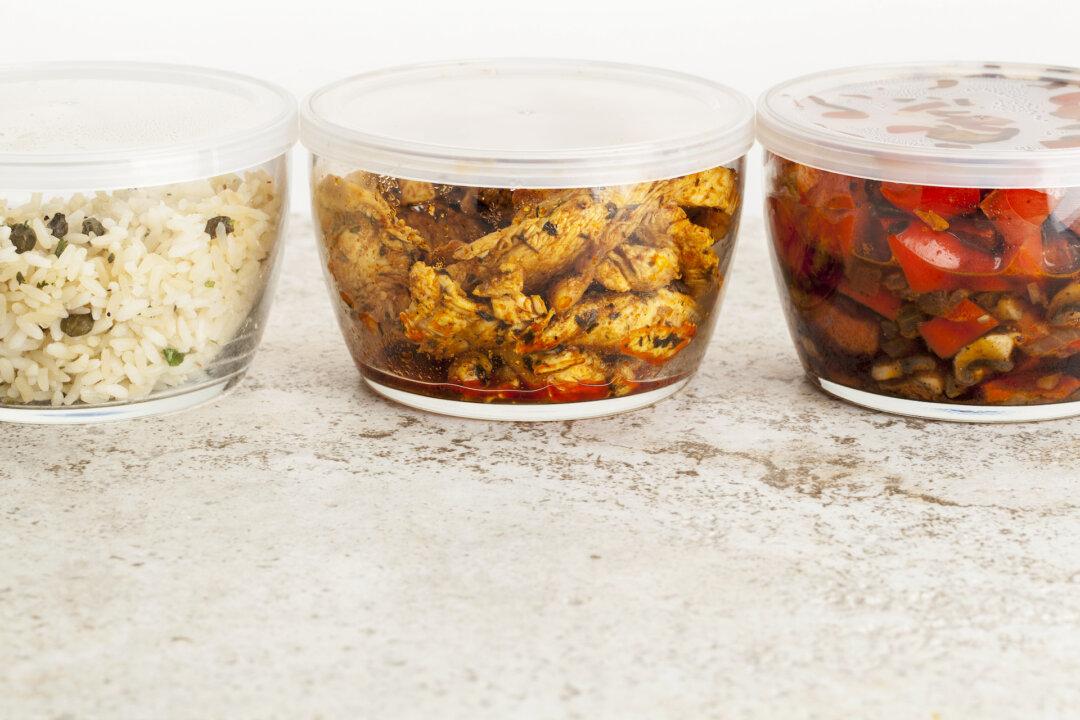
Pick containers made from materials that keep food fresh longer. Glass and BPA-free plastic work well. Metal containers can also be good if they have tight lids.
- Glass: Non-porous and easy to clean, glass keeps food fresh without absorbing smells.
- Plastic: Choose BPA-free containers that seal tightly to block air and moisture.
- Metal: Stainless steel containers are durable and good for some foods, but not for microwaving.
- Silicone: Flexible and airtight, silicone containers are good for freezing cooked food.
Size And Portion Control
Use containers that match the amount of food you store. Smaller containers help keep portions fresh and reduce waste.
| Container Size | Best Use |
|---|---|
| Small (1-2 cups) | Single meal portions or snacks |
| Medium (3-5 cups) | Family meals or leftovers |
| Large (6+ cups) | Bulk storage or batch cooking |
Cooling Cooked Food
Cooling cooked food safely helps stop harmful bacteria. It keeps food fresh and healthy to eat later.
Quick and correct cooling lowers the risk of food poisoning. Always cool food in a clean place.
Safe Cooling Techniques
Cool food quickly to avoid bacteria growth. Use shallow containers so heat escapes fast.
- Divide large portions into smaller parts.
- Use containers that allow air flow around food.
- Place food in the fridge within two hours of cooking.
- Stir soups and stews while cooling to release heat.
- Keep lids slightly open to let steam escape.
Avoiding Bacterial Growth
Bacteria grow fastest between 40°F and 140°F (4°C to 60°C). Keep food out of this temperature range.
| Temperature Range | Effect on Bacteria |
|---|---|
| Below 40°F (4°C) | Bacteria growth slows or stops |
| 40°F – 140°F (4°C – 60°C) | Bacteria multiply quickly |
| Above 140°F (60°C) | Bacteria are killed |
Proper Refrigeration
Storing cooked food properly keeps it safe to eat. Refrigeration slows bacteria growth and keeps food fresh.
Use your refrigerator wisely to protect cooked meals. Follow simple rules to store food hygienically.
Optimal Temperature Settings
Set your fridge temperature between 1°C and 4°C (34°F to 39°F). This range keeps food cold enough to stop bacteria.
Check the temperature regularly with a fridge thermometer. Avoid frequent opening to keep the temperature steady.
- Keep cooked food below 4°C (39°F)
- Freeze leftovers at -18°C (0°F) or lower
- Do not overload the fridge to allow air circulation
Organizing Your Fridge
Store cooked food in clean, airtight containers. Label items with dates to use them in time.
Place cooked food on shelves above raw foods. This stops drips from raw meat contaminating cooked meals.
- Use clear containers to see the food inside
- Keep raw meat on the bottom shelf only
- Do not crowd the fridge; leave space for air flow
- Use the front for older food, back for new items
Freezing For Longevity
Freezing cooked food helps keep it fresh for a long time. It slows down bacteria growth and preserves taste.
Using the right freezing methods stops food from spoiling. You can enjoy meals later without losing quality.
When To Freeze Cooked Food
Freeze cooked food as soon as it cools down to room temperature. Do not leave it out for more than two hours.
- Freeze leftovers within two hours of cooking
- Do not freeze food that has been left out too long
- Cool food quickly by dividing it into smaller portions
- Avoid freezing food that has been frozen before
Packaging Tips For Freezing
Use proper packaging to protect food from freezer burn. Seal packages tightly and remove air before freezing.
| Packaging Type | Best Use | Tips |
| Freezer bags | Soups, stews, small portions | Press out air before sealing |
| Plastic containers | Solid foods, casseroles | Leave space for expansion |
| Aluminum foil | Meats, baked goods | Wrap tightly and double wrap if needed |
| Vacuum seal | Long-term storage | Removes air and keeps food fresh |
Reheating Safely
Reheating cooked food is a common practice. Doing it safely helps stop food poisoning. Follow simple rules to keep food safe and tasty.
Always heat food evenly and check the temperature. Proper reheating kills harmful bacteria that may grow during storage.
Reheat Temperature Guidelines
Heat cooked food until it is very hot all the way through. The center should reach at least 75°C (167°F). This temperature kills most bacteria.
| Food Type | Minimum Reheat Temperature | Notes |
| Meat and Poultry | 75°C (167°F) | Check thickest part |
| Soups and Stews | 75°C (167°F) | Bring to a rolling boil |
| Rice and Pasta | 75°C (167°F) | Heat evenly |
| Vegetables | 75°C (167°F) | Heat until steaming hot |
Avoiding Repeated Heating
Do not reheat food more than once. Each time you cool and reheat, bacteria can grow faster. This raises the risk of food poisoning.
- Only reheat the portion you want to eat.
- Cool leftovers quickly and store in the fridge.
- Reheat food until steaming hot, not just warm.
- Throw away any food that smells bad or looks unusual.
Labeling And Dating
Storing cooked food safely keeps it fresh and healthy. Labeling and dating help you track how long food stays good.
Clear labels prevent confusion and reduce food waste. They remind you when to eat or discard leftovers.
Tracking Storage Time
Knowing how long cooked food lasts is important for safety. Most cooked meals stay good in the fridge for three to four days.
- Write the date the food was cooked.
- Note the expected use-by date.
- Check food before eating for smell or texture changes.
- Throw away any food past the safe storage time.
Using Labels Effectively
Labels should be easy to read and placed where you can see them quickly. Use a permanent marker or printed labels on containers.
| Label Element | Purpose |
| Food Name | Identify contents without opening |
| Cook Date | Track how long food has been stored |
| Use-By Date | Know when to eat or discard |
| Special Instructions | Reheating or allergy notes |
Cleaning And Maintenance
Keeping cooked food safe depends on clean storage and kitchen areas. Proper cleaning stops germs from growing.
Good habits in cleaning and maintenance help your food stay fresh longer and prevent illness.
Sanitizing Storage Containers
Sanitize containers after every use. This removes bacteria and food residue that cause spoilage.
- Wash containers with hot, soapy water.
- Rinse thoroughly to remove soap.
- Use a solution of one tablespoon bleach in one gallon of water to sanitize.
- Let containers air dry completely before storing food.
- Avoid using containers with cracks or damage.
Maintaining Kitchen Hygiene
Keep your kitchen clean to reduce cross-contamination and foodborne illnesses.
| Task | Frequency | Method |
| Clean countertops | Daily | Wipe with disinfectant |
| Wash cutting boards | After each use | Hot soapy water and sanitize |
| Clean refrigerator | Weekly | Remove old food and wipe shelves |
| Sanitize kitchen towels | Twice a week | Wash in hot water |

Credit: wholesalefoilpans.com
Credit: www.theepochtimes.com
Frequently Asked Questions
How Long Can Cooked Food Be Stored Safely?
Cooked food can be stored safely for 3-4 days in the refrigerator. Keep it in airtight containers to prevent contamination. For longer storage, freeze the food within two hours of cooking.
What Is The Best Container For Storing Cooked Food?
Use airtight, food-grade containers made of glass or BPA-free plastic. These containers help maintain freshness and prevent bacteria growth. Avoid metal containers as they may react with acidic foods.
How Should Cooked Food Be Cooled Before Storage?
Cool cooked food quickly by dividing it into smaller portions. Use shallow containers and place them in the fridge uncovered until cool. This prevents bacterial growth and ensures food safety.
Can I Store Cooked Food At Room Temperature?
No, avoid storing cooked food at room temperature for more than two hours. Bacteria multiply rapidly between 40°F and 140°F, increasing the risk of foodborne illness.
Conclusion
Storing cooked food safely is crucial for health. Always cool food quickly. Use clean, airtight containers. Keep your fridge at the right temperature. Label containers with dates. Store different foods separately. This prevents cross-contamination. Reheat food thoroughly before eating. Discard food past its safe storage time.
Practicing these habits ensures safety and taste. Remember, good storage is about more than convenience. It’s about keeping your food fresh and safe. Make these steps part of your routine. Your health depends on it. Safe storage today means fewer worries tomorrow.
Keep it simple, keep it safe.