
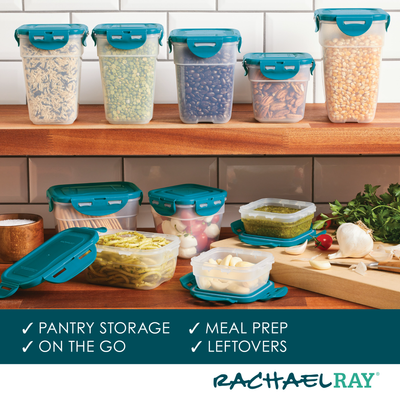
Are you tired of cluttered kitchen shelves and messy food storage? Setting up stackable food containers can change the way you organize your space—and make your life easier every day.
Imagine opening your pantry or fridge and instantly finding exactly what you need, without digging through piles of mismatched containers. You’ll discover simple steps to choose, arrange, and use stackable containers that save space and keep your food fresh longer.
Ready to transform your kitchen and enjoy stress-free meal prep? Keep reading to learn how!
Choosing The Right Containers
Choosing the right stackable food containers helps keep your kitchen neat. It also keeps food fresh and easy to find.
Think about the materials, sizes, and features before buying containers. These factors affect how useful they are.
Material Options
Food containers come in different materials. Each has its own benefits and care needs.
Choose a material that fits your kitchen and how you use containers.
- Plastic:Lightweight and often affordable. Look for BPA-free options.
- Glass:Durable and safe for microwaves and ovens.
- Stainless Steel:Long-lasting and stain-resistant but not microwave-safe.
- Silicone:Flexible and good for freezing or microwaving.
Sizes And Shapes
Pick sizes and shapes that match your food storage needs. This makes stacking easier and saves space.
Consider how much food you usually store and the space in your fridge or pantry.
- Small containers are good for snacks and leftovers.
- Medium sizes fit meals and salads.
- Large containers store big portions or bulk items.
- Rectangular and square shapes stack better than round ones.
Features To Look For
Look for features that make using containers easier and safer.
- Tight-sealing lids prevent spills and keep food fresh.
- Clear containers help you see contents without opening them.
- Microwave and dishwasher safe containers save time.
- Nesting design allows containers to fit inside each other when not in use.
- Labels or writable surfaces help keep food organized.

Credit: sameday.costco.ca
Preparing Containers For Stacking
Stackable food containers save space and keep your kitchen organized. Proper preparation helps containers fit well and stay clean.
Follow simple steps before stacking containers to ensure safety and ease of use.
Cleaning And Drying
Clean containers thoroughly before stacking. Remove food residue and stains to prevent odors and bacteria growth.
Dry containers completely to avoid moisture buildup. Wet containers can cause mold and stick together.
- Wash containers with warm, soapy water
- Rinse well to remove soap
- Air dry or use a clean towel
- Check lids and seals for cleanliness
Labeling Tips
Label containers before stacking to identify contents easily. This saves time and avoids opening multiple containers.
Use clear labels and write the date of storage. This helps track freshness and reduces food waste.
- Use waterproof labels or masking tape
- Write with permanent marker
- Place labels on the side or lid
- Include food name and storage date
Ensuring Lid Compatibility
Check that lids fit containers well before stacking. Poor fitting lids can cause spills and damage stacks.
Match lids to their containers by size and shape. Use containers with flat lids for better stacking stability.
- Test lids for secure closure
- Replace cracked or warped lids
- Keep lids and containers paired
- Choose containers designed for stacking
Stacking Techniques
Setting up stackable food containers can save space and keep your kitchen organized. Using the right techniques will ensure safety and efficiency.
Here are some methods to maximize space and balance weight while using modular sets. Follow these tips to make the most out of your stackable containers.
Maximizing Vertical Space
Stack containers by size, placing larger ones at the bottom. This creates a stable base. Use taller containers for items used less often.
- Store seldom-used items on top shelves.
- Use clear containers for easy identification.
- Label each container to save time.
Balancing Weight
Place heavier items at the bottom to prevent tipping. Distribute weight evenly among stacks to ensure stability.
Keep similar weight items together. This avoids putting extra pressure on the bottom containers.
Using Modular Sets
Modular sets allow for easy stacking and space management. They are designed to fit together perfectly, maximizing storage efficiency.
Invest in sets that offer versatile sizes. This helps in storing different types of food with ease.
| Size | Use |
| Small | Snacks |
| Medium | Leftovers |
| Large | Bulk items |
:max_bytes(150000):strip_icc()/rubbermaid-brilliance-pantry-10-piece-set-035c801dc5e24f7faf5a700dccafd8ba.jpg)
Credit: www.allrecipes.com
Organizing Your Pantry And Fridge
Stackable food containers help keep your pantry and fridge neat. They save space and make items easy to find.
Organizing with these containers reduces clutter and keeps food fresh longer. It also makes cleaning easier.
Grouping Similar Items
Put similar foods together in stackable containers. This keeps your pantry and fridge tidy and simple to use.
For example, store all baking ingredients in one container and snacks in another. This helps you find items fast.
- Dry goods like rice, pasta, and flour
- Snacks such as nuts, chips, and cookies
- Fruits and vegetables in separate containers
- Leftovers grouped by meal type
Accessibility Strategies
Place frequently used containers at eye level or front of shelves. This makes grabbing items quick and easy.
Label containers clearly. Use large, readable labels so anyone can find what they need without searching.
- Keep daily use items within arm’s reach
- Store less used items on higher or lower shelves
- Use transparent containers for easy viewing
- Arrange containers so labels face outward
Rotation For Freshness
Use the first-in, first-out rule to keep food fresh. Eat older items before newer ones.
Place new containers behind older ones. This helps prevent food waste and keeps your pantry organized.
- Check expiration dates regularly
- Move older containers to the front
- Mark dates on containers with washable markers
- Use clear containers to spot food easily
Maintenance And Safety Tips
Stackable food containers help keep your kitchen neat. Proper care keeps them safe and long-lasting.
Follow simple steps to clean, protect, and store your containers safely. This guide shows how.
Regular Cleaning Routine
Wash containers after each use to avoid stains and smells. Use warm, soapy water and a soft sponge.
Dry containers fully before stacking to stop mold and mildew growth. Air drying works best.
- Use mild dish soap
- Avoid abrasive scrubbers
- Check lids for trapped food
- Dry containers upside down
Avoiding Container Damage
Handle containers with care to keep them in good shape. Avoid dropping or forcing lids.
Do not use containers in the microwave or dishwasher if not labeled safe. Heat can cause cracks.
- Stack containers gently
- Do not overfill containers
- Use only recommended cleaning tools
- Store lids separately if needed
Safe Food Storage Practices
Store foods in containers that fit well to keep them fresh. Use airtight lids to prevent spills.
Label containers with dates to track food freshness. Avoid storing hot foods directly in plastic.
- Cool food before sealing containers
- Keep raw and cooked foods separate
- Use containers for their intended food types
- Replace containers that are damaged

Credit: www.hshome.pk
Creative Space-saving Hacks
Stackable food containers help keep your kitchen tidy and organized. They save space and make it easy to find what you need.
Using smart tricks with these containers can give you even more room in your cabinets and fridge. Try these simple ideas to get started.
Using Dividers And Inserts
Dividers and inserts help separate food inside your containers. They keep meals fresh and prevent mixing flavors.
You can buy special inserts or use simple items like cupcake liners or small silicone cups to divide food parts.
- Use silicone inserts to separate snacks
- Place cupcake liners inside containers for easy cleaning
- Try small containers as dividers inside larger ones
Repurposing Containers
Old containers can be reused for storing different foods or organizing kitchen tools. This saves money and reduces waste.
Label each container with its new use to avoid confusion. Repurposing helps you find new ways to save space.
- Use small containers for spices or herbs
- Turn wide containers into utensil holders
- Store baking ingredients in airtight repurposed containers
Combining With Other Storage Solutions
Stackable containers work well with shelves, racks, and drawer organizers. Combining these helps use every inch of space.
Place containers on tiered shelves or inside pull-out drawers for easy access and better visibility.
- Use wire racks to stack containers vertically
- Add drawer dividers to separate container sets
- Store containers inside cabinets with shelf risers
Frequently Asked Questions
What Are The Benefits Of Stackable Food Containers?
Stackable food containers save space and keep your kitchen organized. They make meal prep easier and reduce clutter. Their airtight seals preserve food freshness longer. These containers are also easy to clean and store efficiently.
How Do I Choose The Right Size Containers?
Select containers based on your portion needs and storage space. Use small containers for snacks and larger ones for leftovers. Consider stackable sets with varied sizes for versatility. Ensure they fit well in your fridge or pantry shelves.
Can Stackable Containers Be Used In Microwaves?
Yes, most stackable containers are microwave-safe. Check the manufacturer’s label to confirm microwave compatibility. Remove lids before heating to prevent pressure buildup. This feature adds convenience for reheating meals quickly and safely.
How Do I Clean Stackable Food Containers Properly?
Wash containers with warm soapy water or use a dishwasher. Remove lids and clean seals thoroughly to avoid mold. Dry completely before stacking to prevent moisture buildup. Proper cleaning maintains hygiene and extends container lifespan.
Conclusion
Stackable food containers save space and keep your kitchen neat. Choose containers that fit well together for easy stacking. Clean and dry containers before stacking to avoid mess. Label each container to find food quickly. Use containers that seal tightly to keep food fresh.
Organizing with stackable containers makes meal prep faster. Start today and enjoy a clutter-free kitchen tomorrow. Simple steps lead to a more organized cooking space.