
Are you tired of digging through cluttered cabinets every time you want to cook? Setting up a food storage system can change that.
Imagine opening your pantry and instantly finding exactly what you need, saving you time and reducing food waste. In this guide, you’ll discover simple, practical steps to organize your food like a pro. By the end, you’ll have a clear, easy-to-maintain system that makes your kitchen run smoothly.
Ready to transform your space and make meal prep easier? Let’s dive in!
Choosing Storage Containers
Setting up a food storage system is important. Choosing the right containers is the first step. Proper containers keep food fresh and safe.
Different types of containers offer various benefits. Consider material, size, and shape when selecting them.
Types Of Containers
There are many container types for storing food. Each has unique features.
- Plastic containers are lightweight and come in many sizes.
- Glass containers are sturdy and do not stain.
- Metal containers are durable and keep out light.
Material Considerations
The material of a container affects food safety and freshness. Consider these points.
- Plastic can be microwave safe but may absorb odors.
- Glass is dishwasher safe and retains no odors.
- Metal resists damage but is not microwave safe.
Size And Shape Options
Size and shape impact how much food you can store. They also affect space usage.
Choose containers that fit your storage area well. Use a mix of sizes for different food types.
- Square containers save space in cupboards.
- Round containers are easy to stack.
- Small containers are good for snacks and leftovers.
Selecting The Right Location
Choosing the right place for your food storage system is important. The location affects how long your food stays fresh.
A good spot keeps food safe and easy to access. Think about temperature, humidity, and space before you decide.
Temperature Control
Keep your food storage area cool and stable. Avoid places that get very hot or cold quickly.
Ideal temperatures help prevent food spoilage and pest growth. A steady temperature between 50°F and 70°F works well.
- Do not store food near heaters or windows
- Avoid garages or attics with temperature swings
- Use a thermometer to check the area regularly
Humidity Levels
Humidity affects food quality and shelf life. Too much moisture can cause mold and spoilage.
Keep humidity around 50% for most dry foods. Use a dehumidifier or moisture absorbers if needed.
- High humidity can make packaging soggy
- Low humidity can dry out some food items
- Check humidity with a hygrometer
Accessibility And Space
Choose a location that is easy to reach. This helps you use and rotate food efficiently.
Make sure there is enough space for all your supplies. Organize shelves or containers to keep everything neat.
- Pick a spot near your kitchen or pantry
- Leave room to add more food later
- Use clear containers and labels for quick access
Organizing Your Food Items
Organizing your food items helps keep your storage neat and easy to use. It saves time and reduces waste.
With a clear system, you can find what you need quickly and plan your meals better.
Categorizing Food Types
Sort your food by type to make storage simple. Group similar items together for quick access.
Common categories include canned goods, grains, snacks, and frozen foods.
- Canned foods like vegetables and soups
- Dry goods such as rice and pasta
- Baking supplies including flour and sugar
- Snacks like nuts and crackers
- Frozen items like meat and vegetables
Labeling Techniques
Labeling helps you identify food quickly and track expiration dates. Use clear and simple labels.
Write the food name and date it was stored. Use waterproof markers or printed labels for durability.
- Use large, easy-to-read fonts
- Include the purchase or opening date
- Mark expiration or best-by dates
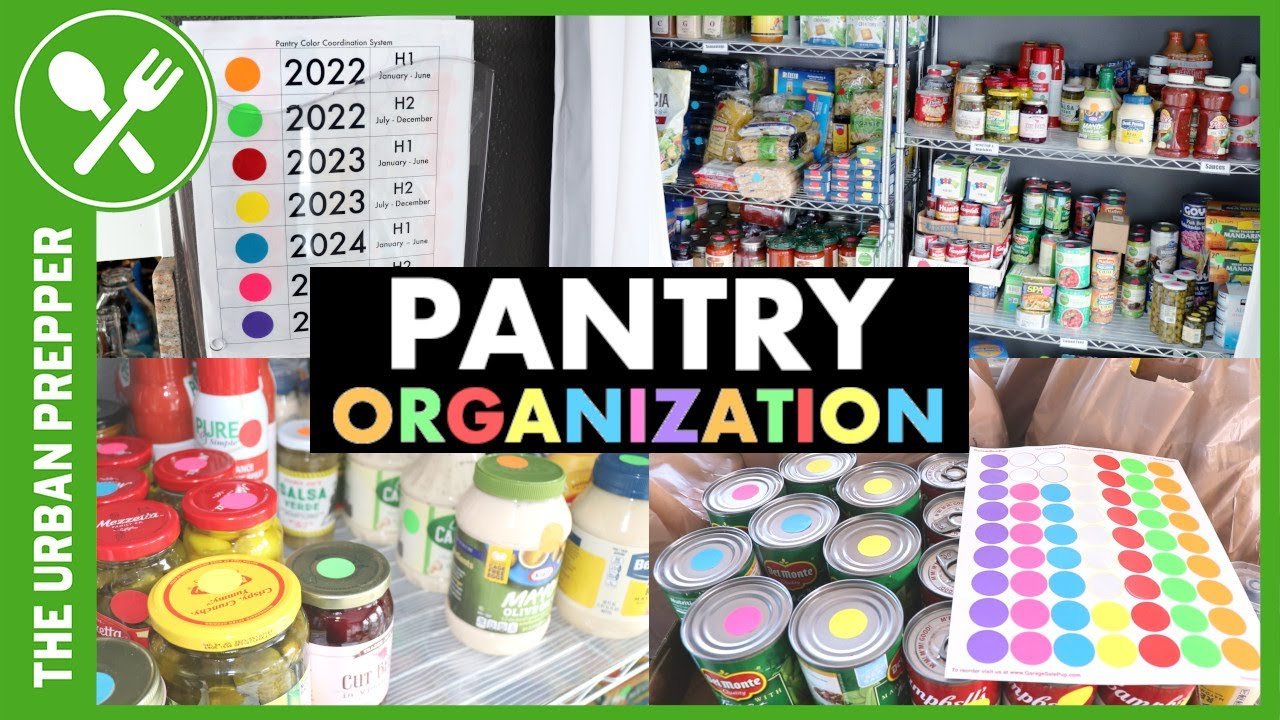
- Use color codes for food groups
Rotation Methods
Use rotation to keep your food fresh. Always use older items before newer ones.
This system reduces waste and ensures you eat food before it spoils.
- Place new items behind older ones
- Check expiration dates regularly
- Use a first-in, first-out system
- Keep frequently used items accessible
Preserving Food Freshness
Keeping your food fresh is important for saving money and avoiding waste. A good food storage system helps keep food tasty and safe to eat longer.
Simple techniques can slow down spoilage and keep flavors and nutrients intact. Let’s look at some ways to preserve food freshness.
Sealing And Vacuuming
Sealing food in airtight bags or containers stops air and moisture from getting in. This slows spoilage caused by bacteria and mold.
Vacuum sealing removes air from the package. This method is great for storing meat, fruits, and dry goods.
- Use vacuum sealers with special bags for best results
- Remove as much air as possible before sealing
- Label and date packages for easy tracking
Using Oxygen Absorbers
Oxygen absorbers are small packets that remove oxygen inside sealed containers. This helps stop mold and bacteria growth.
They work well in jars, cans, or vacuum-sealed bags. Use the right size absorber for the container volume.
- Place oxygen absorbers inside dry food containers
- Make sure containers are airtight after adding absorbers
- Do not open containers often to keep oxygen levels low
Freezing And Drying Tips
Freezing slows down bacteria growth by turning moisture into ice. Drying removes moisture, which bacteria need to grow.
Both methods extend shelf life and keep food fresh. Use proper packaging to avoid freezer burn or moisture absorption.
- Freeze food in small portions for quick thawing
- Use airtight containers or freezer bags for freezing
- Dry fruits and vegetables completely before storing
- Store dried foods in cool, dark places in sealed containers
Tracking Inventory
Keeping track of your food storage helps reduce waste. It also saves money by using food before it expires.
Organizing your inventory makes it easier to find items. It keeps your storage system neat and efficient.
Inventory Management Tools
Using tools can help you track what food you have. You can use notebooks, spreadsheets, or apps designed for inventory.
Choose a tool that is easy to update and check regularly. This helps you keep accurate records without much effort.
- Paper inventory lists
- Spreadsheet programs like Excel or Google Sheets
- Mobile apps for food inventory management
Expiration Date Monitoring
Track expiration dates to use food before it goes bad. Label items with their expiration dates to see them clearly.
Regularly check your food storage and remove expired items. This keeps your stock fresh and safe to eat.
- Write expiration dates on containers
- Place soon-to-expire items at the front
- Check dates weekly to plan meals
Restocking Strategies
Plan when to buy more food to avoid running out. Keep a list of items that need restocking based on your inventory checks.
Buy only what you need to keep storage organized. This helps prevent clutter and reduces food waste.
- Set minimum levels for key items
- Check inventory before shopping
- Buy in small amounts to keep food fresh

Credit: hipfoodiemom.com
Safety And Hygiene Practices
Setting up a food storage system needs safety and hygiene. Clean spaces help keep food fresh and safe. Good habits stop germs and pests.
Follow rules to protect your food and health. This guide covers cleaning, avoiding contamination, and pest control.
Cleaning Storage Areas
Clean storage areas often to remove dirt and spills. Dirt can hold bacteria that spoil food. Use warm water and soap for cleaning.
Wipe shelves and containers after cleaning. Dry them well to stop mold growth. Clean floors and corners where dust gathers.
- Empty shelves before cleaning
- Use safe cleaning products
- Dry all surfaces completely
- Clean spills immediately
Preventing Contamination
Keep raw and cooked foods separate to avoid contamination. Use sealed containers to protect food from germs. Label containers with dates.
Wash hands before handling food or storage items. Avoid touching food with dirty hands or tools. Check food regularly for signs of spoilage.
- Store raw meat below cooked foods
- Use airtight containers
- Label food with storage dates
- Wash hands before handling food
Pest Control Measures
Keep pests away by sealing cracks and holes in storage areas. Store food in pest-proof containers. Clean up crumbs and spills quickly.
Use traps or natural repellents if pests appear. Check storage spaces often for signs of insects or rodents. Remove any pest sources immediately.
- Seal gaps and holes in walls
- Use airtight, pest-proof containers
- Clean spills and crumbs quickly
- Inspect storage for pests regularly
- Use traps or repellents as needed
Budgeting Your Food Storage
Setting up a food storage system needs careful budgeting. You must plan how much money to spend on supplies.
Good budgeting helps you buy what you need without overspending. It also keeps your food fresh longer.
Cost-effective Buying
Look for affordable food items that last long. Choose products that give the best value for money.
Compare prices from different stores to find the best deals. Buy store brands to save more money.
Bulk Purchasing Benefits
Buying food in bulk reduces the cost per unit. It saves money and trips to the store.
Bulk items like rice, beans, and canned goods store well for a long time. Use airtight containers to keep them fresh.
- Lower price per unit
- Fewer shopping trips
- Better storage for staples
Avoiding Waste
Plan your food storage so you use items before they expire. Rotate older food to the front.
Buy only what you can store properly. Keep an inventory list to track what you have and need.
- Use first-in, first-out (FIFO) method
- Check expiration dates regularly
- Store food in cool, dry places

Credit: www.apurepalate.com
;)
Credit: www.cookist.com
Frequently Asked Questions
What Are The Best Containers For Food Storage?
Choose airtight, BPA-free containers for food storage. Glass jars and plastic bins with tight lids preserve freshness and prevent pests. Label containers with dates to track food lifespan and avoid waste.
How Do I Organize A Food Storage Pantry?
Group similar items together, such as grains, canned goods, and spices. Use clear containers and labels for easy identification. Place frequently used items at eye level for convenience.
How Long Can Food Be Safely Stored?
Storage time varies by food type. Dry goods last up to a year, canned items 1–5 years, and frozen foods 3–12 months. Always check expiration dates and inspect food before use.
What Temperature Is Ideal For Food Storage?
Keep food storage areas cool, dry, and dark. Ideal temperature ranges from 50°F to 70°F (10°C to 21°C). Avoid humidity and direct sunlight to extend food shelf life.
Conclusion
Setting up a food storage system saves time and reduces waste. It helps keep your kitchen neat and organized. Store food in clear containers to see what you have easily. Label items with dates to avoid spoilage. Rotate older food to the front for quick use.
A good system makes meal planning simple and stress-free. Start small and adjust as you learn what works best. With patience, your food storage will improve every day. You’ll enjoy fresher meals and less clutter in your home.