
Looking for the perfect deep fryer can feel overwhelming with so many options out there. You want something that fits your kitchen, cooks food evenly, and is easy to clean.
Choosing the right deep fryer doesn’t have to be confusing. You’ll discover simple tips to find the best deep fryer for your needs. By the end, you’ll feel confident making a choice that turns your favorite recipes into crispy, delicious meals every time.
Keep reading to unlock the secrets to deep frying success!
Credit: therestaurantwarehouse.com
Types Of Deep Fryers
Deep fryers come in various styles. Each type suits different needs. Picking the right one is crucial.
Let’s explore the types of deep fryers. Understand their features to choose the best for you.
Countertop Models
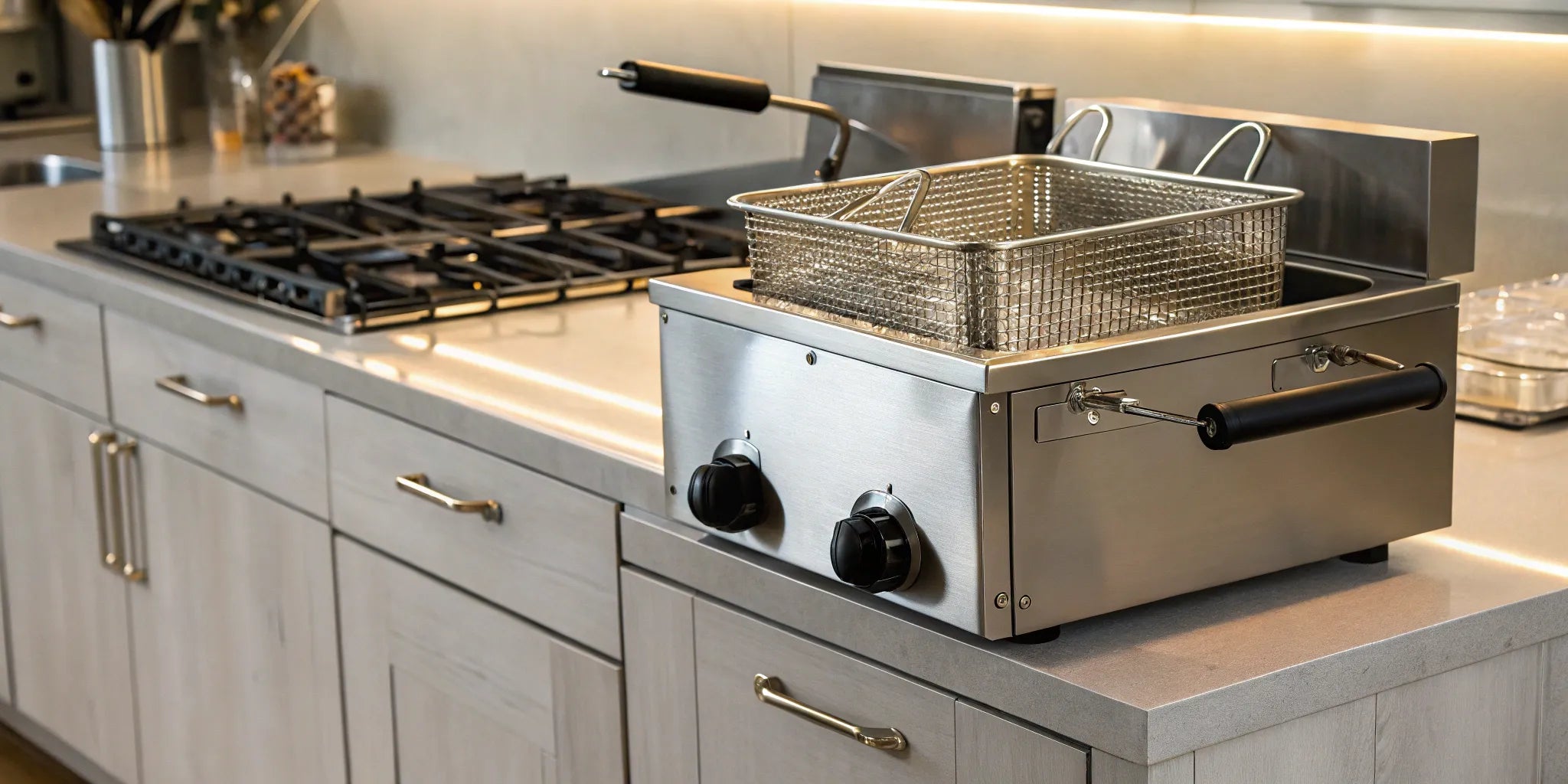
Countertop models are compact. They fit small kitchens and are easy to store. Ideal for home use.
These fryers are portable. They often have adjustable temperature controls. Cleaning them is simple.
- Space-saving design
- Easy to clean
- Adjustable temperature
Built-in Fryers
Built-in fryers are part of kitchen setups. They are fixed and require installation. Suitable for frequent use.
These fryers provide a seamless look. They offer more power than countertop models. Great for large meals.
- Seamless integration
- Higher power
- Requires installation
Air Fryers
Air fryers use hot air to cook food. They are healthier options. Less oil is needed compared to traditional fryers.
These fryers are versatile. They can bake, roast, and grill. Perfect for health-conscious users.
- Healthier cooking
- Versatile functions
- Less oil required
Commercial Fryers
Commercial fryers serve large volumes. They are used in restaurants and fast-food outlets. Built for heavy-duty use.
These fryers have larger oil capacities. They offer quick cooking times. Essential for busy kitchens.
- Large oil capacity
- Fast cooking
- Durable construction
Key Features To Consider
Choosing the right deep fryer helps you cook tasty fried food easily. Look at key features before buying.
Good features make frying safe, fast, and simple. This guide explains what to check in a deep fryer.
Capacity And Size
Capacity shows how much food you can fry at once. Size affects where you can store the fryer.
Choose a size that fits your kitchen and cooking needs. Large families need bigger fryers.
- Small fryers suit single servings or small kitchens
- Medium fryers work well for 2-4 people
- Large fryers are best for big families or parties
Temperature Control
Temperature control lets you set the right heat for different foods. It prevents undercooking or burning.
Look for adjustable thermostats or digital controls. These help keep oil at steady temperatures.
- Manual dials offer simple temperature settings
- Digital controls provide exact temperature adjustments
- Automatic shutoff protects oil from overheating
Safety Features
Safety features reduce the risk of burns and fires. They protect you and your kitchen.
Check for cool-touch handles and lids. These keep heat away from your hands.
- Overheat protection turns off fryer if too hot
- Lids help prevent oil splashes
- Non-slip feet keep fryer steady on counters
Ease Of Cleaning
Cleaning is easier with removable parts and non-stick surfaces. This saves time and effort.
Look for fryers with dishwasher-safe baskets and oil containers. This helps keep things tidy.
- Removable baskets make food handling simple
- Non-stick coatings reduce oil buildup
- Drain valves help empty oil without mess
Material And Build Quality
Strong materials last longer and handle heat well. Quality build prevents leaks and damage.
Stainless steel is durable and easy to clean. Plastic parts should be heat-resistant and sturdy.
- Stainless steel body resists rust and stains
- Heat-resistant plastic handles stay cool
- Well-sealed parts prevent oil leaks
Oil Choices And Maintenance
Choosing the right oil and keeping it clean are key for deep frying. Good oil helps food taste better and lasts longer. Proper care of oil keeps your fryer safe and working well.
In this guide, learn which oils to use and how to maintain them. This will help you get the best results from your deep fryer.
Best Oils For Frying
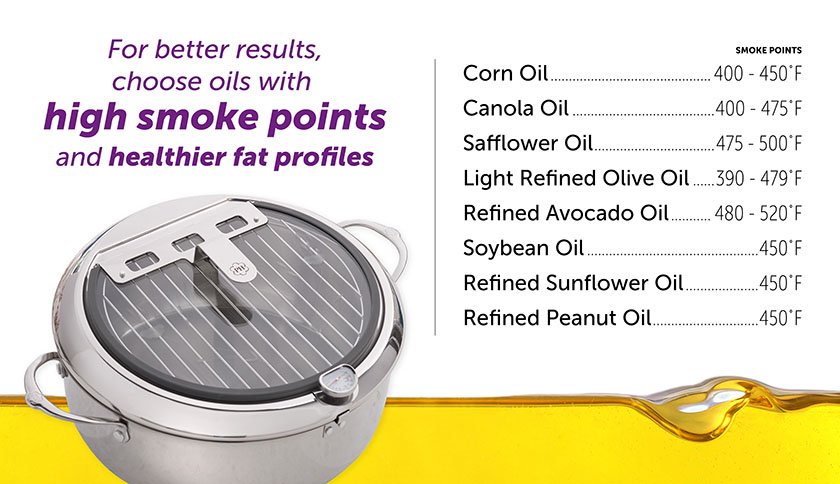
Pick oils with high smoke points for deep frying. These oils handle heat without burning. They keep food crispy and tasty.
- Peanut oil: Has a high smoke point and neutral flavor.
- Canola oil: Affordable and good for frying.
- Sunflower oil: Light taste and high heat tolerance.
- Vegetable oil: Common and versatile for many foods.
- Avocado oil: Healthy and great for high heat.
Oil Filtering And Reuse
Filtering oil removes food bits and crumbs. This keeps oil clean for reuse. Clean oil fries food evenly and tastes better.
Use a fine mesh strainer or special filter for deep fryer oil. Filter oil after it cools but before storing it.
- Strain oil after each use.
- Store filtered oil in a clean container.
- Check oil for smell or color changes before reuse.
Changing And Storing Oil
Change oil when it smells bad or looks dark. Old oil can affect food taste and safety. Fresh oil gives the best frying results.
Store oil in a cool, dark place. Use a sealed container to keep oil fresh. Avoid sunlight and heat to stop oil from spoiling.
- Replace oil after 8 to 10 uses or sooner if needed.
- Keep oil in airtight bottles or jars.
- Label stored oil with the date for tracking.

Credit: bioexcelusa.com
Energy Efficiency And Power
Choosing the right deep fryer means thinking about power and energy use. These factors save you money and cook food faster.
A good deep fryer uses the right amount of energy to heat quickly without wasting power.
Wattage And Heating Speed
Wattage shows how much power a deep fryer uses. Higher wattage means faster heating.
Fast heating saves time and reduces energy use. Look for fryers with at least 1500 watts for good speed.
- Low wattage fryers heat slowly and use energy longer
- High wattage fryers heat oil quickly and save energy
- Match wattage to your cooking needs to avoid waste
Energy Consumption Tips
Use your deep fryer efficiently to lower energy bills. Small habits make a big difference.
Keep oil at the right level and temperature. Avoid overheating or using too much oil.
- Preheat only when needed to save power
- Cook full batches to use energy well
- Clean fryer regularly to keep it efficient
- Turn off the fryer immediately after use
Budget And Brand Selection
Choosing the best deep fryer depends on your budget and brand choice. Picking the right model helps you cook better and save money.
Knowing the difference between affordable and premium models can guide your decision. Also, reliable brands offer better quality and service.
Affordable Vs Premium Models
Affordable deep fryers work well for small kitchens and occasional use. They cost less but may have fewer features.
Premium models have more features and larger capacity. They last longer and offer better temperature control.
- Affordable models are good for beginners
- Premium models suit frequent frying
- Premium models usually have stronger materials
- Affordable models are easier to store
Reliable Brands To Consider
Choosing a trusted brand ensures you get a safe and durable deep fryer. Brands with good reviews often offer better customer support.
Look for brands that focus on kitchen appliances. They usually provide better warranties and parts availability.
- Check brands known for kitchen tools
- Look for warranty length and terms
- Read customer reviews on reliability
- Consider brands with easy-to-find parts
Credit: www.princesshouse.com
Tips For Perfect Frying Results
Using a deep fryer can make cooking fast and tasty. To get the best results, it is important to use the right techniques. This guide will help you fry food that is crispy and well-cooked every time.
Following simple tips can improve your frying skills. This includes how to preheat the fryer, prepare food properly, and avoid common mistakes.
Preheating Techniques
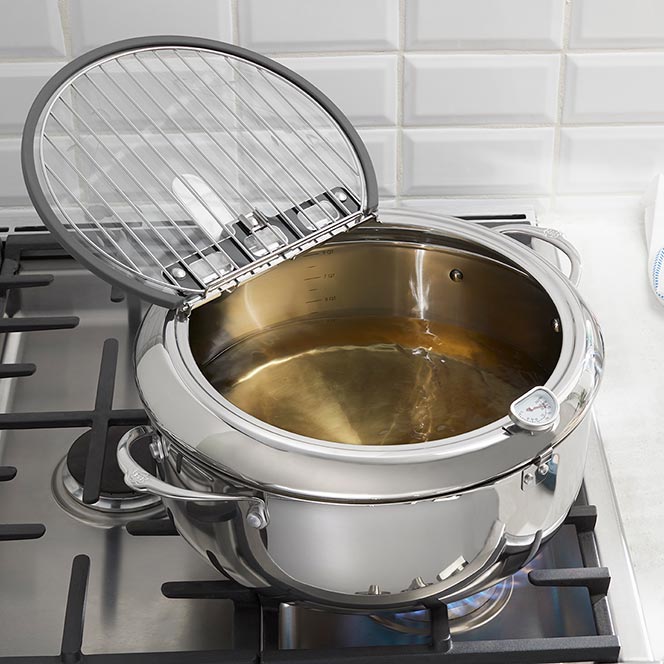
Preheating your deep fryer is key to cooking food evenly. The oil should reach the right temperature before you add any food. This helps food cook quickly and stay crispy.
Check the fryer’s manual for the best temperature settings. Use a thermometer if your fryer does not have one. Wait until the oil is hot enough before frying.
- Turn on the fryer and set the correct temperature
- Wait 5 to 10 minutes for the oil to heat up
- Test the oil temperature with a thermometer or a small piece of food
- Only start frying when the oil is hot enough
Food Preparation And Batching
Preparing food correctly before frying improves taste and texture. Cut food into even pieces to cook them at the same time. Dry food well to avoid oil splashes.
Cook in small batches to keep the oil temperature steady. Overcrowding lowers the temperature and makes food greasy. Give each batch enough space to fry properly.
- Cut food into equal sizes
- Pat food dry with paper towels
- Fry small batches at a time
- Let oil return to temperature before next batch
Avoiding Common Frying Mistakes
Many mistakes can affect frying results. Avoid using too much or too little oil. Keep the oil clean by removing leftover crumbs after each batch.
Do not reuse oil many times as it breaks down and changes flavor. Watch the cooking time to avoid burning food. Use a timer if needed.
- Use the right amount of oil
- Keep oil clean by straining it
- Replace oil after several uses
- Set a timer to avoid overcooking
Frequently Asked Questions
What Features Should I Consider In A Deep Fryer?
Look for adjustable temperature controls, oil capacity, and safety features. A removable basket and easy-to-clean parts also matter. Choose a model that fits your cooking needs and kitchen space.
How Much Oil Capacity Is Ideal In A Deep Fryer?
For home use, 2 to 4 liters of oil capacity is sufficient. It allows frying for families without wasting oil. Larger capacities suit commercial or frequent frying needs.
Are Electric Or Gas Deep Fryers Better?
Electric fryers are safer and easier to control for home use. Gas fryers heat faster and are preferred in commercial kitchens. Choose based on your cooking style and available resources.
How Do I Maintain And Clean My Deep Fryer?
Regularly filter and change the oil to maintain quality. Clean baskets and the interior after each use. Follow manufacturer instructions for deep cleaning and avoid water on electrical parts.
Conclusion
Choosing the right deep fryer makes cooking easier and more fun. Think about size, safety, and cleaning before buying. Pick a model that fits your kitchen and cooking habits. Good temperature control helps cook food evenly and taste better. Don’t forget to check energy use to save money.
A smart choice means tasty meals and less hassle. Keep these tips in mind for the best deep fryer experience. Enjoy cooking crispy, delicious food at home every day.