
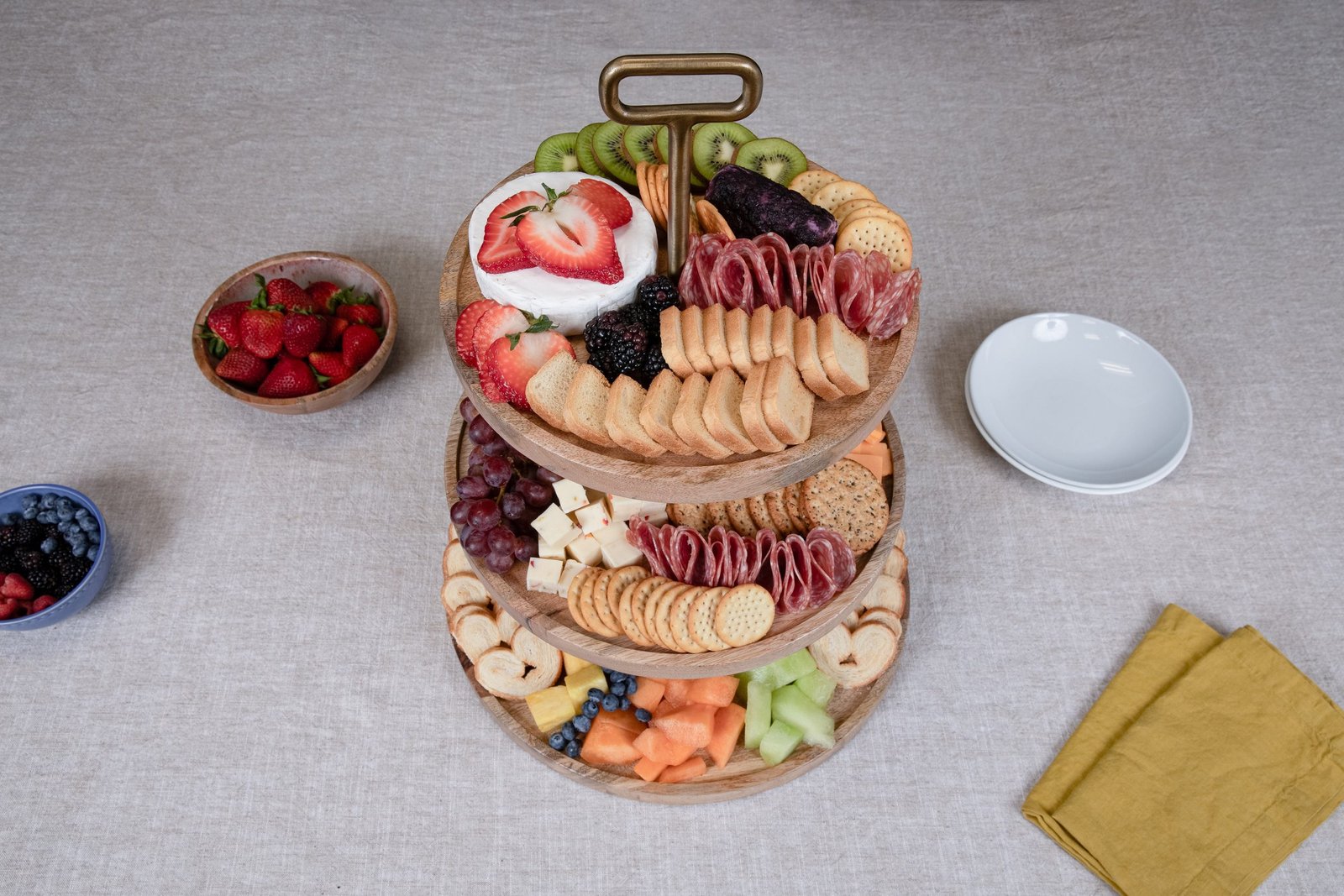
Choosing the right serving tray might seem simple, but when you pick a sustainable one, it makes a big difference. You want something that looks good, lasts long, and helps protect the planet.
But how do you know which trays truly fit that bill? You’ll discover clear, easy tips to select serving trays that match your style and values. Keep reading, and you’ll feel confident that your choice supports a healthier Earth without compromising on quality or design.

Credit: www.picnictime.com
Benefits Of Sustainable Serving Trays
Sustainable serving trays are a great choice for your home. They help the planet and offer a range of benefits.
These trays are made from eco-friendly materials. They are safe and stylish too.
Environmental Impact
Sustainable serving trays reduce waste and pollution. They use renewable resources.
Choosing them helps protect forests and oceans. This is good for wildlife and nature.
- Made from recycled materials
- Biodegradable options available
- Lower carbon footprint
Health And Safety
Sustainable trays are often free from harmful chemicals. They are safe for food contact.
Using these trays protects your family’s health. They are durable and reliable.
- No toxic finishes
- Safe for hot and cold food
- Easy to clean
Aesthetic Appeal
Sustainable trays come in many designs. They add beauty to any table setting.
These trays can match any decor. They look elegant and modern.
| Wooden Trays | Natural and rustic look |
| Bamboo Trays | Lightweight and sleek |
| Recycled Metal Trays | Industrial and chic |
Materials To Choose
Selecting the right material for serving trays helps reduce environmental impact. Choose materials that are eco-friendly and durable.
Look for materials that come from renewable resources or that break down naturally. This way, you support sustainability.
Bamboo And Wood
Bamboo grows quickly and is a strong material. Wood is natural and biodegradable. Both are popular for eco-friendly trays.
Choose trays made from bamboo or wood that are sourced responsibly. This means they come from well-managed forests or farms.
Recycled Metals
Recycled metal trays use less energy than new metal. They keep waste out of landfills. Metals like aluminum and steel are common.
Look for trays made from high recycled content. This helps conserve natural resources and lowers pollution from mining.
Biodegradable Plastics
Biodegradable plastics break down faster than regular plastics. They come from plant-based materials like corn or sugarcane.
Choose trays labeled as compostable or biodegradable. These trays reduce plastic pollution but still offer strength for serving.
Natural Fibers
Natural fibers like jute, seagrass, or rattan make lightweight and sturdy trays. They come from plants that grow fast and need little water.
Trays made from natural fibers are often handmade. This supports small farmers and reduces the use of synthetic materials.
Certifications To Look For
Choosing sustainable serving trays means checking for trusted certifications. These labels show if materials are eco-friendly and ethically made.
Certifications help you pick trays made with care for the planet and workers. Below are key certifications to watch for.
Fsc And Pefc Labels
The Forest Stewardship Council (FSC) and the Programme for the Endorsement of Forest Certification (PEFC) ensure wood comes from well-managed forests.
Trays with these labels mean the wood is harvested sustainably and supports forest health.
- FSC label guarantees responsible forest management
- PEFC focuses on sustainable forest practices worldwide
- Both labels protect biodiversity and local communities
Organic And Non-toxic Standards
Look for trays made from organic materials to avoid harmful chemicals. Non-toxic standards ensure safe use around food.
These standards protect your health and reduce pollution during production.
- Organic means grown without synthetic pesticides or fertilizers
- Non-toxic means free from harmful dyes and finishes
- Safe for food contact and easy to clean
Fair Trade Certifications
Fair Trade labels show that workers received fair pay and good working conditions. This supports ethical labor practices.
Choosing Fair Trade certified trays helps improve lives of the people who made them.
- Guarantees fair wages and safe workplaces
- Supports community development projects
- Promotes transparency in the supply chain

Credit: www.amazon.com
Durability And Maintenance
Choosing sustainable serving trays means thinking about how long they last. Durable trays save resources and reduce waste.
Proper care helps keep trays looking good and working well for years. This guide covers cleaning, longevity, and repair tips.
Cleaning Tips
Clean your serving trays gently to avoid damage. Use mild soap and warm water. Avoid harsh chemicals that can wear the surface.
Dry trays completely after washing to stop mold or stains from forming. Soft cloths work best for drying.
- Use mild detergent
- Wash with warm water
- Avoid bleach and strong cleaners
- Dry fully with a soft cloth
Longevity Factors
Look for trays made from strong, eco-friendly materials like bamboo or recycled wood. These last longer and have less impact on nature.
Store trays in a dry place away from direct sunlight. Heat and moisture can cause warping or cracking over time.
- Choose sturdy, natural materials
- Keep trays dry and shaded
- Handle trays with care to avoid drops
- Inspect trays regularly for damage
Repair And Reuse
Fix small cracks or scratches to extend tray life. Use non-toxic glue or natural oils for repairs. This keeps trays usable and reduces waste.
Find new uses for old trays, like organizing items or as plant holders. Reusing trays helps lower the need for new products.
- Repair cracks with safe adhesives
- Use natural oils to refresh wood
- Repurpose trays creatively
- Donate trays if no longer needed
Design And Functionality
Choosing a sustainable serving tray means thinking about both design and function. The tray should look good and serve its purpose well.
Good design and practical use help make the tray a useful and eco-friendly item in your home.
Size And Shape Options
Select a tray size that fits your serving needs. Small trays work for snacks, while larger trays hold many items.
Shapes also matter. Rectangular or round trays suit different spaces and styles.
- Small trays for personal use or small gatherings
- Large trays for parties or multiple dishes
- Rectangular trays fit well on tables
- Round trays offer a smooth, classic look
Multi-purpose Use
Look for trays that can serve many functions. This reduces waste and adds value.
Trays that work as serving plates, decor pieces, or storage help you use them often.
- Use as a serving tray for food and drinks
- Display items like candles or plants
- Organize small household items
- Double as a decorative piece on tables
Portability Features
Easy-to-carry trays make serving simple. Look for handles or lightweight materials.
Portability helps when you move trays between kitchen, dining, and outdoor spaces.
- Handles or grips for easy lifting
- Lightweight materials like bamboo or recycled wood
- Stackable designs for easy storage
- Non-slip surfaces to keep items safe

Credit: www.foodengineeringmag.com
Where To Buy Sustainable Trays
Finding sustainable serving trays is easier if you know where to look. Choosing the right place helps you support eco-friendly products.
Many sellers focus on sustainability and quality. Look for trays made from natural or recycled materials.
Local Artisans
Local artisans often create handmade trays with natural materials. Buying from them supports your community and reduces shipping emissions.
These trays usually last long and show unique craftsmanship. You can find them at craft fairs or local markets.
- Visit craft fairs or farmers markets
- Check local art shops or galleries
- Look for workshops or artisan collectives
Eco-friendly Brands
Many brands focus on eco-friendly products. They use materials like bamboo, reclaimed wood, or recycled plastics.
These brands often share details about their materials and production. This helps you make informed choices.
- Choose brands with clear sustainability policies
- Look for certifications like FSC or Fair Trade
- Check if packaging is recyclable or minimal
Online Marketplaces
Online marketplaces offer many sustainable tray options. You can compare prices, materials, and reviews easily.
Some platforms highlight eco-friendly sellers or have filters for green products. This saves time in your search.
- Use filters to find sustainable trays
- Read product descriptions carefully
- Check seller ratings and customer feedback
Diy Sustainable Serving Trays
Making your own serving trays is a fun way to help the planet. You can use recycled or natural materials to create trays that last long.
DIY trays save money and reduce waste. This guide will show you simple steps to make sustainable trays at home.
Materials Needed
Choose materials that are eco-friendly and safe. Look for items you already have or can find easily.
- Wooden boards or reclaimed wood pieces
- Non-toxic wood glue or natural adhesive
- Sandpaper for smoothing edges
- Beeswax or natural oil for finishing
- Handles made from rope, recycled metal, or wood
- Paint or markers with water-based, eco-friendly ink
- Protective gloves and cloth for cleaning
Step-by-step Guide
Follow these steps to build your sustainable serving tray. Take your time for the best results.
- Cut the wood to the size you want for your tray.
- Sand all edges and surfaces until smooth.
- Attach handles securely using glue or screws.
- Apply a coat of beeswax or natural oil to protect the wood.
- Let the tray dry completely before use.
Creative Customization Ideas
Make your tray unique with simple decorations. Use natural items or safe colors to keep it eco-friendly.
- Paint simple patterns using water-based paints.
- Glue small pebbles or shells for texture.
- Wrap handles with recycled fabric or jute twine.
- Use wood burning tools to add designs.
- Stamp leaves or flowers with natural ink for patterns.
Frequently Asked Questions
What Materials Are Best For Sustainable Serving Trays?
Sustainable trays are made from bamboo, reclaimed wood, or recycled metal. These materials reduce environmental impact and are durable. Avoid plastic trays, as they harm ecosystems and aren’t biodegradable.
How To Identify Eco-friendly Serving Trays?
Look for trays labeled FSC-certified, biodegradable, or made from recycled materials. These certifications ensure responsible sourcing and minimal environmental damage. Choose products with transparent manufacturing processes.
Why Choose Sustainable Serving Trays Over Conventional Ones?
Sustainable trays lower carbon footprint and reduce waste. They support ethical practices and often last longer. Choosing them helps conserve natural resources and promotes eco-conscious living.
Can Sustainable Serving Trays Be Stylish And Functional?
Yes, many sustainable trays combine aesthetics with durability. Designers use natural textures and colors to create attractive, practical trays. They fit well in modern and rustic settings alike.
Conclusion
Choosing sustainable serving trays helps protect our planet. Pick trays made from natural, renewable materials. Check for durability to avoid frequent replacements. Consider trays that can be recycled or reused. Small choices make a big difference over time. Sustainable trays also add a touch of style.
Enjoy serving food with a clear conscience. Every eco-friendly step counts toward a greener future. Keep these tips in mind for smart, green choices. Your efforts support a healthier environment for all.