
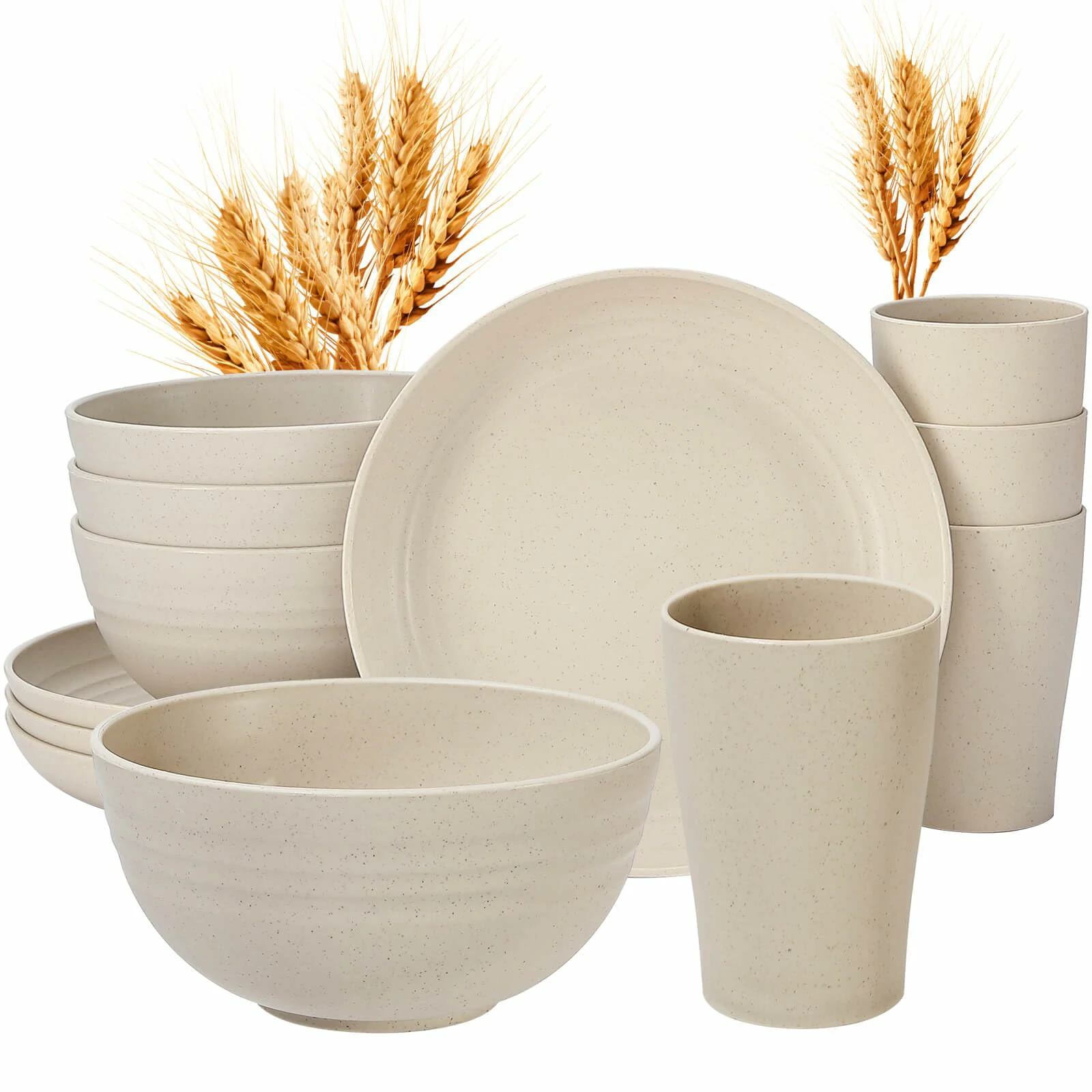
Choosing the right plates and cups can make a big difference for your health and the planet. But with so many options out there, how do you know which ones are truly sustainable?
If you want to enjoy your meals without guilt or waste, this guide will help you pick the best eco-friendly tableware. Keep reading to discover simple tips that will save you money, reduce waste, and make every meal feel good inside and out.
Your choices matter more than you think—let’s find out how to make them count.

Credit: www.healthierhomes.com
Benefits Of Sustainable Tableware
Sustainable plates and cups help protect the planet. They reduce waste and save resources.
Choosing eco-friendly tableware supports a healthier lifestyle and saves money over time.
Environmental Impact Reduction
Sustainable tableware uses materials that break down naturally. This lowers landfill waste and pollution.
- Made from renewable resources like bamboo or sugarcane
- Biodegradable or compostable after use
- Requires less energy to produce compared to plastic
- Reduces plastic pollution in oceans and land
Health And Safety Advantages
Sustainable plates and cups avoid harmful chemicals found in some plastics. This lowers health risks.
| Material | Common Toxins | Health Concerns |
| Plastic | BPA, Phthalates | Hormone disruption, allergies |
| Bamboo | None | Safe for food contact |
| Paper (compostable) | None | Non-toxic and safe |
Cost-effectiveness Over Time
Sustainable tableware can save money in the long run. They are often reusable or cheaper to dispose of.
- Reusable plates and cups reduce repeat purchase costs
- Biodegradable items lower waste disposal fees
- Durable materials last longer, cutting replacement needs
- Buying in bulk often reduces price per unit
Materials To Choose
Choosing the right materials for plates and cups is key to being sustainable. Some materials break down faster and cause less waste.
Look for options that reduce harm to the environment and can be reused or recycled easily.
Biodegradable Options
Biodegradable plates and cups break down naturally over time. They return to the earth without leaving harmful waste.
Common materials include plant fibers, bamboo, and cornstarch. These are better than plastic because they decompose faster.
- Bagasse (sugarcane fiber)
- Bamboo
- Cornstarch-based plastics
- Wood pulp
Reusable Alternatives
Reusable plates and cups help reduce waste by being used many times. They are made from durable materials.
Look for items made from glass, metal, or strong plastics. These last longer and can be cleaned easily.
- Glass cups and plates
- Stainless steel cups and plates
- Hard plastic dishes designed for reuse
- Silicone cups and plates
Compostable Vs. Recyclable
Compostable items break down into natural elements in compost settings. They help enrich soil.
Recyclable items can be processed and made into new products. Recycling saves raw materials but needs proper sorting.
| Feature | Compostable | Recyclable |
|---|---|---|
| Breakdown | Turns into soil nutrients | Reprocessed into new materials |
| Use | Often made from plant-based materials | Usually plastic, glass, or metal |
| Disposal | Needs industrial compost or home compost | Needs sorting and recycling facilities |
| Environmental Impact | Reduces landfill waste quickly | Conserves raw resources |
Certifications And Labels To Look For
Selecting sustainable plates and cups means checking for trusted certifications. These labels show a product meets certain eco and health standards.
Look for certifications that prove safety, fairness, and environmental care. This helps you choose products that protect the planet and people.
Eco-friendly Certifications
Eco-friendly certifications prove the product is made with less harm to the environment. They focus on materials, production methods, and waste reduction.
- FSC (Forest Stewardship Council): Shows paper or wood comes from well-managed forests.
- Green Seal: Certifies products meet strict environmental standards.
- Biodegradable Products Institute (BPI): Marks items that break down safely in compost.
- USDA Organic: Indicates organic materials free from harmful chemicals.
Food Safety Standards
Food safety certifications ensure plates and cups are safe to use with food and drinks. They check for harmful chemicals and safe manufacturing processes.
| Certification | What It Means |
| FDA Approved | Meets U.S. food safety rules |
| LFGB | German food safety certification |
| EU Food Contact | Safe for food contact in Europe |
| BPA Free | Contains no harmful plastic chemicals |
Fair Trade And Ethical Marks
Fair trade and ethical labels show workers get fair pay and safe work conditions. These marks support social justice and better livelihoods.
- Fair Trade Certified: Ensures fair wages and safe work for farmers and workers.
- SA8000: Focuses on social accountability and workers’ rights.
- Ethical Trading Initiative (ETI): Promotes fair labor practices in supply chains.
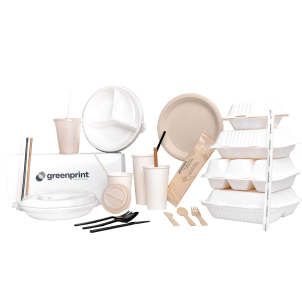
Credit: greenprintproducts.com
Where To Buy Sustainable Plates And Cups
Sustainable plates and cups help reduce waste and protect the environment. Finding good sources is important to use eco-friendly products regularly.
This guide shows where you can buy sustainable plates and cups. Options include online shops, local stores, and wholesale suppliers.
Online Retailers
Online retailers offer a wide range of sustainable plates and cups. Shopping online lets you compare many products easily.
- Look for biodegradable or compostable materials.
- Check product reviews before buying.
- Compare prices and shipping options.
- Choose sellers that use eco-friendly packaging.
Local Eco Stores
Local eco stores sell sustainable tableware made from natural or recycled materials. Visiting these stores supports your community and reduces shipping impact.
| Store Type | Products | Benefits |
| Zero Waste Shops | Reusable plates, bamboo cups | No plastic packaging |
| Farmers Markets | Compostable plates, cups | Locally made items |
| Specialty Eco Stores | Recycled glass, ceramic cups | Unique designs |
Wholesale Suppliers
Wholesale suppliers offer sustainable plates and cups in bulk. This option suits businesses or large events that need many eco-friendly products.
Here are tips for buying from wholesale suppliers:
- Request samples to check quality.
- Ask about minimum order sizes.
- Confirm product certifications.
- Compare prices from different suppliers.
- Check delivery times and costs.
Tips For Using And Maintaining Eco-friendly Tableware
Choosing sustainable plates and cups helps reduce waste. Proper care keeps them useful for a long time.
Follow simple tips to clean, store, and dispose of eco-friendly tableware. This keeps them safe for the planet.
Cleaning And Storage
Wash eco-friendly plates and cups gently with mild soap and warm water. Avoid strong chemicals that can damage them.
Store them in a dry place to stop mold and bad smells. Keep them stacked carefully to prevent cracks or breaks.
- Use soft sponges or cloths for cleaning
- Dry completely before storing
- Keep away from direct sunlight
- Separate fragile items with cloth or paper
Maximizing Lifespan
Handle plates and cups with care to avoid chips or cracks. Use them only for their intended purpose.
Rotate your tableware often. This helps prevent wear and tear on the same items.
- Do not use eco plates for hot frying or cooking
- Check for damages before each use
- Fix small chips quickly to avoid bigger breaks
- Store properly to avoid stacking pressure
Proper Disposal Methods
Recycle or compost sustainable tableware if possible. This stops waste from going to landfills.
Check the material type before disposal. Some eco-friendly plates break down better in compost than others.
- Biodegradable plates go in compost bins
- Reusable items should not be thrown away
- Recyclable cups go in recycling bins
- Follow local waste rules carefully
Common Myths About Sustainable Tableware
Sustainable plates and cups help protect the environment. Many people think they cost too much or don’t last long. Some believe they look plain and boring. These are common myths.
It is important to understand the truth about sustainable tableware. This can help you make better choices for your home and the planet.
Cost Misconceptions
Many believe sustainable tableware is very expensive. While some items cost more at first, they often save money in the long run. These products last longer and reduce waste. You do not need to buy new plates or cups often.
- Sustainable plates often use durable materials
- Reusable cups cut down the need for single-use items
- Buying once saves money over repeated purchases
- Less waste means fewer replacements and lower costs
Durability Concerns
Some worry sustainable plates and cups break easily. This is not true for many products. Modern sustainable tableware uses strong materials like bamboo, glass, or stainless steel. These can resist drops and daily use well.
| Material | Durability Level | Care Tips |
| Bamboo | High | Hand wash, avoid soaking |
| Glass | Medium | Handle with care, dishwasher safe |
| Stainless Steel | Very High | Dishwasher safe, avoid harsh chemicals |
Aesthetic Limitations
People say sustainable tableware looks dull or plain. Many designs now come in stylish shapes and colors. You can find options that fit any style or occasion. Choosing sustainable does not mean giving up beauty.
- Elegant ceramic with natural colors
- Bright bamboo sets with patterns
- Clear or frosted glass cups for a modern look
- Matte stainless steel with sleek finishes

Credit: www.anzhucraft.com
Frequently Asked Questions
What Makes Plates And Cups Sustainable?
Sustainable plates and cups are made from renewable or recycled materials. They are biodegradable or compostable, reducing environmental impact. Manufacturing processes are energy-efficient and minimize waste. Look for certifications such as FSC or BPI, ensuring eco-friendliness. Sustainable options also support fair trade and ethical labor practices.
Are Bamboo Plates Eco-friendly?
Yes, bamboo plates are eco-friendly. Bamboo is a fast-growing, renewable resource. It requires minimal water and no pesticides. Bamboo plates are biodegradable, breaking down naturally without harming the environment. They are durable and reusable, reducing waste. Always check for any additional coatings that could affect compostability.
How Can I Verify Product Sustainability Claims?
Verify sustainability claims by checking for certifications like FSC, BPI, or USDA Organic. Research the brand’s environmental practices and transparency. Look for third-party reviews and reports. Avoid vague terms like “green” or “eco-friendly” without clear backing. Authentic sustainable products provide detailed information about materials and processes.
Why Choose Compostable Over Biodegradable?
Compostable products break down into nutrient-rich soil within a specific timeframe. They require industrial composting facilities for best results. Biodegradable items decompose naturally but may take longer and leave residues. Compostable options ensure minimal environmental impact and support soil health.
Always follow disposal guidelines for proper composting.
Conclusion
Choosing sustainable plates and cups helps protect our planet. Eco-friendly options reduce waste and pollution. Look for materials that break down naturally or can be reused. Small changes in daily habits make a big difference over time. By selecting wisely, you support a healthier environment for future generations.
Keep it simple and think about the impact of your choices. Sustainable dining means caring for the earth while enjoying your meals. Every effort counts, so start with your plates and cups today.