
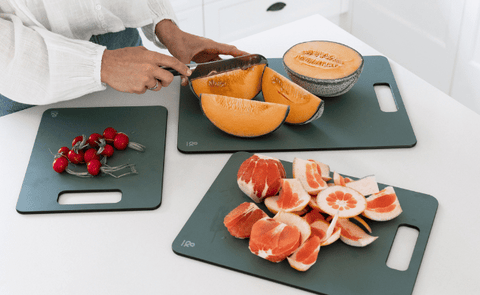
Choosing the right cutting board might seem simple, but it can have a big impact on your kitchen and the planet. You want something that lasts, looks good, and is safe for your food.
But how do you pick a cutting board that’s truly sustainable? This guide will help you understand what makes a cutting board eco-friendly and show you exactly what to look for. By the end, you’ll feel confident about making a choice that benefits your home and the environment.
Keep reading to discover the secrets to selecting the perfect sustainable cutting board for you.

Credit: vocal.media
Benefits Of Sustainable Cutting Boards
Choosing a sustainable cutting board is great for the planet. It also ensures safety in your kitchen.
Sustainable boards are made from eco-friendly materials. They help reduce waste and protect nature.
Environmental Impact
Sustainable cutting boards use renewable resources. They reduce deforestation and conserve forests.
These boards are often biodegradable. This means they break down naturally, reducing landfill waste.
- Made from bamboo or recycled materials
- Less energy needed for production
- Helps preserve wildlife habitats
Health And Safety
Sustainable boards are safe to use. They do not have harmful chemicals that can transfer to food.
They are easy to clean and maintain. This helps in keeping bacteria away, ensuring food safety.
- Non-toxic materials
- Resistant to knife marks
- Easy to sanitize
Durability And Longevity
Sustainable cutting boards last a long time. They are strong and withstand regular use.
These boards do not warp or crack easily. They are an investment in your kitchen.
- High-quality craftsmanship
- Retains smooth surface
- Cost-effective over time
Credit: www.organicauthority.com
Materials To Choose
Choosing the right material for your cutting board helps the environment. Sustainable materials last longer and reduce waste.
Look for boards made from natural, renewable, or recycled materials. These options are better for your kitchen and the planet.
Bamboo Boards
Bamboo grows fast and can be harvested without killing the plant. This makes bamboo cutting boards eco-friendly.
Bamboo is hard and resists knife marks well. It also absorbs less water, which helps prevent bacteria growth.
Reclaimed Wood Options
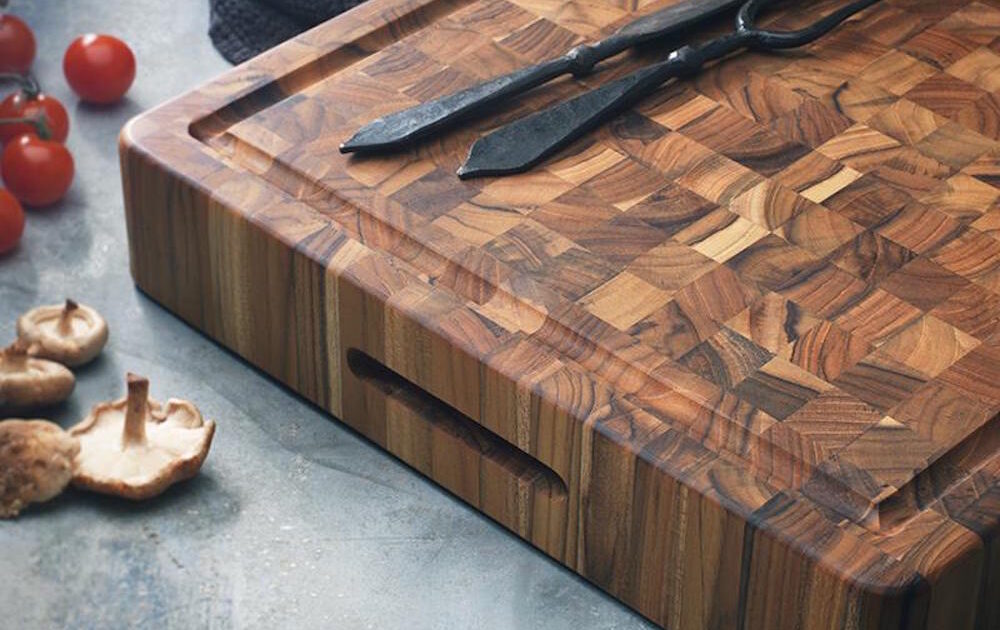
Reclaimed wood comes from old furniture or buildings. Using it reduces the need to cut down new trees.
These boards have a unique look and often show natural signs of wear. They can be strong and durable if treated properly.
- Check that the wood is safe and clean
- Avoid wood with chemical treatments
- Look for hardwoods like oak or maple
Biodegradable Composites
Biodegradable composites mix natural fibers with plant-based resins. They break down faster than plastic boards.
These cutting boards are strong and easy to clean. They offer a good alternative to traditional plastic options.
Features To Look For
Choosing a sustainable cutting board means looking for certain features. These features help the board last long and keep your kitchen safe.
Focus on materials and finishes that are good for the environment and your health. The board should also be easy to use and care for.
Non-toxic Finishes
Non-toxic finishes protect the wood without harmful chemicals. Look for boards finished with natural oils like mineral oil or beeswax.
These finishes do not soak into food or cause health risks. Avoid boards with synthetic or chemical-based coatings.
- Use food-safe mineral oil or beeswax
- Avoid polyurethane or varnish
- Check if the finish is FDA approved
Knife-friendly Surfaces
A good cutting board protects your knives from dulling fast. Softer woods like maple or bamboo work well for knife edges.
Hard surfaces can damage blades quickly. Avoid glass or very hard stone boards if you want to keep your knives sharp.
- Choose hardwoods like maple or walnut
- Bamboo is hard but gentle on knives
- Stay away from glass or ceramic boards
Maintenance Requirements
Pick a cutting board that is easy to clean and maintain. Some boards need regular oiling to stay strong and safe.
Boards that are dishwasher safe may not last long. Hand wash and dry boards well to avoid warping or cracking.
- Oil wooden boards every few weeks
- Hand wash with mild soap and warm water
- Dry boards completely before storing
- Avoid soaking or dishwasher use
Certifications And Labels
Choosing a sustainable cutting board means checking its certifications and labels. These marks show if the product meets eco-friendly standards.
Certifications help buyers trust the materials and processes used. They also support fair treatment of workers and the environment.
Fsc Certification
The Forest Stewardship Council (FSC) certifies wood products from responsibly managed forests. This means the wood is harvested sustainably.
FSC certified boards reduce deforestation and protect wildlife habitats. Look for the FSC logo on the cutting board packaging.
- Ensures wood comes from well-managed forests
- Supports biodiversity and local communities
- Promotes responsible forest use
Organic And Chemical-free Labels
Organic and chemical-free labels show that no harmful chemicals were used in making the board. This protects your health and the environment.
Choose cutting boards made from natural oils and finishes. Avoid those with synthetic coatings or pesticides.
- Free from toxic chemicals and pesticides
- Safer for food contact
- Better for the environment
Fair Trade Indicators
Fair Trade labels ensure workers get fair wages and work in safe conditions. They also promote ethical business practices.
Buying Fair Trade cutting boards supports communities and reduces exploitation. Look for Fair Trade logos on the product or packaging.
- Guarantees fair pay for workers
- Supports safe working environments
- Promotes ethical trade practices
Top Eco-friendly Cutting Board Picks
Choosing a sustainable cutting board helps protect the environment. It also keeps your kitchen safe and clean.
Many materials are eco-friendly and durable. This guide shows the best options for green cutting boards.
Best Bamboo Cutting Boards
Bamboo grows fast and is a renewable resource. It makes strong cutting boards that resist knife marks well.
Bamboo boards are lightweight and easy to clean. They do not absorb water quickly, so they last longer.
- Fast-growing and sustainable
- Hard surface resists cuts
- Lightweight and easy to handle
- Natural antibacterial properties
- Requires gentle cleaning
Best Reclaimed Wood Boards
Reclaimed wood uses old wood from furniture or buildings. It keeps wood out of landfills and saves trees.
These boards have a unique look and feel. They are strong but may need more care to stay in good shape.
- Made from recycled wood materials
- Reduces waste and saves trees
- Unique patterns and textures
- May need oiling to prevent cracking
- Durable when well maintained
Best Composite And Alternative Materials
Composite boards mix natural fibers and resins. They offer durability and can be eco-friendly if made right.
Alternative boards use materials like recycled plastics or paper. They avoid cutting down trees and last a long time.
- Made from plant fibers and natural resins
- Recycled plastic or paper options
- Strong and resistant to warping
- Easy to clean and dishwasher safe
- Look and feel like wood or stone

Credit: www.listful.com
Tips For Caring And Extending Life
Choosing a sustainable cutting board is just the start. Proper care helps it last longer. This saves money and reduces waste.
Follow simple steps to keep your cutting board clean, conditioned, and damage-free. These tips keep your board safe and beautiful.
Proper Cleaning Techniques
Clean your cutting board after every use. Use warm water and mild soap. Avoid soaking it in water for long times.
Rinse well and dry with a clean towel. Let it air dry completely to stop bacteria growth.
- Use a soft sponge or cloth
- Do not put wooden boards in the dishwasher
- Remove stains with lemon and salt
- Disinfect with vinegar if needed
Oiling And Conditioning
Oiling your cutting board keeps wood from drying and cracking. Use food-safe mineral oil or beeswax.
Apply oil evenly and let it soak in for a few hours. Wipe off extra oil with a clean cloth. Repeat every few weeks.
- Use a soft cloth for applying oil
- Do not use cooking oils like olive oil
- Condition boards monthly with beeswax mix
- Oil boards more often in dry climates
Avoiding Damage
Protect your cutting board from damage by avoiding harsh tools and conditions. Do not cut on it with very sharp or serrated knives aggressively.
Keep the board away from extreme heat and moisture. Use both sides to prevent warping and uneven wear.
- Do not leave the board near stoves or ovens
- Use a cutting mat for heavy chopping
- Flip the board regularly for even use
- Store in a dry, ventilated place
Frequently Asked Questions
What Materials Make Cutting Boards Sustainable?
Sustainable cutting boards are often made from bamboo, reclaimed wood, or recycled plastic. These materials are eco-friendly and durable. Bamboo grows quickly, making it renewable. Reclaimed wood reduces waste. Recycled plastic helps minimize landfill. Choosing these materials supports environmental conservation.
How To Maintain A Sustainable Cutting Board?
To maintain a sustainable cutting board, clean it with mild soap and water. Avoid soaking it in water. Regularly oil wooden boards with food-safe mineral oil to prevent drying. Proper care extends the board’s life and keeps it hygienic. This reduces the need for replacements.
Are Sustainable Cutting Boards Safer For Food?
Yes, sustainable cutting boards are often safer because they use natural, non-toxic materials. They resist bacteria growth better than some plastics. Proper cleaning and maintenance ensure safety. Choosing sustainable options supports both health and environmental goals.
Can Sustainable Cutting Boards Be Dishwasher Safe?
Most sustainable cutting boards, especially wooden ones, are not dishwasher safe. High heat and moisture can warp or crack them. Hand washing is recommended to maintain their quality and longevity. Always check the manufacturer’s care instructions before use.
Conclusion
Choosing a sustainable cutting board helps protect our planet. Wood and bamboo boards often last long and are eco-friendly. Avoid plastic boards that harm the environment. Consider how easy the board is to clean and maintain. Small steps make a big difference in reducing waste.
Your choice can support responsible forests and less pollution. Think about durability and safety for your kitchen. A good cutting board fits your cooking style and values. Sustainable choices lead to healthier homes and Earth. Start today with simple, smart decisions for a greener future.