
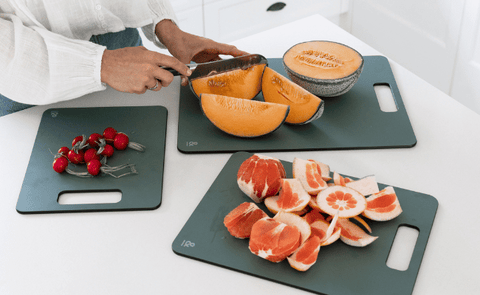
Choosing the right cutting board might seem simple, but it’s more important than you think. Your cutting board not only affects the way you prepare food but also the impact you have on the planet.
If you want to make a smart choice that protects your health and the environment, this guide is for you. By the end, you’ll know exactly how to pick a sustainable cutting board that fits your kitchen and values. Keep reading to discover easy tips that make a big difference.

Credit: vocal.media
Materials Matter
Choosing the right cutting board helps protect the environment. The material affects durability and sustainability. This guide explains popular options for eco-friendly boards.
Learn about wood types, bamboo, and recycled materials. Each has unique benefits for your kitchen and the planet.
Wood Types And Sustainability
Wood cutting boards can be sustainable if sourced responsibly. Hardwoods like maple and walnut last long and resist knife marks. Look for boards certified by organizations like FSC, which ensures trees are harvested safely.
- Maple: strong, durable, and widely available
- Walnut: rich color, hard, and less common
- Beech: tight grain, resists bacteria growth
- Cherry: softer, ages with a warm tone
Bamboo Benefits
Bamboo grows fast and needs little water, making it eco-friendly. Bamboo cutting boards are lightweight and resist scratches well. They also dry quickly, reducing germs.
| Feature | Bamboo | Wood |
|---|---|---|
| Growth Rate | 3-5 years | 20-50 years |
| Water Use | Low | Moderate to high |
| Durability | High | Varies by species |
| Weight | Light | Medium to heavy |
Recycled And Composite Options
Some cutting boards use recycled plastics or wood fibers. These reduce waste and use materials that might end up in landfills. Composite boards are often dishwasher safe and very durable.
- Made from recycled plastics or wood scraps
- Durable and resistant to stains
- Non-porous surface helps prevent bacteria
- Can be heavier than wood or bamboo
Durability And Maintenance
Choosing a sustainable cutting board means thinking about how long it lasts and how to care for it. A durable board saves money and reduces waste.
Proper maintenance keeps your board safe and strong for years. Learn what helps boards last and how to keep them in good shape.
Longevity Of Different Boards
Wooden boards tend to last longer than plastic ones if cared for well. Hardwoods like maple and walnut resist cuts and dents.
Bamboo boards are eco-friendly and strong but may wear faster with heavy use. Plastic boards can crack and get scratched easily.
- Hardwood boards: durable and repairable
- Bamboo boards: sustainable but less hard
- Plastic boards: affordable but less lasting
Cleaning And Care Tips
Clean your cutting board right after use to avoid bacteria. Use mild soap and warm water to wash it.
Never soak wooden boards in water. Dry them quickly with a clean towel to prevent damage.
- Wash with soap and warm water
- Do not soak wooden boards
- Dry boards immediately after washing
- Oil wooden boards regularly to keep wood healthy
Avoiding Warping And Cracking
Keep your cutting board away from extreme heat or moisture. Sudden changes in temperature cause warping and cracks.
Use food-safe mineral oil on wooden boards to stop drying and cracking. Reapply oil when the wood looks dry or dull.
- Keep boards out of direct sunlight
- Do not put wooden boards in the dishwasher
- Apply mineral oil regularly to wooden boards
- Store boards upright to allow air circulation
Health And Safety
Choosing a sustainable cutting board means thinking about health and safety. Your cutting board should keep food safe and avoid harmful substances.
Look for materials and finishes that protect your food and your family’s health. This guide explains what to check.
Non-toxic Finishes
Non-toxic finishes protect wood without adding chemicals. These finishes keep your board safe for cutting food.
Common safe finishes include natural oils and waxes. Avoid finishes with harmful solvents or synthetic chemicals.
Antibacterial Properties
Some cutting boards resist bacteria better than others. Wood has natural antibacterial qualities.
- Hardwood boards like maple and bamboo are good choices.
- These woods close their grain after cutting, reducing bacteria growth.
- Plastic boards can be cleaned easily but may get deep cuts that trap germs.
Avoiding Harmful Chemicals
| Chemical Type | Why to Avoid | Safe Alternatives |
| Formaldehyde | Can cause irritation and health risks | Natural wood or food-safe finishes |
| Phthalates | May disrupt hormones | Boards made without plasticizers |
| Lead and Heavy Metals | Toxic and unsafe for food contact | Certified safe materials and finishes |
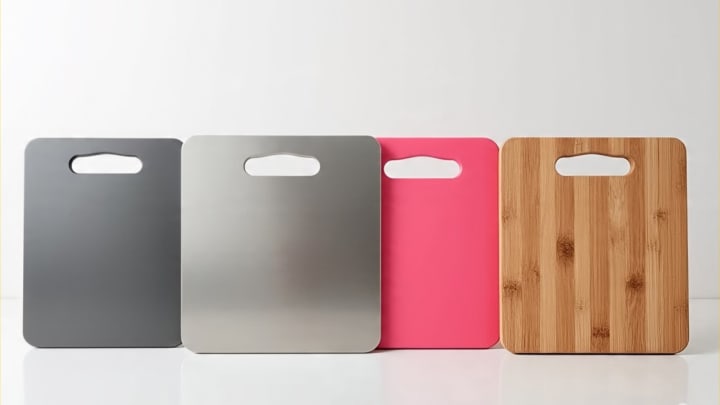
Credit: vocal.media
Eco-friendly Certifications
Choosing a sustainable cutting board means looking for products with eco-friendly certifications. These certifications show the board meets environmental and social standards. They help buyers trust that the product is made responsibly.
Understanding these certifications can guide you to pick a cutting board that is safe for the planet and your home. This guide explains what certifications to look for, how to read labels, and which organizations you can trust.
What Certifications To Look For
Look for certifications that confirm sustainable wood sourcing and chemical-free processing. Common certifications include:
- FSC (Forest Stewardship Council) – ensures wood comes from responsibly managed forests
- PEFC (Programme for the Endorsement of Forest Certification) – promotes sustainable forest management
- GREENGUARD – certifies low chemical emissions for healthier indoor air
- Organic – indicates natural and chemical-free materials
Understanding Labels
Labels show the certifications a product holds. They can be symbols, words, or numbers on packaging or the product itself. Always check the label carefully to confirm the certification is valid and current.
| Label | Meaning | Why It Matters |
| FSC Logo | Certified sustainable wood | Protects forests and wildlife |
| PEFC Mark | Endorsed forest management | Supports local communities |
| GREENGUARD | Low chemical emissions | Improves indoor air quality |
| Organic Seal | No synthetic chemicals | Healthier and eco-friendly |
Trusted Certification Bodies
Choose cutting boards certified by well-known and respected organizations. These groups inspect and verify products carefully. Trusted bodies include:
- Forest Stewardship Council (FSC)
- Programme for the Endorsement of Forest Certification (PEFC)
- UL Environment (for GREENGUARD certification)
- USDA (for Organic certification)
Ethical Production
Choosing a sustainable cutting board means thinking about how it was made. Ethical production focuses on fairness and care for people and the planet.
It is important to know if workers were treated well and if the production supports small, local businesses.
Fair Labor Practices
Fair labor means workers get safe jobs and fair pay. They should have good working hours and respect at work.
Many sustainable brands check their factories to make sure workers are treated well. Buying from these brands helps support fair jobs.
Local Vs. Mass Production
Local production means making cutting boards near where you live. Mass production happens in big factories far away.
Local makers often use less energy and create fewer emissions. They also can watch quality closely and support nearby communities.
- Local production reduces shipping pollution
- Mass production can lead to lower quality
- Local jobs help local economies
Supporting Small And Sustainable Brands
Small brands often focus on eco-friendly materials and careful work. They choose wood from forests that grow back naturally.
Buying from small brands helps keep these good practices alive and supports people who care about the environment.
- Small brands use sustainable wood sources
- They often handcraft cutting boards with care
- Supporting them encourages ethical production
Size And Design Choices
Choosing a sustainable cutting board means thinking about size and design. These factors affect how well the board works in your kitchen.
Good size and design choices help you save space and reduce waste. They also make your cooking easier and more enjoyable.
Choosing The Right Size
Select a cutting board size that fits your kitchen space. It should be big enough for your cooking tasks but not too large to store.
Think about what you cut most often. If you chop vegetables daily, a medium board works well. For big meals, a larger board is better.
- Small boards are easy to store but fit few items
- Medium boards suit most daily cooking needs
- Large boards handle big cuts and multiple foods
Multi-functional Designs
Look for cutting boards with more than one use. Some boards have juice grooves to catch liquids. Others have handles for easy moving.
Multi-use boards save money and reduce waste. You can use them for cutting, serving, and even as a hot pad.
- Boards with juice grooves help keep counters clean
- Handles make lifting and moving safer
- Double-sided boards offer different surfaces for foods
Aesthetic And Practical Considerations
Choose a design that matches your kitchen style. Wood boards add warmth, while bamboo offers a modern look.
Practical features like non-slip feet keep the board steady. Smooth surfaces are easier to clean and last longer.
- Wood and bamboo are natural and renewable materials
- Non-slip feet improve safety during use
- Smooth finishes prevent bacteria buildup
Budget And Value
Selecting a sustainable cutting board means thinking about both price and quality. You want a board that lasts long and costs less over time.
Good value comes from choosing materials that are eco-friendly and strong enough to handle daily use. This helps reduce waste and saves money.
Balancing Cost And Sustainability
Eco-friendly cutting boards can be more expensive upfront. Look for options that balance price with durability and environmental impact.
Materials like bamboo and recycled plastic often cost less and last well. Avoid very cheap boards that wear out quickly and harm the environment.
- Choose boards made from renewable resources
- Check for certifications like FSC or PEFC
- Consider secondhand or refurbished options
- Compare prices and read reviews for quality
Long-term Investment Benefits
Buying a high-quality sustainable board saves money in the long run. These boards resist cracks and knife marks better than cheap ones.
Strong boards need less replacement and keep your kitchen safe from bacteria. They reduce waste by lasting many years.
- Durable boards avoid frequent buying
- Better hygiene reduces health risks
- Eco-friendly materials break down safely
- Supports companies using ethical practices
Where To Buy Eco-friendly Boards
Find sustainable cutting boards at specialty kitchen stores and online shops focused on eco products. These places offer clear details about materials.
Local markets and craft fairs may have handmade boards made with care. Check labels and ask sellers about sourcing and production methods.
- Eco-friendly online retailers
- Kitchenware stores with green product sections
- Farmers markets and craft fairs
- Secondhand shops for pre-loved boards

Credit: choppingboards.in
Frequently Asked Questions
What Makes A Cutting Board Sustainable?
A sustainable cutting board is made from eco-friendly materials like bamboo or recycled wood. It is durable, reducing the need for frequent replacements. Sustainable boards often come from responsibly managed forests. By choosing these, you’re reducing environmental impact and supporting sustainable practices.
How To Identify Eco-friendly Cutting Boards?
Look for certifications like FSC or USDA Organic on the label. These ensure the materials are sourced responsibly. Eco-friendly boards often mention being made from recycled or renewable resources. Opt for products with minimal packaging and avoid plastic options for a sustainable choice.
Why Choose Bamboo Cutting Boards?
Bamboo is a renewable resource that grows quickly and requires less water. Bamboo cutting boards are durable, lightweight, and have natural antibacterial properties. They are also gentle on knives and resistant to scratches, making them a sustainable and practical choice for kitchens.
Are Plastic Cutting Boards Sustainable?
Plastic cutting boards are generally not considered sustainable. They contribute to plastic waste and often need frequent replacement. However, if you prefer plastic, opt for those made from recycled materials. Always recycle them properly at the end of their life to minimize environmental impact.
Conclusion
Choosing a sustainable cutting board helps protect the environment. Wood and bamboo are good natural options. Avoid plastic boards that harm nature and take long to break down. Think about durability and how easy it is to clean. A well-made board lasts many years.
Small steps like this make a big difference. Caring for your cutting board keeps it safe and useful. Your kitchen can be greener with smart choices. Start today, and enjoy cooking with a board that supports the planet. Simple actions add up to a healthier earth.