
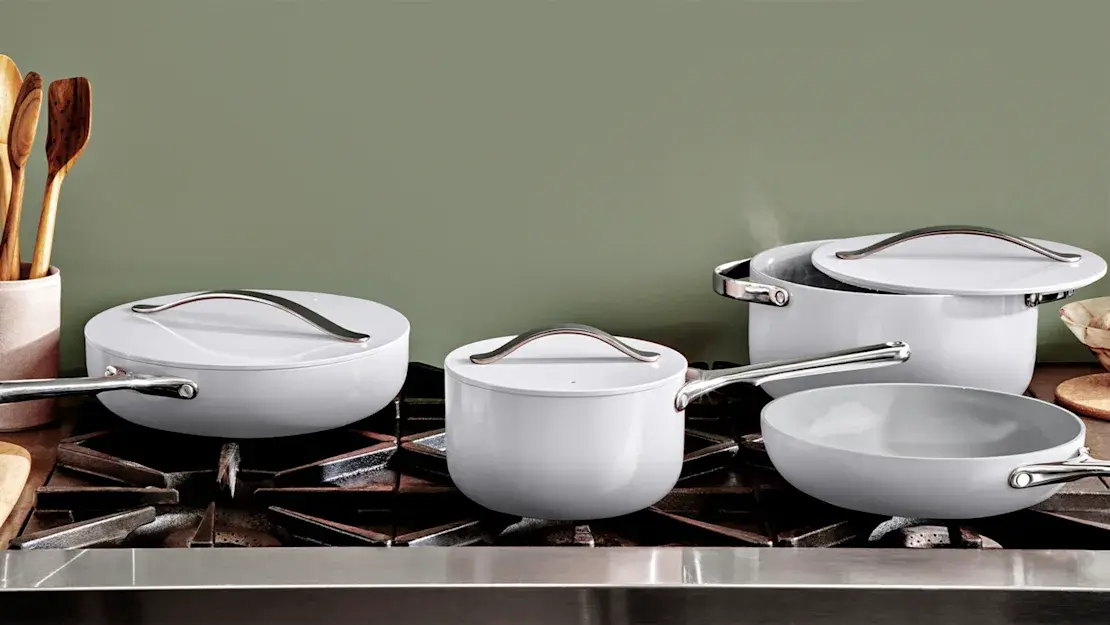
When it comes to baking, the tools you use matter more than you might think. Choosing sustainable bakeware isn’t just good for the planet—it can also improve your baking experience and keep your kitchen safer.
But with so many options out there, how do you find bakeware that’s eco-friendly, durable, and fits your needs? This guide will help you make smart choices that protect the environment and bring out the best in your baking. Keep reading to discover simple tips that make a big difference every time you bake.
Benefits Of Sustainable Bakeware
Sustainable bakeware helps protect the environment. It also benefits our health and saves money over time.
Choosing the right bakeware is important for a greener kitchen. Let’s explore the benefits of sustainable bakeware.
Environmental Impact
Sustainable bakeware reduces waste and pollution. It uses eco-friendly materials like glass, steel, and silicone.
These materials are recyclable and help lower carbon footprints. Choosing sustainable bakeware supports a cleaner planet.
- Reduces landfill waste
- Made from renewable resources
- Less energy used in production
Health Advantages
Non-toxic bakeware means safer food. Sustainable options avoid harmful chemicals found in some traditional bakeware.
Materials like glass and stainless steel do not leach chemicals into food. This ensures healthier meals for families.
- No harmful coatings
- Prevents chemical exposure
- Better for long-term health
Durability And Cost Efficiency
Sustainable bakeware lasts longer than regular options. It resists wear and tear better, saving money over time.
Investing in quality bakeware means fewer replacements. This leads to cost savings and less resource usage.
- Long-lasting materials
- Lower replacement costs
- Less frequent purchases needed

Credit: letsgogreen.com
Materials To Look For
Choosing sustainable bakeware helps reduce waste and pollution. You can pick materials that last long and are safe for the planet.
Some materials are better for the environment than others. Knowing which ones to choose makes a big difference.
Bamboo And Wood
Bamboo and wood come from fast-growing plants. They are natural and biodegradable.
These materials do not release harmful chemicals when heated. They are good for eco-friendly baking tools like spoons and cutting boards.
- Bamboo grows quickly and uses less water
- Wood is renewable if harvested responsibly
- Both materials break down naturally after use
Silicone Alternatives
Silicone bakeware is popular but not always eco-friendly. Look for natural rubber or plant-based silicone alternatives.
These options avoid plastic chemicals and can last a long time. They also handle heat well without melting.
- Natural rubber is biodegradable
- Plant-based silicone reduces fossil fuel use
- Both can be flexible and non-stick
Recycled Metals
Metal bakeware made from recycled aluminum or steel helps save resources. It uses less energy than new metal.
Recycled metals are durable and conduct heat well. They keep bakeware strong and reduce landfill waste.
- Recycled aluminum is lightweight and heats evenly
- Recycled steel is sturdy and lasts for years
- Both metals can be recycled again after use
Ceramic And Glass Options
Ceramic and glass bakeware is made from natural materials like sand and clay. They do not release toxins.
These options are reusable and easy to clean. They work well for baking without sticking or warping.
- Ceramic is heat resistant and long-lasting
- Glass allows you to see your food while baking
- Both materials can be recycled or reused
Avoiding Harmful Components
Choosing sustainable bakeware means avoiding harmful materials. Some bakeware contains chemicals that can hurt your health and the environment.
Knowing what to avoid helps you pick safer products. This guide looks at toxic coatings, single-use plastics, and low-quality metals.
Toxic Coatings And Non-stick Chemicals
Many bakeware items have non-stick coatings. Some coatings use chemicals that can release toxins when heated.
Look for bakeware without perfluorooctanoic acid (PFOA) or polytetrafluoroethylene (PTFE). These chemicals may harm your health.
- Choose ceramic or silicone coatings instead of chemical non-stick layers
- Avoid scratched or peeling coatings as they can release harmful particles
- Check labels for “PFOA-free” and “PTFE-free”
Single-use Plastics
Single-use plastics in bakeware add waste and pollution. These plastics often break down into harmful microplastics.
Choose bakeware made from reusable materials. Avoid plastic trays or liners that are meant to be thrown away after one use.
- Use glass, metal, or silicone bakeware instead of disposable plastic
- Check product details to avoid plastic parts that degrade quickly
- Choose items designed for long-term use to reduce waste
Low-quality Metals
Low-quality metals can rust or leach metals into food. This can affect taste and health.
Pick bakeware made from high-quality stainless steel or cast iron. These materials last longer and are safer.
- Avoid cheap aluminum that wears down quickly
- Look for metals labeled as food-grade or safe for cooking
- Consider durability to reduce frequent replacements
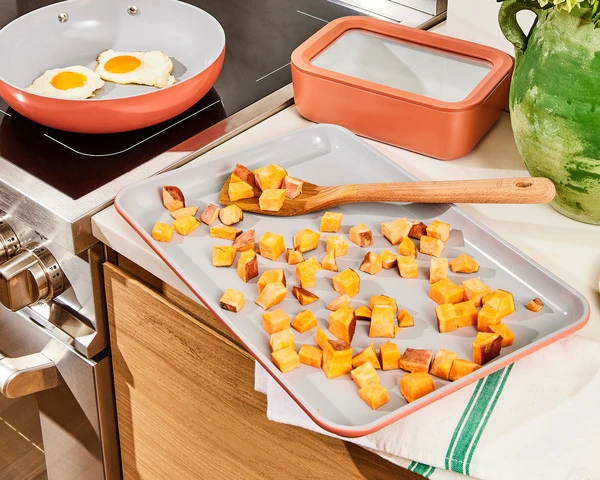
Credit: www.carawayhome.com
Brands And Certifications
Selecting sustainable bakeware means looking for trusted brands and certifications. These help ensure the products are eco-friendly and ethical.
Knowing what labels and certifications stand for helps you pick bakeware that supports the environment and fair practices.
Eco-friendly Labels
Eco-friendly labels show that bakeware meets environmental standards. These labels reduce harm to nature and use safe materials.
Look for labels like USDA Organic, Green Seal, or FSC. They indicate products use sustainable resources or safe processes.
- USDA Organic: Made from organic materials
- Green Seal: Meets strict environmental criteria
- FSC: Wood or paper from responsibly managed forests
- Recycled Content: Made with recycled materials
Fair Trade And Ethical Sourcing
Fair Trade labels ensure workers get fair pay and good conditions. They also promote ethical sourcing of raw materials.
Choosing bakeware from brands with fair trade certifications supports better lives for workers and sustainable farming.
- Fair Trade Certified: Fair wages and safe workplaces
- Ethical sourcing: Materials bought responsibly
- Supports small farmers and communities
- Reduces harmful labor practices
Customer Reviews And Transparency
Customer reviews help you learn if a brand truly delivers on sustainability claims. Honest feedback shows real product quality.
Brands that share clear information about materials and processes build trust. Transparency means they stand by their products.
- Read reviews about product durability and eco-friendliness
- Check if brands explain their sourcing and production
- Look for third-party tests or certifications in descriptions
- Avoid brands with vague or missing information
Care And Maintenance Tips
Sustainable bakeware lasts longer when cared for properly. Good habits help keep your bakeware strong and safe.
Use simple care steps to protect your bakeware. This saves money and reduces waste.
Extending Bakeware Lifespan
Handle your bakeware gently to avoid dents or scratches. Avoid sudden temperature changes to prevent warping.
Check for damage regularly. Replace bakeware that shows cracks or deep scratches to stay safe.
- Do not use metal utensils on non-stick surfaces
- Preheat ovens to recommended temperatures only
- Let bakeware cool before cleaning
- Use silicone or wooden tools when possible
Proper Cleaning Techniques
Clean bakeware after each use. Use warm water and mild soap to avoid damage.
Avoid abrasive scrubbers that can scratch surfaces. Use soft sponges or cloths instead.
- Soak stuck-on food in warm water before washing
- Rinse thoroughly to remove soap residue
- Dry completely to prevent rust or mold
- Do not wash wooden bakeware in a dishwasher
Safe Storage Practices
Store bakeware in a dry place to avoid moisture damage. Keep items separated to prevent scratches.
Stack bakeware carefully. Use cloth or paper between pieces if stacking to protect surfaces.
- Store lids separately or upside down on bakeware
- Keep bakeware away from direct sunlight
- Do not overload storage shelves
- Use hooks or racks for hanging if space is limited
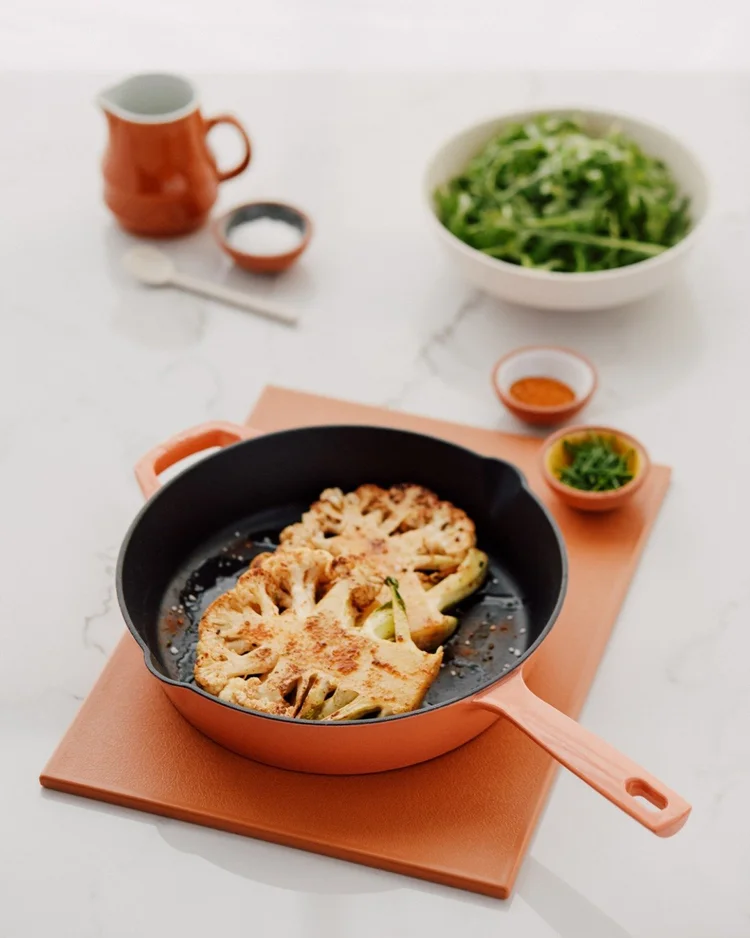
Credit: www.sustainably-chic.com
Diy And Upcycling Ideas
Choosing sustainable bakeware helps reduce waste and saves money. You can also make your own baking tools at home.
Upcycling old bakeware gives new life to items you no longer use. This way, you help the environment and enjoy creative projects.
Repurposing Old Bakeware
Old baking pans and trays can become useful items in your kitchen or home. Instead of throwing them away, think about new uses.
For example, use a muffin tin as a seed starter for plants. Baking sheets can hold craft supplies or act as a tray for small items.
- Turn cake pans into storage containers for kitchen tools.
- Use old pie tins as bird feeders by adding seeds.
- Cut metal baking sheets into shapes for wall art or signs.
- Use muffin tins as organizers for small craft or office items.
Creative Baking Tools From Recycled Items
You can make unique baking tools from recycled materials. These tools add fun to your kitchen and reduce waste.
For example, old glass jars can become measuring cups or storage for ingredients. Wooden spoons can be decorated and reused for stirring.
- Turn a clean glass jar into a flour or sugar container.
- Use a sturdy cardboard tube to shape dough or pasta.
- Create cookie cutters from cleaned tin cans by shaping the edges.
- Decorate old spoons with paint for fun kitchen tools.
Frequently Asked Questions
What Materials Are Best For Sustainable Bakeware?
Sustainable bakeware is often made from glass, ceramic, stainless steel, or silicone. These materials are durable, non-toxic, and recyclable. They also avoid harmful chemicals like PFOA and PFAS, making them eco-friendly and safe for baking.
How To Identify Eco-friendly Bakeware Brands?
Look for brands that use recycled materials and sustainable practices. Certifications like BPA-free, FDA-approved, or eco-labels indicate safety and sustainability. Transparent company policies on sourcing and manufacturing also help identify trustworthy eco-friendly bakeware brands.
Are Silicone Bakeware Products Environmentally Safe?
High-quality, food-grade silicone is generally considered safe and reusable. It is durable and heat-resistant but not biodegradable. Choose brands that offer recyclable or long-lasting silicone products to reduce environmental impact.
Why Choose Ceramic Bakeware For Sustainability?
Ceramic bakeware is made from natural clay and minerals, making it biodegradable and non-toxic. It retains heat well and lasts long if cared for properly. Ceramic is a sustainable choice that avoids plastic and metal waste.
Conclusion
Choosing sustainable bakeware helps protect the planet and your health. Pick materials that last long and avoid harmful chemicals. Think about how easy it is to clean and reuse. Small changes in your kitchen make a big difference. Keep your baking simple and eco-friendly.
Every step counts toward a greener lifestyle. Start with one sustainable item today. Your choices matter for a better tomorrow.