
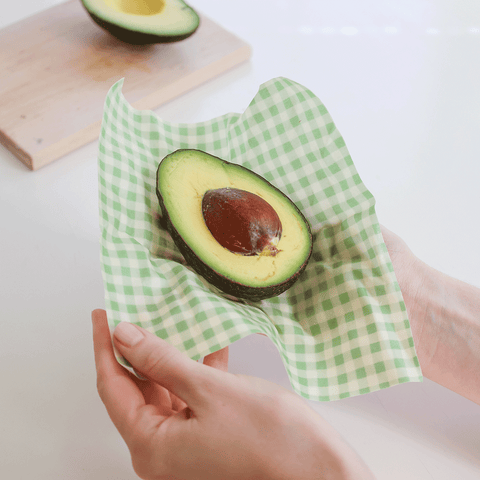
Are you tired of constantly buying plastic wrap that just ends up in the trash? Choosing the right reusable kitchen wrap can save you money, reduce waste, and keep your food fresh longer.
But with so many options out there, how do you know which one is best for your needs? You’ll discover simple tips to help you pick the perfect reusable wrap that fits your lifestyle and keeps your kitchen eco-friendly. Keep reading to find out how easy it is to make a smart, sustainable choice for your home.
Benefits Of Reusable Kitchen Wraps
Reusable kitchen wraps offer many advantages for daily use. They help reduce waste and save money. Choosing the right wrap makes a positive impact on health and the environment.
These wraps are easy to use and come in various materials. Knowing their benefits can guide you to a better choice for your kitchen needs.
Reducing Plastic Waste
Using reusable wraps cuts down on single-use plastic. Plastic waste harms oceans and wildlife. Reusable wraps can be washed and used many times, which lowers plastic pollution.
- They replace plastic cling film and bags.
- They last longer and reduce trash.
- They help protect the environment.
Saving Money Over Time
Reusable wraps cost more at first but save money later. Buying single-use plastic often adds up. Reusable wraps can be used for months or years, lowering your spending.
| Cost Type | Single-Use Plastic | Reusable Wraps |
| Initial Cost | Low | Higher |
| Use Duration | Single Use | Many Uses |
| Total Cost Over 1 Year | High | Low |
Health And Safety Advantages
Reusable wraps are often made from natural materials. They avoid harmful chemicals found in some plastics. This makes food safer and fresher.
Here are some health benefits of reusable wraps:
- Free from BPA and other toxins
- Breathable fabrics keep food fresh
- Easy to clean and sanitize
- Reduce risk of plastic leaching

Credit: www.amazon.ca
Types Of Reusable Wraps
Reusable kitchen wraps help reduce waste and keep food fresh. They are eco-friendly alternatives to plastic wraps.
There are different types of reusable wraps. Each has unique features and uses.
Beeswax Wraps
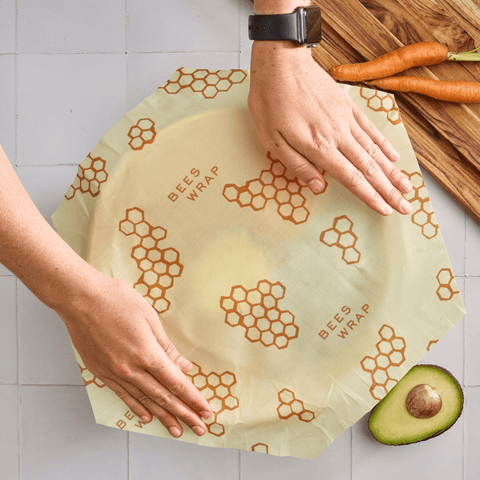
Beeswax wraps are made from cotton fabric coated with beeswax. They are sticky and flexible.
These wraps mold around food or containers using the warmth of your hands. They keep food fresh for days.
- Natural and biodegradable
- Good for wrapping cheese, bread, and fruits
- Must be washed gently with cold water
Silicone Wraps
Silicone wraps are made from food-safe silicone. They are stretchy and airtight.
These wraps can cover bowls or wrap food directly. They are easy to clean and last long.
- Heat resistant and microwave safe
- Dishwasher safe for easy cleaning
- Good for covering leftovers and fresh produce
Fabric Wraps With Waterproof Coating
Fabric wraps have a waterproof coating like polyurethane. They are soft but water-resistant.
These wraps are flexible and good for wrapping sandwiches and snacks. They keep moisture out.
- Washable and reusable multiple times
- Less sticky than beeswax wraps
- Available in many colors and patterns
Materials To Consider
Choosing the right material for reusable kitchen wraps is important. It affects how well they protect food and how long they last.
This guide looks at natural and synthetic materials, their strength, and how easy they are to clean.
Natural Vs Synthetic
Natural wraps use materials like cotton or beeswax. They are eco-friendly and safe for food.
Synthetic wraps often use plastic or silicone. They last longer but may not be as green.
- Natural wraps are breathable and biodegradable
- Synthetic wraps resist stains and odors better
- Natural wraps may need more care
- Synthetic wraps are usually waterproof
Durability And Longevity
Durability means how well the wrap handles daily use. Longevity is how long it stays useful.
Synthetic wraps tend to last longer without damage. Natural wraps wear out faster but break down safely.
- Synthetic wraps resist tearing and stains
- Natural wraps may crack or lose wax coating
- Both types can be reused many times with care
Ease Of Cleaning
Cleaning is key to keep wraps safe and fresh. Some materials are easier to clean than others.
Synthetic wraps can be washed with soap and water. Natural wraps need gentle cleaning to protect the coating.
- Synthetic wraps can handle warm water and mild detergent
- Natural wraps should not be soaked or put in hot water
- Both should dry fully before storing
Credit: www.beeswrap.com
Size And Shape Options
Reusable kitchen wraps come in many sizes and shapes. Choosing the right one helps keep food fresh and saves space.
Pick wraps that fit your food items well. This stops waste and makes storage easier.
Small Wraps For Snacks
Small wraps are perfect for snacks like fruits, nuts, or cheese slices. They are easy to fold and carry.
These wraps help keep snacks fresh without using too much material.
- Size fits small food items
- Lightweight and easy to pack
- Good for on-the-go snacking
Medium Wraps For Sandwiches
Medium wraps fit sandwiches and wraps well. They provide enough coverage for most lunch items.
These wraps keep your sandwich fresh and avoid leaks or spills.
- Fits most sandwich sizes
- Easy to fold and seal
- Reusable and washable
Large Wraps For Bowls And Containers
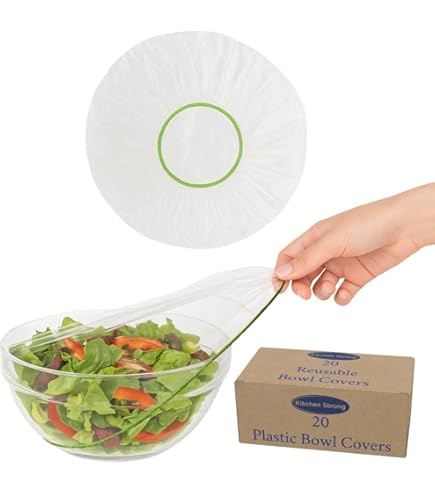
Large wraps cover bowls, plates, and containers of various shapes. They are flexible and stretch easily.
Using large wraps reduces the need for plastic lids or foil.
- Fits big or odd-shaped containers
- Stretchy and flexible material
- Good for leftovers and meal prep
Choosing Wraps For Different Foods
Reusable kitchen wraps come in many types and sizes. Choosing the right wrap keeps food fresh and reduces waste.
Each food type needs a specific wrap to stay fresh longer and avoid damage.
Fresh Produce
Fresh fruits and vegetables need wraps that allow air flow and keep moisture balanced.
- Cotton wraps with beeswax are breathable and keep produce fresh.
- Wrap leafy greens gently to avoid bruising.
- Use larger wraps for bulky items like broccoli or lettuce.
Leftovers
Leftover meals need wraps that seal tightly to keep food fresh and prevent odors.
| Type of Wrap | Best Use | Benefits |
| Silicone wraps | Cover bowls and plates | Stretchy, airtight seal |
| Beeswax wraps | Wrap sandwiches and small containers | Reusable and breathable |
| Fabric wraps with ties | Bundle food items | Easy to adjust size |
Dry Goods
Dry foods like nuts, grains, and snacks need wraps that keep moisture out.
- Choose wraps made from tightly woven fabric to block humidity.
- Use wraps with waterproof layers for extra protection.
- Store dry goods in cool, dry places inside the wrap.
Maintenance And Care Tips
Reusable kitchen wraps need regular care to stay clean and last longer. Proper maintenance helps keep them safe for food use.
Learn easy ways to clean, store, and extend the life of your wraps. This keeps your kitchen eco-friendly and fresh.
Cleaning Methods
Wash reusable wraps gently to avoid damage. Use cool or lukewarm water with mild soap.
Avoid harsh scrubbing or hot water. This can break the wrap’s coating and reduce its effectiveness.
- Hand wash with soft sponge or cloth
- Use gentle soap, not bleach or strong detergents
- Rinse well to remove all soap
- Air dry completely before storing
Storage Ideas
Store wraps in a cool, dry place to keep them fresh. Avoid folding tightly to prevent cracks.
Keep wraps away from direct sunlight or heat sources. This stops the material from melting or shrinking.
- Roll wraps loosely instead of folding
- Use a clean drawer or container for storage
- Keep wraps separate from sharp objects
- Store away from heat and sunlight
Extending Wrap Lifespan
Use wraps carefully to help them last longer. Avoid wrapping hot food or using them in ovens.
Check wraps regularly for damage. Replace them if they lose stickiness or get cracks.
- Do not use wraps with hot or boiling foods
- Keep away from knives and sharp edges
- Clean and dry wraps after each use
- Store properly to avoid folding or creasing
Where To Buy Quality Wraps
Reusable kitchen wraps help reduce waste and keep food fresh. Choosing quality wraps is important for durability and safety.
Finding the right place to buy these wraps makes a difference. Look for trusted sellers that offer good materials.
Local Stores
Many local stores sell reusable kitchen wraps. You can see the products and feel the materials before buying.
Check out health food shops, zero waste stores, and some supermarkets. Staff can also help you choose the best wraps.
- Health food stores often stock eco-friendly wraps
- Zero waste shops focus on reusable products
- Farmers markets sometimes have handmade wraps
Online Marketplaces
Online marketplaces offer a wide variety of reusable wraps. You can compare prices and read reviews from buyers.
Look for sellers with good ratings and clear product descriptions. Pay attention to shipping costs and return policies.
- Amazon has many options and customer reviews
- Etsy offers handmade and unique wraps
- Specialty eco-friendly sites focus on sustainable goods
Eco-friendly Brands To Watch
Some brands focus only on eco-friendly kitchen wraps. Their products often use organic cotton and natural waxes.
Choosing these brands supports sustainable business and quality materials. They often provide detailed care instructions.
- Bee’s Wrap uses organic cotton and beeswax
- Wraptastic offers vegan and plastic-free wraps
- EarthHero sells wraps made from natural ingredients
Credit: www.amazon.ca
Cost Vs Value Comparison
Choosing reusable kitchen wraps means thinking about cost and value. It is important to see what you pay at first and what you get later.
This guide explains how to compare the starting cost, long-term savings, and environmental effects of reusable wraps.
Initial Investment
Reusable kitchen wraps can cost more than single-use plastic wrap. You pay more money at the start. The price depends on the material and size.
Choosing high-quality wraps often means a higher initial cost. Cheap wraps may not last as long or work as well.
- Cotton wraps coated with beeswax usually cost more
- Silicone wraps are often pricier but very durable
- Smaller wraps cost less but cover less area
Long-term Savings
Reusable wraps save money over time by reducing waste. You do not need to buy plastic wrap often. This cuts down regular expenses.
Good wraps last for months or years if cared for well. This means fewer purchases and less spending in the future.
- Wash wraps after use to keep them clean
- Store properly to avoid damage
- Replace only when worn out
Environmental Impact
Reusable wraps reduce plastic waste and pollution. They help lower the amount of trash in landfills and oceans. This helps nature stay clean.
Making and using reusable wraps uses less energy over time. This makes them a better choice for the planet compared to single-use wraps.
- Less plastic thrown away
- Lower carbon footprint
- Supports sustainable living
Frequently Asked Questions
What Materials Are Best For Reusable Kitchen Wraps?
Beeswax, silicone, and cotton coated with plant-based wax are top choices. They are eco-friendly, durable, and safe for food contact. These materials keep food fresh while reducing plastic waste effectively.
How Do I Clean Reusable Kitchen Wraps Safely?
Use cold water and mild soap to clean wraps. Avoid hot water as it can melt wax coatings. Let them air dry completely before storing to maintain their quality and longevity.
Are Reusable Kitchen Wraps Suitable For All Food Types?
Yes, reusable wraps work well for fruits, vegetables, cheese, and bread. Avoid using them for raw meat or fish to prevent contamination. They help keep most foods fresh and reduce plastic use.
How Long Do Reusable Kitchen Wraps Typically Last?
With proper care, wraps last between 6 months to 1 year. Avoid heat and excessive moisture to extend their life. Regular cleaning and gentle handling help maintain their effectiveness.
Conclusion
Choosing reusable kitchen wraps isn’t complicated. Consider the material’s durability first. Look for wraps that fit your kitchen needs. Check if they are easy to clean. Select wraps that seal tightly to keep food fresh. Think about environmental impact too.
Reusable wraps reduce waste significantly. Quality wraps last longer and save money. They also protect your food better than single-use options. So, make a thoughtful choice. Your kitchen and the planet will thank you.