
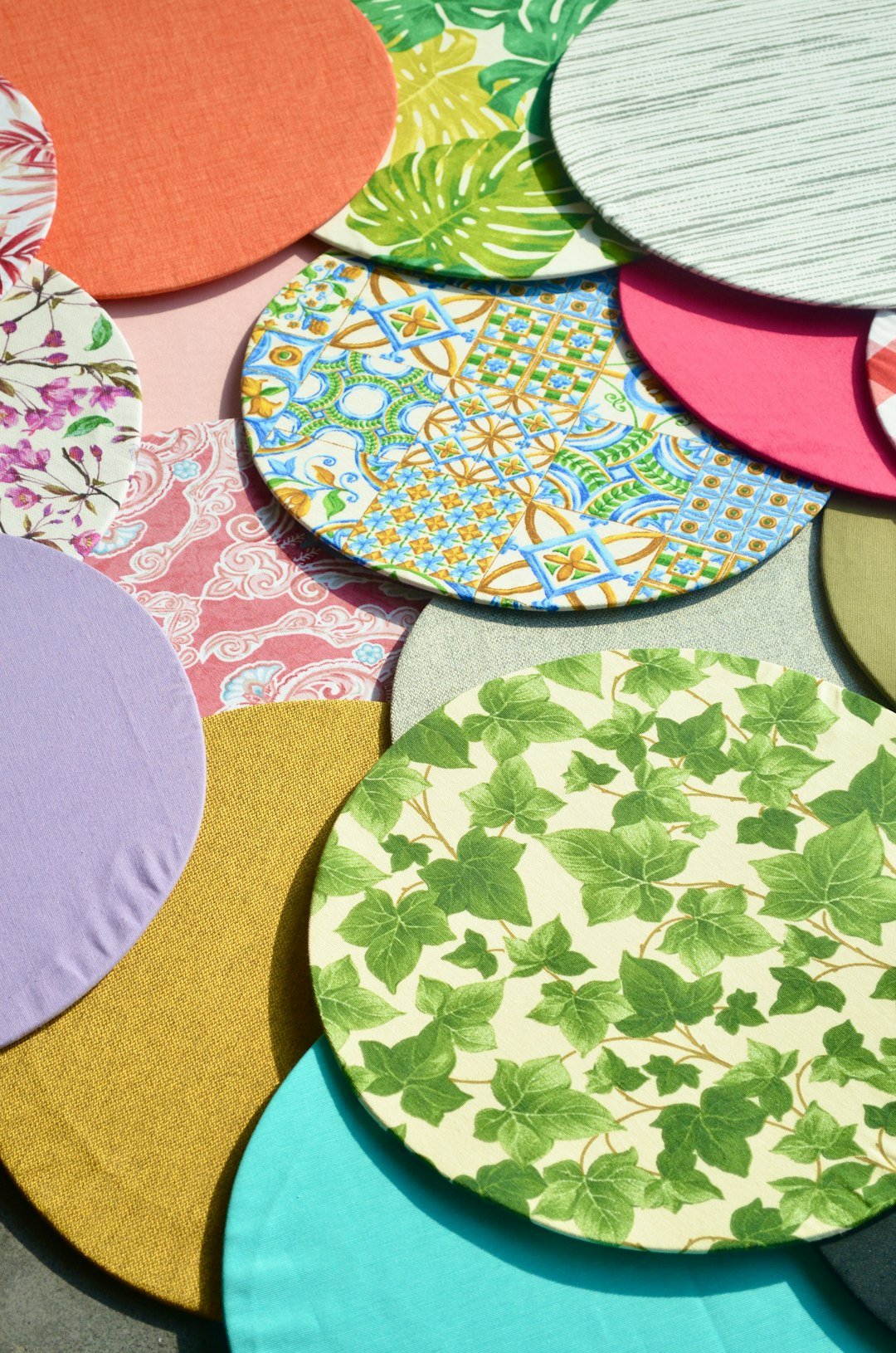
Choosing the right kitchen mat can make a big difference in your daily comfort and safety. But when it comes to recycled kitchen mats, the decision might feel overwhelming.
You want something durable, eco-friendly, and stylish—all at once. How do you find the perfect balance? This guide will help you understand what to look for, so you can pick a recycled kitchen mat that fits your needs and enhances your kitchen space.
Keep reading to discover simple tips that will make your choice easier and smarter.
Credit: www.costco.com
Benefits Of Recycled Kitchen Mats
Recycled kitchen mats are a smart choice for many homes. They offer benefits that improve everyday life in the kitchen.
These mats are not only practical but also environmentally friendly. They help in making your kitchen a safer and more sustainable place.
Environmental Impact
Using recycled materials reduces waste. It helps conserve resources and protect the planet.
- Less waste in landfills
- Reduced need for new materials
- Helps lower carbon footprint
Health And Safety Advantages
Recycled kitchen mats can be safer for your family. They often have non-slip surfaces that prevent falls.
These mats can also be easier to clean, which helps maintain a healthier kitchen environment.
- Non-slip surface for safety
- Easy to clean and maintain
- Helps reduce kitchen accidents
Durability And Cost-effectiveness
Recycled mats are often durable, lasting for a long time. This makes them a cost-effective option for busy kitchens.
They withstand heavy use, which means you save money by not replacing them often.
- Long-lasting materials
- Cost-effective over time
- Suitable for high-traffic areas
Credit: www.bedbathandbeyond.com
Types Of Recycled Materials
Recycled kitchen mats come from many types of materials. These mats help reduce waste and use old products again.
Knowing the types of recycled materials helps you pick the best mat for your kitchen needs.
Rubber-based Mats
Rubber-based mats are made from recycled rubber, often from old tires. They are strong and water-resistant.
These mats provide good grip and cushion for your feet. They last a long time in busy kitchens.
- Durable and flexible
- Slip-resistant surface
- Easy to clean with water
- Good for wet or oily floors
Plastic And Fabric Blends
Some mats mix recycled plastic with fabric fibers. This blend makes mats soft yet sturdy.
These mats often dry quickly and resist stains. They also come in many colors and patterns.
- Lightweight and flexible
- Resists mold and mildew
- Easy to machine wash or wipe
- Variety of designs available
Natural Fiber Alternatives
Natural fiber mats use recycled plant materials like jute, coir, or cotton. These mats are eco-friendly and biodegradable.
They offer a natural look and feel. These mats can absorb moisture but may need more care to stay clean.
- Made from renewable resources
- Biodegradable and compostable
- Soft texture underfoot
- May require gentle cleaning
Key Features To Consider
Choosing the right recycled kitchen mat helps keep your kitchen safe and comfortable. Look for features that fit your needs and kitchen style.
This guide covers important points like grip, water resistance, and comfort to help you pick the best mat.
Non-slip Properties
A good kitchen mat must stay in place to prevent slips and falls. Check if the mat has a strong grip on the floor.
Look for mats with textured backs or rubber layers. These features help keep the mat steady on tile or wood floors.
- Rubber or latex backing prevents sliding
- Textured surface adds extra grip
- Check if the mat works on your floor type
Water Resistance
Kitchens often get wet, so water resistance is key for a recycled mat. It should not soak up spills or stains easily.
Choose mats made from waterproof or quick-drying materials. This helps keep your mat clean and safe from mold.
- Look for waterproof or water-resistant material
- Easy-to-clean mats save time
- Quick-drying mats prevent bad smells
Comfort And Thickness
Standing in the kitchen for a long time can be hard on your feet. A thick and soft mat adds comfort.
Check the thickness and cushioning of the mat. A good mat reduces foot pain and fatigue during cooking.
- Choose mats with enough padding
- Thicker mats offer better support
- Soft mats reduce pressure on joints
Sizing And Shape Options
Choosing the right size and shape for recycled kitchen mats helps keep your kitchen safe and clean. The right fit makes your space look neat and protects your floors well.
There are many size and shape choices for recycled kitchen mats. Understanding these options helps you pick the best one for your kitchen layout.
Standard Dimensions
Most recycled kitchen mats come in common sizes that fit typical kitchen areas. These sizes help cover the spots where you stand the most.
- 18 x 24 inches – good for small spaces near the sink
- 24 x 36 inches – fits well in front of cooking areas
- 20 x 48 inches – covers longer spaces like kitchen islands
- 24 x 60 inches – ideal for larger kitchens or multiple work zones
Customizable Shapes
Some recycled mats can be cut or made in special shapes. Custom shapes fit unique kitchen layouts or personal style preferences.
- Rectangular and square mats suit most kitchens
- Round mats add a soft look near dining areas
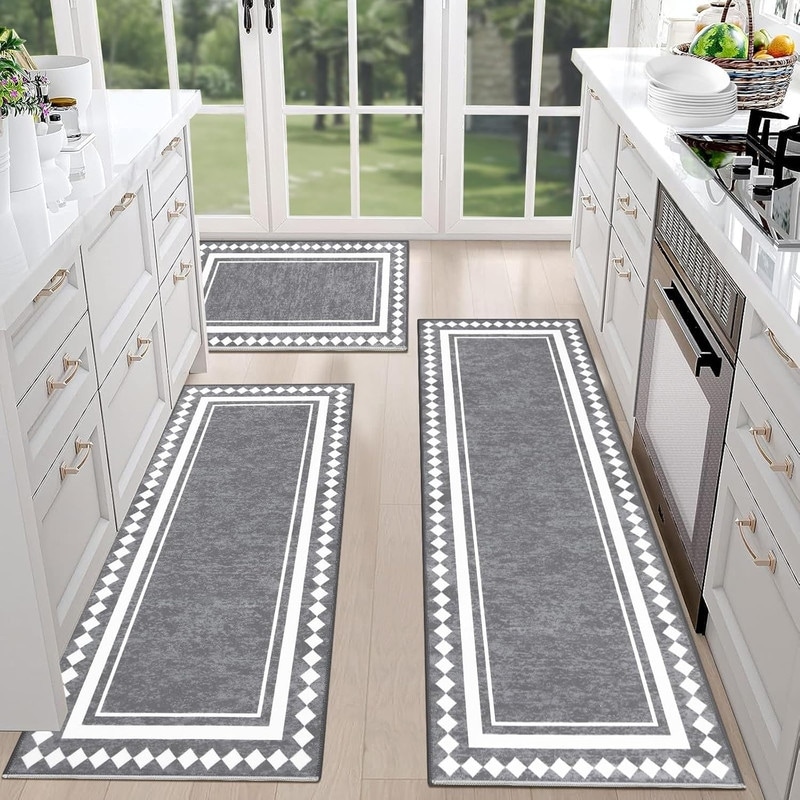
- Runner mats fit narrow or long kitchen paths
- Cut-to-fit options allow shaping around cabinets or appliances
Placement Tips
Place mats where you spend the most time standing. This reduces foot fatigue and protects floors from spills.
- Put mats near the sink to catch water drops
- Use mats in front of the stove for comfort while cooking
- Place mats by the dishwasher for easy cleanup
- Consider runner mats in walkways for safety and style
Certifications And Labels
Choosing recycled kitchen mats needs care. Certifications and labels help buyers find safe and eco-friendly mats.
These marks show if mats meet green rules, safety needs, and recycling steps.
Eco-friendly Certifications
Eco-friendly certifications prove mats use safe and green materials. They show mats reduce harm to the earth.
- Look for certifications like Global Recycled Standard (GRS).
- OEKO-TEX labels mean no harmful chemicals were used.
- FSC certification means materials come from managed forests.
Safety Standards
Safety standards ensure mats do not cause harm to users. They check for fire resistance and slip safety.
- Check if mats meet ASTM or EN safety standards.
- Non-toxic labels mean mats are free from dangerous chemicals.
- Anti-slip certifications show mats stay firm on floors.
Recycling Information
Recycling labels tell you how mats can be reused or recycled after use. This lowers waste and helps the planet.
- Look for symbols that show mats are fully recyclable.
- Labels may explain how to recycle mats properly.
- Some mats have take-back programs from makers.
Maintenance And Longevity
Choosing recycled kitchen mats is a smart way to help the environment. To keep them useful longer, you need to care for them well. Proper maintenance helps these mats stay strong and look good.
Knowing how to clean and check your mats can save money. You also get more value by using them for many years. Below are tips to maintain and extend the life of your recycled kitchen mats.
Cleaning Tips
Clean your recycled kitchen mat regularly to stop dirt from building up. Use mild soap and warm water to keep the material safe. Avoid harsh chemicals that can damage the mat’s fibers.
Dry your mat completely after washing. This stops mold and bad smells. Shake out crumbs and dust often to keep it fresh between deep cleanings.
- Use a soft brush or cloth for cleaning
- Spot clean stains quickly
- Air dry flat to keep shape
- Do not use bleach or strong detergents
Wear And Tear Signs
Watch for signs that your mat is wearing out. Look for thinning areas, tears, or cracks in the material. These signs mean the mat may not protect your floor well anymore.
Check the edges of the mat too. Frayed or curled edges can cause trips or slips. Replace the mat if damage gets worse, to avoid accidents in the kitchen.
- Thinned or worn spots
- Cracks or splits in the mat
- Frayed or curled edges
- Unusual slipping or movement
Extending Lifespan
Place your kitchen mat on smooth, dry floors. Avoid dragging heavy pots or sharp objects across it. This helps stop damage and keeps the mat strong.
Rotate your mat sometimes to spread out wear. Store it flat or rolled up when not in use. These steps protect your mat and keep it useful for years.
- Use on clean, dry floors
- Do not drag heavy items on it
- Rotate the mat regularly
- Store flat or rolled when unused
Top Brands And Products
Choosing recycled kitchen mats helps reduce waste and saves resources. Many brands now offer eco-friendly mats made from recycled materials.
These mats come in different styles and sizes. It is important to pick a durable and safe option for your kitchen.
Popular Eco-friendly Brands
Several brands focus on using recycled materials for kitchen mats. They offer products that are durable and kind to the environment.
- Liforme: Known for mats made from recycled rubber and plastic.
- Gorilla Grip: Offers mats with recycled foam and natural fibers.
- EcoHome: Uses recycled rubber and non-toxic dyes.
- Recycled Mats Co.: Specializes in mats made from upcycled plastic bottles.
Customer Reviews
Customers praise recycled kitchen mats for their comfort and quality. Many say these mats last long even with daily use.
Some users note that mats with recycled rubber have good grip and reduce slipping. Others like mats that are easy to clean and dry quickly.
- Good cushioning for standing long hours
- Non-slip surface keeps mat in place
- Easy to wash and dries fast
- Eco-friendly choice for the kitchen
Price Ranges
Recycled kitchen mats vary in price based on size and material. Budget options start around $15, while premium mats can cost $50 or more.
Higher-priced mats often use thicker recycled rubber or have extra features like anti-fatigue support. Cheaper mats still offer basic comfort and eco benefits.
| Price Range | Features | Example Brands |
|---|---|---|
| $15 – $25 | Basic recycled foam or rubber, small sizes | EcoHome, Recycled Mats Co. |
| $26 – $40 | Medium thickness, better durability | Gorilla Grip |
| $41 and above | Thick anti-fatigue mats, premium recycled materials | Liforme |

Credit: www.tasteofhome.com
Frequently Asked Questions
What Are The Benefits Of Recycled Kitchen Mats?
Recycled kitchen mats reduce waste and promote sustainability. They are eco-friendly, durable, and often made from non-toxic materials. These mats also provide comfort and slip resistance, enhancing kitchen safety. Choosing recycled mats supports environmental conservation and reduces your carbon footprint.
How To Choose The Right Material For Kitchen Mats?
Select materials based on durability, water resistance, and comfort. Common recycled options include rubber, cork, and fabric blends. Ensure the material is non-toxic and easy to clean. The right material improves longevity and safety in the kitchen environment.
Are Recycled Kitchen Mats Safe And Non-toxic?
Yes, most recycled kitchen mats are made from safe, non-toxic materials. Look for certifications or labels that confirm safety standards. Recycled mats often use natural or processed materials free from harmful chemicals, ensuring safe use in food preparation areas.
How To Maintain And Clean Recycled Kitchen Mats?
Clean mats regularly with mild soap and water to prevent stains and odors. Avoid harsh chemicals that can damage recycled materials. Dry mats completely before use to maintain hygiene and durability. Proper care extends the life of your recycled kitchen mat.
Conclusion
Choosing the right recycled kitchen mat can make a big difference. Focus on durability, comfort, and eco-friendliness. Check the material quality and size before buying. A good mat keeps your kitchen clean and safe. It also helps the environment by reusing materials.
Simple steps lead to better choices. Take your time and pick what fits best. Your kitchen will thank you for it.