
Choosing the right kitchen flooring can feel overwhelming. You want something that looks great but also stands up to daily wear and tear.
After all, your kitchen is one of the busiest spots in your home. Imagine a floor that stays beautiful even after spills, dropped pots, and heavy foot traffic. You’re about to discover simple tips that will help you pick flooring built to last.
Keep reading to find out how to make a smart choice that saves you time, money, and frustration. Your perfect, durable kitchen floor is closer than you think.
Credit: www.hgtv.com
Factors To Consider
Choosing kitchen flooring is important for a long-lasting kitchen. You must think about many factors before deciding.
This guide covers budget, looks, and ease of care to help you pick the best floor.
Budget Constraints
Your budget limits what flooring options you can afford. Some materials cost more but last longer.
| Floor Type | Average Cost per Sq Ft | Durability |
| Vinyl | $2 – $5 | Moderate |
| Laminate | $3 – $7 | Good |
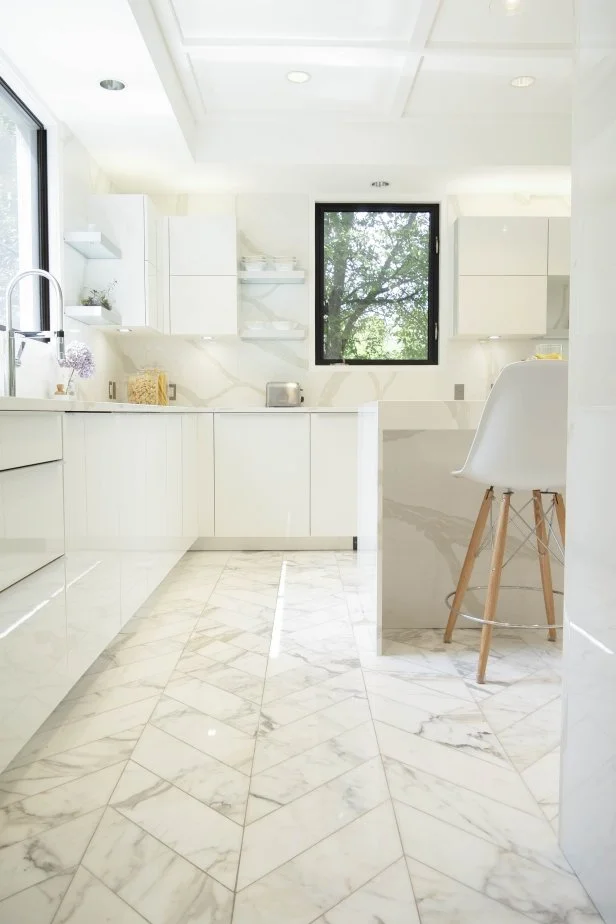
| Tile | $5 – $10 | High |
| Hardwood | $6 – $12 | High |
Aesthetic Preferences
Your kitchen floor should match your style and the room’s design. Color and texture affect the look.
- Light colors make the space look bigger
- Dark floors hide stains well
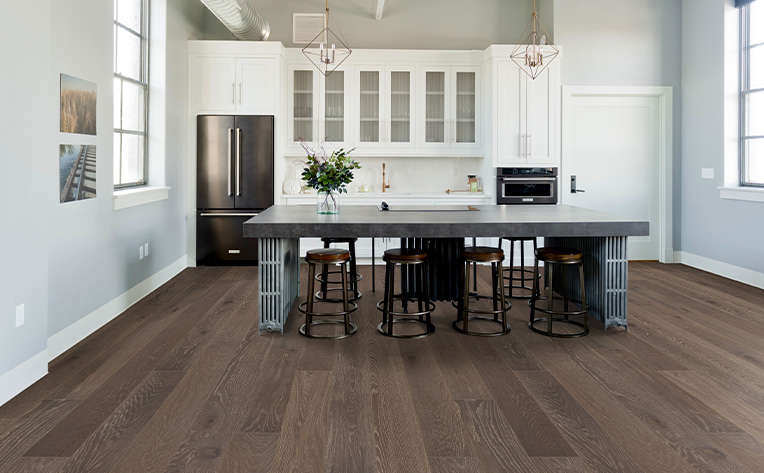
- Wood-look floors add warmth
- Glossy floors reflect light for brightness
Maintenance Requirements
Think about how much effort you want to spend cleaning your floor. Some floors need more care than others.
Maintenance tips for common flooring types:
- Vinyl:Wipe spills quickly, mop with mild cleaner.
- Tile:Clean grout regularly, avoid harsh chemicals.
- Hardwood:Use wood cleaner, avoid water pooling.
- Laminate:Dry mop, avoid abrasive tools.
Credit: www.flooringcanada.ca
Material Options
Choosing the right kitchen flooring material is key to lasting durability. The floor must handle spills, heavy use, and cleaning without damage.
Here are popular materials to consider for a strong kitchen floor that lasts.
Ceramic Tile
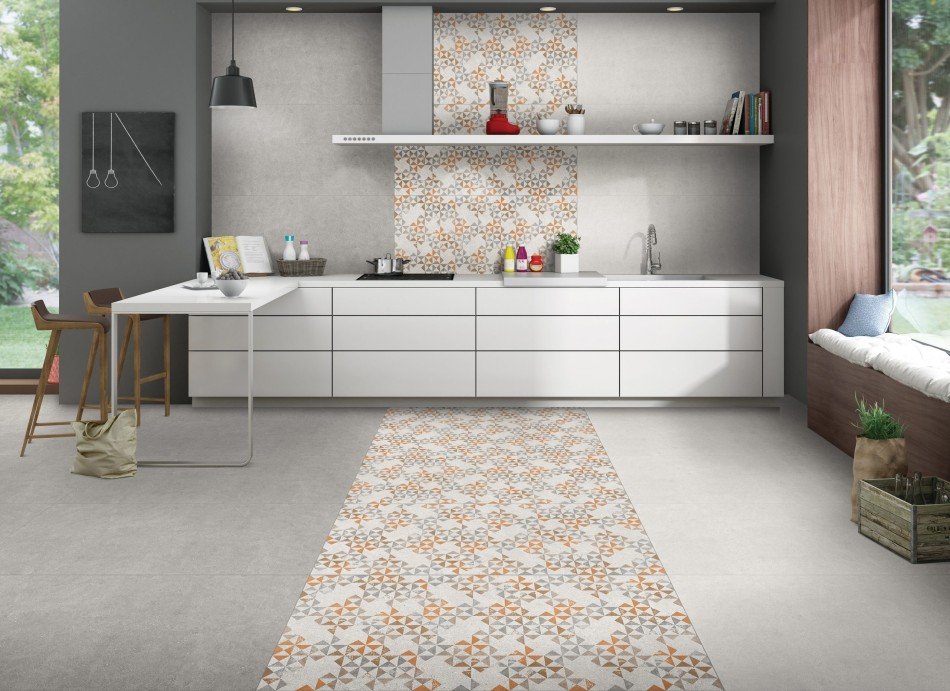
Ceramic tile is a tough choice for kitchen floors. It resists water and stains well. Tiles come in many colors and patterns to fit any style.
- Very hard and durable surface
- Easy to clean with water and soap
- Can crack if heavy objects fall on it
- Grout lines need regular sealing to avoid stains
Vinyl Flooring
Vinyl flooring is soft underfoot and resists water well. It is less likely to chip or crack than ceramic. It comes in sheets, tiles, or planks.
| Type | Durability | Water Resistance | Maintenance |
| Sheet Vinyl | Good | Excellent | Easy |
| Vinyl Tiles | Moderate | Good | Moderate |
| Luxury Vinyl Planks | Very Good | Excellent | Easy |
Hardwood Choices
Hardwood floors add warmth and style to kitchens. They can last for many years if cared for properly. Some woods handle moisture better than others.
Here are common hardwood types ranked by moisture resistance:
- Teak – Very high moisture resistance
- White Oak – High moisture resistance
- Maple – Moderate moisture resistance
- Cherry – Lower moisture resistance
Durability Features
Choosing kitchen flooring means thinking about how long it lasts. Durable floors save money and time.
Durability depends on many features. Look for water resistance, scratch resilience, and stain resistance.
Water Resistance
Kitchen floors face spills and splashes often. Water-resistant floors stop damage and warping.
Materials like vinyl, tile, and sealed hardwood resist water well. Avoid floors that soak up moisture.
- Prevents swelling and buckling
- Reduces mold and mildew growth
- Makes cleaning spills easier
Scratch Resilience
Kitchen floors see heavy foot traffic and dropped items. Scratches can make floors look old fast.
Choose materials that resist scratches like laminate, tile, or hard woods with tough finishes.
- Maintains floor appearance longer
- Reduces repair and replacement costs
- Handles pet claws and moving furniture
Stain Resistance
Kitchen spills from food and drinks can stain floors. Stain-resistant floors keep the kitchen clean.
Materials like ceramic tile, sealed stone, and vinyl resist stains and allow easy cleaning.
- Prevents permanent marks
- Keeps floor color bright
- Makes maintenance quick and simple
Installation Methods
Selecting the right kitchen flooring means thinking about how it will be installed. The method you choose affects the floor’s durability and appearance.
This guide covers key installation methods. You will learn about professional installation, DIY options, and the cost factors involved.
Professional Installation
Professional installers have the tools and skills for a strong kitchen floor. They prepare the surface well and fit the materials tightly. This reduces the chance of damage over time.
- Ensures even and secure flooring
- Handles difficult layouts and cuts
- Provides warranty on work
- Uses industry-grade adhesives and nails
Diy Approaches
Many homeowners choose to install kitchen floors themselves. This saves money but needs careful planning and patience. Simple materials like vinyl or laminate are easier for DIY.
| Material | Ease of DIY | Tools Needed |
| Vinyl | Easy | Utility knife, tape measure |
| Laminate | Moderate | Saw, spacers, tapping block |
| Tile | Hard | Trowel, spacers, grout float |
| Hardwood | Hard | Nail gun, saw, sander |
Cost Implications
Installation costs vary by method and material. Professional work costs more but may save money long-term by avoiding mistakes.
- DIY reduces labor costs
- Professional installation includes materials and labor
- Complex floor shapes increase cost
- Some materials require special tools or adhesives
Trends In Kitchen Flooring
Choosing the right kitchen flooring is important for durability and style. New trends show many options that last long and look good.
Modern kitchens use materials and designs that fit today’s homes. Let’s explore popular trends in kitchen flooring.
Sustainable Materials
Many people want eco-friendly flooring in their kitchens. Sustainable materials reduce waste and use natural resources wisely.
Bamboo and cork are popular choices because they grow fast and feel warm underfoot. Recycled tiles also help lower environmental impact.
- Bamboo: fast-growing, strong, and renewable
- Cork: soft, natural, and insulating
- Recycled tiles: made from broken ceramics or glass
- Linoleum: made from natural oils and resins
Innovative Designs
Kitchen flooring today often includes creative patterns and textures. These designs add character and make kitchens stand out.
Mixing different materials or shapes creates unique looks. Some floors imitate wood, stone, or concrete with modern technology.
- Geometric patterns add style and depth
- Mixed materials combine durability and beauty
- Textured surfaces improve grip and safety
- Wood-look tiles offer natural feel with strength
Color Trends
Colors in kitchen flooring can change the room’s mood. Light shades make kitchens look bigger and brighter.
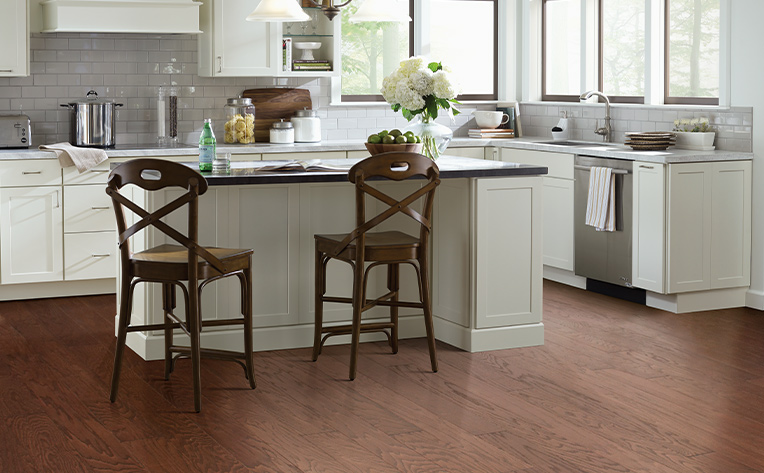
Dark floors add warmth and hide dirt well. Neutral tones remain popular for their timeless appeal.
- Light grays and whites brighten space
- Warm browns create cozy atmosphere
- Soft greens and blues add calmness
- Neutral beige fits many kitchen styles
Credit: www.flooringamerica.com
Expert Recommendations
Choosing kitchen flooring is important for a durable and beautiful space. Durable floors save money and keep your kitchen safe.
Experts suggest thinking about daily use, moisture, and cleaning needs before picking flooring.
Common Pitfalls
Many people pick flooring that looks good but wears out fast. Kitchens face spills, drops, and heavy foot traffic.
Ignoring moisture resistance or slip safety causes problems later. Some floors crack or stain easily.
- Choosing soft materials that dent or scratch quickly
- Ignoring water or stain resistance
- Picking slippery surfaces that cause falls
- Overlooking ease of cleaning and maintenance
Long-term Considerations
Durable floors last many years without costly repairs. Think about how floors hold up to daily wear and moisture.
Consider the flooring’s warranty, maintenance needs, and how it handles kitchen humidity and spills.
- Look for scratch, stain, and water resistance
- Check manufacturer warranties and reviews
- Choose materials that clean easily with mild products
- Think about how flooring reacts to heat and cold
Balancing Style And Function
Your kitchen floor should look nice and work well. Durable floors come in many styles and colors.
Pick a floor that fits your kitchen’s design and handles daily use. Avoid materials that sacrifice function for style.
- Choose colors and patterns that hide dirt and stains
- Use non-slip textures for safety
- Match flooring style to kitchen theme for harmony
- Consider combining materials for both beauty and strength
Frequently Asked Questions
What Is The Most Durable Kitchen Flooring Material?
Porcelain tile is the most durable kitchen flooring. It resists scratches, stains, and moisture. It also lasts for decades with minimal maintenance.
How To Choose Kitchen Flooring For Heavy Foot Traffic?
Select flooring like vinyl or ceramic tile. These materials withstand heavy foot traffic and are easy to clean. They maintain appearance longer in busy kitchens.
Are Hardwood Floors Durable For Kitchens?
Hardwood floors can be durable if properly sealed. They resist wear but may scratch or stain. Regular maintenance extends their lifespan in kitchens.
Does Kitchen Flooring Durability Depend On Moisture Resistance?
Yes, moisture resistance greatly affects durability. Water spills are common, so choose materials like tile or vinyl that resist water damage.
Conclusion
Choosing kitchen flooring takes thought and care. Durable floors save money and time. Think about water resistance, scratch toughness, and ease of cleaning. Match your style with practical options like tile, vinyl, or hardwood. Test samples at home to see what fits best.
A strong floor makes your kitchen safer and more beautiful. Invest in quality now to enjoy lasting comfort. Your kitchen deserves floors that work hard and look great. Simple choices lead to big benefits every day.