
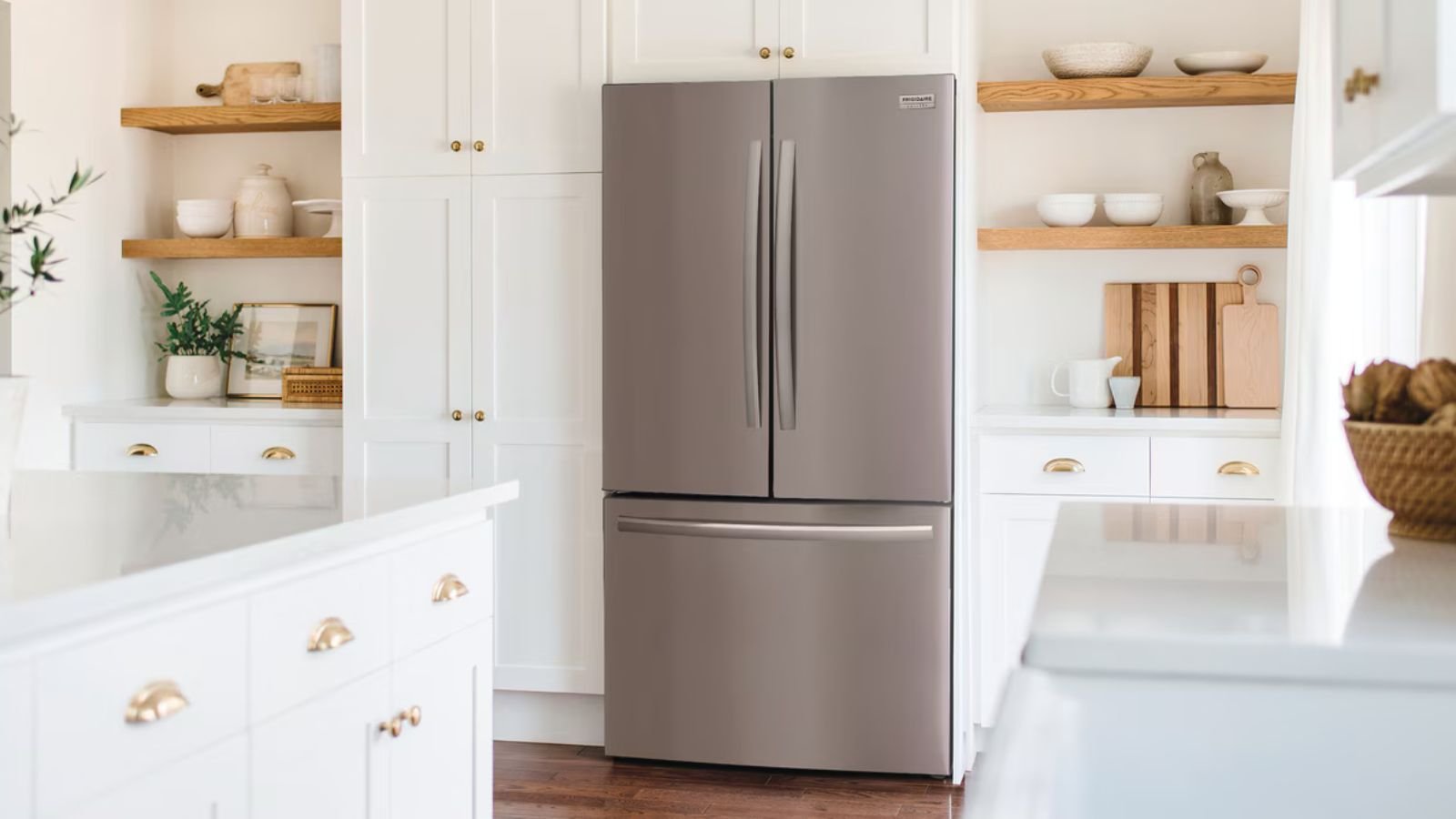
Are you looking to cut down your electricity bills while making your kitchen more eco-friendly? Choosing the right energy-saving kitchen appliances can make a big difference, but with so many options out there, it’s easy to feel overwhelmed.
This guide will help you understand what to look for, so you can pick appliances that save energy, reduce costs, and still fit your lifestyle perfectly. Keep reading, and you’ll discover simple tips that will turn your kitchen into a smart, efficient space.

Credit: www.youtube.com
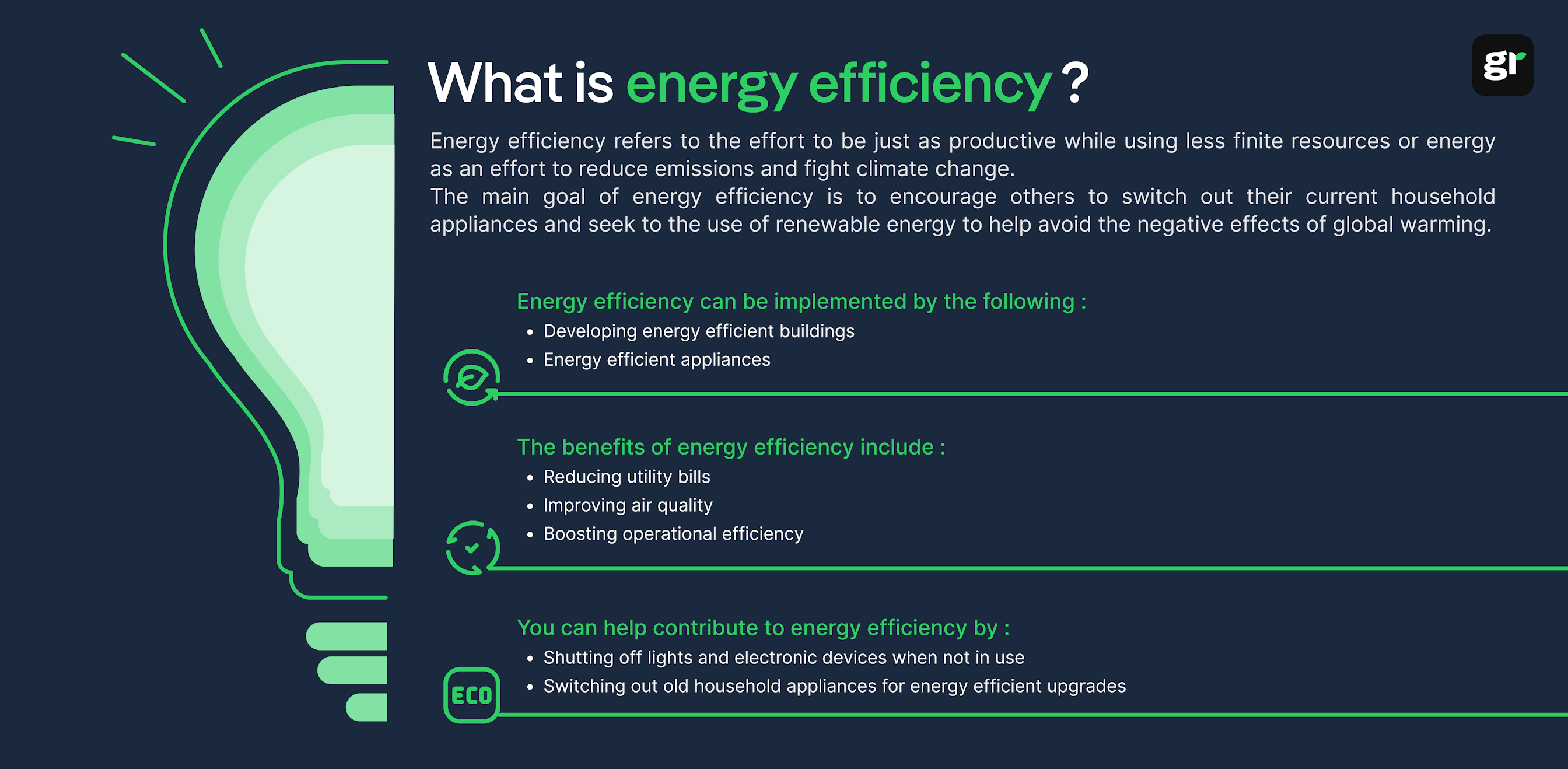
Benefits Of Energy-saving Appliances
Energy-saving appliances help reduce electricity use in your home. They are designed to work efficiently without wasting energy.
These appliances can save you money and help protect the environment. Let’s explore how they can benefit you.
Lower Utility Bills
Energy-saving appliances use less electricity. This means your monthly utility bills will be lower. You can save money over time by using these efficient appliances.
- Less energy used means less money spent
- Helps manage household budget better
- Reduces the risk of high bills
Environmental Impact
These appliances are better for the planet. They help reduce pollution and conserve natural resources. Using them contributes to a cleaner and healthier environment.
By choosing energy-efficient appliances, you help lower carbon emissions. This is important for fighting climate change and protecting wildlife.
Enhanced Appliance Lifespan
Energy-saving appliances often last longer. They are built with advanced technology that reduces wear and tear. This means you won’t need to replace them as often.
- Less frequent replacements needed
- Saves money in the long run
- Less waste produced over time
Key Features To Look For
Selecting energy-saving kitchen appliances helps reduce electricity use. It saves money and protects the environment.
Look for certain features that show an appliance uses less energy. These features guide you to make smart choices.
Energy Star Certification
Energy Star is a label for energy-efficient appliances. It means the product meets strict energy-saving rules.
Choosing appliances with this label ensures lower electricity bills. It also means less harm to the planet.
- Certified products use less energy than regular models
- They meet government energy efficiency standards
- Energy Star appliances often have better performance
Smart Technology Integration
Smart kitchen appliances connect to Wi-Fi or apps. They offer better control and can save energy automatically.
These appliances adjust settings based on use. They can turn off when not needed or run at energy-saving modes.
- Remote control via smartphone apps
- Energy use monitoring and alerts
- Automatic power-saving functions
Energy Efficiency Ratings
Energy efficiency ratings show how much energy an appliance uses. Higher ratings mean less power consumption.
Check labels or tags for these ratings. They help compare different models and pick the most efficient one.
| Rating | Energy Use | Cost Impact |
|---|---|---|
| High | Low | Lower bills |
| Medium | Moderate | Average bills |
| Low | High | Higher bills |
Choosing The Right Appliance Type
Selecting energy-saving kitchen appliances helps reduce electricity use. It also lowers monthly bills and helps the environment.
Focus on the type of appliance you need. Different appliances use energy in different ways. Choose the best type for your kitchen and lifestyle.
Refrigerators
Refrigerators run all day, so they use a lot of energy. Look for models with good insulation and efficient compressors.
Energy Star certified refrigerators use less power. Choose a size that fits your household to avoid extra energy waste.
- Pick a fridge with adjustable temperature controls
- Look for LED lighting inside the fridge
- Choose a model with a high energy efficiency rating
- Avoid very large fridges if you don’t need the space
Dishwashers
Dishwashers use energy for water heating and running the motor. Choose models with energy-saving wash cycles.
Look for dishwashers that use less water and have good drying options. These features save electricity and water.
- Choose a dishwasher with Energy Star certification
- Look for eco or water-saving modes
- Consider models with soil sensors to adjust cycle length
- Pick a size that matches your dishwashing needs
Ovens And Cooktops
Ovens and cooktops use a lot of energy to heat food. Electric induction cooktops are more efficient than traditional ones.
Choose ovens with good insulation and quick preheat features. This reduces the time and energy used while cooking.
- Consider induction cooktops for faster, efficient cooking
- Look for ovens with self-cleaning and convection options
- Choose models with precise temperature control
- Pick the right size oven for your cooking needs
Credit: greenly.earth
Size And Capacity Considerations
Choosing energy-saving kitchen appliances means thinking about size and capacity. These factors affect how well the appliance fits your home and saves energy.
Picking the right size helps avoid wasting energy on appliances that are too big or too small for your needs.
Matching Household Needs
Select appliances that match the number of people in your home. Larger families often need bigger capacity to cook and store food.
Using an appliance that fits your household size helps reduce energy waste and improves efficiency.
- Small households: compact appliances save space and energy
- Medium households: mid-sized options balance capacity and use
- Large households: full-size appliances meet higher demands
Space Constraints
Check the space where you will place the appliance. Measure width, height, and depth before buying.
Choosing appliances that fit your kitchen layout prevents energy loss from poor ventilation or overuse.
- Measure your kitchen space carefully
- Leave room for air flow around appliances
- Consider built-in models to save floor space
Optimal Capacity For Efficiency
Appliances work best when used near their capacity. Too large or too small units use more energy than needed.
Choose capacity based on your typical usage to keep energy use low and performance high.
- Full loads in dishwashers and washing machines save energy
- Refrigerators sized to food storage needs avoid excess cooling
- Ovens and microwaves should suit your cooking habits
Smart Usage Tips
Choosing energy-saving kitchen appliances is important for saving money and protecting the environment. Using these appliances smartly helps you get the most out of them.
Here are some tips on how to use your kitchen appliances efficiently and reduce energy waste.
Proper Maintenance
Keep your appliances clean and well-maintained. Dirt and wear can make them work harder and use more energy.
Regular checks help find problems early and keep appliances running smoothly for longer.
- Clean refrigerator coils to improve cooling
- Replace oven seals if they are damaged
- Defrost freezers regularly to avoid ice buildup
- Check and clean dishwasher filters often
Energy-efficient Cooking Practices
Use your kitchen appliances in ways that save energy during cooking. Small changes can reduce power use.
Choose the right appliance and cooking method for the food you prepare.
- Use lids on pots to cook faster and save heat
- Match pot size to burner size to avoid waste
- Use microwaves or toaster ovens for small meals
- Cook multiple items together to save oven time
Using Appliance Timers And Modes
Many modern appliances have timers and energy-saving modes. Use these features to reduce power use.
Timers help avoid running appliances longer than needed. Energy modes optimize performance with less electricity.
- Set dishwasher timers to run during off-peak hours
- Use oven preheat timers to avoid unnecessary heat
- Choose eco or energy-saving modes when available
- Turn off appliances immediately after use
Credit: www.kitchenaid.com
Budgeting For Energy-saving Appliances
Choosing energy-saving kitchen appliances helps reduce electricity bills. Planning your budget is important to make smart choices.
This guide explains how to balance costs with benefits when buying these appliances.
Initial Cost Vs Long-term Savings
Energy-saving appliances often cost more at first. They use less power and save money over time.
Think about how long you will use the appliance. The savings on your energy bill add up each month.
- Higher price at purchase
- Lower electricity costs monthly
- Savings increase over years of use
- Better for the environment
Available Rebates And Incentives
Many local governments offer rebates to lower the cost of energy-saving appliances. Check for programs in your area.
Incentives can include cash back or tax credits. These reduce your upfront cost and make buying easier.
- Check government websites for rebate details
- Look for utility company offers
- Save receipts to claim incentives
- Ask sellers about available discounts
Cost-effective Brands And Models
Some brands offer good energy-saving features at lower prices. Research models with high energy ratings and affordable costs.
Compare products by price, energy use, and customer reviews to find the best fit for your budget.
| Brand | Model | Energy Rating | Price Range |
|---|---|---|---|
| Brand A | Model X | A++ | $$ |
| Brand B | Model Y | A+ | $ |
| Brand C | Model Z | A++ | $$$ |
Frequently Asked Questions
What Are The Top Energy-saving Kitchen Appliances?
Top energy-saving appliances include refrigerators, dishwashers, ovens, and microwaves with Energy Star ratings. These use less electricity and reduce utility bills.
How To Identify Energy-efficient Kitchen Appliances?
Look for the Energy Star label and check the appliance’s energy guide. These indicate lower energy consumption and better efficiency.
Does Size Affect Energy Consumption In Kitchen Appliances?
Yes, larger appliances typically use more energy. Choose a size that fits your needs to avoid unnecessary power use.
Are Induction Cooktops More Energy-efficient?
Induction cooktops use magnetic energy to heat faster and waste less heat, making them more efficient than traditional electric or gas stoves.
Conclusion
Choosing energy-saving kitchen appliances helps cut bills and protect nature. Check labels for energy ratings before buying. Think about size and features that fit your needs. Small changes in the kitchen can save a lot of power. Saving energy also means less waste and a cleaner home.
Take your time to compare options and make smart choices. Your kitchen can be both efficient and comfortable. Start today for a better, greener future.