
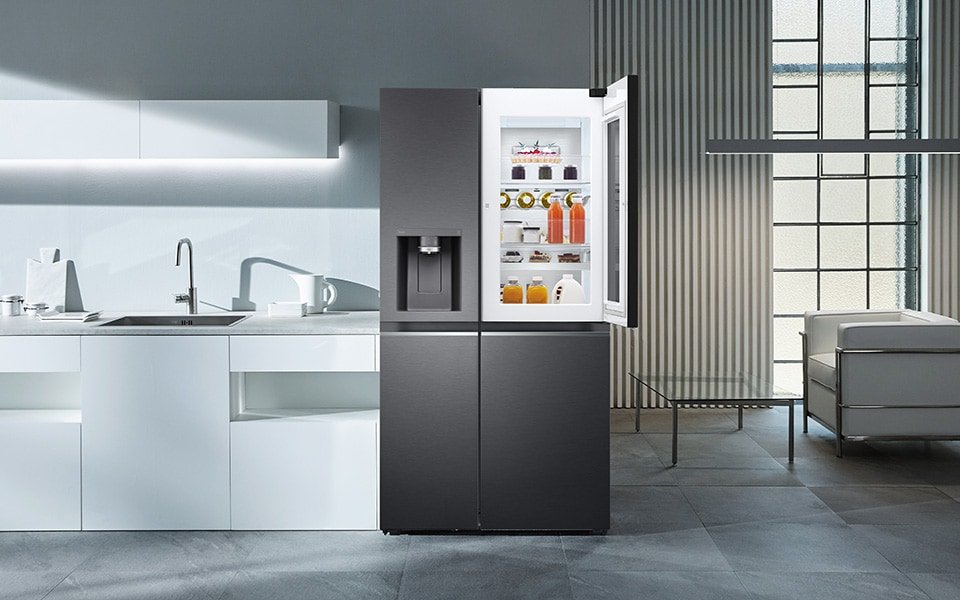
Choosing the right fridge can save you a lot of money on your energy bills and help protect the environment. But with so many options out there, how do you know which one truly saves energy?
You want a fridge that keeps your food fresh without wasting power or driving up costs. You’ll discover simple, practical tips to pick an energy-saving fridge that fits your needs and budget. Keep reading to learn how to make a smart choice that benefits both your home and the planet.
Benefits Of Energy-saving Fridges
Energy-saving fridges help reduce electricity use. They are better for the environment and your wallet.
These fridges last longer and perform better. Choosing the right one is important.
Lower Electricity Bills
Energy-saving fridges use less power. This means you pay less for electricity each month.
These fridges are designed to be efficient. They help keep your energy costs low.
- Reduced monthly electricity expenses
- Efficient power use saves money
- Lower energy consumption
Reduced Environmental Impact
Energy-saving fridges are better for the planet. They use fewer resources and produce less waste.
Choosing these fridges helps protect the environment. It is a simple way to make a difference.
- Less pollution from energy production
- Conserves natural resources
- Helps reduce carbon footprint
Enhanced Appliance Longevity
Energy-saving fridges often last longer. They are built with high-quality parts.
This means fewer repairs and replacements. You save money over time.
- Durable and reliable appliances
- Fewer breakdowns and repairs
- Long-term cost savings
Credit: www.homesandgardens.com
Key Features To Look For
Choosing an energy-saving fridge helps reduce electricity bills. It also lowers your home’s impact on the environment.
Look for specific features that show how well the fridge saves energy. These features affect performance and cost.
Energy Star Ratings
Energy Star ratings show how energy efficient a fridge is. A higher rating means less power use and better savings.
Always check for the Energy Star label. It means the fridge meets strict energy efficiency rules.
- Look for fridges with the Energy Star logo
- Check the estimated yearly energy use on the label
- Choose models that use less electricity than standard ones
Compressor Types
The compressor controls how the fridge cools inside. Different types use energy in different ways.
Inverter compressors adjust speed to save power. Traditional compressors run at full speed and use more energy.
- Inverter compressors are more energy efficient
- Traditional compressors may cause temperature swings
- Look for quiet operation and steady cooling
Insulation Quality
Good insulation keeps cold air inside the fridge. This lowers the work the compressor must do.
Thicker, high-quality insulation helps maintain a steady temperature. It reduces energy use and keeps food fresh longer.
- Check for thick walls and door seals
- Look for modern insulation materials like foam
- Ensure doors close tightly without gaps
Temperature Control Options
Good temperature controls help keep the fridge at the right coolness. This prevents energy waste.
Digital controls or thermostats allow precise adjustments. Some fridges have separate zones for different foods.
- Look for easy-to-use temperature settings
- Separate controls for fridge and freezer are best
- Smart sensors adjust cooling based on usage
Types Of Energy-efficient Fridges
Choosing an energy-saving fridge helps reduce electricity bills. It also lowers your home’s carbon footprint.
Energy-efficient fridges come in different styles. Each style has unique features and uses energy differently.
Top Freezer Models
Top freezer fridges have the freezer compartment above the fridge section. They are simple and cost-effective.
These models use less energy because cold air flows down naturally. They are usually smaller and fit well in tight spaces.
- Easy to find items in the fridge section
- Lower energy use due to natural cold air flow
- Usually more affordable than other styles
Bottom Freezer Models
Bottom freezer fridges have the freezer below the fridge. The fridge part is at eye level for easy access.
This style saves energy by keeping the fridge door open less. Cold air stays longer in the freezer because it is at the bottom.
- Fridge section easier to reach
- Efficient cold air circulation
- Good for families who use fresh food more
Side-by-side Models
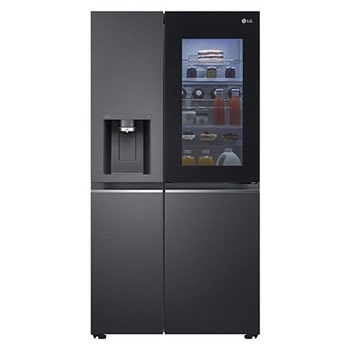
Side-by-side fridges have the freezer and fridge next to each other. Doors open from the middle.
These models offer organized storage and easy access to both sections. They use moderate energy but can be larger in size.
- Good for narrow kitchens
- Separate compartments reduce cold air loss
- Often come with water and ice dispensers
French Door Models
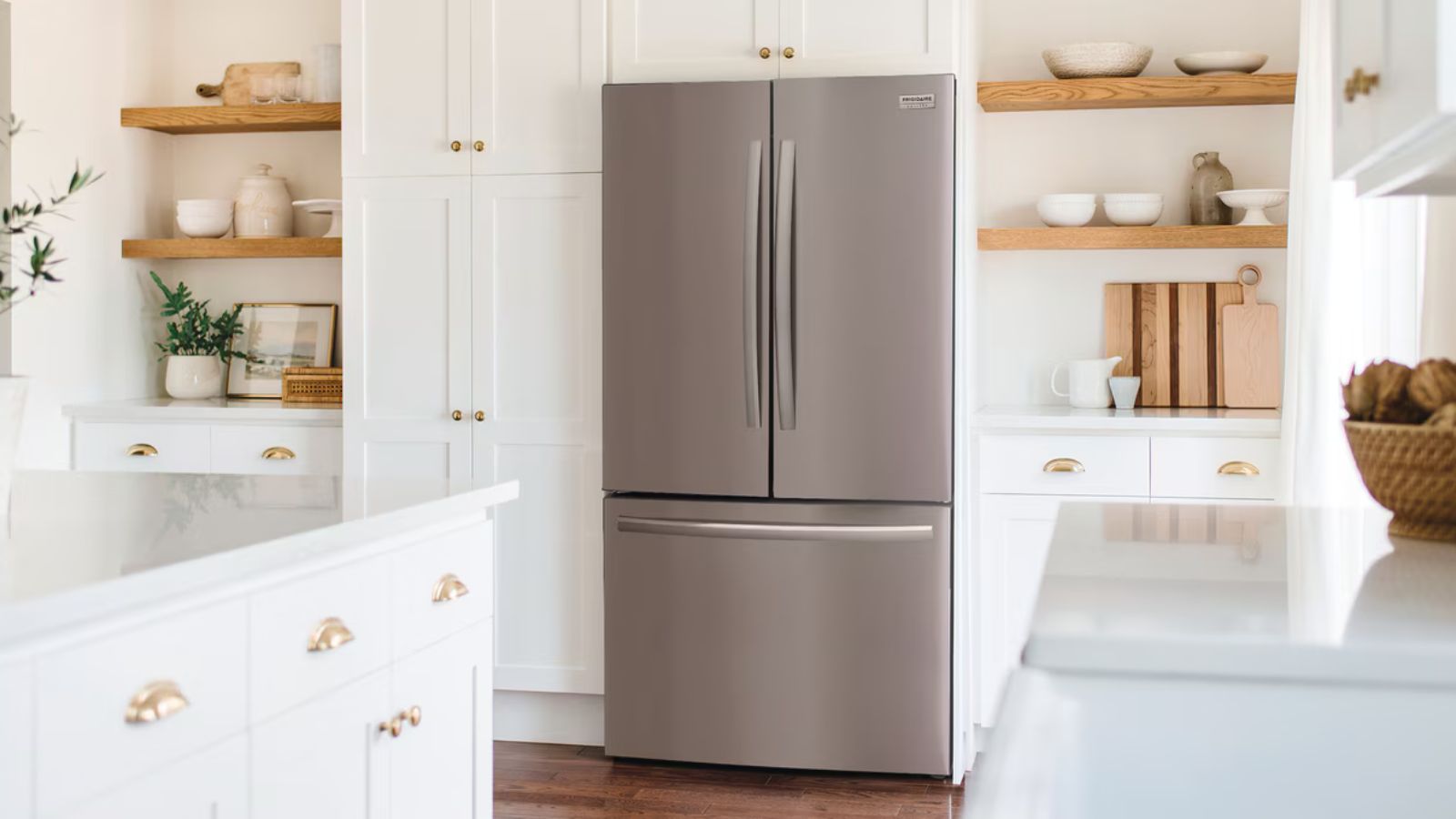
French door fridges have two fridge doors on top and a freezer drawer below. They provide wide shelves and easy access.
These fridges keep cold air better and save energy. They are large but designed to reduce energy waste with smart compartments.
- Wide shelves for big items
- Energy-saving freezer drawer
- Separate compartments help keep temperature steady
Size And Capacity Considerations
Choosing the right size and capacity for an energy-saving fridge is important. It helps save energy and fits your needs.
A fridge that is too big wastes energy. One that is too small may not store enough food.
Assessing Household Needs
Think about how many people live in your home. More people usually mean a bigger fridge.
Also, consider your cooking and shopping habits. If you buy food in bulk, you need more space.
- Small households may need 4 to 8 cubic feet
- Medium families might choose 10 to 18 cubic feet
- Larger families often require 20 cubic feet or more
Balancing Space And Efficiency
Pick a fridge size that fits your kitchen space comfortably. Avoid cramping the room or blocking doors.
Energy-efficient models use less power even if they are bigger. Check the energy rating before buying.
- Measure your kitchen space before choosing a fridge
- Look for fridges with good energy star ratings
- Choose a size that meets your needs without extra space
Smart Features For Energy Savings
Energy-saving fridges use smart features to reduce power use. These features help keep your food fresh while saving electricity.
Choosing a fridge with smart technology can lower your energy bills. It also helps protect the environment.
Adaptive Defrost Systems
Adaptive defrost systems stop the fridge from running the defrost cycle too often. They use sensors to check frost levels and temperature.
This feature saves energy by only defrosting when needed. It also keeps food fresher by maintaining a steady temperature.
Door Alarms And Sensors
Door alarms alert you if the fridge door stays open too long. Sensors can detect if the door is not closed properly.
These features prevent cold air from escaping. This helps the fridge use less energy to stay cool.
- Alerts reduce energy loss
- Keep food fresh longer
- Help avoid costly repairs
Wi-fi Connectivity And Apps
Wi-Fi allows you to control your fridge remotely using apps. You can check temperature or change settings from your phone.
Apps also send alerts for maintenance or if the door is left open. This helps you save energy and avoid food spoilage.
Credit: www.lg.com
Comparing Brands And Models
Choosing an energy-saving fridge means looking at many options. Comparing brands and models helps you find the best fit.
Look at key features like energy use, size, and design to make a smart choice.
Reputation And Reviews
Check the brand’s reputation to know if it makes reliable fridges. Good brands often produce energy-saving models that last long.
Read customer reviews to see real experiences. Reviews show how well the fridge saves energy and works daily.
- Look for consistent positive feedback
- Watch for common problems mentioned
- Compare reviews across different sites
Warranty And Support
A good warranty protects you from defects and repairs. Check how long the warranty lasts and what it covers.
Strong customer support helps if you have questions or issues. Choose brands with easy-to-reach service teams.
- Look for at least one year warranty
- Check if parts and labor are included
- Find brands with good customer service ratings
Price Vs. Long-term Savings
Energy-saving fridges may cost more upfront. Compare prices to see if the extra cost fits your budget.
Think about how much money you save on electricity over time. A fridge with low energy use can lower bills.
| Price Range | Energy Efficiency | Expected Savings |
|---|---|---|
| Low | Moderate | Small savings over years |
| Medium | High | Good savings in 3-5 years |
| High | Very High | Best savings over time |
Maintenance Tips For Efficiency
Keeping your energy-saving fridge efficient saves electricity and money. Regular care helps the fridge work well longer.
Follow simple maintenance steps to keep your fridge running at its best. These tips are easy to do at home.
Regular Cleaning
Clean your fridge inside and out often. Dust and dirt can make it use more energy.
Remove food spills quickly. Clean shelves and door seals to stop bad smells and mold.
- Wipe shelves and drawers with mild soap and water
- Clean the condenser coils twice a year
- Check and remove dust from vents and fans
Proper Door Sealing
Make sure the fridge doors close tightly. Leaky seals let cold air escape and use more power.
Check the door seals for cracks or dirt. Clean them regularly and replace if worn out.
- Wipe seals with warm, soapy water to remove dirt
- Test seals by closing the door on a piece of paper
- Replace seals if the paper slips out easily
Optimal Temperature Settings
Set your fridge and freezer to the right temperatures. This keeps food fresh and saves energy.
Keep the fridge temperature between 37°F and 40°F (3°C to 4°C). Set the freezer at 0°F (-18°C).
- Use a fridge thermometer to check the temperature
- Adjust settings if the fridge is too cold or warm
- Avoid frequent temperature changes to save energy
Credit: www.lg.com
Incentives And Rebates
Buying an energy-saving fridge can help you save money on electricity. Many programs offer incentives and rebates to lower the cost of these fridges.
These offers come from different sources like the government, utility companies, and manufacturers. They make energy-efficient fridges more affordable.
Government Programs
Government programs support buying energy-saving appliances. They offer rebates or tax credits to reduce your purchase price.
These programs vary by location. Check your local government websites to see what is available near you.
- Federal tax credits for energy-efficient appliances
- State rebates for ENERGY STAR certified fridges
- Local government grants or discount programs
Utility Company Offers
Utility companies often give discounts or rebates to customers who buy energy-saving fridges. These help reduce electricity demand.
Offers differ by utility company and region. Contact your power provider to learn about current rebates and programs.
- Instant rebates at local stores
- Mail-in rebates after purchase
- Energy audits with appliance discounts
Manufacturer Discounts
Some manufacturers give discounts on energy-efficient fridges. These can be special sales or seasonal offers.
Look for promotions on ENERGY STAR models. Buying during sales can lower your cost even more.
- Limited-time price reductions
- Bundle deals with other appliances
- Manufacturer rebates mailed after purchase
Frequently Asked Questions
What Features Make A Fridge Energy-saving?
Energy-saving fridges have high Energy Star ratings, efficient compressors, LED lighting, and advanced insulation. These features reduce electricity use and lower utility bills.
How To Compare Energy Efficiency In Fridges?
Check the EnergyGuide label for yearly energy consumption. Compare kWh ratings and pick models with lower values for better efficiency.
Does Fridge Size Affect Energy Consumption?
Yes, larger fridges generally use more energy. Choose a size that fits your needs to avoid wasting power and money.
How Often Should Energy-saving Fridges Be Serviced?
Annual maintenance, like cleaning coils and door seals, keeps fridges running efficiently and extends their lifespan.
Conclusion
Choosing an energy-saving fridge helps save money and the environment. Check the energy label and size that fits your needs. Pick a model with good insulation and efficient cooling. Don’t forget to consider noise levels and extra features carefully. Small changes can make a big difference in your energy bills.
Start with these tips to find a fridge that works best for you. Save energy, reduce costs, and enjoy fresh food longer. Simple steps lead to smart choices.