
Choosing the right stovetop can save you money and make your kitchen more eco-friendly. But with so many options out there, how do you pick one that uses energy wisely?
You want a stovetop that cooks your meals quickly without wasting power or increasing your bills. You’ll discover simple tips to help you select an energy-efficient stovetop that fits your needs and lifestyle. Keep reading, and you’ll learn how to make a smart choice that benefits both your wallet and the planet.
Credit: palmetto.com
Benefits Of Energy-efficient Stovetops
Energy-efficient stovetops are becoming popular in many homes. They save energy and offer several benefits to users.
These stovetops are designed to use less power. This makes them a smart choice for families who want to cut costs and help the environment.
Lower Energy Bills
Using an energy-efficient stovetop can lead to lower energy bills. These stovetops use less electricity or gas.
This means that you spend less money on your energy bills each month. Saving money on energy is a big benefit for families.
Environmental Impact
Energy-efficient stovetops are better for the environment. They use less energy and produce fewer emissions.
This helps reduce air pollution and conserves natural resources. Choosing energy-efficient appliances supports a healthier planet.
Improved Cooking Performance
Energy-efficient stovetops often heat faster and more evenly. This makes cooking easier and more enjoyable.
They provide better temperature control, leading to better-cooked meals. This can improve your cooking experience at home.
- Even heat distribution for consistent cooking
- Faster heating reduces cooking time
- Better temperature control for precision
Types Of Energy-efficient Stovetops
Choosing the right stovetop helps save energy and lowers bills. Different types use energy in various ways.
Here are common energy-efficient stovetops and how they work to save power.
Induction Cooktops
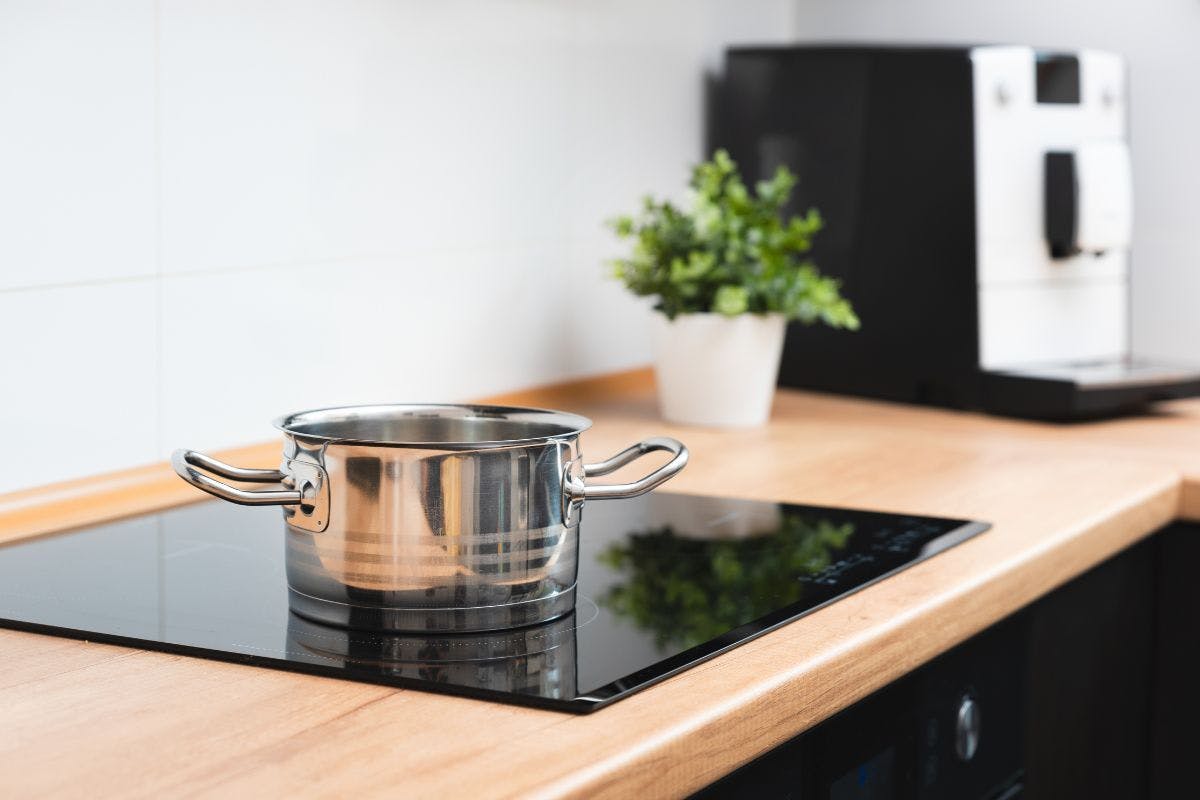
Induction cooktops use magnetic fields to heat pots directly. This method wastes less heat than other stovetops.
They heat food quickly and cool down fast after use. This helps save electricity and keeps kitchens cooler.
- Heat transfers directly to the cookware
- Less energy loss compared to gas or electric
- Faster cooking times reduce energy use
- Cool surface reduces heat waste
Gas Stovetops With Efficiency Features
Modern gas stovetops include features to improve fuel use. These can help reduce wasted gas and heat.
Features like sealed burners and precise flame controls increase cooking efficiency and safety.
- Sealed burners prevent heat loss
- Flame failure devices avoid gas leaks
- Adjustable flame size matches pot size
- Some models include simmer burners for low heat
Electric Coil And Radiant Stovetops
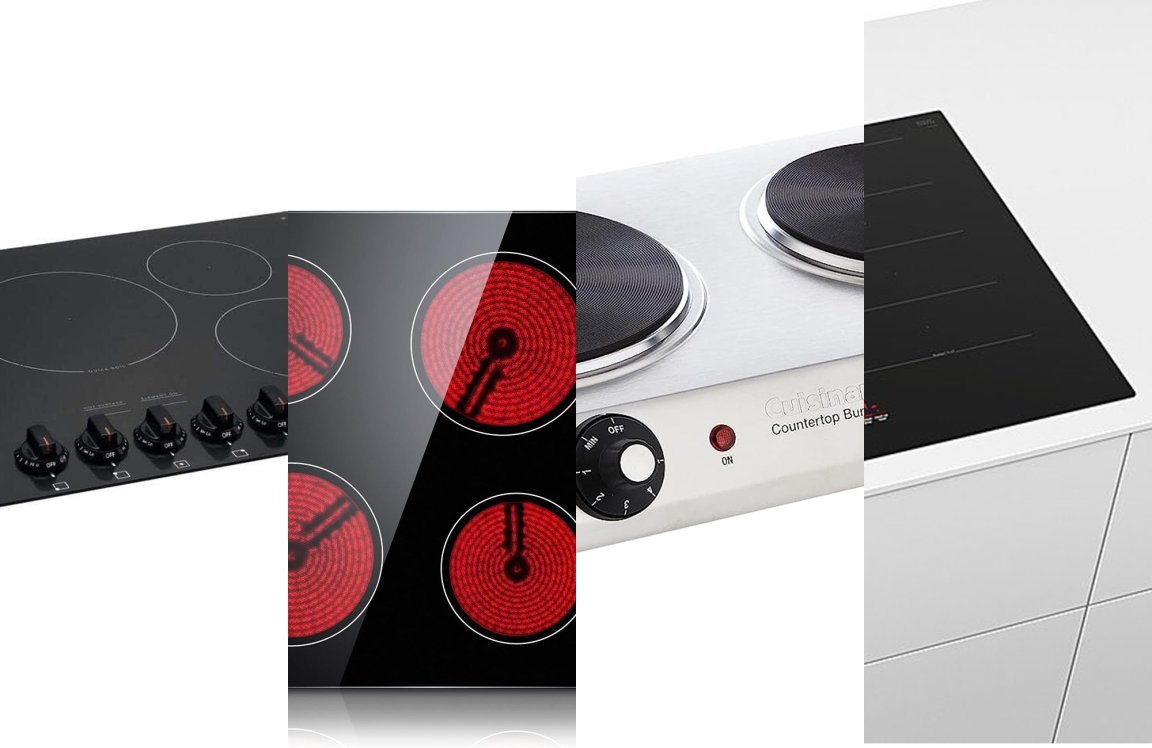
Electric coil and radiant stovetops use electricity to heat metal coils or glass surfaces. They are less efficient than induction.
Some newer models have better insulation and faster heating elements to reduce energy waste.
- Coils heat pots directly but lose some heat
- Radiant stovetops use smooth glass surfaces
- Good insulation keeps heat focused on cookware
- Some have quick heat-up features for savings
Key Features To Consider
Selecting an energy-efficient stovetop helps save money and protect the environment. It also improves your cooking experience.
Look at important features before buying. This guide explains what to check for in energy-efficient stovetops.
Power Consumption
Check the stovetop’s power use to find an energy-saving model. Lower wattage means less electricity used.
Induction stovetops often use power more efficiently than gas or electric coil models.
- Look for Energy Star ratings
- Compare wattage levels
- Choose models with automatic shut-off
Heat Distribution
Good heat distribution cooks food evenly and quickly. This reduces cooking time and saves energy.
Stovetops with multiple heating zones offer better heat control and efficiency.
- Check for even heating tests
- Choose models with flat, smooth surfaces
- Consider induction stovetops for quick heat changes
Control Options
Easy-to-use controls help you save energy by adjusting heat precisely. Look for digital or touch controls.
Some stovetops have timers and sensors to avoid wasting power.
- Choose models with clear temperature settings
- Look for timer functions
- Consider smart controls for better energy use
Safety Features
Safety features protect your home and save energy by preventing accidents. They also help avoid energy waste.
Look for automatic shut-off, child locks, and overheat protection.
- Automatic shut-off after inactivity
- Child lock to prevent accidental use
- Overheat sensors to stop extra power use
Size And Design Factors
Choosing an energy-efficient stovetop means thinking about size and design. These factors help you save energy and fit your kitchen.
Look at the stovetop size and how it matches your cooking needs and kitchen space.
Number Of Burners
The number of burners affects how much energy you use. More burners mean more power but also more energy use.
Pick a stovetop with the right number of burners for your cooking habits. Avoid extra burners if you rarely use them.
- Two burners for small families or limited cooking
- Four burners for average cooking needs
- Five or more burners for large families or frequent cooking
Surface Material
The surface material affects heat transfer and cleaning ease. Efficient materials save energy by heating up faster.
Glass and ceramic tops look good and clean easily. Stainless steel is durable but may lose heat faster.
- Glass-ceramic: heats quickly, easy to clean
- Stainless steel: durable, less heat efficient
- Cast iron grates: hold heat well, good for cooking
Space And Layout Compatibility
Measure your kitchen space before choosing a stovetop. A good fit saves energy by reducing heat loss.
Check if the stovetop layout matches your cooking style. Keep enough space for pots and pans to fit well.
- Compact layouts save kitchen space
- Spaced burners fit large pots better
- Flat surfaces work well with induction cookware
Energy Ratings And Certifications
Choosing an energy-efficient stovetop helps save electricity and lowers bills. Energy ratings and certifications guide you to pick the best models.
These labels show how well a stovetop uses energy. They also ensure the product meets certain standards for efficiency and safety.
Energy Star Ratings
Energy Star is a trusted label for energy-efficient appliances. Stovetops with this rating use less energy than regular models.
This rating helps you find stovetops that save electricity without losing cooking power. Products must meet strict energy use limits to earn the label.
- Reduces energy bills
- Supports environmental protection
- Ensures quality and performance
- Easy to identify on product labels
Other Relevant Certifications
Besides Energy Star, some stovetops have additional certifications. These prove the appliance meets safety and efficiency rules.
Look for certifications like UL (Underwriters Laboratories) and ETL (Intertek). They show the product is tested for electrical safety and performance.
- UL Certification:Confirms electrical safety standards
- ETL Certification:Verifies product meets North American safety rules
- CSA Certification:Ensures compliance with Canadian standards
Cost Vs. Long-term Savings
Selecting an energy-efficient stovetop means thinking about cost and savings. Some models cost more upfront but save money later.
Understanding these costs helps you choose the best option for your kitchen and budget.
Initial Investment
Energy-efficient stovetops often cost more than standard models. This price covers better technology and materials.
Buying a more expensive stovetop can feel like a big expense at first. But it can pay off over time.
- Induction cooktops usually have higher upfront costs.
- Electric and gas stovetops can vary in price.
- Prices depend on brand, size, and features.
Maintenance Costs
Energy-efficient stovetops often require less upkeep. This lowers the money spent on repairs and cleaning.
Some stovetops have parts that last longer and use less energy. That means fewer replacements and service calls.
- Induction stovetops have fewer moving parts.
- Glass cooktops need careful cleaning to avoid scratches.
- Gas stovetops might need occasional burner cleaning.
Energy Savings Over Time
Energy-efficient stovetops use less power or gas. This lowers your utility bills every month.
Over years, these savings can add up to cover the higher initial cost. The longer you use the stovetop, the more you save.
- Induction stovetops use up to 70% less energy than gas.
- Electric stovetops save energy by heating faster.
- Efficient cooking reduces wasted heat and time.
Tips For Efficient Usage
Choosing energy-efficient stovetops is a smart way to save energy. Using them correctly helps lower your bills and reduce waste.
Follow these tips to get the most from your stovetop. Small changes in how you cook can make a big difference.
Proper Cookware Selection
Use pots and pans that match your stovetop and burner size. This helps heat move evenly and quickly.
Choose cookware with flat bottoms. It keeps good contact with the burner and saves energy.
- Pick cookware made of materials that conduct heat well, like stainless steel or cast iron.
- Avoid using oversized pots on small burners.
- Use lids to keep heat inside and cook faster.
Optimal Burner Use
Turn on only the burners you need. Using many burners wastes energy if not all are necessary.
Adjust flame or heat size to fit your cookware. A large flame under a small pan wastes heat.
- Use medium heat for most cooking tasks.
- Turn burners off a few minutes before cooking ends to use residual heat.
- Use the right burner for the pot size to save energy.
Regular Maintenance
Keep your stovetop clean and in good shape. Dirt and grease reduce heat transfer and efficiency.
Check burners and parts often. Replace or fix any damaged pieces to keep them working well.
- Clean burners and surfaces after cooking.
- Inspect gas or electric connections regularly.
- Schedule professional service if needed to keep efficiency high.
Credit: asthma.org.au
Top Brands And Models
Choosing an energy-efficient stovetop saves money and energy. Many brands offer models with great efficiency and features.
This guide covers top options and what customers say about them. It helps you pick the right stovetop for your kitchen.
Popular Energy-efficient Options
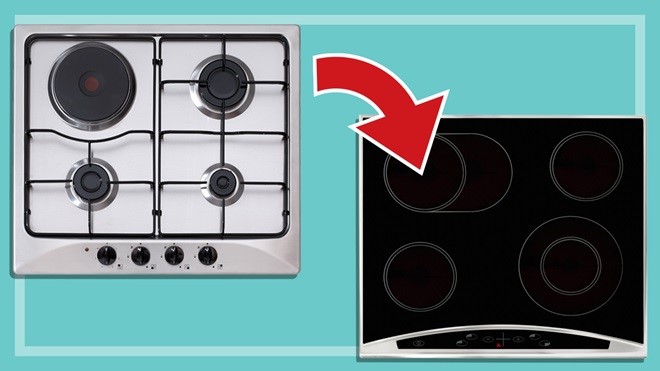
Induction stovetops use less energy than gas or electric coils. They heat pots directly, cutting waste.
Glass-ceramic electric tops also offer good efficiency. They have smooth surfaces and heat evenly.
- GE Profile Induction Cooktop: fast heating, easy controls
- Bosch 800 Series Electric: smooth glass top, even heat
- Samsung Virtual Flame Induction: precise temperature control
- Frigidaire Radiant Glass: affordable and reliable
- KitchenAid Dual-Fuel Induction: combines power and style
Customer Reviews And Ratings
Customers like induction stovetops for their speed and energy savings. Many say cooking is faster and cleaner.
Glass-ceramic models get praise for easy cleaning and smooth design. Some users find them less efficient than induction.
| Model | Energy Efficiency | Customer Rating | Common Feedback |
|---|---|---|---|
| GE Profile Induction | High | 4.5/5 | Fast heating, easy to use |
| Bosch 800 Series Electric | Medium-High | 4.3/5 | Even heat, sleek design |
| Samsung Virtual Flame Induction | High | 4.4/5 | Precise temperature control |
| Frigidaire Radiant Glass | Medium | 4.0/5 | Good value, easy to clean |
| KitchenAid Dual-Fuel Induction | High | 4.6/5 | Powerful and stylish |

Credit: karinearappliances.com
Frequently Asked Questions
What Features Define An Energy-efficient Stovetop?
Energy-efficient stovetops use less power while cooking effectively. Look for induction models, ceramic glass tops, and precise temperature controls to save energy.
How Does Induction Cooking Save Energy?
Induction stovetops heat cookware directly using magnetic fields. This method reduces heat loss and cooks faster, lowering overall energy consumption.
Which Stovetop Types Are Most Energy-efficient?
Induction and ceramic glass stovetops are among the most energy-efficient. They transfer heat quickly and minimize wasted energy compared to traditional electric or gas options.
Can Energy-efficient Stovetops Reduce Utility Bills?
Yes, energy-efficient stovetops consume less electricity or gas. This lowers your monthly utility bills while maintaining cooking performance and speed.
Conclusion
Choosing an energy-efficient stovetop saves money and helps the environment. Focus on features like heat control and size. Pick a model that fits your cooking style and kitchen space. Energy-efficient stovetops use less power and cook food faster. This means less waste and lower bills.
Take time to compare options carefully. Small changes lead to big benefits over time. Start making smart choices today for a better kitchen tomorrow.