
Are you tired of high electricity bills and blenders that just don’t last? Choosing the right energy-efficient blender can save you money and make your kitchen routine smoother.
But with so many options out there, how do you pick one that works best for you? You’ll discover simple tips to find a blender that uses less power without sacrificing performance. Keep reading to make a smart choice that benefits both your wallet and the environment.
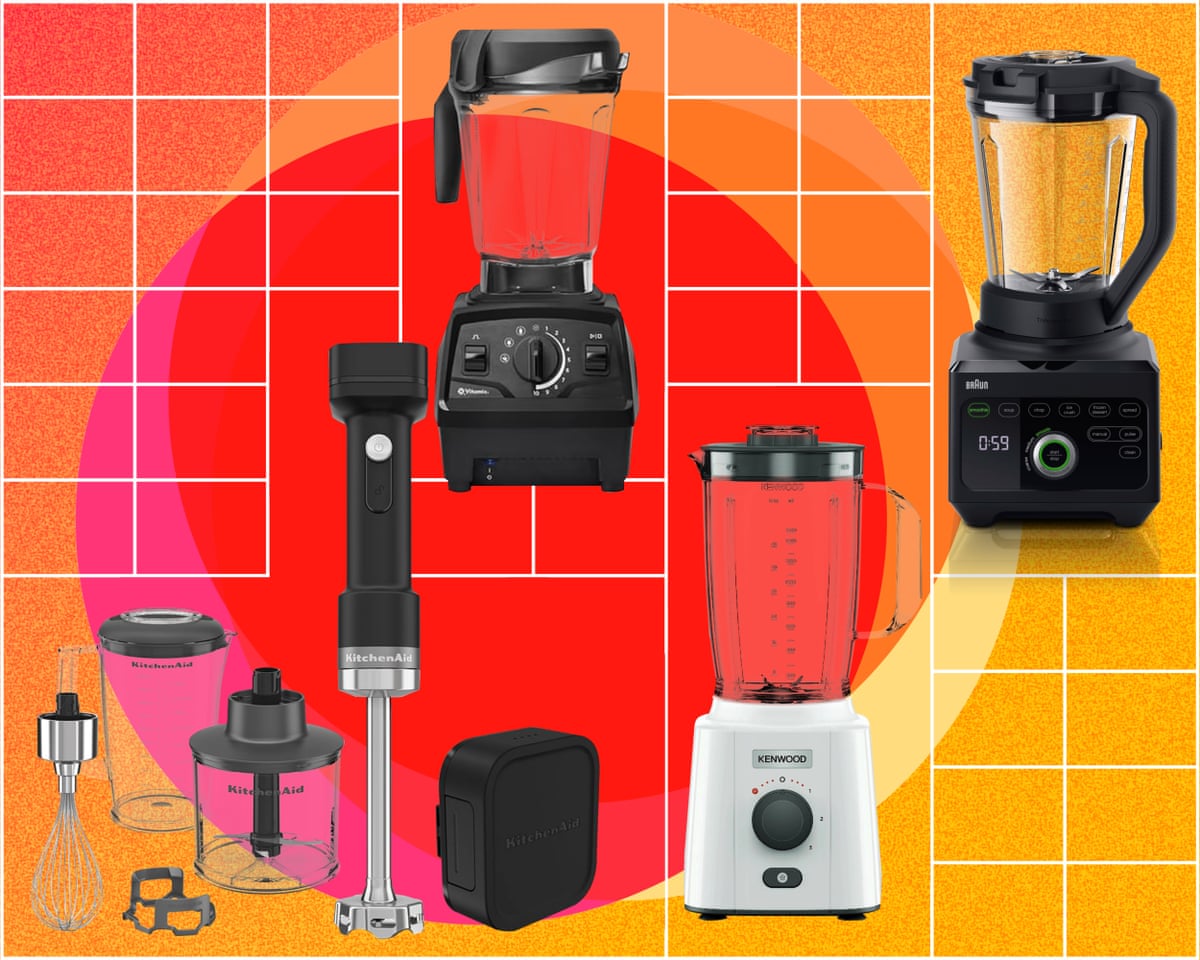
Credit: www.theguardian.com
Benefits Of Energy-efficient Blenders
Energy-efficient blenders help you save electricity. They are better for the planet too. Let’s explore their benefits.
Lower Electricity Bills
Using energy-efficient blenders can lower your electricity bills. They use less power compared to regular blenders.
This means you spend less money on electricity each month. It’s a smart choice for budget-conscious families.
Environmental Impact
Energy-efficient blenders reduce your carbon footprint. They use less energy, which means fewer emissions.
This helps protect the environment. Choosing eco-friendly appliances is a step towards a greener planet.
Long-term Savings
Investing in an energy-efficient blender saves money over time. Lower energy use leads to reduced utility costs.
- Less frequent replacement due to quality build
- Fewer repairs, saving on maintenance costs
- Overall reduced energy consumption
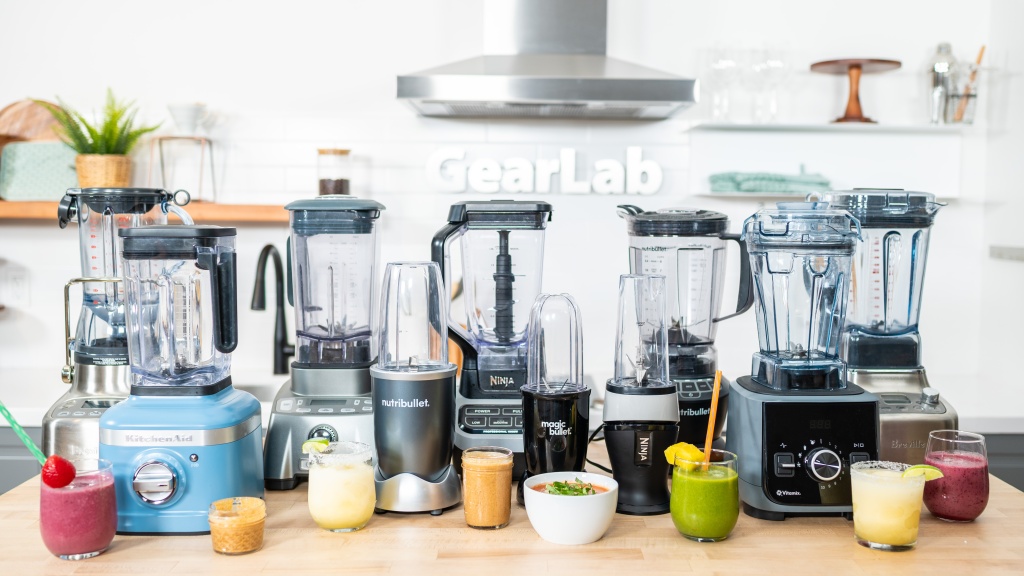
Credit: www.techgearlab.com
Key Features To Look For
Choosing an energy-efficient blender saves electricity and lowers bills. Look for certain features that help the blender use power wisely.
These features also affect how well the blender works and how long it lasts. Here are the main points to check before buying.
Power Consumption Ratings
Check the blender’s power rating, usually given in watts. Lower wattage means less energy use. But very low wattage might reduce performance.
Choose a blender with a balanced wattage that fits your blending needs without wasting power.
- Look for blenders between 300 and 700 watts for home use
- Higher wattage is better for tough ingredients
- Compare power ratings to find energy-saving options
Motor Efficiency
A motor that uses power efficiently blends better and uses less electricity. Look for motors with good designs and materials.
Brushless motors often last longer and run cooler. They also consume less energy than traditional motors.
- Brushless motors save power and reduce noise
- Efficient motors need less cooling and maintenance
- Check product details for motor type and efficiency
Blade Design
Good blade design helps blend ingredients faster. This reduces the motor’s running time and energy use.
Look for sharp, angled blades that create strong currents inside the jar. This helps mix ingredients evenly and quickly.
- Stainless steel blades last longer and resist rust
- Multi-level blades improve blending speed
- Proper blade shape reduces motor strain
Speed Settings
Multiple speed settings let you control blending power. Use lower speeds for soft foods and higher speeds for hard ingredients.
This control helps save energy by using only the power needed for each task.
- Choose blenders with at least 3 speed options
- Pulse function helps blend in short bursts
- Variable speed controls offer more precise blending
Types Of Energy-efficient Blenders
Energy-efficient blenders use less power while blending food well. Choosing the right type helps save electricity and time.
There are several types of energy-efficient blenders. Each type works best for different kitchen needs.
Countertop Blenders
Countertop blenders are large and strong. They can blend big amounts of food quickly.
Energy-efficient models use motors that adjust speed. This saves power by blending only as fast as needed.
- Best for making soups, smoothies, and sauces
- Often have multiple speed settings
- Use less energy with smart motor control
Immersion Blenders
Immersion blenders are handheld and easy to use. They are great for small blending jobs.
They use less power because they blend directly in the pot or bowl. This avoids extra containers and cleaning.
- Lightweight and portable
- Good for soups and small batches
- Save energy by blending in place
Personal Blenders
Personal blenders are small and made for one person. They use less energy and take less space.
These blenders work well for quick drinks and snacks. They often have simple controls to save power.
- Perfect for smoothies and shakes
- Compact and easy to store
- Energy-saving with short blending cycles
Energy Efficiency Certifications
Energy efficiency certifications help you find blenders that save power. These labels show that the blender meets strict energy rules.
Choosing a blender with the right certification can lower your electric bill. It also helps protect the environment.
Energy Star Label
The Energy Star label is a well-known certification for energy-saving products. It means the blender uses less electricity than regular models.
Blenders with Energy Star use smart designs and efficient motors. This reduces power use without losing performance.
- Meets strict energy use limits set by the EPA
- Reduces energy waste during operation
- Helps lower monthly electricity costs
- Supports environmental protection efforts
Other Relevant Certifications
Besides Energy Star, some blenders have other energy certifications. These also show a commitment to saving power.
Look for labels from trusted organizations or government programs. They ensure the blender meets energy efficiency standards.
- CE Marking: Shows compliance with European energy rules
- UL Certification: Confirms safety and efficiency standards
- DOE Compliance: Meets U.S. Department of Energy guidelines
- ISO 50001: Indicates energy management system standards
Comparing Brands And Models
Choosing an energy-efficient blender can save power and money. It is important to compare brands and models carefully.
Look at features, power use, and design. These help you find a blender that fits your needs and saves energy.
Popular Energy-efficient Brands
Some brands focus on energy-saving technology. These brands often use efficient motors and smart speed controls.
- Brand A: Known for low power use and durability
- Brand B: Offers blenders with energy-saving modes
- Brand C: Combines good performance with less energy
Customer Reviews And Ratings
Reading reviews helps you learn real user experience. Look for comments about energy use and performance.
High ratings and positive feedback on power efficiency show a good choice. Check if users mention long-lasting batteries or low electricity bills.
- Look for blenders with many positive reviews
- Check if customers mention energy savings
- Notice any common problems or praises
Warranty And Support
A good warranty protects your purchase. Check how long the warranty lasts and what it covers.
Reliable customer support helps if you have issues. Choose brands that offer easy service and quick help.
- Look for at least one year warranty
- Check if parts and repairs are easy to get
- Choose brands with good customer service reputations
Credit: www.techgearlab.com
Tips For Maximizing Blender Efficiency
Energy-efficient blenders save power and work well for daily tasks. Using them the right way helps you get the best results.
Simple habits can improve your blender’s efficiency. Learn how to use, clean, and care for your blender properly.
Proper Usage Techniques
Use the blender at the right speed for each task. Start at a low speed and increase if needed. Avoid running the blender empty.
Cut ingredients into small pieces. This helps the blender work faster and uses less energy.
- Choose the right speed setting
- Start blending at low speed
- Cut food into smaller parts
- Avoid blending without ingredients
Maintenance And Cleaning
Keep your blender clean to keep it running smoothly. Clean the jar, blades, and lid after each use. This stops food build-up.
Check the blades regularly. Sharp blades blend faster and use less power. Replace dull blades to keep efficiency high.
- Wash blender parts after each use
- Dry parts before storing
- Inspect and sharpen or replace blades
- Clean the motor base with a dry cloth
Avoiding Overuse
Do not run the blender for too long at once. Overuse can cause overheating and waste energy. Use short bursts of blending instead.
Let the blender rest between uses. This helps the motor cool down and lasts longer.
- Blend in short intervals
- Let the blender cool before next use
- Do not overload the blender jar
- Follow the maximum capacity instructions
Budget Considerations
Choosing an energy-efficient blender means thinking about your budget. You want to find a model that saves power but fits your price range.
It helps to understand how cost and energy use work together. This way, you get the best value without spending too much.
Balancing Cost And Efficiency
Energy-efficient blenders can cost more upfront. But cheaper models may use more electricity. Think about how much you will use the blender.
Look for blenders that offer good power with low energy use. Sometimes paying a bit more saves money later on bills.
- Check the wattage to see energy use
- Compare prices and features
- Choose a blender with good reviews on efficiency
Evaluating Long-term Value
Think about how long the blender will last. A durable blender saves money because you replace it less often.
Also, energy savings add up over time. A blender that uses less power can lower your electric bills every month.
- Look for strong warranties
- Read about build quality and parts
- Calculate possible electricity savings
Frequently Asked Questions
What Features Make A Blender Energy-efficient?
Energy-efficient blenders have powerful motors that use less electricity. They also include variable speed settings and durable blades for effective blending with minimal power.
How To Compare Energy Consumption In Blenders?
Check the wattage rating on the blender label. Lower wattage often means less energy use, but balance with performance for best results.
Are Energy-efficient Blenders More Expensive?
Energy-efficient blenders may cost more upfront but save money on electricity bills. Investing in quality can reduce long-term energy costs.
Can Energy-efficient Blenders Handle Tough Ingredients?
Yes, many energy-efficient blenders use advanced technology to blend hard ingredients effectively without consuming excess power.
Conclusion
Choosing an energy-efficient blender saves money and power. Focus on models with good energy ratings and powerful motors. Smaller blenders often use less energy but suit light tasks. Check for features like variable speed and pulse options. These help control power use during blending.
Remember, a blender that fits your needs works best. Energy savings add up over time and help the environment. Take time to compare options before buying. A smart choice benefits your kitchen and the planet.