
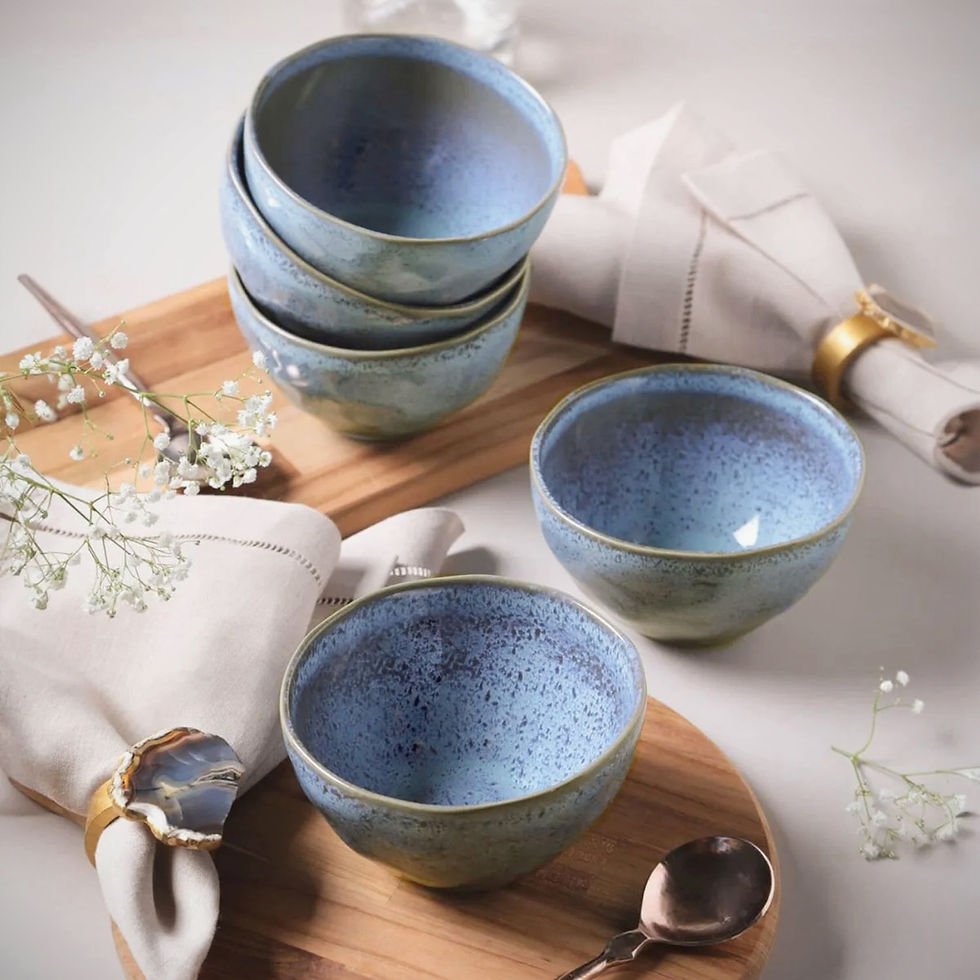
Choosing the right mixing bowls can change the way you cook—and the impact you have on the planet. But with so many options out there, how do you find eco-friendly mixing bowls that fit your kitchen and your values?
You want something durable, safe, and kind to the environment, without sacrificing style or convenience. This guide will help you make smart choices that feel good every time you reach for a bowl. Keep reading to discover the simple tips that will transform your kitchen and support a greener lifestyle.

Credit: magnolia.com
Benefits Of Eco-friendly Bowls
Eco-friendly mixing bowls are a smart choice for your kitchen. They benefit the planet and support a healthier lifestyle.
Choosing the right bowls can make cooking more enjoyable and sustainable. Let’s explore the advantages.
Environmental Impact
Eco-friendly bowls reduce waste and conserve resources. They are often made from sustainable materials.
These bowls help minimize pollution and protect our planet. Choosing them supports a cleaner environment.
- Made from renewable resources
- Biodegradable or recyclable
- Lower carbon footprint
Health Advantages
Eco-friendly bowls are free from harmful chemicals. They are safer for food storage and preparation.
These bowls do not leach toxins into food. They help maintain the purity of your meals.
- Non-toxic materials
- BPA-free options
- Safe for all food types
Durability And Longevity
Eco-friendly bowls are built to last. They withstand regular use without wearing out quickly.
Investing in durable bowls saves money over time. They reduce the need for frequent replacements.
- Strong and sturdy materials
- Resistant to scratches and stains
- Long-lasting performance
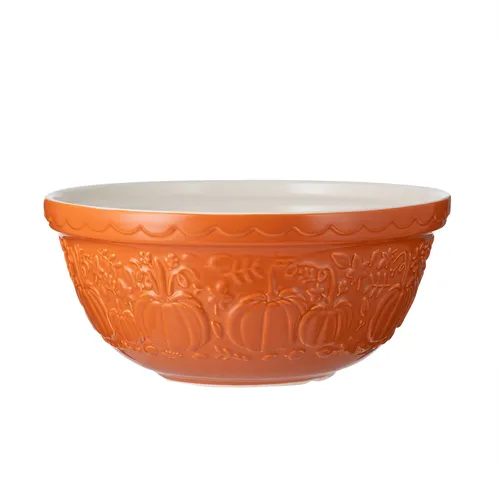
Credit: www.surlatable.com
Materials To Consider
Choosing eco-friendly mixing bowls helps reduce waste and protect nature. Different materials offer unique benefits for the environment and your kitchen.
Look at the options below to find the best material for your needs and values.
Bamboo And Wood
Bamboo and wood are natural and renewable resources. They grow fast and do not need many chemicals to produce.
These bowls are lightweight and biodegradable. They add a warm, rustic look to your kitchen.
- Bamboo grows quickly without pesticides
- Wood can be sustainably harvested
- Both materials break down naturally
- They do not release harmful chemicals
Stainless Steel
Stainless steel is strong and long-lasting. It does not rust or stain easily, making it safe for food.
This material can be recycled many times without losing quality. It is easy to clean and does not absorb odors.
- Durable and resistant to damage
- 100% recyclable and eco-friendly
- Non-toxic and safe for food use
- Maintains its look for years
Glass And Ceramic
Glass and ceramic bowls are made from natural materials like sand and clay. They are non-toxic and do not leach chemicals.
These materials can last a long time if handled carefully. They are easy to clean and often dishwasher safe.
- Made from natural earth materials
- Do not release harmful substances
- Can be recycled or broken down safely
- Offer a classic, clean look
Recycled Plastics
Recycled plastic bowls use waste materials to create new products. They help reduce plastic pollution by reusing old plastics.
These bowls can be durable and lightweight. Look for BPA-free options to avoid chemicals that harm health.
- Made from post-consumer recycled plastic
- Help reduce new plastic waste
- Choose BPA-free for safety
- Often lighter and less breakable
Key Features To Look For
Choosing eco-friendly mixing bowls helps reduce waste and protect the planet. It is important to find bowls that are safe and useful.
Look for certain features to make sure your bowls last long and stay healthy for your family.
Non-toxic Coatings
Eco-friendly bowls should have coatings that do not release harmful chemicals. Non-toxic coatings keep food safe and protect your health.
Check if the coating is free from lead, BPA, and other toxins. Natural or plant-based coatings are good choices.
Ease Of Cleaning
Bowls that are easy to clean save time and use less water and soap. Smooth surfaces without many grooves help cleaning.
Dishwasher-safe bowls can also be more convenient and keep the bowls in good shape.
Heat Resistance
Look for bowls that handle heat well. They should not warp or release chemicals when hot food is mixed.
Oven-safe or microwave-safe bowls add more use options and reduce the need for many dishes.
Design And Size Options
Choose bowls in sizes that fit your cooking needs. Different sizes help with small or large meals.
Simple designs with natural colors often match many kitchens and reduce the need for extra decoration.
Certifications And Labels
Choosing eco-friendly mixing bowls means looking for trusted certifications and labels. These marks show the product meets certain environmental and health standards.
Understanding these certifications helps you pick bowls that are safe for you and kind to the planet.
Organic And Sustainable Certifications
Organic and sustainable certifications ensure bowls come from natural and responsibly managed sources. These labels prevent harmful chemicals and promote eco-friendly farming or manufacturing.
- USDA Organic: Confirms materials are grown without synthetic pesticides
- FSC (Forest Stewardship Council): Verifies wood comes from responsibly managed forests
- Global Organic Textile Standard (GOTS): Applies to natural fibers and fabrics used in some bowls
Bpa-free And Food-safe Labels
BPA-free labels mean bowls do not contain harmful chemicals that can leach into food. Food-safe labels show the product is tested safe for cooking and eating.
- BPA-Free: No bisphenol A, a chemical linked to health risks
- FDA Approved: Meets US Food and Drug Administration safety rules
- LFGB Certified: German food safety certification for plastics and materials
Fair Trade And Ethical Manufacturing
Fair Trade labels show workers get fair wages and work in safe conditions. Ethical manufacturing means the company cares about people and the environment.
- Fair Trade Certified: Supports fair pay and good working conditions
- SA8000: Social accountability certification for ethical workplaces
- Cradle to Cradle: Ensures products are made with sustainable and safe materials
Price Vs. Quality
Choosing eco-friendly mixing bowls means balancing price and quality. You want a product that lasts and helps the environment.
Some bowls cost less but wear out quickly. Others cost more but save money over time by lasting longer.
Budget-friendly Choices
Affordable eco-friendly bowls are good for those on a tight budget. They often use recycled or simple natural materials.
These bowls work well for light kitchen use. They may not be as durable as pricier options.
- Look for bowls made from recycled plastic or bamboo fiber
- Check if the bowls are BPA-free and non-toxic
- Choose sets that offer good value for the price
- Remember, cheaper bowls might need replacing sooner
Investing In Long-term Value
Higher-priced bowls often offer better quality and last longer. They use strong, sustainable materials like stainless steel or glass.
These bowls save money over time. They resist stains, cracks, and warping, making them eco-friendly through durability.
- Choose bowls made from high-quality recycled glass or metal
- Look for products with certifications for sustainability
- Consider how long the bowl will last under heavy use
- Investing more now reduces waste and replacement costs later
Where To Buy Eco-friendly Bowls
Finding eco-friendly mixing bowls is simple if you know where to look. Many places sell bowls made from sustainable materials.
Choosing the right store helps you get quality products that last long and are good for the planet.
Online Marketplaces
Online marketplaces offer many eco-friendly mixing bowls. You can compare prices and read reviews easily.
Look for sellers that list the materials used and their environmental benefits.
- Check product details for bamboo, recycled glass, or ceramic bowls
- Read customer reviews for quality and durability
- Filter by eco-friendly or sustainable product tags
Specialty Eco Stores
Specialty eco stores focus on products that protect the environment. They often sell mixing bowls made from natural or recycled materials.
These stores usually provide detailed information about how the bowls are made and how they help reduce waste.
- Look for stores that use sustainable packaging
- Ask about the source of materials
- Find bowls that are biodegradable or recyclable
Local Artisan Shops
Local artisan shops sell handmade eco-friendly mixing bowls. These bowls often use local materials and traditional methods.
Buying from artisans supports small businesses and reduces shipping impact on the environment.
- Find shops at farmers markets or craft fairs
- Ask artisans about their materials and processes
- Choose bowls with natural finishes and no harmful chemicals
Care And Maintenance Tips
Eco-friendly mixing bowls need proper care to last long. Good care keeps them safe and clean.
Follow simple steps to keep your bowls in great shape. This helps protect the environment too.
Cleaning Best Practices
Wash your eco-friendly mixing bowls with mild soap and warm water. Avoid harsh chemicals that can damage the material.
Use a soft sponge or cloth to clean the bowls. This prevents scratches and keeps the surface smooth.
- Rinse bowls right after use to avoid stains
- Do not use abrasive cleaners or scrubbers
- Dry bowls with a soft towel to prevent water spots
Avoiding Damage
Handle your mixing bowls gently to avoid cracks or chips. Avoid dropping or banging them against hard surfaces.
Keep bowls away from extreme heat or cold. Sudden temperature changes can weaken the material and cause damage.
- Do not use metal utensils that can scratch the bowl
- Store bowls stacked carefully to prevent pressure damage
- Keep bowls out of direct sunlight for long periods
Extending Bowl Lifespan
Use your bowls only for mixing and food prep. Avoid using them for cooking or heating foods.
Regularly inspect your bowls for any signs of wear. Replace bowls that show cracks or deep scratches to stay safe.
- Store bowls in a dry place to prevent mold
- Rotate usage among several bowls to reduce wear
- Use gentle cleaning and avoid dishwasher if not recommended

Credit: magnolia.com
Frequently Asked Questions
What Materials Are Best For Eco-friendly Mixing Bowls?
Bamboo, recycled glass, and stainless steel are top eco-friendly materials. They are durable, non-toxic, and biodegradable or recyclable. Avoid plastic to reduce environmental harm. Choose materials that last long and have minimal environmental impact.
How To Identify Truly Sustainable Mixing Bowls?
Look for certifications like FSC or recycled content labels. Check the product’s lifecycle and manufacturing process. Prefer bowls made with renewable resources and minimal chemical use. Transparency from brands indicates genuine sustainability.
Are Biodegradable Mixing Bowls Safe For Food Use?
Yes, biodegradable bowls made from natural fibers or plant-based materials are safe. Ensure they are FDA-approved and free from harmful chemicals. They degrade naturally without releasing toxins, making them eco-friendly and food-safe.
Can Eco-friendly Mixing Bowls Handle Heat Well?
Many eco-friendly bowls, like stainless steel or silicone, resist heat effectively. Avoid materials that warp or release toxins under heat. Always check product specifications for heat resistance before purchase.
Conclusion
Choosing eco-friendly mixing bowls helps protect our planet. Materials like bamboo, glass, or stainless steel last longer and reduce waste. Think about durability, safety, and ease of cleaning. Small changes in the kitchen make a big difference. These bowls also add a natural touch to your home.
Make choices that support a healthier environment every day. Your kitchen can be green and stylish at once. Start with simple, smart picks for eco-friendly mixing bowls.