
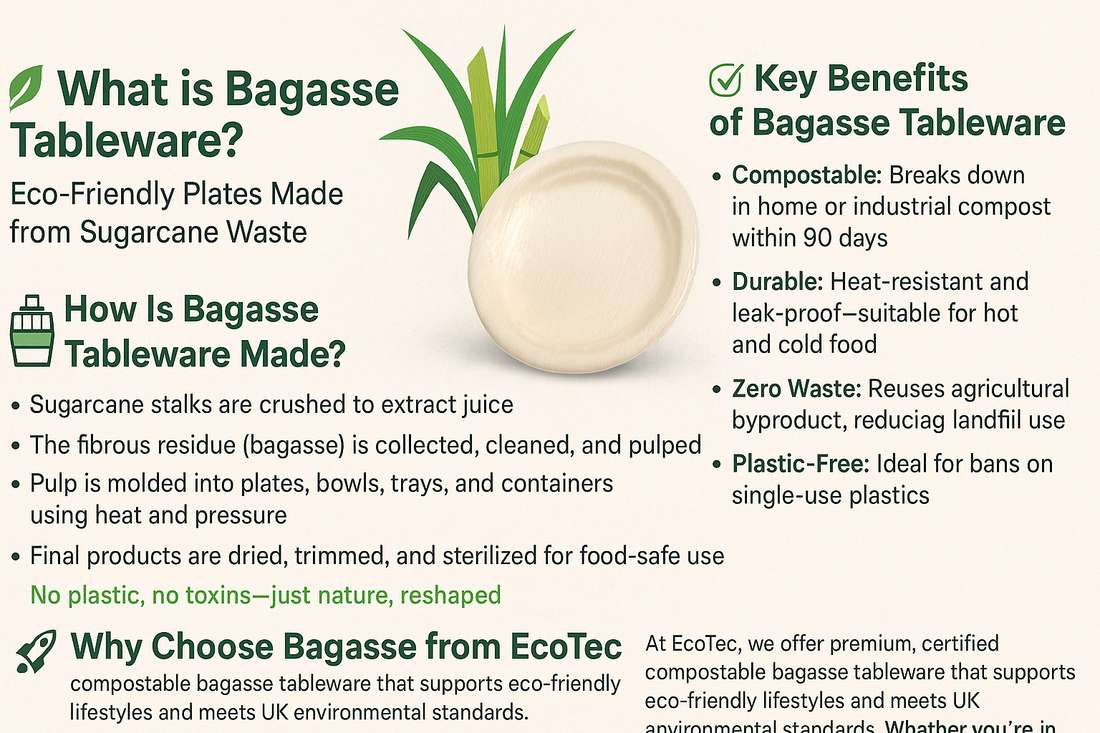
Choosing the right dishware might seem simple, but have you ever thought about how your plates and bowls impact the planet? When you pick eco-friendly dishware, you’re making a small change that leads to a big difference.
Imagine enjoying your meals knowing your choices help reduce waste and protect the environment. You’ll discover easy tips to select dishware that’s good for you and good for the Earth. Ready to make smart, green choices that fit your lifestyle?
Keep reading to find out how.
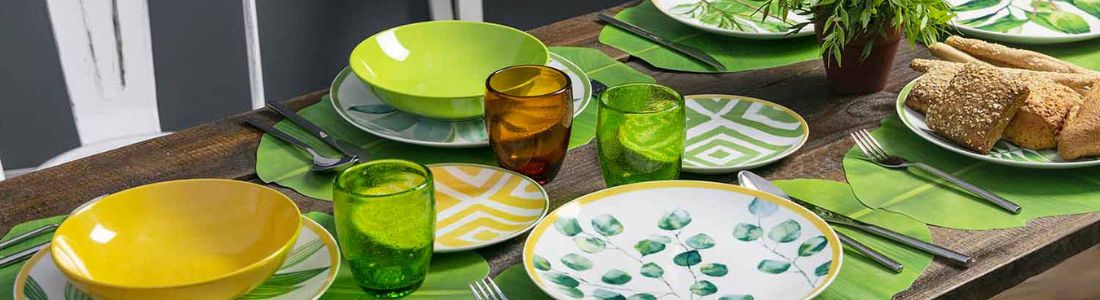
Credit: www.laguiole-attitude.com
Benefits Of Eco-friendly Dishware
Eco-friendly dishware offers many advantages beyond just looking good. It helps protect the planet and promotes better health.
Choosing the right dishware can save money over time and support a cleaner environment.
Environmental Impact
Eco-friendly dishware is made from materials that break down naturally. This lowers waste and reduces pollution.
- Reduces plastic waste in landfills
- Lowers carbon emissions during production
- Uses renewable or recycled materials
- Supports sustainable farming and harvesting
Health Advantages
These dishwares avoid harmful chemicals found in some plastics and coatings. They keep your food safer to eat.
| Dishware Type | Health Benefit |
| Bamboo | Free from BPA and toxins |
| Ceramic | Does not leach chemicals |
| Glass | Non-porous and easy to clean |
| Stainless Steel | Resists bacteria growth |
Cost Savings Over Time
Eco-friendly dishware can last longer than disposable options. This lowers your need to buy replacements.
- Reusable materials cut down on single-use costs
- Durable products reduce frequent purchases
- Easy to clean and maintain
- Some types can be recycled or composted

Credit: www.joyye.com
Materials To Choose
Choosing eco-friendly dishware starts with the right materials. These materials should be safe for the environment and long-lasting.
Look for dishware made from natural or recycled resources. This helps reduce waste and pollution.
Bamboo And Wood
Bamboo and wood are renewable materials. They grow quickly and can be harvested without harming the environment.
Dishware made from bamboo or wood is sturdy and biodegradable. These materials break down naturally after use.
- Bamboo is lightweight and strong
- Wood offers a natural look
- Both are compostable
- Use food-safe finishes
Recycled Glass And Ceramics
Recycled glass and ceramics reduce landfill waste. They use old materials to create new dishware.
This dishware is durable and safe for daily use. It can last a long time if handled carefully.
- Glass is easy to clean and non-toxic
- Ceramics can be made from recycled clay
- Both materials are recyclable
- Check for lead-free glazes
Biodegradable Plastics
Biodegradable plastics break down faster than regular plastics. They are made from plants like corn or sugarcane.
This dishware is a better choice than traditional plastic. It reduces plastic pollution and landfill waste.
- Look for certifications like compostable labels
- Use for single or limited-use dishware
- Not all biodegradable plastics break down in all conditions
- Proper disposal is important for breakdown
Certifications To Look For
Choosing eco-friendly dishware means checking for trustworthy certifications. These labels show if the products meet safety and environmental standards.
Understanding certifications helps you pick dishware that is safe, sustainable, and ethically made.
Fda And Food Safety
The Food and Drug Administration (FDA) ensures dishware is safe for food contact. Look for FDA approval to avoid harmful chemicals.
- Non-toxic materials
- Free from lead and cadmium
- Safe under heat and dishwasher use
Eco-labels And Standards
| Certification | What It Means | Why It Matters |
|---|---|---|
| Green Seal | Meets strict environmental standards | Ensures low impact on air and water |
| USDA Organic | Uses organic materials | Supports sustainable farming practices |
| Forest Stewardship Council (FSC) | Certified wood from responsibly managed forests | Protects forest ecosystems |
Fair Trade And Ethical Sourcing
Fair Trade certification shows workers get fair wages and safe conditions. Ethical sourcing supports communities and reduces exploitation.
- Fair wages for workers
- Safe and healthy workplaces
- Support for local communities
- Transparent supply chains
Durability And Maintenance
Choosing eco-friendly dishware means thinking about how long it lasts. Durable dishware saves money and reduces waste.
Good maintenance keeps your dishware safe and clean. This helps you enjoy your eco-friendly dishes longer.
Cleaning Tips
Clean your eco-friendly dishware gently to avoid damage. Use mild soap and warm water for most materials.
Some dishware can go in the dishwasher, but check the label first. Avoid harsh chemicals that can wear out the surface.
- Use a soft sponge or cloth
- Rinse off food quickly
- Dry with a soft towel
- Hand wash if unsure about dishwasher safety
Avoiding Damage
Handle your dishware carefully to prevent chips and cracks. Avoid dropping or stacking too many plates tightly.
Keep your dishware away from extreme heat or cold. Sudden changes can cause some materials to break.
- Do not use metal scrubbers
- Avoid microwave if not microwave-safe
- Store plates with padding between them
- Check for cracks before use
Longevity Factors
Quality of materials affects how long dishware lasts. Choose strong, natural materials like bamboo, ceramic, or tempered glass.
Proper care and use extend the life of your dishware. Avoid rough handling and follow cleaning instructions carefully.
- Choose non-toxic, sturdy materials
- Follow care instructions on packaging
- Replace dishware only when damaged
- Store in a dry, safe place
Design And Functionality
Choosing eco-friendly dishware means thinking about both style and use. The design should look good and work well for your needs.
Good dishware lasts long and fits your daily meals. It should be easy to handle and store without waste.
Aesthetic Choices
Eco-friendly dishware comes in many styles and colors. Pick designs that match your kitchen and personal taste.
Simple shapes and natural colors often look better with sustainable materials. They also hide stains well.
Suitability For Different Meals
Choose dishware that fits the kinds of meals you eat. Some plates work better for salads, others for soups or desserts.
Make sure the size and shape suit your food. This helps reduce food waste and makes eating easier.
- Shallow bowls for salads and pasta
- Deep bowls for soups and stews
- Small plates for snacks and desserts
Stacking And Storage
Eco-friendly dishware should be easy to stack and store. This saves space and keeps your kitchen tidy.
Look for pieces that fit well together without slipping. Durable materials resist chips and cracks during storage.
- Flat bottoms for stable stacking
- Uniform sizes to save space
- Lightweight but strong materials
Where To Buy Eco Dishware
Choosing eco-friendly dishware helps reduce waste and protect the environment. Finding the right place to buy these items can make your choice easier.
This guide shows some good places to look for sustainable dishware, including online stores, local shops, and secondhand options.
Online Retailers
Many online stores sell eco dishware made from bamboo, recycled glass, or biodegradable materials. Shopping online gives you access to many brands and styles.
- Look for detailed product descriptions about materials.
- Check customer reviews to ensure quality.
- Choose sellers who use minimal or recyclable packaging.
- Compare prices to find affordable options.
Local Sustainable Shops
Local shops that focus on sustainability often carry eco dishware. Visiting these stores helps support small businesses and reduces shipping pollution.
| Shop Type | Benefits | What to Look For |
| Zero-waste stores | Offers reusable and compostable dishware | Certified eco-friendly materials |
| Organic markets | Sells natural fiber plates and cups | Non-toxic and biodegradable products |
| Craft fairs | Handmade dishware from local artists | Locally sourced materials |
Secondhand Options
Buying secondhand dishware reduces waste and saves resources. You can find eco dishware at thrift stores, online marketplaces, or swap events.
Here are some tips for buying secondhand eco dishware:
- Inspect items for chips or cracks before buying.
- Look for durable materials like glass, ceramic, or stainless steel.
- Clean items thoroughly before use.
- Check if the dishware has any eco certifications or labels.
Common Mistakes To Avoid
Choosing eco-friendly dishware helps protect the environment. Many people make mistakes that reduce the benefits.
Avoiding these errors ensures you pick dishware that is truly green and safe to use.
Greenwashing
Greenwashing means a product looks eco-friendly but is not. Companies may use vague words or fake labels.
Do not trust claims without proof. Look for clear certifications and detailed information.
- Check for recognized eco-labels
- Read the product description carefully
- Avoid items with unclear or no certification
Ignoring Material Safety
Some eco-friendly dishware uses natural materials that can be unsafe. Check if the materials are free from harmful chemicals.
Make sure the dishware is safe for food contact and heat resistant if you plan to use it in microwaves or ovens.
- Look for BPA-free and toxin-free labels
- Confirm the material is food safe
- Check heat resistance if needed
Overlooking Product Lifespan
Eco-friendly dishware should last a long time. Buying cheap, short-lived products creates more waste.
Consider how durable the dishware is and if you can reuse or recycle it after use.
- Choose sturdy materials like bamboo or recycled glass
- Avoid single-use or very fragile products
- Check if the product can be recycled or composted
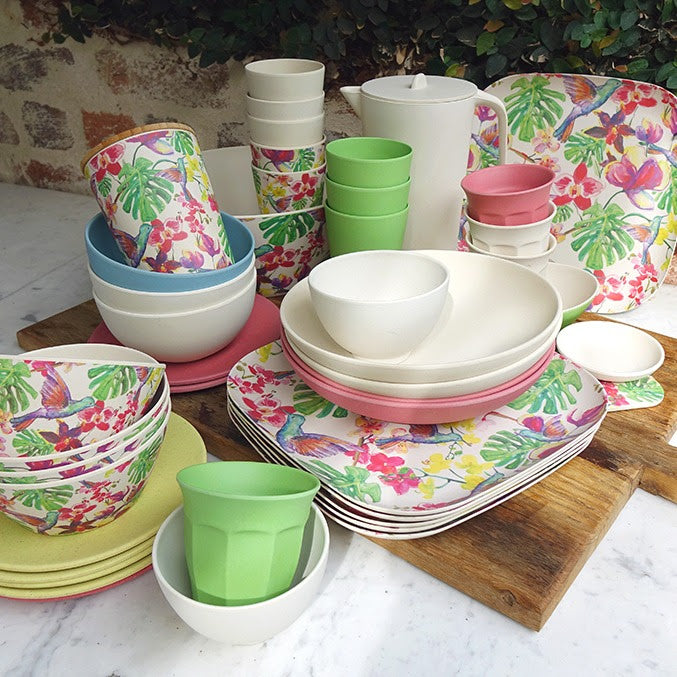
Credit: ecoathome.com.au
Frequently Asked Questions
What Materials Are Best For Eco-friendly Dishware?
Bamboo, recycled glass, and stainless steel are top eco-friendly materials. They are durable, biodegradable, or recyclable, reducing environmental impact. Choose dishware made from sustainably sourced or recycled materials to ensure eco-friendliness. Avoid plastics and non-recyclable composites for greener choices.
How To Identify Sustainable Dishware Brands?
Look for certifications like FSC, Green Seal, or Cradle to Cradle. Check if the brand uses eco-friendly materials and ethical production methods. Transparent supply chains and positive customer reviews also indicate sustainability. Research brand commitments to reduce carbon footprint and waste.
Are Biodegradable Dishware Options Safe And Durable?
Yes, biodegradable dishware made from materials like bamboo or palm leaves is safe and sturdy. These options break down naturally without harming the environment. They withstand regular use and are ideal for everyday meals or special occasions seeking eco-conscious alternatives.
Can Eco-friendly Dishware Withstand Daily Use?
Many eco-friendly dishware products are designed for durability and daily use. Materials like bamboo, stainless steel, and tempered recycled glass offer longevity. Proper care, such as gentle washing, ensures extended lifespan. Choose high-quality products for reliable everyday performance.
Conclusion
Choosing eco-friendly dishware helps protect our planet every day. Think about materials like bamboo, glass, or recycled plastic. These options last long and reduce waste. Small changes in your kitchen can make a big difference. Care for your dishware properly to use it longer.
Your choice supports a cleaner environment and healthier future. Start simple. Act now. The earth will thank you.