
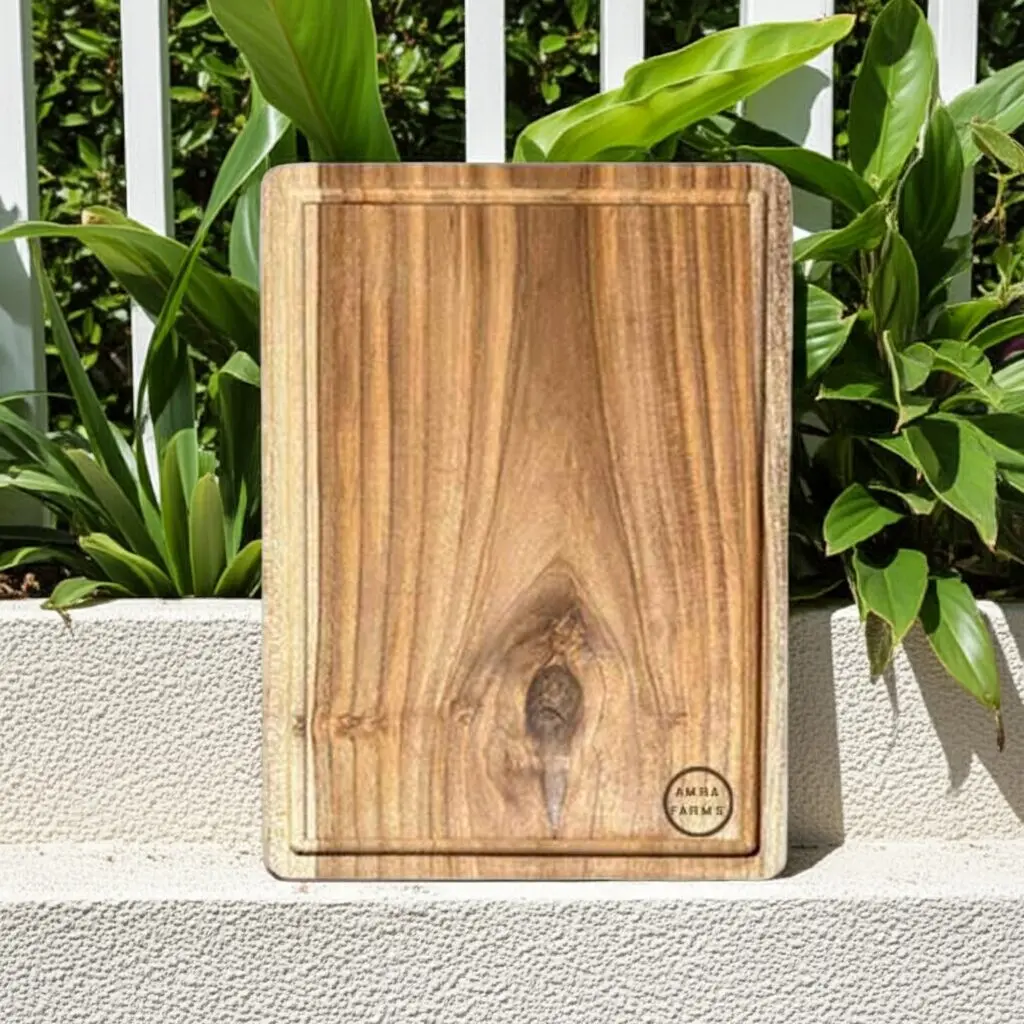
Choosing the right chopping board might seem simple, but it’s more important than you think. Your chopping board affects your kitchen’s cleanliness, your food’s taste, and even the planet’s health.
If you want to make a smart choice that protects both your family and the environment, you need to know what makes a chopping board truly eco-friendly. Keep reading, and you’ll discover easy tips to pick the perfect board that fits your needs—and helps you live greener every day.
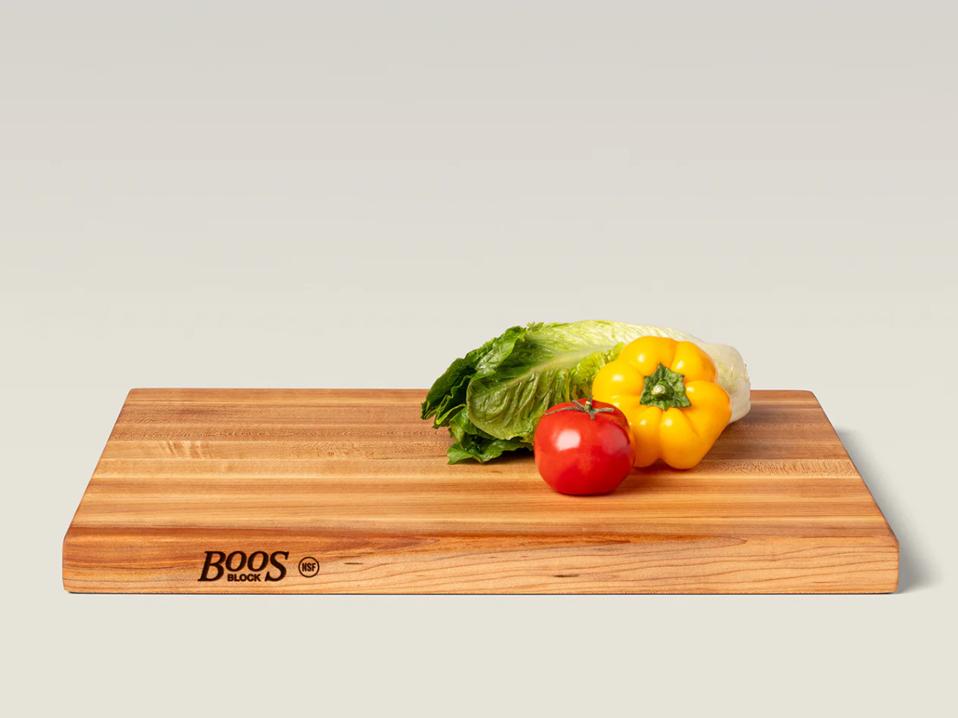
Credit: www.forbes.com
Benefits Of Eco-friendly Boards
Eco-friendly chopping boards offer many benefits. They are safe for your health and the environment. They last longer than regular boards.
Choosing an eco-friendly board helps the planet. It also provides a safe place to prepare your meals.
Health And Safety Advantages
Eco-friendly boards are made from natural materials. They do not have harmful chemicals. This makes them safer for food preparation.
These boards are less likely to harbor bacteria. Their surfaces are easier to clean and maintain.
- Free from toxic substances
- Reduces risk of contamination
- Easy to clean and sanitize
Environmental Impact
Eco-friendly boards are made from sustainable resources. They are often biodegradable or recyclable. This reduces waste in landfills.
Choosing these boards helps conserve natural resources. It supports eco-friendly practices in manufacturing.
- Made from renewable materials
- Minimizes environmental footprint
- Supports sustainable manufacturing
Durability And Longevity
Eco-friendly boards are durable. They are made to last longer. This reduces the need for frequent replacements.
These boards withstand wear and tear. They keep their shape and function over time.
- Long-lasting materials
- Resistant to warping and cracking
- Cost-effective over time
Materials To Choose
Choosing the right material for eco-friendly chopping boards is important. Some materials last longer and cause less harm to the environment.
Look for materials that are natural, sustainable, or recycled. These help reduce waste and pollution.
Bamboo Boards
Bamboo is a fast-growing plant that makes strong chopping boards. It is a renewable resource and breaks down easily after use.
Bamboo boards resist water and bacteria well. They need little oiling to stay smooth and last a long time.
Recycled Wood Options
Recycled wood boards use old wood pieces to create new boards. This reduces the need to cut down new trees.
These boards often have unique patterns and help keep wood waste out of landfills. They should be sealed to prevent damage.
Biodegradable Plastics
Biodegradable plastics come from plant materials like corn or sugarcane. They break down faster than regular plastic.
These boards are lightweight and easy to clean. They are a better choice than traditional plastic boards for the environment.
Composite Materials
Composite boards combine natural fibers with resins or other binders. They use recycled or renewable parts to make strong boards.
These boards resist cuts and stains well. They last a long time and reduce the need for new raw materials.
What To Avoid
Choosing an eco-friendly chopping board means avoiding harmful materials. Some boards can damage the environment or your health.
This guide explains what to watch out for when buying a green chopping board.
Toxic Chemicals In Finishes
Many chopping boards have finishes with harmful chemicals. These chemicals can leak into your food.
Avoid boards treated with varnishes, lacquers, or paints that contain solvents or heavy metals.
- Check for boards marked as food-safe and chemical-free
- Avoid finishes with synthetic or plastic coatings
- Look for natural oils like mineral oil or beeswax finishes
Non-sustainable Wood Sources
Wood chopping boards from unsustainable sources harm forests. They cause deforestation and loss of wildlife habitats.
Choose boards made from wood certified by FSC or other responsible groups.
- Avoid tropical hardwoods that are rare or endangered
- Check for labels showing sustainable harvesting
- Consider bamboo boards as bamboo grows fast and renews quickly
Low-quality Plastics
Some plastic chopping boards use cheap materials that break down quickly. They may release microplastics into food.
Avoid boards made from plastics without clear recycling codes or safety information.
- Look for boards made from recycled or high-quality, BPA-free plastic
- Avoid very thin or flimsy plastic boards
- Choose boards that last longer to reduce waste
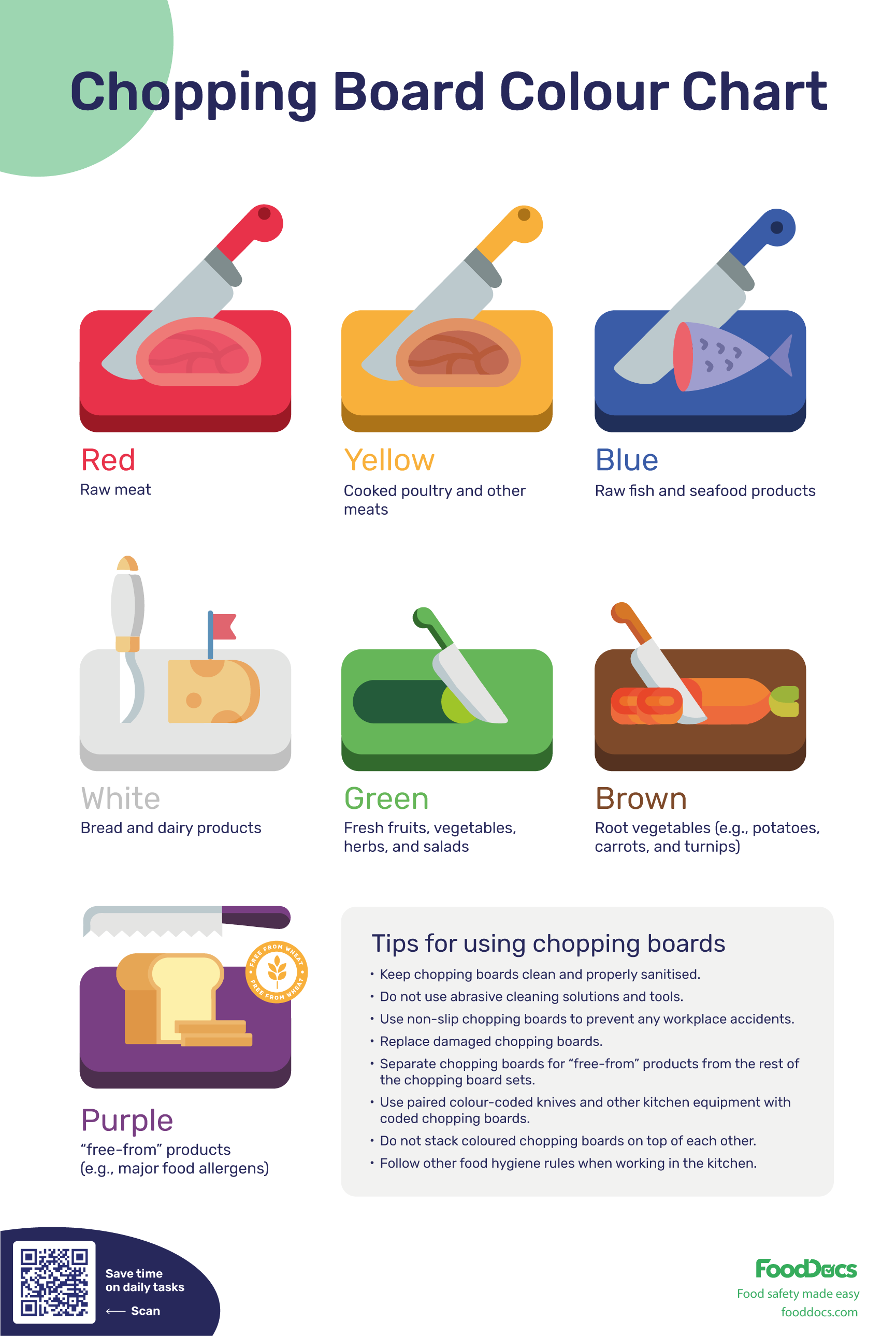
Credit: www.fooddocs.com
Size And Design Factors
Choosing an eco-friendly chopping board means thinking about size and design. These factors affect how well the board works in your kitchen.
Picking the right size and features helps you chop safely and keep your board longer.
Choosing The Right Size
Pick a chopping board size that fits your kitchen space and cooking needs. A big board works well for large meals. A smaller board saves space and is easier to clean.
- Large boards handle more food at once
- Small boards are easy to store and carry
- Medium boards balance size and convenience
Non-slip And Ergonomic Features
Look for non-slip bottoms to keep the board steady. This helps avoid accidents while cutting. Ergonomic designs make the board comfortable to hold and use.
- Non-slip feet or pads prevent slipping
- Handles help carry and move the board
- Curved edges give a better grip
Maintenance And Care
Good maintenance keeps eco-friendly boards strong and safe. Wooden boards need oiling to stop cracking. Bamboo boards dry fast and resist water damage.
- Clean with mild soap and water
- Dry immediately after washing
- Oil wooden boards regularly
- Avoid soaking or dishwasher use
Certifications And Labels
Choosing eco-friendly chopping boards means looking for trusted certifications and labels. These marks show the product meets environmental and health standards.
Understanding these certifications helps you pick boards that are safe and kind to nature.
Fsc And Pefc Certifications
The Forest Stewardship Council (FSC) and the Programme for the Endorsement of Forest Certification (PEFC) certify wood products. They ensure wood comes from well-managed forests.
These certifications protect forests and wildlife by promoting responsible logging practices.
- FSC focuses on environmental, social, and economic standards.
- PEFC endorses national forest certification systems.
- Both prevent illegal logging and deforestation.
Organic And Non-toxic Labels
Organic labels show that materials come from natural sources without harmful chemicals. Non-toxic labels mean the chopping board does not release dangerous substances.
These labels help you find safe boards for food preparation and family health.
- Look for boards made from untreated wood or bamboo.
- Avoid boards with synthetic chemicals or coatings.
- Non-toxic finishes ensure no harmful residues.
Fair Trade And Ethical Production
Fair Trade labels mean the workers who made the chopping board get fair wages and good working conditions. Ethical production supports communities and reduces harm.
Choosing ethically made boards supports social justice and sustainable livelihoods.
- Fair Trade ensures safe workplaces and fair pay.
- Ethical production avoids child labor and exploitation.
- Supports small farmers and traditional craftsmanship.
Where To Buy Eco Boards
Choosing eco-friendly chopping boards is good for the environment and your kitchen. Knowing where to buy these boards helps you find the best options.
Eco boards come in many styles and materials. You can find them in different places, both online and nearby.
Online Marketplaces
Online marketplaces offer many eco chopping boards. You can compare prices and read reviews before buying.
Look for boards made from bamboo, recycled wood, or other natural materials. Check if the seller provides details about sustainability.
- Amazon
- Etsy
- eBay
- Specialty eco-friendly product websites
Local Sustainable Stores
Local stores focused on sustainability often stock eco chopping boards. Visiting them supports small businesses in your area.
These stores may offer boards made from local wood or recycled materials. Staff can help you choose the right product for your needs.
- Health food stores with home goods
- Eco-friendly kitchenware shops
- Zero waste stores
Artisan And Handmade Options
Artisans make handmade eco chopping boards using natural materials. These boards often have unique designs and good quality.
You can find these boards at craft fairs, farmers markets, or directly from makers. Buying handmade supports local craftspeople and reduces mass production waste.
- Local craft fairs
- Farmers markets
- Artisan websites and shops
Caring For Your Eco Board
Eco-friendly chopping boards need special care to last long. Proper cleaning, oiling, and storage keep them safe and strong.
Taking care of your board helps keep it free from cracks and bacteria. It also maintains its natural beauty.
Cleaning Tips
Wash your eco board by hand with warm water and mild soap. Avoid soaking it in water for a long time.
Use a soft sponge or cloth to clean the surface. Do not put the board in the dishwasher.
- Rinse quickly after use
- Dry with a clean towel immediately
- Let it air dry standing up
- Use lemon or vinegar for odor removal
Oiling And Conditioning
Apply food-safe mineral oil to your board to keep it from drying out. Oil helps prevent cracks and warping.
Rub oil evenly across the board using a soft cloth. Let it soak in for several hours or overnight.
- Use mineral or beeswax oil only
- Oil your board once a month or more
- Wipe off extra oil after soaking
- Do not use vegetable or cooking oils
Storage Recommendations
Store your eco board in a dry place away from direct sunlight. Keep it standing on its side to air out.
Avoid stacking heavy items on the board. This prevents warping and damage to the surface.
- Keep the board in a cool, dry area
- Stand it upright for good airflow
- Do not store near heat sources
- Use a cloth cover if needed

Credit: www.amazon.ca
Frequently Asked Questions
What Materials Are Best For Eco-friendly Chopping Boards?
Wood and bamboo are top eco-friendly materials. They are renewable, biodegradable, and durable. Avoid plastic boards as they pollute and don’t decompose easily.
How To Identify Sustainably Sourced Chopping Boards?
Look for FSC or PEFC certification labels. These ensure wood is harvested responsibly. Also, buy from brands committed to environmental practices.
Are Bamboo Chopping Boards Truly Eco-friendly?
Yes, bamboo grows quickly and requires fewer resources. It’s a sustainable alternative to hardwood. Bamboo boards are lightweight and resistant to bacteria.
How To Maintain Eco-friendly Chopping Boards Properly?
Clean with mild soap and warm water. Avoid soaking or dishwasher use to prevent warping. Regularly oil wooden boards to keep them hydrated and durable.
Conclusion
Choosing eco-friendly chopping boards helps protect the planet. Natural materials like bamboo and wood work well. They last long and are safe for food. Avoid plastic boards that harm the environment. Clean your board properly to keep it fresh. Small changes in the kitchen make a big difference.
Feel good using boards that respect nature. Your choice supports a healthier home and Earth. Start today with simple, green kitchen tools.