
Choosing the right cookware for your induction stove can feel tricky. You might wonder, “Will this pan work?
Is it safe? Will it last? ” The truth is, not all pots and pans are made equal when it comes to induction cooking. But don’t worry—you’re about to discover simple tips that will help you pick cookware that heats quickly, cooks evenly, and makes your meals taste better.
Keep reading, and you’ll never have to guess if your cookware is right for your induction cooktop again.
Basics Of Induction Cooking
Induction cooking uses magnetic energy to heat pots and pans. It is fast and energy efficient.
The cooktop surface stays cool while the cookware gets hot. This makes cooking safer and cleaner.
How Induction Cooking Works
An induction cooktop creates a magnetic field. This field heats only the cookware made of certain metals.
The heat transfers directly to the pot or pan. The cooktop itself does not get hot except from the cookware’s heat.
Cookware Material Compatibility
Only cookware made with magnetic metals works on induction stoves. Common compatible materials include cast iron and some stainless steel.
- Cast iron
- Magnetic stainless steel
- Enamel-coated iron
- Certain layered cookware with magnetic base
Cookware Shape And Size
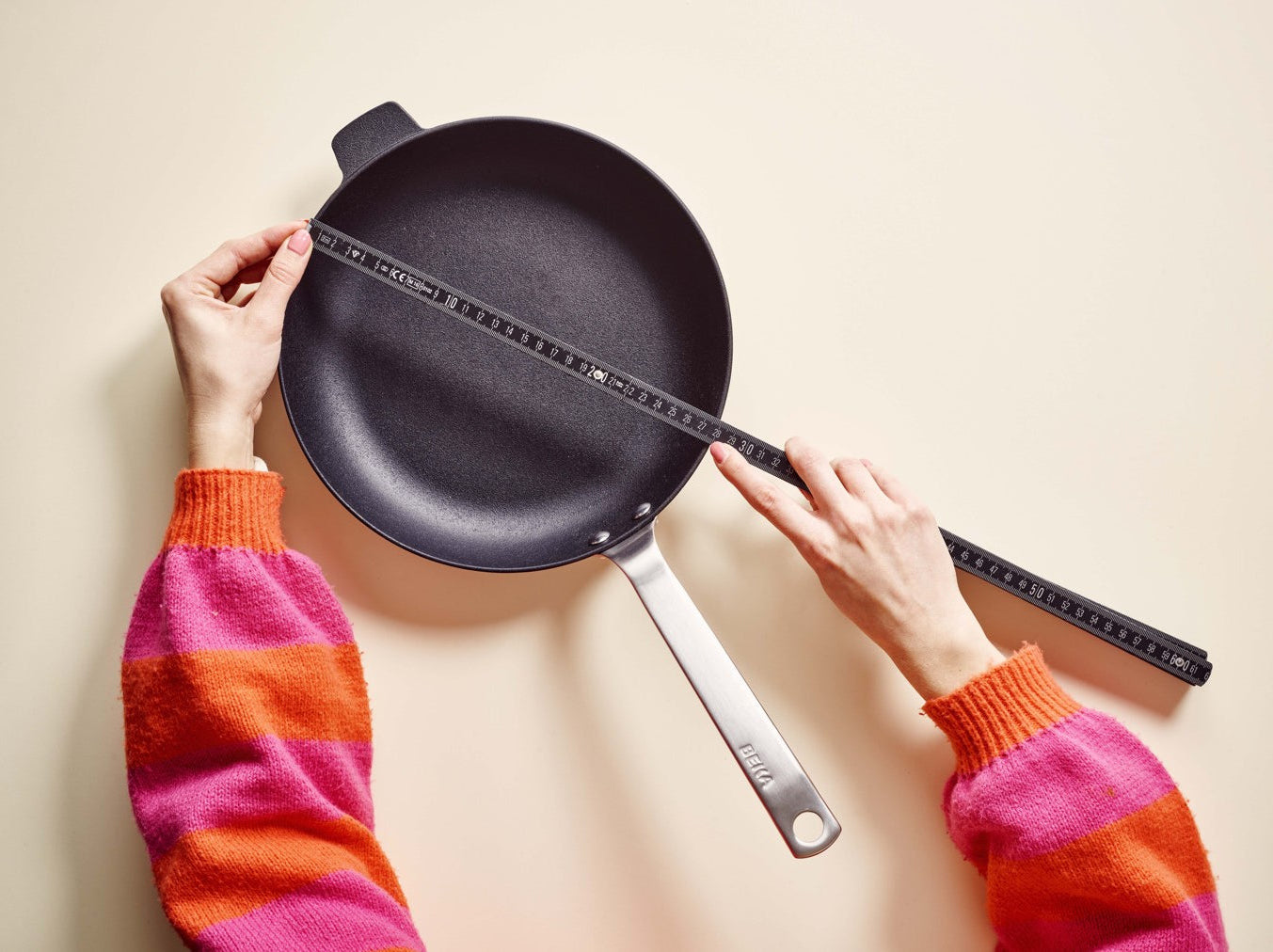
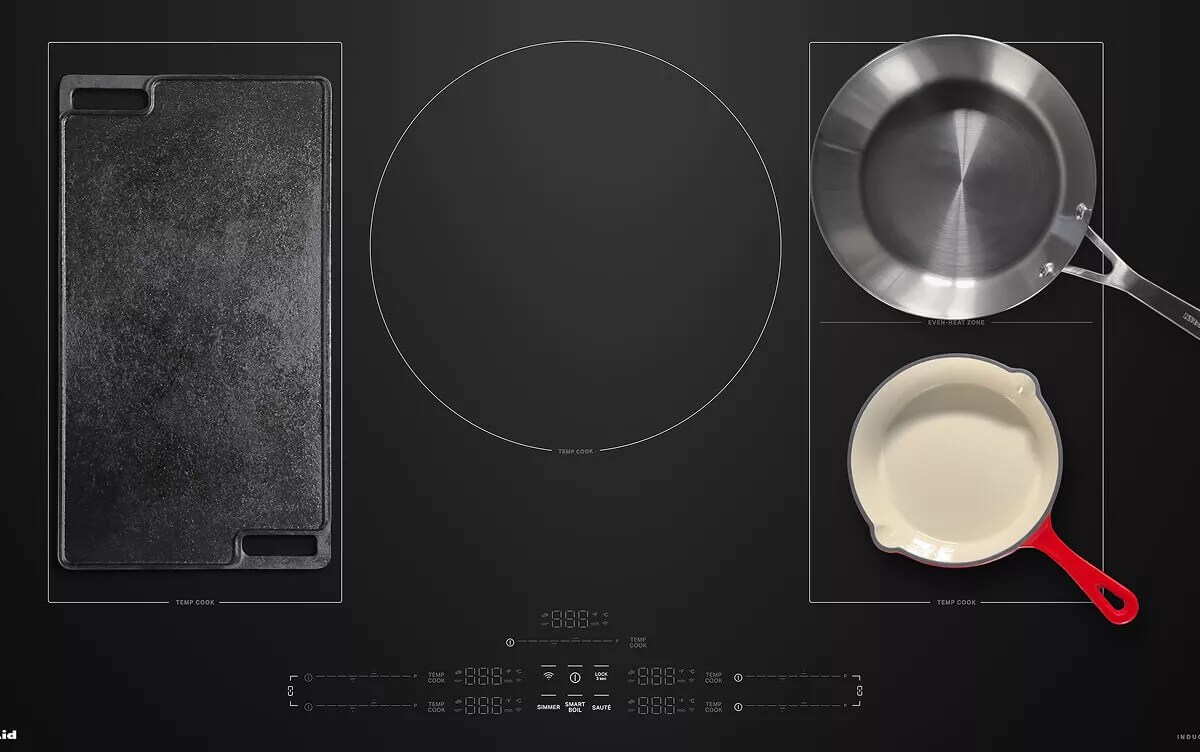
The cookware base must match the size of the cooking zone. A flat and smooth bottom ensures good contact.
| Cookware Base Shape | Effect on Cooking |
| Flat | Best heat transfer |
| Warped or curved | Poor heating and uneven cooking |
| Small base on large zone | Wastes energy and slows cooking |
Signs Your Cookware Works On Induction
Check if a magnet sticks to the bottom of your cookware. If it does, the cookware should work on induction cooktops.
Key Features Of Induction Cookware
Induction cooking uses magnetic fields to heat pots and pans directly. Not all cookware works with induction cooktops. Choosing the right cookware is important for best results.
This guide explains key features to look for when selecting induction cookware. Understanding these will help you cook efficiently and safely.
Magnetic Compatibility
Induction cooktops need cookware that contains magnetic material. Without it, the pan will not heat up. You can test your pan with a magnet to check compatibility.
- Cookware must have a magnetic base
- Cast iron and some stainless steel work well
- Aluminum or glass alone will not work
- Use a magnet to test your pots and pans
Flat Bottom Design
A flat bottom helps the cookware make full contact with the cooktop. This improves heating and stability. Cookware with warped or uneven bottoms may not work well.
- Look for flat, smooth bottoms
- Thin or warped bases reduce heat transfer
- Flat pans sit securely on the cooktop
- Use cookware designed for induction use
Heat Distribution Efficiency
Good heat distribution avoids hot spots and burns. Cookware with layers of metal spreads heat evenly. This leads to better cooking results.
- Multi-layered metal bases improve heat flow
- Stainless steel with aluminum core is common
- Even heat reduces food sticking or burning
- Choose cookware with good heat conductivity
Materials Suitable For Induction
Induction cooktops need cookware that can conduct magnetic energy. Not all materials work well with induction cooking.
Choosing the right material helps your cookware heat evenly and saves energy. Here are some common materials that fit well.
Stainless Steel
Stainless steel is a popular choice for induction cookware. It is strong, durable, and resists rust and stains.
Look for stainless steel with a magnetic base. Some types may not work if the base is not magnetic.
- Use cookware labeled as induction compatible
- Look for a heavy, flat base for good heat contact
- Avoid thin stainless steel without magnetic properties
Cast Iron
Cast iron is perfect for induction cooking. It holds heat well and cooks food evenly.
It is heavy and magnetic, so it works easily on induction cooktops. Cast iron also keeps food warm longer.
- Choose enameled or bare cast iron
- Season bare cast iron to prevent rust
- Be careful with heavy pans on glass cooktops
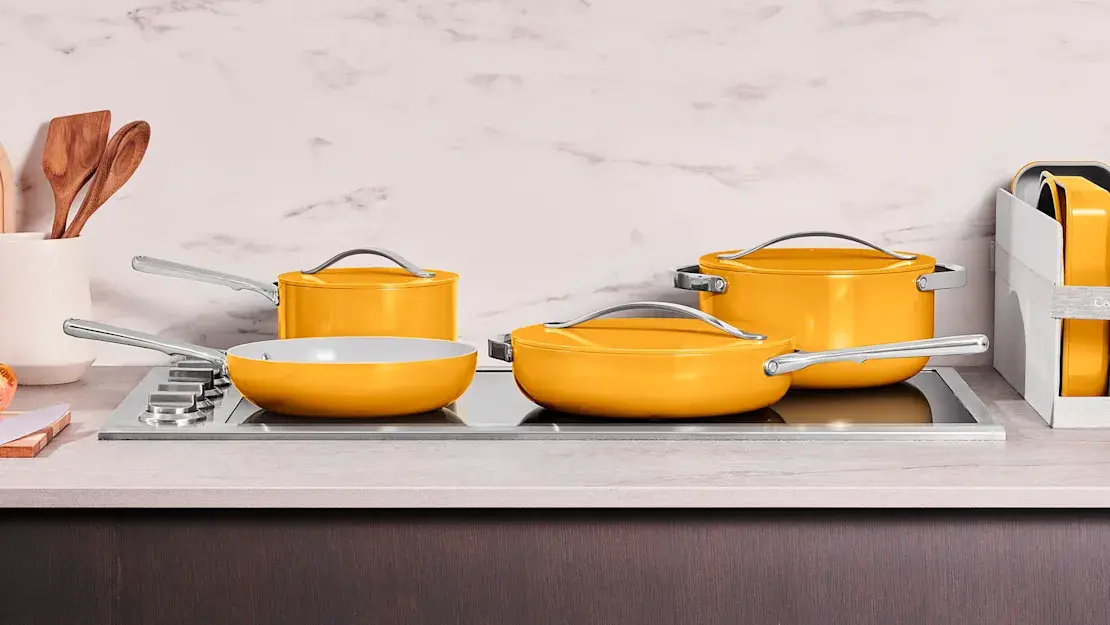
Enamel-coated Cookware
Enamel-coated cookware often has a cast iron or steel base. The coating protects the metal and adds color.
This type works well on induction if the base is magnetic. The enamel layer does not affect induction heating.
- Check that the base is cast iron or magnetic steel
- Use gentle heat to avoid chipping the enamel
- Clean carefully to keep the coating intact
Credit: www.carawayhome.com
Factors To Consider When Choosing Cookware
Choosing the right cookware for induction cooking matters. It affects how well your food cooks and how long the cookware lasts.
Look at key factors like durability, ease of cleaning, and how the cookware feels in your hand.
Durability And Longevity
Cookware should resist scratches and dents. Good materials last longer and save money over time.
- Choose stainless steel or cast iron for strength.
- Avoid thin metals that warp easily.
- Look for cookware with a strong base for even heat.
Ease Of Cleaning
Cleaning cookware quickly saves time and keeps your kitchen tidy. Some materials need more care than others.
| Material | Cleaning Method | Notes |
| Stainless Steel | Dishwasher or hand wash | Resists stains and odors |
| Cast Iron | Hand wash only | Needs seasoning to avoid rust |
| Nonstick | Hand wash recommended | Use soft sponges to protect surface |
Weight And Handle Comfort
Cookware should feel balanced and easy to lift. Comfortable handles reduce strain during cooking.
- Look for handles with heat resistance to avoid burns.
- Choose cookware that is not too heavy to lift safely.
- Check that handles have a good grip and do not slip.
Popular Brands And Options
Choosing the right cookware for induction cooking is important. Not all pots and pans work on induction stoves.
You need cookware with magnetic bases. Many brands offer different options for induction cooking.
High-end Choices
High-end cookware often has strong magnetic bases and lasts long. These sets usually have good heat control.
Brands like All-Clad and Le Creuset are popular for their quality and design. They offer stainless steel and cast iron options.
- All-Clad: stainless steel with aluminum core
- Le Creuset: enameled cast iron
- Demeyere: premium stainless steel
Budget-friendly Picks
There are good cookware sets that cost less but still work on induction. These are great for beginners.
Brands like T-fal and Cuisinart offer affordable options. They use stainless steel with magnetic layers.
- T-fal: nonstick stainless steel sets
- Cuisinart: stainless steel with copper base
- Tramontina: budget-friendly stainless steel
Versatile Sets
Versatile cookware sets work on many stove types, including induction. They often include multiple pot sizes.
Brands like Calphalon and GreenPan offer versatile sets. These sets suit different cooking styles and foods.
- Calphalon: hard-anodized aluminum with stainless base
- GreenPan: ceramic nonstick with magnetic base
- Farberware: multi-use stainless steel sets
Credit: www.beka-cookware.com
Maintenance Tips For Induction Cookware
Induction cookware needs special care to last longer and work well. Proper maintenance keeps your pots and pans in good shape.
Simple cleaning and smart storage help protect the cookware from damage and wear.
Proper Cleaning Techniques
Clean your induction cookware after each use. Use warm water and mild soap to remove food residue gently.
Avoid harsh scrubbers that can scratch the surface. Use soft sponges or cloths instead.
- Wash by hand, not in a dishwasher
- Dry cookware immediately to stop rust
- Remove stains with a baking soda paste
- Do not use steel wool or abrasive cleaners
Storage Solutions
Store your induction cookware carefully to avoid scratches and dents. Keep pots and pans separate or use protective layers.
Organize your kitchen space to keep cookware dry and easy to reach.
- Use felt or cloth liners between stacked pans
- Hang pots with hooks to save space
- Keep lids stored separately to avoid damage
- Store in a dry place to prevent rust
Common Mistakes To Avoid
Choosing the right cookware for induction cooking is important. Many people make errors that affect cooking quality.
Avoiding common mistakes helps you get the best results from your induction stove.
Using Non-compatible Cookware
Not all cookware works on induction stoves. Cookware must have a magnetic base to heat up properly.
Using non-compatible pots and pans wastes energy and can damage your stove.
- Check if cookware is labeled “induction compatible”
- Use cast iron or stainless steel with magnetic properties
- Test cookware with a magnet; if it sticks, it works
- Avoid aluminum, copper, or glass without a magnetic layer
Ignoring Weight And Balance
Heavy or unbalanced cookware can be hard to handle on induction cooktops. It may cause accidents or damage.
Cookware should feel steady and easy to move. Balance improves safety and cooking control.
- Choose cookware with a comfortable handle
- Pick pots and pans that sit flat and stable on the stove
- Avoid very heavy cookware if you need to lift it often
- Test weight before buying to ensure ease of use
Credit: www.kitchenaid.com
Frequently Asked Questions
What Materials Work Best For Induction Cookware?
Induction cookware must be magnetic. Cast iron, stainless steel, and carbon steel work best. Non-magnetic materials like aluminum or copper won’t work unless layered with magnetic steel.
How To Test If Cookware Is Induction Compatible?
Use a magnet to test. If it sticks firmly to the cookware’s base, it is induction compatible. This simple test ensures your pan will work efficiently on induction cooktops.
Does Cookware Size Affect Induction Cooking?
Yes, cookware size matters. The pan’s base should match the induction burner size for even heating and energy efficiency. Too small or too large cookware reduces performance.
Can Glass Or Ceramic Cookware Be Used On Induction?
No, pure glass or ceramic cookware won’t work on induction. They lack magnetic properties. Only glass cookware with a magnetic base layer can function on induction cooktops.
Conclusion
Choosing the right cookware for induction cooking makes a big difference. Always check for magnetic materials like stainless steel or cast iron. Flat bottoms help the cookware sit properly on the stove. Size matters; pick pans that match your burner size.
Taking time to select good cookware saves energy and cooks food evenly. Enjoy cooking with tools that work best for your induction stove. Simple steps lead to better meals and less hassle.